

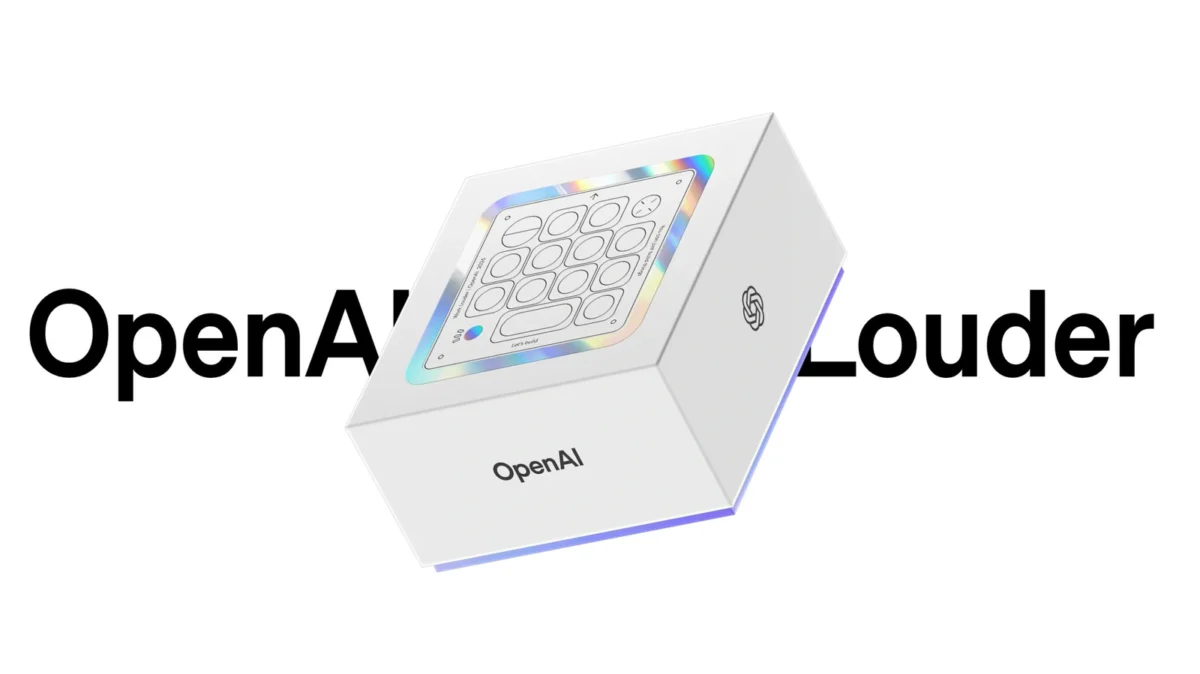
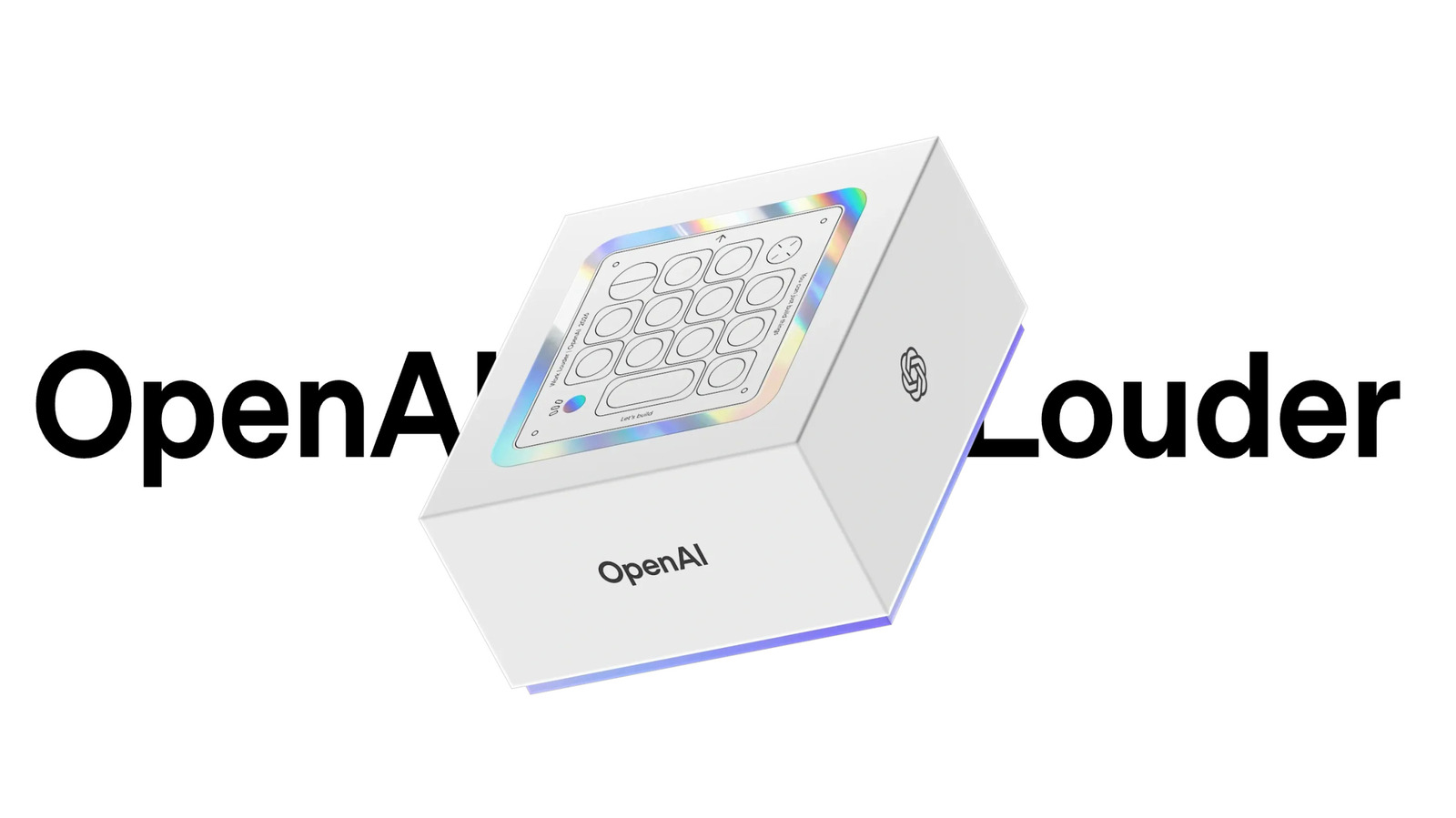
OpenAI has officially stepped into the physical hardware arena, marking a significant departure from its software-centric roots. The company has launched the Codex Micro, a specialized, high-performance mechanical keypad developed in a strategic partnership with boutique keyboard manufacturer Work Louder. Priced at $230, the device is designed to provide power users with tactile control over OpenAI’s agentic coding platform, Codex.
While rumors continue to swirl regarding a high-profile smart speaker project involving former Apple design legend Jony Ive, the Codex Micro serves as the company’s first tangible footprint in consumer peripherals.
The Core Functionality: Precision Engineering for AI Agents
The Codex Micro is not a standard peripheral; it is a bespoke tool built for a specific workflow. Drawing heavily on the design architecture of Work Louder’s acclaimed "Creator Micro 2" and the "Framer Micro," the device is optimized for developers and power users who navigate complex AI-assisted coding environments.
Technical Specifications and Interface
The keypad features a robust build, characterized by six frosted, backlit keys. These LEDs are not merely aesthetic; they provide real-time status indicators for active AI agents within the Codex ecosystem. Beyond the primary keys, the device offers:
- Tactile Control Mapping: Dedicated keys for critical actions, including code acceptance/rejection, branching thread management, and integrated voice input triggers.
- The Reasoning Dial: A precision rotary knob that allows users to toggle between different levels of reasoning depth within the Codex engine.
- Workflow Joystick: A multidirectional joystick designed for rapid switching between various active Codex workflows, allowing for fluid navigation without the need for traditional mouse-and-keyboard shortcuts.
The device is highly modular, shipping with additional keycaps that enable users to remap controls to fit their specific development preferences. By offloading complex navigation to a physical interface, OpenAI aims to reduce the "cognitive friction" that occurs when developers are forced to toggle between IDEs and browser-based AI windows.
A Chronology of the OpenAI Hardware Pivot
The journey from a purely software-based research lab to a hardware-inclusive company has been rapid and, at times, tumultuous.
- Early 2024 (Conceptualization): OpenAI begins internal discussions regarding how to better integrate its "super app"—a consolidated platform combining ChatGPT, Codex, and the new productivity-focused "ChatGPT Work"—into the physical workspace of professional developers.
- June 2024 (Initial Teasers): OpenAI and Work Louder provide the first public hints of a collaboration, posting cryptic teasers on social media platforms that suggested a new peripheral specifically for "agentic control."
- Late Summer 2024 (The "Super App" Evolution): OpenAI upgrades its flagship coding application, integrating multi-agent capabilities. This update necessitated a more intuitive control scheme, fast-tracking the development of the Codex Micro.
- Current Status (Launch): The Codex Micro is released to the public. Concurrently, reports emerge regarding the "troubled" nature of other hardware projects, most notably a rumored smart speaker, which has been hampered by legal complications.
Implications for the AI Ecosystem
The release of the Codex Micro signals a profound shift in how AI companies view the "human-machine interface." For years, the interaction between human and AI has been limited to text prompts in a browser window. The introduction of physical hardware suggests that OpenAI views its AI agents not as passive tools, but as active "coworkers" that require dedicated, high-bandwidth control interfaces.
The Rise of "Agentic" Peripherals
If successful, the Codex Micro could set a precedent for "Agentic Peripherals"—hardware designed to monitor, command, and steer AI models. By giving a user a physical dial to adjust an AI’s "reasoning level," OpenAI is essentially providing a tactile fader for the "temperature" or "creativity" of the model. This moves AI interaction away from the abstract and into the mechanical, potentially increasing adoption rates among professional engineers who value physical muscle memory over mouse clicks.
Competitive Positioning
This move also places OpenAI in a unique position relative to traditional tech giants. While Apple and Microsoft have historically controlled the hardware-software stack, OpenAI is now attempting to create a "verticalized experience" by dictating the physical input method for its own proprietary software.
Official Responses and Strategic Context
OpenAI has framed the Codex Micro as an experimental "co-lab" project. In a statement provided at the time of the launch, the company emphasized that the device is intended for "power users and developers who demand a seamless integration between their physical desktop environment and their digital agentic workflows."
Work Louder, the manufacturing partner, has characterized the collaboration as a union of "boutique design and massive-scale intelligence." The company has been transparent about the limited nature of the release, noting on their store page that they are producing a "limited quantity" of the units. This scarcity model—typical of the mechanical keyboard enthusiast community—suggests that the Codex Micro is currently intended to be a high-end niche product rather than a mass-market retail play.
The Broader Context: Legal and Strategic Headwinds
Despite the excitement surrounding the Codex Micro, it exists within a challenging corporate climate for OpenAI.
The Shadow of Litigation
The company’s hardware ambitions are currently overshadowed by high-stakes legal battles. A significant lawsuit filed by Apple alleges that two former employees—Tang Yew Tan and Chang Liu—stole trade secrets related to hardware design and brought them to OpenAI. The lawsuit characterizes OpenAI’s burgeoning hardware division as "rotten to its core," creating a difficult PR environment for the launch of any new physical device.
The "Smart Speaker" Rumors
Industry insiders continue to monitor the progress of OpenAI’s rumored smart speaker project, which is widely speculated to be a flagship device designed by Jony Ive. Unlike the Codex Micro, which is a niche professional tool, the smart speaker is expected to be a mass-market consumer entry point for ChatGPT. The current legal cloud over the company’s hardware division has made this project a point of intense scrutiny, with analysts questioning whether OpenAI can navigate the complexities of supply chain management and international patent law while facing litigation from the world’s most successful hardware company.
Supporting Data: Why a Keypad?
The decision to focus on a keypad rather than a touch-screen device or voice-only interface is supported by ergonomics research in professional software development.
- Reduced Latency: Research suggests that physical key presses have lower perceived latency than on-screen buttons, which is critical when a developer is managing multiple AI-driven threads.
- Cognitive Load: By using a "Reasoning Dial" and a "Workflow Joystick," developers can keep their hands on a secondary device while their main keyboard remains reserved for active coding. This separation of tasks—Control vs. Creation—is a hallmark of professional production hardware (such as video editing consoles).
- The "Flow State": Professional coders often report that switching windows to provide feedback to an AI disrupts their "flow state." A physical button to "Accept Code" or "Reject Branch" allows the user to maintain focus on the code editor, potentially increasing the efficiency of AI-assisted development by an estimated 15-20% according to anecdotal testing within the developer community.
Conclusion: A Small Footprint, A Large Ambition
The Codex Micro is a fascinating, if limited, entry into the hardware market. It serves three distinct purposes: it provides a tangible, useful tool for the current cohort of Codex developers; it acts as a "proof of concept" for the feasibility of OpenAI-branded peripherals; and it serves as a quiet distraction from the legal and operational pressures facing the company’s larger hardware ambitions.
For the enthusiast, the $230 price point is a small investment for what promises to be a specialized, limited-edition piece of hardware history. For the industry at large, the Codex Micro is the first sign that the next frontier of artificial intelligence will not just be found on our screens, but beneath our fingertips.
Whether this device becomes a collector’s item or the first of many OpenAI peripherals remains to be seen. However, as of today, the barrier between the AI agent and the human operator has officially become a physical one.











