

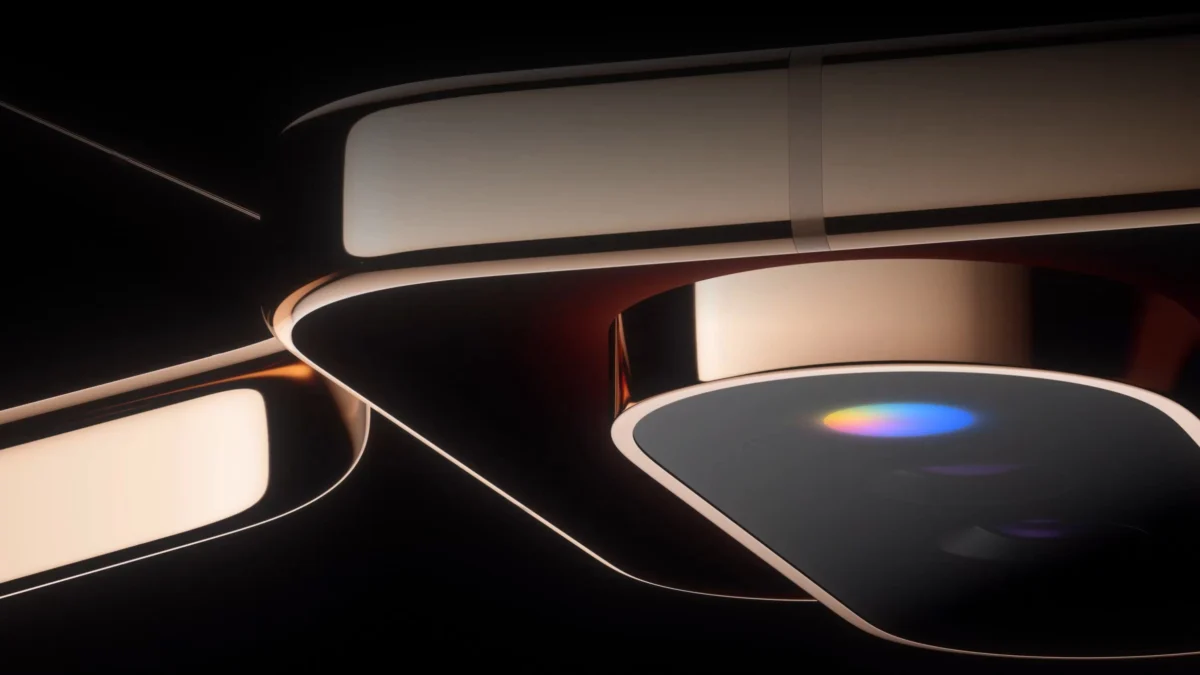
The countdown to the next evolution of Google’s flagship hardware has officially begun. With the "Made by Google" event scheduled for August 12, the tech giant is ramping up anticipation, confirming that the Pixel 11 series is not merely an iterative update, but a significant departure from the design language established over the past half-decade. As of this week, the official Google Store has launched a dedicated landing page for the device, providing enthusiasts with their clearest look yet at the hardware—and, more importantly, confirming the integration of the long-rumored "Pixel Glow" RGB interface.
Main Facts: What We Know About the Pixel 11 Launch
The upcoming Pixel 11 launch represents a strategic shift for Google. The company has moved away from the traditional autumn release cycle, opting for an earlier August 12 date to secure a stronger foothold ahead of the typical end-of-year holiday rush.
The primary takeaway from the new Google Store landing page is the aesthetic confirmation of the "Pixel Glow." This feature, which utilizes an addressable RGB array on the rear of the chassis, suggests that Google is attempting to pivot the Pixel brand toward a more interactive, personalized user experience. Unlike standard notification LEDs of the past, the Pixel Glow appears to be a sophisticated, multi-zone light array capable of providing contextual feedback, charging status updates, and potentially haptic-synced notifications.
Key details surrounding the launch include:
- Official Launch Date: August 12, 2026.
- Pre-order Timeline: Pre-orders are expected to open immediately following the conclusion of the keynote presentation on August 12.
- Design Shift: The camera bar, a hallmark of the Pixel series since the Pixel 6, has been refined into a more centralized module, integrating the Pixel Glow array as a centerpiece of the industrial design.
Chronology of the Pixel 11 Development
The journey to the Pixel 11 has been marked by a series of strategic leaks and calculated teasers that have kept the industry buzzing for months.
The Rumor Phase (Q1–Q2 2026)
During the early months of 2026, industry insiders began reporting on a "radical hardware refresh" codenamed internally at Google. Initial rumors focused on the processor—a new Tensor iteration—but shifted toward external hardware once patent filings for "rear-facing light-emitting arrays" surfaced in April.
The "Pixel Glow" Revelation (May 2026)
In late May, reports confirmed that Google was testing a customizable lighting system. This was initially met with skepticism by some analysts, who questioned whether a light-up back panel would be considered "gimmicky." However, supply chain leaks indicated that Google was sourcing high-efficiency LEDs intended for complex animation patterns, signaling that the implementation would be software-driven and highly customizable.
The Event Invitations (July 2026)
Google sent out formal invitations for the "Made by Google" event in early July. These invites contained abstract silhouettes that mirrored the shape of the device now seen on the store’s landing page. The imagery was minimalist, focusing on the curve of the device and the subtle glow emanating from the camera housing.
The Official Store Teaser (Current)
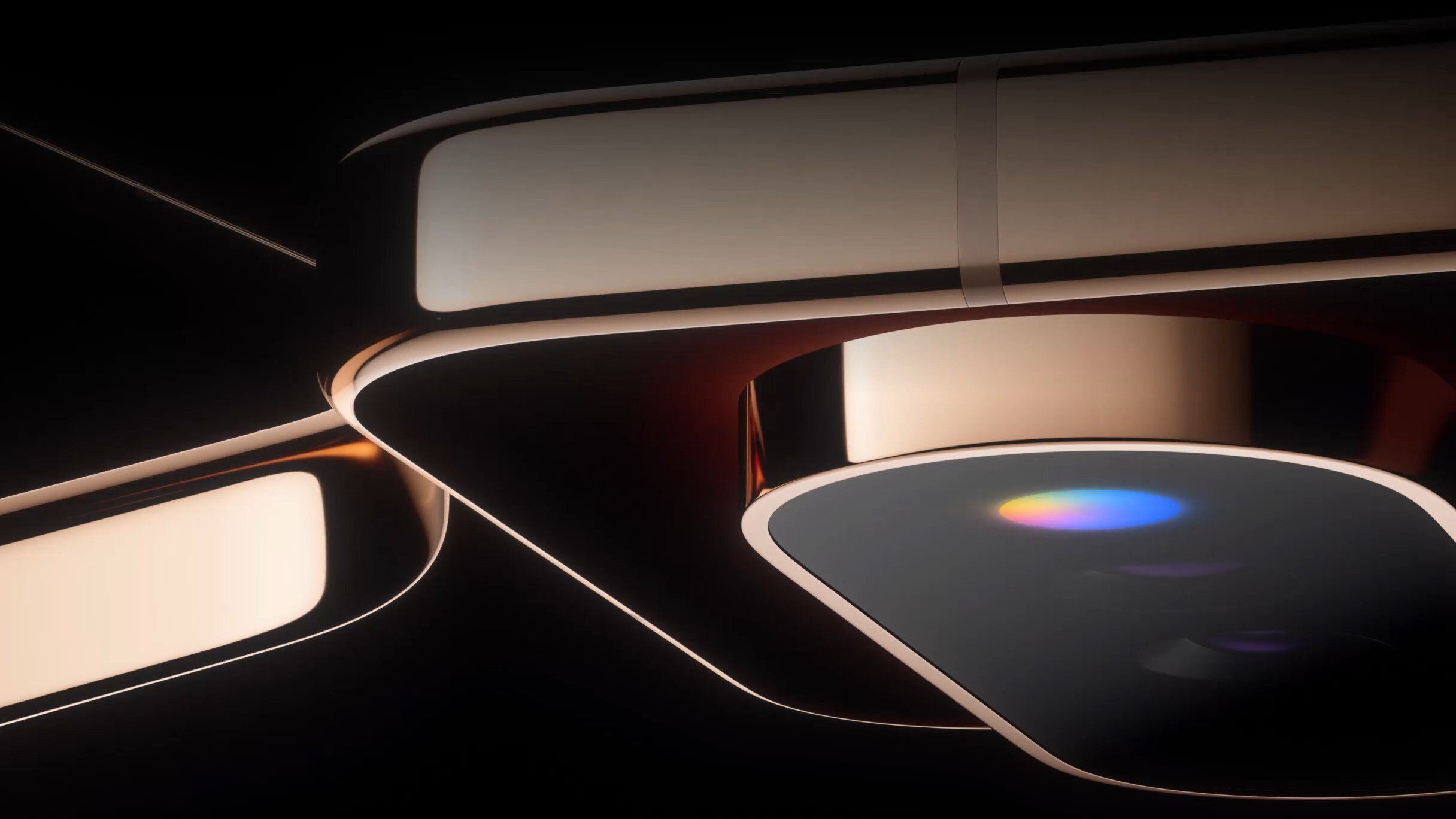
As of late July, the official landing page at store.google.com confirms the visual identity of the Pixel 11. By allowing potential customers to view a stylized, animated version of the phone, Google has effectively moved the product from the realm of speculation into the reality of upcoming retail availability.
Supporting Data: Why RGB and Hardware Personalization Matter
The decision to include the Pixel Glow is not merely a stylistic choice; it is a data-backed attempt to increase user engagement. According to recent market research, consumers in the premium smartphone segment are increasingly looking for devices that offer a unique visual identity. While "gaming phones" have utilized RGB lighting for years, the implementation in a flagship consumer device like the Pixel suggests a shift toward "ambient computing."
Technical Integration
The Pixel Glow is expected to utilize low-power-consumption micro-LED technology. Unlike traditional screen-based notifications that require the user to wake the display, the Pixel Glow allows for "glanceable" information. For example, a pulse of a specific color could indicate a priority notification, while a flowing pattern might represent a fast-charging status. This reduces the need for the user to pick up the phone, aligning with Google’s ongoing mission to reduce digital screen time and "friction" in the user experience.
Market Positioning
By differentiating the hardware with a recognizable visual signature, Google is attempting to solve the "black slab" problem that has plagued the smartphone industry for years. If a user can identify a Pixel 11 from across a room based on its light signature, the device achieves a level of brand recognition that software alone cannot provide.
Official Responses and Corporate Strategy
Google has remained characteristically tight-lipped regarding the specific technical specifications of the Pixel 11. However, the company’s recent press statements have emphasized a "holistic approach to AI and hardware integration."
In a brief comment provided alongside the launch of the landing page, a Google spokesperson noted: "The Pixel 11 is designed to be more than just a tool; it is a companion that understands its environment and communicates with you in new, intuitive ways."
This emphasis on "intuitive communication" aligns with the company’s push for Gemini-integrated hardware. It is highly probable that the Pixel Glow will be deeply integrated with the Gemini AI model, allowing the lights to change color or rhythm based on the AI’s understanding of the user’s current activity or the urgency of an incoming message.
Implications for the Future of Mobile Hardware
The launch of the Pixel 11 signals several broader trends that are likely to dominate the smartphone market for the next two years.
1. The Death of the "Boring" Smartphone
The industry is currently seeing a fatigue in standard glass-and-metal design. The Pixel Glow is a bold attempt to reintroduce playfulness into high-end hardware. If the Pixel 11 is successful, we can expect competitors—particularly those in the Chinese market—to experiment with rear-facing display elements and light arrays.
2. AI-Driven Hardware Interfaces
The integration of lighting as an interface component suggests that the "screen" is no longer the only way to interact with a phone. We are entering an era of "physical AI," where the device uses light, vibration, and haptic feedback to communicate AI-driven insights before the user even unlocks their phone.
3. Sustainability and Modular Design
While the Pixel 11 is a consumer flagship, there are internal reports suggesting that the RGB array is designed to be highly durable and repairable, adhering to Google’s updated sustainability commitments. If the hardware is built to last, the Pixel 11 could set a new standard for longevity in the Android ecosystem.
Conclusion: A New Era for Pixel
As we move closer to the August 12 event, the Pixel 11 is shaping up to be the most consequential device Google has produced in years. By merging high-end computational power with a unique, interactive aesthetic, Google is daring to differentiate itself in a crowded marketplace.
Whether the Pixel Glow will be seen as a revolutionary interface or a passing fad remains to be seen. However, the move itself is evidence that Google is no longer content to follow the design trends of its competitors. With the Pixel 11, the company is looking to reclaim its status as a hardware innovator, forcing the rest of the industry to rethink how a smartphone should look, feel, and—most importantly—glow.
Stay tuned to our coverage as we continue to track the final days of leaks and speculation leading up to the official unveiling next month. The era of the "Pixel Glow" is almost upon us.











