In the sprawling, interconnected tapestry of the Star Wars canon, few eras are as emotionally resonant or fraught with narrative potential as the period immediately following Order 66. It is a time defined by shadows, the systematic erasure of the Jedi Order, and the crushing weight of Imperial hegemony. Enter Star Wars: The Lost Stars—a compelling new graphic novel from VIZ Media that shifts the lens from the familiar Skywalker-centric sagas to the desperate struggle of a lone Jedi Knight and an unlikely duo of mechanical companions.
Crafted by the visionary duo of Eiichi Shimizu and Tomohiro Shimoguchi—the creative minds behind the acclaimed Ultraman manga—this project serves as a masterful expansion of the Star Wars mythos. By blending the frantic pacing of a space-western with the poignant melancholy of a post-war drama, the creators have delivered a story that feels both intimately personal and galactically significant.
The Core Narrative: A Jedi in the Crosshairs
The plot of Star Wars: The Lost Stars centers on Jedi Knight Nagi Tsukumo. Unlike the legendary masters who fell defending the Jedi Temple on Coruscant, Tsukumo finds himself navigating a galaxy that has suddenly turned its back on his kind. Following his narrow escape from the initial waves of the Great Jedi Purge, Tsukumo is not merely fleeing; he is wounded, poisoned, and profoundly betrayed by the very systems he once sought to protect.
The narrative hook—the pursuit of the fabled "Droid Paradise"—provides a refreshing departure from the standard Jedi-vs-Sith power struggles. In this story, the stakes are elevated by the inclusion of two droid outcasts, Dee-Seven and Ee-Ten. As they traverse the outer rim, the trio is pursued by an relentless Imperial assassin. This "cat-and-mouse" dynamic serves as the engine of the story, forcing the reader to question whether the paradise they seek is a genuine refuge or merely a tragic mirage in the desert of the Empire’s expansion.
Chronology: The Shadow of Order 66
To understand the gravity of the events depicted in the manga, one must contextualize them within the broader Star Wars timeline.
- The Dawn of the Empire: The story takes place in the immediate aftermath of the fall of the Republic. The Galactic Empire is still consolidating power, and the propaganda machine is in its infancy, working overtime to frame the Jedi as "traitors" and "terrorists."
- The Hunt for Survivors: The era is defined by the activities of the Inquisitorius and Imperial intelligence agencies tasked with rooting out Force-sensitives. Nagi Tsukumo’s journey is a microcosm of the systemic violence inflicted upon the survivors of the purge.
- The Quest for the Utopia: The journey to the Droid Paradise serves as the central timeline of the book. Through a series of flashbacks, readers gain insight into the betrayal that left Tsukumo poisoned and desperate, effectively bridging the gap between his life as a Jedi Knight and his existence as a hunted fugitive.
Creative Vision: The Shimizu-Shimoguchi Aesthetic
The aesthetic of Star Wars: The Lost Stars is heavily influenced by the distinct manga sensibilities of Eiichi Shimizu and Tomohiro Shimoguchi. Known for their intricate mechanical designs and kinetic action sequences, the duo brings a fresh perspective to the Star Wars aesthetic.
Visual Storytelling
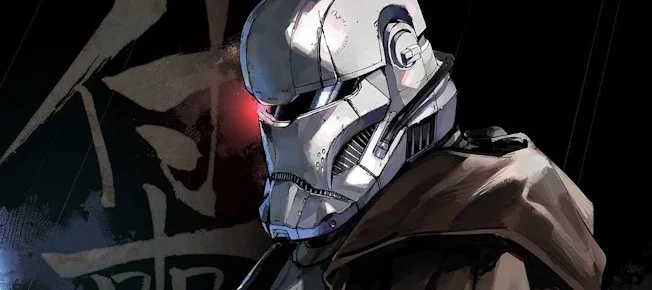
The art style emphasizes the cold, metallic precision of the Empire contrasted against the organic, desperate struggle of the protagonists. The lettering, handled by Phil Christie, provides a seamless reading experience that mirrors the rhythm of a high-speed chase. The design of the droids, Dee-Seven and Ee-Ten, is particularly noteworthy. Rather than serving as mere background utility characters, they are given distinct personalities and motivations, echoing themes of consciousness and autonomy that have long been present in the Star Wars franchise but rarely explored with this level of focus.
Supporting Data: Why This Story Matters
For long-time fans of the franchise, the appeal of Star Wars literature often lies in the "fringe" stories—tales that don’t necessarily involve the fate of the galaxy, but rather the survival of individuals within it.
Market Impact and Reception
The release of Star Wars: The Lost Stars comes at a time when the demand for high-quality, non-episodic Star Wars content is at an all-time high. By partnering with VIZ Media, Lucasfilm has tapped into the global manga market, offering an entry point for both anime/manga enthusiasts and traditional Star Wars fans.
Themes of Sacrifice
At its heart, the book poses a profound ethical question: What is the cost of peace? As Nagi Tsukumo approaches the rumored utopia, he is forced to reckon with the reality that the Empire’s influence is pervasive. The narrative challenges the traditional "Hero’s Journey" trope by suggesting that the ultimate victory may not be the defeat of the antagonist, but the preservation of hope in a system designed to destroy it.
Official Responses and Editorial Context
VIZ Media has marketed the project as a stand-alone masterpiece, emphasizing the creators’ pedigree. In promotional materials, the publishers have highlighted the emotional stakes of the story, noting that the bond between a Jedi and his droids represents the last vestige of the Republic’s ideals.
Critics have noted that the collaboration between Western IP holders and Japanese manga artists has been hit-or-miss in the past, but The Lost Stars is widely considered a triumph of this cross-pollination. The publishers have made it clear that this is a "must-read" for those looking to understand the psychological toll of the Great Jedi Purge.
Implications for the Star Wars Universe
The success of Star Wars: The Lost Stars has significant implications for the future of the franchise’s publishing arm.
- Genre Diversification: The shift toward manga-style storytelling allows Lucasfilm to explore genres—such as the psychological thriller or the buddy-road-trip—that might feel out of place in a traditional live-action film or a standard Western comic.
- Droid Agency: By centering the story around two droid outcasts, the book contributes to the ongoing conversation regarding the sentient status of droids in the galaxy. It pushes the boundaries of how we define "personhood" in the Star Wars universe.
- The "Post-Jedi" Canon: This narrative provides a roadmap for future stories set in the dark times. It demonstrates that the most compelling stories are often found in the gaps between the major historical events of the saga, focusing on the human (and droid) cost of political shifts.
How to Access the Work
For those eager to dive into Nagi Tsukumo’s journey, Star Wars: The Lost Stars is currently available through major retailers. Readers are encouraged to support their local comic shops, which serve as the backbone of the industry.
- Retail Options: The graphic novel is available in both physical and digital formats. Physical copies can be sourced via Amazon or Bookshop.org, while digital versions are available through various e-reader platforms.
- Support Local: Fans are urged to use the Comic Shop Locator Service to find local vendors.
As the Star Wars universe continues to expand, works like The Lost Stars remind us that even in the darkest of times, the light of the Force—and the companionship of the unexpected—can provide the strength needed to face the impossible. Whether you are a devotee of the films or a casual fan of quality graphic storytelling, this title demands your attention.
Disclaimer: VIZ Media provided a copy for review. This article contains affiliate links; purchases made through these links help support our ongoing coverage of the comic book industry.