Asro
Asro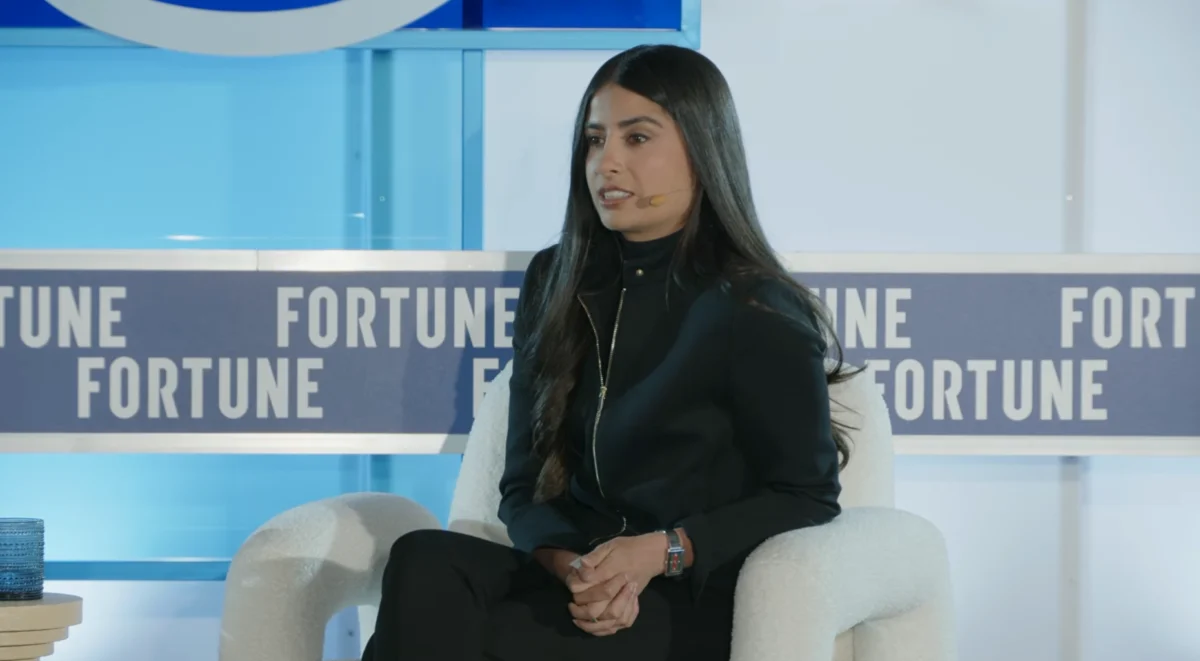
REDMOND, WA – June 10, 2026 – In a significant declaration signaling a potential paradigm shift for the console industry, Xbox CEO Asha Sharma has unveiled a strategic vision prioritizing new business models and reduced hardware production costs over the relentless pursuit of "premium, high-performance consoles." This pronouncement comes on the heels of a substantial 33% year-on-year decline in Xbox’s hardware revenue during Q3, a trend Sharma candidly described as "not particularly healthy." The new strategy signals a clear pivot towards broader accessibility, affordability, and a renewed commitment to platform-exclusive titles, aiming to redefine Xbox’s role in a rapidly evolving global entertainment landscape.
The Shifting Sands of Console Strategy: Xbox CEO Signals Industry Rethink
The traditional console cycle, characterized by escalating graphical fidelity and raw processing power, appears to be facing a fundamental re-evaluation from within one of its most prominent players. Speaking to Fortune, Asha Sharma articulated a compelling argument for a more sustainable and inclusive approach to console gaming. "We will continue to look at new business models – that’s what is needed rather than premium, high-performance consoles," Sharma stated, directly challenging the long-held industry mantra of hardware supremacy.
This bold vision stems from a pragmatic assessment of consumer spending habits and market saturation. Sharma observed that platforms have reached a stage where it is increasingly difficult to expect consumers "to spend thousands of dollars on a console generation." This sentiment reflects a growing recognition that while cutting-edge technology remains appealing, its escalating cost is becoming a significant barrier to entry for a substantial segment of the global audience. The era of console gaming as a luxury, high-investment hobby may be giving way to a more accessible, service-oriented model.
Sharma’s call to action is not merely about cost-cutting but about a holistic re-imagining of the console ecosystem. "We must think about the cost construction of consoles and how we create different plans, partnerships that will allow us to have better distribution, and experiences that we’re creating outside of that to reach new audiences," she elaborated. This comprehensive approach suggests that Xbox’s future hardware might not solely be defined by teraflops and ray tracing capabilities, but by its ability to integrate seamlessly into diverse consumer lifestyles and budgets, leveraging a broader spectrum of technological solutions, including cloud gaming and more modular designs.
A Mandate for Affordability and Accessibility
The emphasis on "cost construction" delves into the intricate economics of hardware development and manufacturing. For decades, console makers have operated on thin margins, often selling hardware at a loss to gain market share, recouping costs through software sales and subscription services. However, as hardware becomes increasingly complex and component costs fluctuate, maintaining this model while simultaneously pushing performance boundaries becomes unsustainable, particularly in a global economy marked by inflationary pressures and discretionary spending caution.
To address this, Xbox could explore several avenues. One possibility is the development of tiered hardware offerings, similar to how smartphones cater to different price points. This might include more affordable, digital-only consoles, or even dedicated streaming devices that serve as gateways to the Xbox ecosystem without requiring a powerful local processor. Another approach could involve modular designs, allowing consumers to upgrade specific components over time rather than investing in an entirely new console generation. Strategic partnerships with component manufacturers and innovative supply chain management could further drive down production expenses.
"Better distribution" signifies an intent to expand Xbox’s reach beyond traditional retail channels and established gaming markets. This could involve exploring direct-to-consumer models, leveraging telecommunication partnerships for bundled offerings, or penetrating emerging markets where cost-sensitive consumers might be more receptive to affordable, service-led gaming solutions. The goal is to make Xbox experiences available "everywhere," fostering a broader, more diverse player base.
Crucially, Sharma also highlighted the need for "experiences that we’re creating outside of that to reach new audiences." This strongly hints at a continued expansion into non-console platforms, such as PC and mobile gaming, and a deepening integration with cloud gaming services like Xbox Cloud Gaming. By decoupling the gaming experience from a single, high-cost piece of hardware, Xbox aims to meet players wherever they are, effectively transforming itself from a console manufacturer into a comprehensive gaming platform.
Chronology of Xbox’s Strategic Evolution
Xbox’s journey has been one of continuous adaptation, but the current juncture marks a particularly pivotal moment. The brand’s history has seen cycles of hardware-centric focus, often in direct competition with Sony’s PlayStation.
Early Eras and the Quest for Power:
Initially, Xbox carved its niche by emphasizing raw power, particularly with the original Xbox and later the Xbox 360, which saw immense success. The Xbox One generation, however, faced challenges with its initial focus on entertainment features beyond gaming, bundled with the costly Kinect sensor, and a higher price point than its competitor. This period highlighted the risks of diverging too far from core gaming expectations and the importance of competitive pricing.
The Phil Spencer Era and the Rise of Services:
Under the leadership of Phil Spencer, Xbox underwent a significant transformation, shifting its emphasis from purely hardware sales to a broader ecosystem centered around services. The introduction of Xbox Game Pass in 2017 was a watershed moment, offering a Netflix-like subscription service for games that fundamentally changed how many consumers accessed their gaming libraries. This "play anywhere" philosophy, coupled with aggressive studio acquisitions like Bethesda and Activision Blizzard, aimed to expand Xbox’s content library and reach across PC, console, and eventually mobile via cloud streaming. The strategy was to make Xbox’s content ubiquitous, available on any device.
The Multiplatform Experiment and Its Repercussions:
More recently, Xbox experimented with bringing some of its first-party exclusives to rival platforms, notably PlayStation and Nintendo Switch. While this move was framed as maximizing reach for individual titles, it raised questions among some loyal Xbox fans about the value proposition of owning an Xbox console if its signature games were no longer exclusive. This period of strategic exploration appears to have directly informed the current pivot.
The Hardware Revenue Decline: A Critical Inflection Point:
The catalyst for this latest strategic adjustment is undeniable: a 33% year-on-year decline in hardware revenue during Q3. This stark figure, which Asha Sharma forthrightly labeled "not particularly healthy," underscores the urgent need for a revised approach. While specific details of the decline were not provided, such a significant drop indicates challenges in console sales, potentially due to market saturation, economic pressures on consumers, or a perceived lack of compelling reasons to upgrade or invest in new Xbox hardware at its current price point. This financial indicator has evidently pushed Xbox leadership to reconsider the foundational tenets of their hardware strategy.
The Pivot Back to Exclusives:
In direct response to this decline and as part of the new strategy, Xbox is reintroducing a renewed focus on platform-exclusive titles. The recent announcements of Gears of War: E-Day and Clockwork Revolution as platform exclusives serve as concrete examples of this shift. This move aims to re-establish a unique selling proposition for the Xbox ecosystem, providing compelling reasons for players to invest in Xbox hardware and, more importantly, subscribe to Game Pass.
Supporting Data and Market Context
The 33% decline in hardware revenue is more than just a number; it’s a stark indicator of broader market forces at play. Several factors contribute to this challenging environment for traditional console manufacturers:
Broader Economic Headwinds: Global inflation, rising interest rates, and general economic uncertainty have tightened consumer belts. Discretionary spending, particularly on high-cost items like new gaming consoles, often takes a hit during such periods. Consumers are increasingly seeking value and flexibility in their entertainment choices.
Maturation of the Console Market: The current generation of consoles (Xbox Series X|S, PlayStation 5) has been out for several years. While initial sales surges are common, maintaining momentum becomes challenging as the installed base grows and the perceived leap in graphical fidelity from one generation to the next becomes less revolutionary to the average consumer. The law of diminishing returns applies; making games look marginally better often requires exponentially more expensive hardware.
Rise of Alternative Gaming Platforms: The gaming landscape is no longer dominated solely by consoles and PCs. Mobile gaming, with its free-to-play models and accessibility, commands a massive global audience. Cloud gaming, while still nascent, promises to further decouple high-end gaming from expensive hardware. Companies like Nintendo have also demonstrated the success of differentiated hardware (e.g., the Switch) that prioritizes unique experiences and portability over raw graphical power, proving there’s more than one path to market success.
The Success of Game Pass: In contrast to hardware struggles, Game Pass has shown resilience and growth. Sharma noted that following recent price reductions, Xbox has "started to see a return to growth, more subscribers and, more importantly, better retention." This data point is critical, as it validates Xbox’s long-term strategy of prioritizing services and subscriptions. The ability to pivot pricing and see immediate positive impact reinforces the idea that flexibility and value are key drivers for consumer engagement in the current market. This growth in Game Pass subscribers, even amidst hardware decline, suggests a strong underlying demand for Xbox’s content library, irrespective of the specific device used to access it.
The Economics of Console Manufacturing and Consumer Behavior
Manufacturing a modern, high-performance gaming console is an incredibly complex and costly endeavor. It involves sourcing cutting-edge components, sophisticated cooling solutions, and extensive research and development. These costs are then passed on to the consumer, often resulting in a retail price point of several hundred dollars, sometimes approaching or exceeding a thousand when accessories and multiple games are factored in. Sharma’s reference to "thousands of dollars" for a console generation acknowledges this total cost of ownership over several years.
Consumer behavior has also evolved. The rise of subscription services across various entertainment sectors – from music streaming (Spotify, Apple Music) to video streaming (Netflix, Disney+) – has conditioned consumers to value access over outright ownership. Gamers, particularly younger demographics, are increasingly comfortable with subscription models like Game Pass, which offer a vast library of games for a predictable monthly fee, reducing the initial financial barrier to entry for individual titles. This shift directly informs Xbox’s strategy to make their content accessible through flexible offerings rather than relying solely on high-priced hardware.
Official Responses and Leadership Alignment
Asha Sharma’s statements represent a clear articulation of Xbox’s evolving corporate strategy, and her vision is strongly echoed by other key leaders within the organization.
Sharma’s Vision for the "Platform":
Sharma’s core message is clear: Xbox is moving beyond being merely a console manufacturer to becoming a comprehensive gaming "platform." She noted, "You want your games to be everywhere… We’re increasingly becoming more of a platform, and it’s hard to find examples of platforms out there that don’t have exclusive services and content." This statement reveals a crucial nuance: while the ultimate goal might be broad content distribution, maintaining a strong, identifiable platform requires exclusive experiences to draw users in and foster brand loyalty. The shift is not away from exclusivity entirely, but towards a more strategic application of it.
Matthew Ball’s Reinforcement:
This strategic alignment is reinforced by Xbox chief strategy officer Matthew Ball. His comments emphasize the importance of a "reliable pipeline" of exclusive titles, designed to "validate their historical investment in the Xbox platform, keeps them as Xbox players going forward and everyone in the industry understands that exclusives are important to the growth and branding of that platform." Ball’s statement directly addresses potential concerns from existing Xbox loyalists, assuring them that their investment in the ecosystem will be rewarded with compelling, platform-specific content. This demonstrates a unified leadership front in defining Xbox’s future direction.
The Nuance of Exclusivity:
It’s important to note the nuanced approach to exclusives. Sharma stated, "We’re starting by introducing one to two signature exclusives, and as the business becomes healthier, we will look to try and do more." This indicates a measured, strategic deployment of exclusive content, focusing on high-impact titles that can drive hardware sales and Game Pass subscriptions, rather than an immediate reversal to a strictly exclusive content library for all games. This "case-by-case basis" approach, as previously confirmed by Xbox, allows for flexibility, ensuring that certain titles can still reach wider audiences on other platforms while key franchises remain central to the Xbox identity.
The Role of Exclusives in a Multiplatform Future
In a world where many games are increasingly multiplatform, the decision to re-emphasize exclusives might seem counterintuitive to the "games everywhere" mantra. However, for a platform holder, exclusives serve several critical functions:
- Brand Identity and Differentiation: Exclusives create a unique selling proposition, differentiating Xbox from its competitors. Titles like Gears of War are synonymous with the Xbox brand and provide a compelling reason for consumers to choose Xbox over other platforms.
- System Sellers: Signature exclusives can be "system sellers," driving demand for both hardware and subscription services like Game Pass. They act as tentpole releases that generate excitement and attract new users into the ecosystem.
- Subscriber Acquisition and Retention for Game Pass: For Game Pass, exclusive first-party titles are paramount. They provide continuous value for subscribers and are a key driver for both new sign-ups and long-term retention. If these games were available everywhere, the unique appeal of Game Pass would diminish.
- Developer Ecosystem: A strong pipeline of exclusive titles also incentivizes developers to work with Xbox, fostering a vibrant first-party and second-party development ecosystem that creates unique experiences only found on the platform.
The challenge for Xbox will be to strike a delicate balance: leveraging exclusives to build platform identity and drive subscriptions, while simultaneously pursuing the broader goal of making Xbox content accessible across as many screens as possible.
Implications for the Future of Gaming
Xbox’s strategic pivot carries significant implications for its own trajectory, the wider gaming industry, and ultimately, for consumers.
For Xbox:
This shift could lead to a more diversified hardware portfolio, potentially including more affordable streaming sticks or lower-spec consoles designed to primarily access Game Pass via cloud streaming. The company’s focus will likely intensify on the continued evolution of Game Pass, with Sharma hinting at "more flexible offerings" this summer. This could mean new subscription tiers, family plans, or even ad-supported options to cater to a wider demographic. The renewed emphasis on first-party content as system sellers will require consistent investment in its studios and a clear roadmap for flagship titles. This strategy also positions Xbox to potentially lessen its reliance on hardware sales as a primary profit driver, instead focusing on the more lucrative and recurring revenue streams from services and content.
For the Industry:
Should Xbox successfully navigate this transition, it could compel other console manufacturers to reassess their own strategies. Sony, with its PlayStation Portal handheld, has already shown an interest in extending its ecosystem beyond its main console, though its core strategy still heavily relies on premium hardware and exclusive AAA titles. Nintendo has consistently championed unique hardware and gameplay experiences over raw power. Xbox’s move could accelerate an industry-wide trend towards more flexible hardware, greater emphasis on subscription services, and a re-evaluation of the traditional console generation cycle. The "horsepower race" might give way to a "value and accessibility race."
For Consumers:
The most immediate benefit for consumers could be lower barriers to entry for accessing Xbox games. More affordable hardware options and diversified Game Pass offerings would democratize gaming, making it accessible to a broader audience globally. The reintroduction of signature exclusives will provide compelling reasons for existing Xbox players to remain loyal and for new players to consider the ecosystem. However, it also presents a potential trade-off: will a focus on cost reduction lead to compromises in graphical fidelity or cutting-edge features in future hardware? The ongoing debate about value versus raw power will continue to shape consumer expectations. The promise of "more flexible offerings" for Game Pass suggests tailored subscription models that could better meet individual needs and budgets.
The Road Ahead: Innovation Beyond the Box
Asha Sharma’s vision paints a picture of an Xbox that innovates beyond the physical console itself. "New business models" could encompass a range of possibilities:
- Cloud-First Hardware: Devices optimized purely for streaming Xbox games, potentially at a much lower price point than a traditional console.
- Hardware as a Gateway: The console becoming primarily a gateway to a vast, interconnected service ecosystem, rather than the end-all-be-all of the gaming experience.
- Partnerships Beyond Gaming: Collaborations with TV manufacturers to embed Xbox experiences directly into smart TVs, or with telecommunication companies to bundle Game Pass with internet subscriptions.
This strategic recalibration underscores a fundamental truth: the gaming industry is dynamic, and successful players must continuously adapt to technological advancements, economic realities, and evolving consumer preferences. By prioritizing affordability, accessibility, and a focused deployment of exclusive content, Xbox aims to secure its position as a leading platform in a future where gaming is increasingly ubiquitous, flexible, and integrated into every aspect of digital life. The success of this ambitious pivot will undoubtedly shape the trajectory of console gaming for years to come.


 Lina Irawan
 Sagoh
Sagoh