

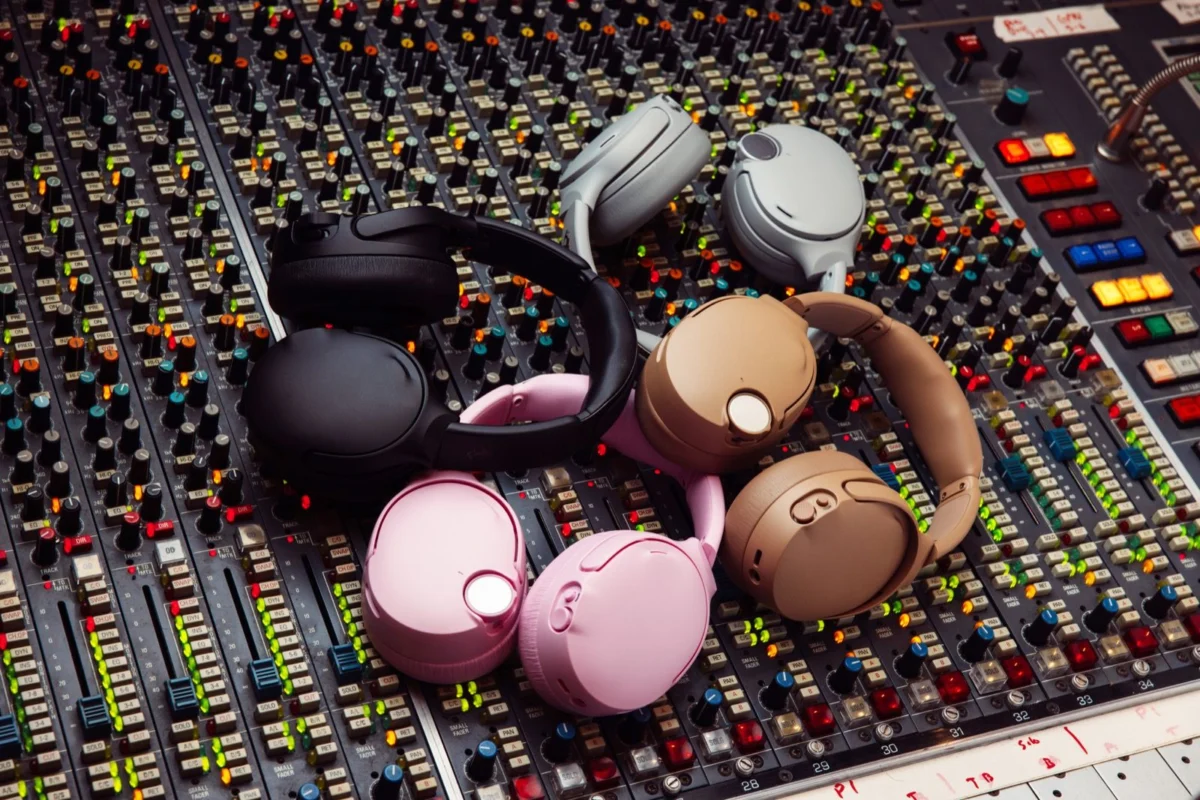
For over two decades, Skullcandy has occupied a distinct, albeit polarizing, corner of the consumer electronics market. Born on a snowy chairlift in Park City, Utah, in 2003, the brand became synonymous with board sports, youthful rebellion, and, unfortunately, a reputation for sound signatures that favored thumping bass over clarity and detail. To many purists, Skullcandy was a "lifestyle brand" that happened to sell headphones, rather than an audio company with genuine engineering pedigree.
However, the tide is turning. In a deliberate and aggressive pivot, the company is currently executing a multi-year mission to shed its "lackluster" image and transition into a serious contender in the high-fidelity audio space. By leveraging strategic partnerships and a total overhaul of its internal engineering philosophy, Skullcandy is betting that it can maintain its roots in community-driven culture while finally satisfying the ears of discerning listeners.
The Foundation: A Strategic Pivot
The company’s rehabilitation strategy began in earnest around 2025, marked by a pivotal partnership with audio giant Bose. The collaboration signaled a change in the wind, culminating in the release of the Skullcandy Method 360 ANC. Priced at an accessible $130, these wireless earbuds surprised critics by delivering competent noise cancellation and a balanced, sophisticated audio profile—a stark departure from the company’s traditional "bass-at-all-costs" output.
This success provided the necessary proof-of-concept for Skullcandy to tackle its most notorious product line: the Crusher headphones. For over a decade, the Crusher series has defined the brand, famous for its physical thumb wheel that allows users to adjust haptic bass vibrations. While these headphones offered a visceral, concert-like rumble that appealed to bass-heads, it often came at the expense of muddy mids and suppressed highs. With the newly announced Crusher 1080 ANC, unveiled this past Wednesday in New York City, Skullcandy is attempting to prove that high-impact bass and high-fidelity sound can finally coexist.

A Chronology of Evolution: From Ski Slopes to Sound Labs
To understand where Skullcandy is going, one must look at where it has been.
- 2003: Founded near Park City, Utah, with a focus on the action-sports community.
- 2011: The company faces public scrutiny regarding its audio engineering, a common refrain that has haunted its flagship products for years.
- 2025: The "Sound by Bose" initiative launches. The Method 360 ANC earbuds act as the first major test case for this technological shift.
- Late 2025/Early 2026: Market reports suggest that in the $75 to $100 range, Skullcandy has successfully captured 20 percent of the market share, validating their pivot toward better tech-to-price ratios.
- Wednesday, 2026: The official announcement of the Crusher 1080 ANC, the flagship product intended to bridge the gap between "lifestyle gear" and "premium audio."
Engineering the Rumble: The Science of the Crusher 1080
The core challenge in engineering the Crusher 1080 ANC was structural. Historically, when the Crusher’s haptic drivers were engaged, they created a mechanical interference that degraded the surrounding acoustic tuning.
CEO Brian Garofalow explains that the collaboration with Bose was not merely a branding exercise but a deep-dive engineering integration. "We’ve been really, really great at community building and nurturing and helping push cultures forward—not the greatest at the engineering part of innovation with products," Garofalow admits. "So we’ve really been honing our chops in the last few years."
By working with Bose engineers, Skullcandy has effectively decoupled the Crusher’s haptic bass driver from the primary acoustic drivers. This separation allows the bass to rumble without "bleeding" into the midrange and high-frequency spectrums. The result, theoretically, is a headphone that offers the physical excitement of a subwoofer while maintaining the sharp, clear reproduction required for complex musical arrangements.
.jpg)
Supporting Data and Technical Specs
The Crusher 1080 ANC is not just a triumph of acoustic decoupling; it is a feature-rich device that aligns with modern industry standards.
- Battery Performance: A robust 60 hours of playback with ANC off, and 50 hours with ANC enabled.
- Rapid Charge: A 10-minute charge provides four hours of listening time.
- Connectivity: Bluetooth 5.3 with multipoint pairing and support for Auracast, the next generation of Bluetooth broadcast audio.
- Smart Features: Integrated wear-sensors for auto-pause/play, and a highly customizable EQ available via the companion application.
- The "Sound by Bose" Advantage: Beyond the bass drivers, the headphones feature Bose’s industry-leading noise-cancellation algorithms, a six-microphone array for professional-grade voice capture, and a spatial audio profile that simulates a surround-sound environment.
At a retail price of $280, the Crusher 1080 ANC is positioned as a disruptive entry. While it faces stiff competition from the $350–$400 price brackets of Sony, Bose, and Apple, Skullcandy is banking on its brand loyalty—bolstered by icons like Tony Hawk—to entice users who want premium performance without the premium tax.
Official Perspectives: The Vision for the Future
Garofalow’s vision for Skullcandy is clear: return to the brand’s identity as a cultural touchstone while "checking every part of the business" to ensure the technical foundation is unshakeable. "With the rise of true wireless and essentially AirPods, we were a little bit behind the curve," Garofalow notes. "We lost a little bit of share. The vision I brought to the business was, let’s go back to what we’re best at, and that is being a really unique brand, and then check every part of the business that’s going to help impact that."
When asked about the future of the company, especially in an era where rivals like Apple and Razer are exploring radical innovations—such as cameras on AirPods or brain-scanning biometric sensors—Garofalow remains optimistic and tight-lipped. "When we’re talking about future-facing technology, I’m not going to share any of that, but I will say yes to all. You’ll see some very cool stuff coming out from us."
.jpg)
Implications: Can a Brand Rebrand its Sound?
The history of consumer electronics is littered with companies that attempted to reinvent themselves only to fail against the weight of their own reputations. However, Skullcandy’s current approach is distinct because it is not doing it alone. By utilizing the Sound by Bose platform, they are essentially outsourcing the most difficult aspects of acoustic science while keeping their proprietary "Crusher" magic intact.
If the Crusher 1080 ANC succeeds in the market, it will likely change the perception of the company from a "youth accessory brand" to a "high-value audio innovator." The implications for the industry are significant: if a brand known for entry-level, bass-heavy gear can produce a flagship product that competes with the top-tier titans of audio, it could force a market-wide price correction.
For now, the audiophile community remains cautious, waiting to see if the decoupling of the drivers truly solves the muddy-audio issues of the past. If the consumer reception mirrors the reported success of the Method 360 ANC, Skullcandy might just be on the verge of the most successful brand rehabilitation in the history of personal audio. They have the community, they have the distribution, and for the first time in years, they seem to have the sound to back it up.











