

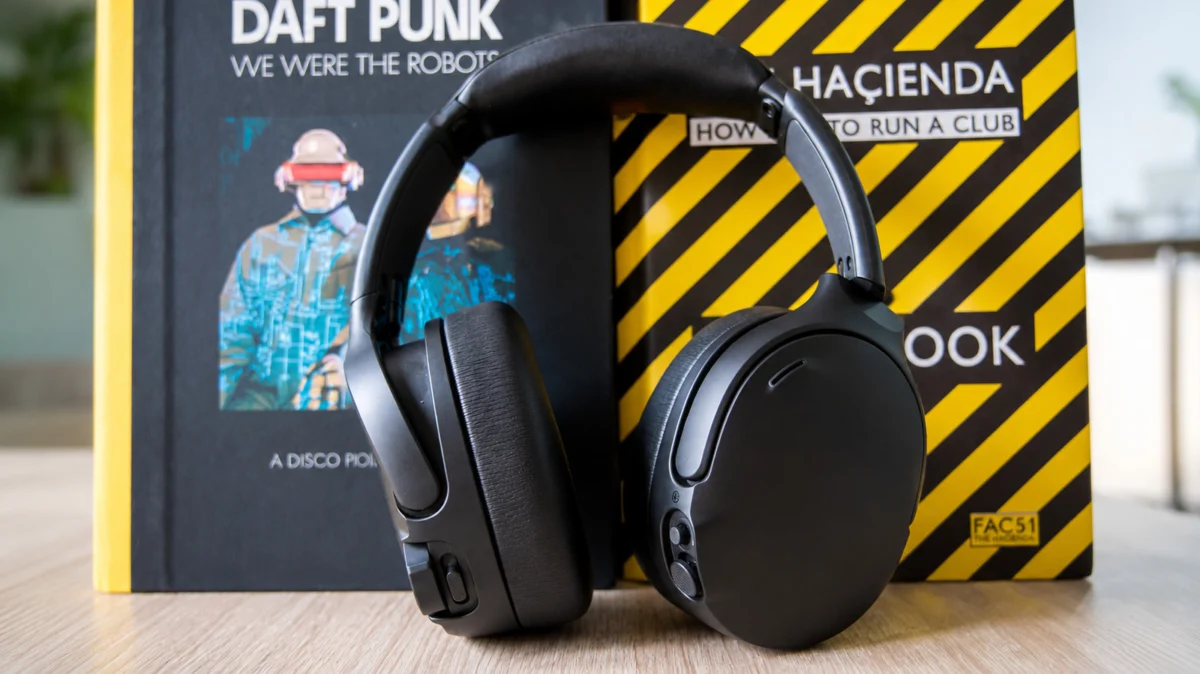
For over a decade, Skullcandy has occupied a distinct, polarizing corner of the audio market. While industry titans like Sony, Bose, and Sennheiser engaged in a sophisticated arms race—prioritizing refined sound signatures, industry-leading noise cancellation, and sleek, ergonomic industrial design—Skullcandy doubled down on a singular, visceral proposition: haptic bass. Its iconic "Crusher" line became synonymous with an unapologetically aggressive, bone-rattling audio experience that prioritized physical sensation over sonic fidelity.
However, the release of the new flagship Skullcandy Crusher 1080 marks a definitive departure from this "niche-only" strategy. By integrating sophisticated audio engineering from Bose, the company is attempting to bridge the gap between pure, unadulterated fun and the high-fidelity expectations of the modern audiophile. With a price point of $270, the Crusher 1080 is no longer just a toy for bass-heads; it is a serious contender in a crowded, high-stakes market.
Main Facts: The Intersection of Haptics and Bose Engineering
The core value proposition of the Crusher 1080 is its hybrid DNA. It retains the signature haptic bass system that fans have come to love, but it wraps that system in a chassis powered by Bose technology. Specifically, the headphones feature:
- Bose QuietControl ANC: A significant leap in active noise cancellation capabilities for the brand.
- TrueSpatial Audio: Bose’s proprietary directional sound technology designed to create a more immersive soundstage.
- WaveForm Tuning: A refined sound engine that provides a balanced frequency response, preventing the "muddiness" common in previous Crusher iterations.
- Flagship Battery Life: An impressive 60-hour runtime (50 hours with ANC active), coupled with robust fast-charging capabilities.
These features elevate the 1080 from a novelty device to a legitimate daily driver. The integration of Bose’s technology suggests a strategic pivot: Skullcandy is leveraging external expertise to solve its long-standing reputation for being "all bass, no brain."
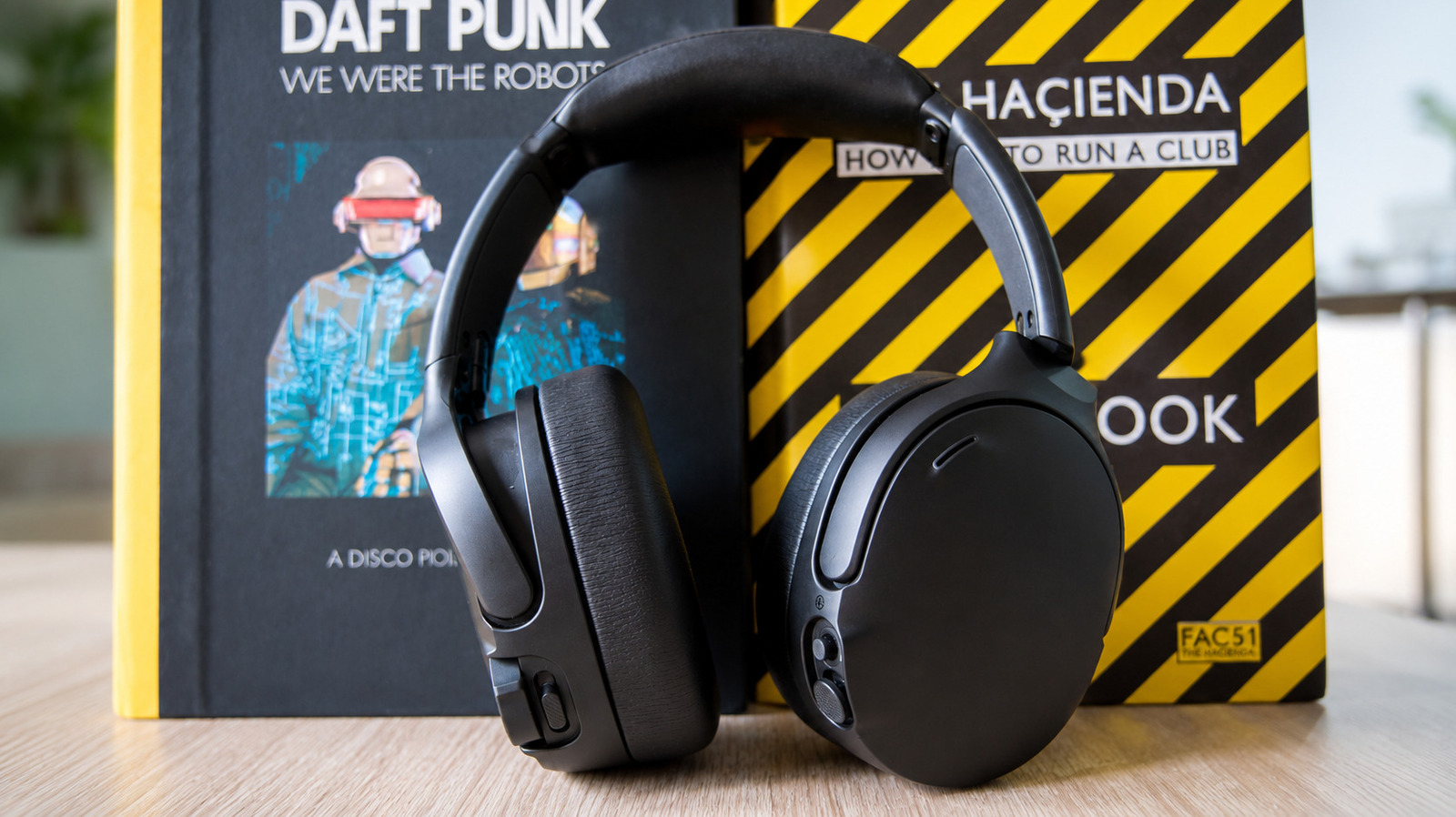
Chronology: A Decade of "Crushing" Evolution
To understand the magnitude of the Crusher 1080, one must look at the trajectory of the brand’s flagship series:
- The Early Days (2010s): The original Crusher models were defined by their aesthetic—bold, plastic-heavy, and loud. The haptic bass was a simple vibration motor that often distorted the mids and highs.
- Refinement Phase (2018–2022): Skullcandy began introducing more sophisticated EQ controls and improved materials, but the "bass-first" philosophy remained the primary marketing hook, often overshadowing improvements in clarity or ANC.
- The Bose Partnership (2024–2025): Recognizing that its hardware needed a technical overhaul to compete with mid-tier and premium offerings, Skullcandy entered the "Bose Sound" program. Initial testing in the Method wireless earbuds proved that Bose’s tuning could be successfully ported to Skullcandy’s hardware.
- The 1080 Launch (2026): The culmination of this partnership, the Crusher 1080 represents the first time the company has successfully balanced the "Crusher" identity with professional-grade noise cancellation and spatial audio.
Supporting Data: Performance Under Pressure
In benchmarking the Crusher 1080 against industry standards, the performance metrics reveal a nuanced reality.
Sound Quality and Tuning
Without the haptic bass engaged, the 1080 offers a surprisingly neutral sound signature. When listening to complex, multi-layered tracks—such as the production-heavy works of The Streets—the 1080 displays impressive separation. While it does not quite reach the crystalline neutrality of a top-tier Sennheiser Momentum 5, it outperforms the vast majority of headphones in the $200–$300 range. The "upper-mid" boost is a deliberate tuning choice, ensuring that vocals and percussion remain forward and engaging, even in high-energy tracks.
Noise Cancellation Efficacy
The inclusion of Bose’s QuietControl ANC is the single greatest technical achievement of this headset. In controlled testing environments (simulated office noise, public transit, and wind interference), the 1080 consistently outperformed the Anker Soundcore Space One Pro and the Sennheiser HDB 630. While it stops just short of the "dead silence" achieved by the Bose QuietComfort Ultra, it is leagues ahead of anything Skullcandy has produced to date.
Battery and Efficiency
The 60-hour battery claim is not just marketing hyperbole; in real-world usage, it comfortably carries the user through a full work week of commuting and office use. The fast-charging capability provides roughly 4 hours of playback from a 10-minute charge, a vital feature for power users who frequent long-haul flights.
Official Responses and Strategic Implications
Skullcandy’s leadership has framed the Crusher 1080 as a "maturation" of the brand. In recent interviews, representatives emphasized that the goal was never to replace the fun of the Crusher, but to provide a "premium context" for it.
"We know our users love the bass," a company spokesperson noted during the pre-launch phase. "But we also know they listen to podcasts, take Zoom calls, and travel. We didn’t want them to have to sacrifice quality to get that physical sensation."
The implications for the market are significant:
- Market Repositioning: By pricing at $270, Skullcandy is signaling that it no longer wishes to compete solely on "budget-friendly" metrics. They are now challenging the mid-range dominance of brands like Anker and the lower-end of the luxury market.
- The "Bose-As-A-Service" Model: This partnership suggests a new trend in audio manufacturing where smaller brands utilize the R&D of industry leaders to remain relevant, potentially signaling a wave of "co-branded" hardware in the coming years.
- Consumer Perception: The 1080 acts as a litmus test. If consumers accept a $270 price tag for a brand historically associated with youth-centric, cheaper hardware, it could pave the way for a more expensive, truly "audiophile-grade" Crusher line in the future.
The Verdict: A Balanced Act
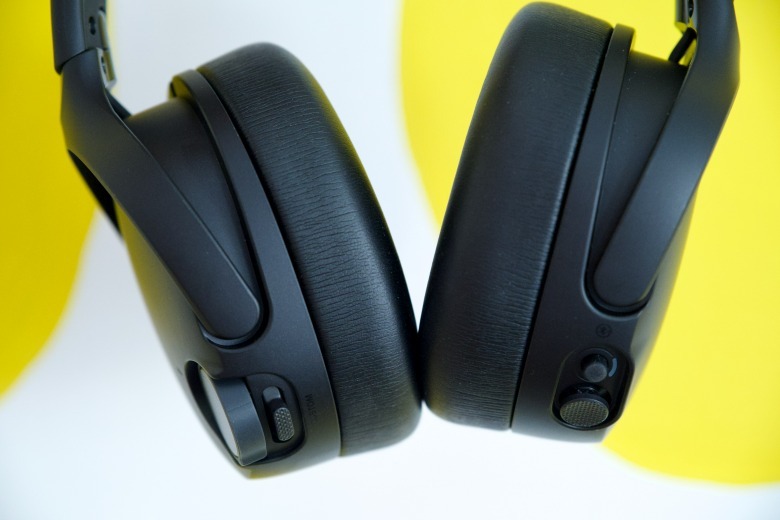
Despite the strides in technology, the Crusher 1080 is not without its flaws. The design language, while premium in its use of metal accents, feels somewhat bulky and dated compared to the streamlined, minimalist profiles of the latest Sony WH-1000XM6. The physical control scheme is also a point of contention; the proximity of the ANC toggle to the bass dial leads to frequent accidental inputs—a minor but persistent ergonomic frustration.
Furthermore, the weight of the device becomes noticeable during extended listening sessions, particularly compared to the lighter, more contoured chassis of its direct competitors.
However, these are manageable trade-offs. The Crusher 1080 succeeds where previous generations failed: it manages to exist as a functional, high-quality audio tool that happens to have a "superpower." It is no longer a one-trick pony. For the user who wants the industry-leading ANC of Bose but still craves the visceral, physical impact of a club-like bass experience, there is currently no other product on the market that fills this void.
As the audio industry continues to consolidate around standardized, safe, and balanced sound profiles, the Crusher 1080 stands out as a defiant, yet refined, outlier. It proves that a brand can grow up without losing its identity, and that with the right engineering partnership, even the most "niche" of features can be elevated into a compelling, professional-grade experience.











