Laily UPN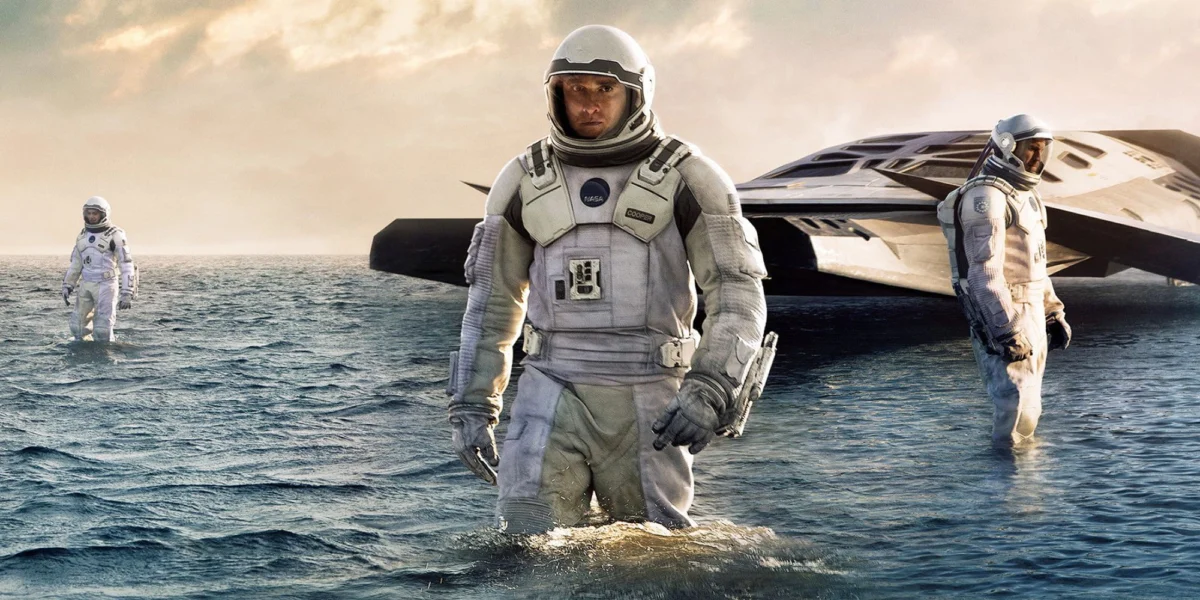
The science fiction genre has long served as the grand laboratory of cinema. By pushing the boundaries of what is technologically possible and philosophically conceivable, sci-fi filmmakers have crafted some of the most enduring narratives in human history. From the quiet, existential dread of a desolate future to the high-stakes, multiversal battles of animated heroes, the genre offers a mirror to our own societal anxieties and aspirations.
For cinephiles navigating the vast, often overwhelming landscape of film history, Letterboxd has emerged as the definitive digital archive. By aggregating the collective voice of millions of global users, the platform provides a democratic—if highly rigorous—ranking of cinematic achievement. When we look at the top-rated science fiction films on Letterboxd, we see a fascinating tapestry that bridges live-action blockbusters, gritty dystopian dramas, and avant-garde animation. Here are the 10 greatest science fiction films of all time, as judged by the community that knows them best.
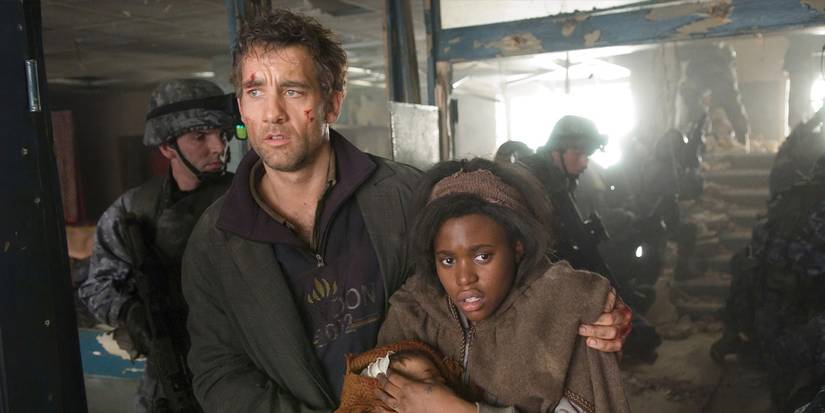
10. Children of Men (2006)
Letterboxd Score: 4.3/5
Alfonso Cuarón’s Children of Men is not merely a film; it is a visceral experience of societal decay. Set in a 2027 where two decades of human infertility have brought the world to the brink of collapse, the film follows Theo Faron (Clive Owen), a disillusioned bureaucrat tasked with protecting a pregnant refugee.
The brilliance of Children of Men lies in its grounded, terrifyingly plausible vision of the future. Cuarón’s trademark long takes—most notably the ambush sequence and the climactic battle in the Bexhill refugee camp—immerse the audience in the chaos. By eschewing heavy-handed exposition in favor of environmental storytelling, the film captures a world that feels both foreign and uncomfortably close to our own reality. It remains a masterclass in tension, cementing its status as one of the most influential dystopian works of the 21st century.
9. Project Hail Mary (2025)
Letterboxd Score: 4.3/5

Translating the dense, technical, and character-driven prose of Andy Weir to the screen is no small feat, yet Project Hail Mary managed to capture the imaginations of modern audiences immediately upon release. Ryan Gosling delivers a career-defining performance as Ryland Grace, a teacher who wakes up on a starship with total amnesia, only to discover he is humanity’s final hope against an extinction-level solar threat.
What distinguishes this film from other space-faring epics is its infectious sense of optimism and its dedication to the scientific process. The "problem-solving" narrative structure, paired with a heartwarming and inventive central relationship, elevates the film above standard survival fare. It is a testament to the idea that even in the cold vacuum of space, human curiosity—and the willingness to reach out to the unknown—can triumph.
8. The Thing (1982)
Letterboxd Score: 4.4/5
John Carpenter’s The Thing is the gold standard for science fiction horror. Set in the isolated, freezing expanse of Antarctica, the film depicts a research team hunted by an extraterrestrial entity capable of perfect imitation. The result is a claustrophobic, paranoid masterpiece that remains unrivaled in its execution.
While the practical effects by Rob Bottin are legendary, the true strength of The Thing lies in its psychological depth. Carpenter forces the audience to question the humanity of every character on screen, turning the research base into a pressure cooker of mistrust. With its haunting score by Ennio Morricone and a lead performance by Kurt Russell that perfectly balances toughness with weary desperation, The Thing is an essential watch that proves true horror is often found in the uncertainty of one’s neighbor.
7. Dune: Part Two (2024)
Letterboxd Score: 4.4/5
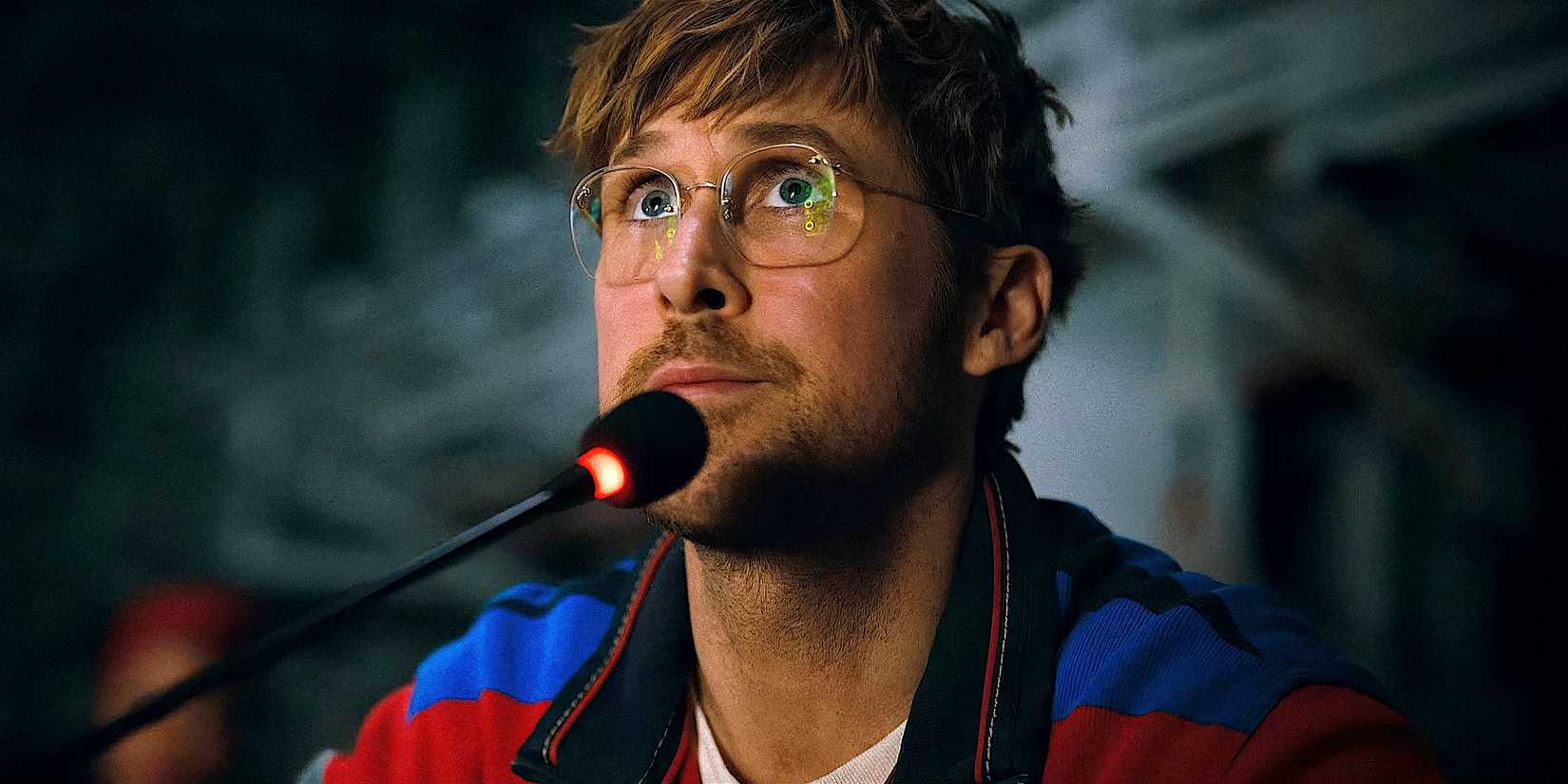
Denis Villeneuve’s continuation of the Frank Herbert saga, Dune: Part Two, is a rare breed of blockbuster: a massive, intellectual, and visually stunning epic that respects the complexity of its source material. Picking up immediately after the fall of House Atreides, the film charts Paul Atreides’ (Timothée Chalamet) transformation from a boy into a reluctant, terrifying messiah.
The film is an achievement in world-building, where the scorching sands of Arrakis feel as tangible as the political maneuverings of the Great Houses. By balancing intimate character development with sweeping, gargantuan action sequences, Villeneuve has created a definitive sci-fi milestone. It is a dark, meditative look at power, religion, and destiny that has firmly established itself as a cornerstone of modern cinema.
6. Spider-Man: Into the Spider-Verse (2018)
Letterboxd Score: 4.4/5
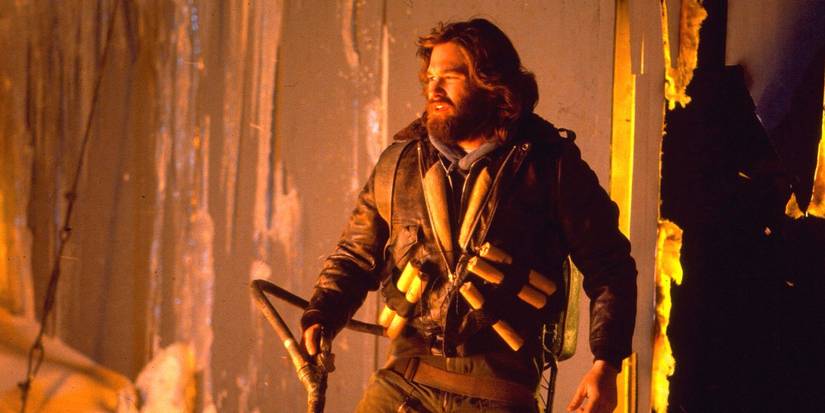
It is a mark of the modern cinephile that an animated superhero film sits comfortably alongside the works of Tarkovsky and Kubrick. Into the Spider-Verse shattered the conventions of the genre, utilizing a unique, comic-book-inspired visual language that feels both fresh and nostalgic.
The story of Miles Morales—a teenager juggling the responsibilities of a normal life with the weight of the multiverse—is a masterclass in character writing. By leaning into the infinite possibilities of the "Spider-Verse," the film delivers humor, heart, and a visual spectacle that feels genuinely groundbreaking. It redefined what animated blockbusters could achieve, proving that the medium can be just as sophisticated as live-action cinema.
5. Stalker (1979)
Letterboxd Score: 4.4/5

Andrei Tarkovsky’s Stalker is perhaps the most profound meditation on the human condition ever committed to film. Following a guide known as "Stalker" as he leads two men into the mysterious, reality-bending "Zone" to find a room that grants one’s deepest wishes, the film is a slow-burn journey into the subconscious.
Stalker demands patience, but it rewards the viewer with an atmospheric, metaphysical experience that few other films can replicate. Through its sepia-toned landscapes and hypnotic pacing, the film explores faith, desire, and the hollowness of modern existence. It is not just a sci-fi film; it is an avant-garde pillar of world cinema that challenges the viewer to confront their own internal truths.
4. Spider-Man: Across the Spider-Verse (2023)
Letterboxd Score: 4.4/5
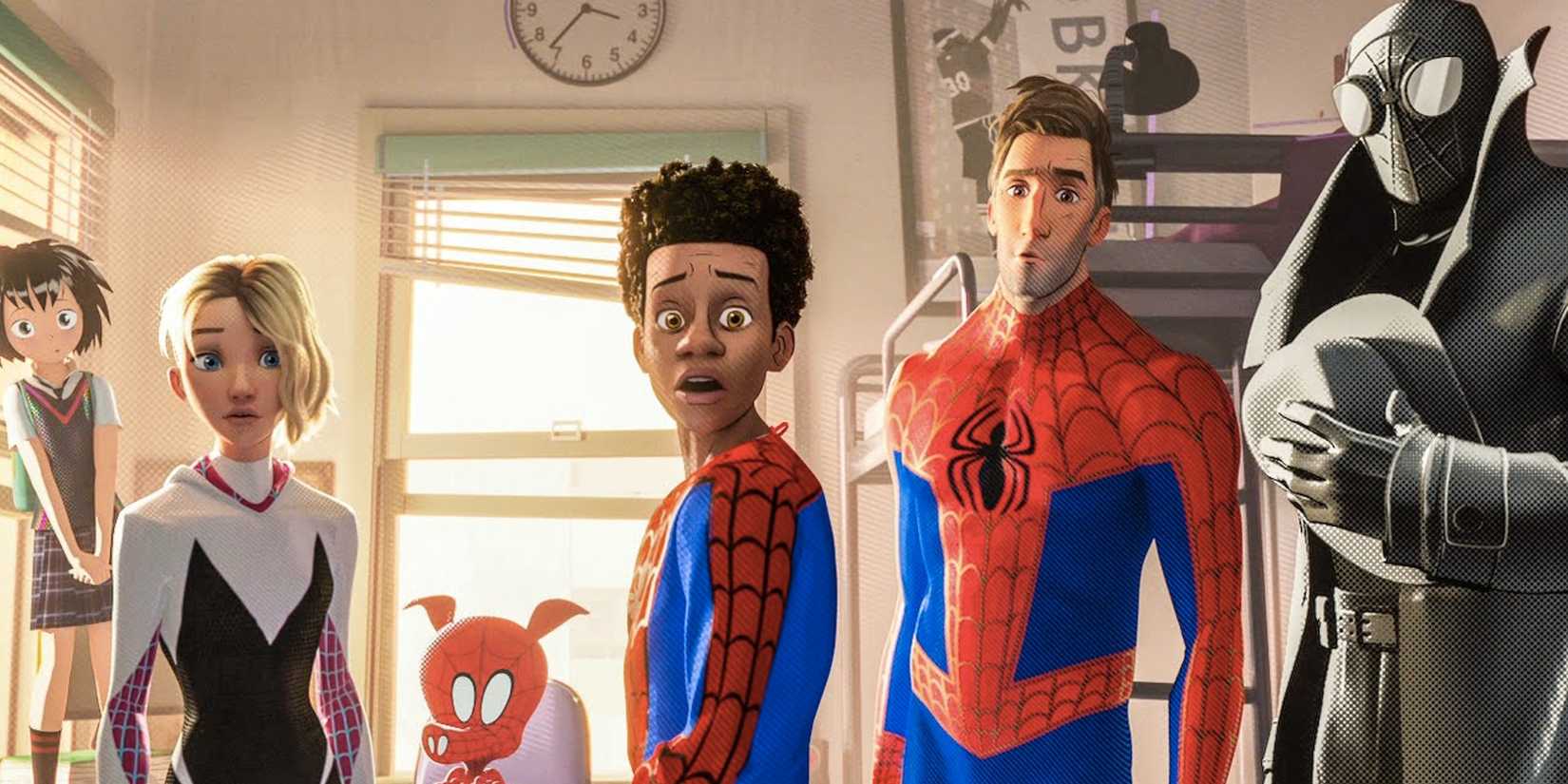
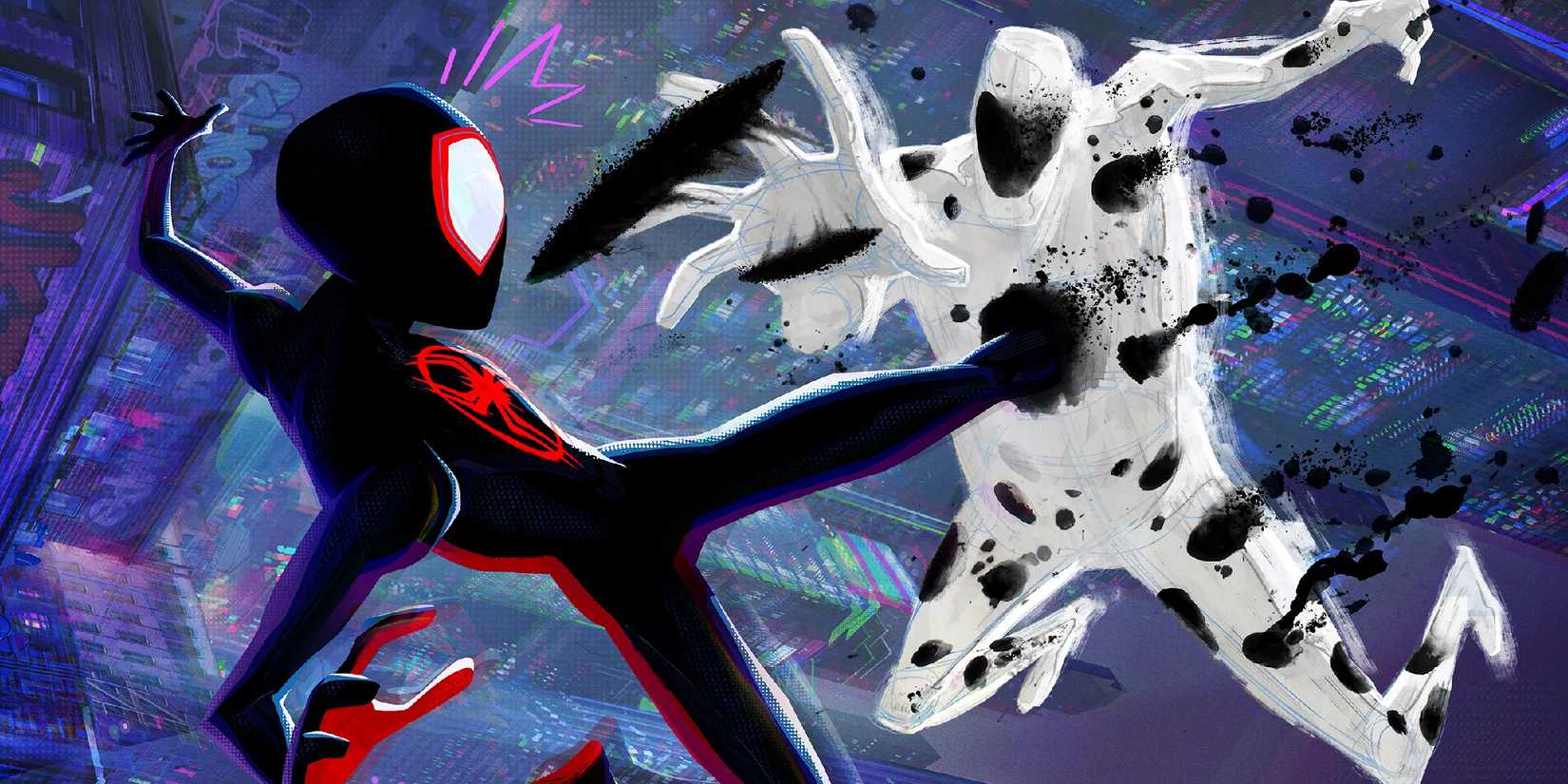
Surpassing the incredibly high bar set by its predecessor, Across the Spider-Verse is a testament to the power of artistic evolution. The 2023 sequel expands the scope of Miles Morales’ journey, introducing a dizzying array of art styles and narrative layers that explore the crushing weight of "canon" and destiny.
While the film serves as a spectacular action piece, its true brilliance lies in its emotional maturity. The central conflict—Miles fighting for his own agency against a predetermined fate—resonates on a deeply human level. It is a technical marvel that manages to be both overwhelming in its scale and incredibly intimate in its focus, proving that the Spider-Verse franchise is currently the most exciting intellectual property in Hollywood.
3. Star Wars: Episode V – The Empire Strikes Back (1980)
Letterboxd Score: 4.4/5
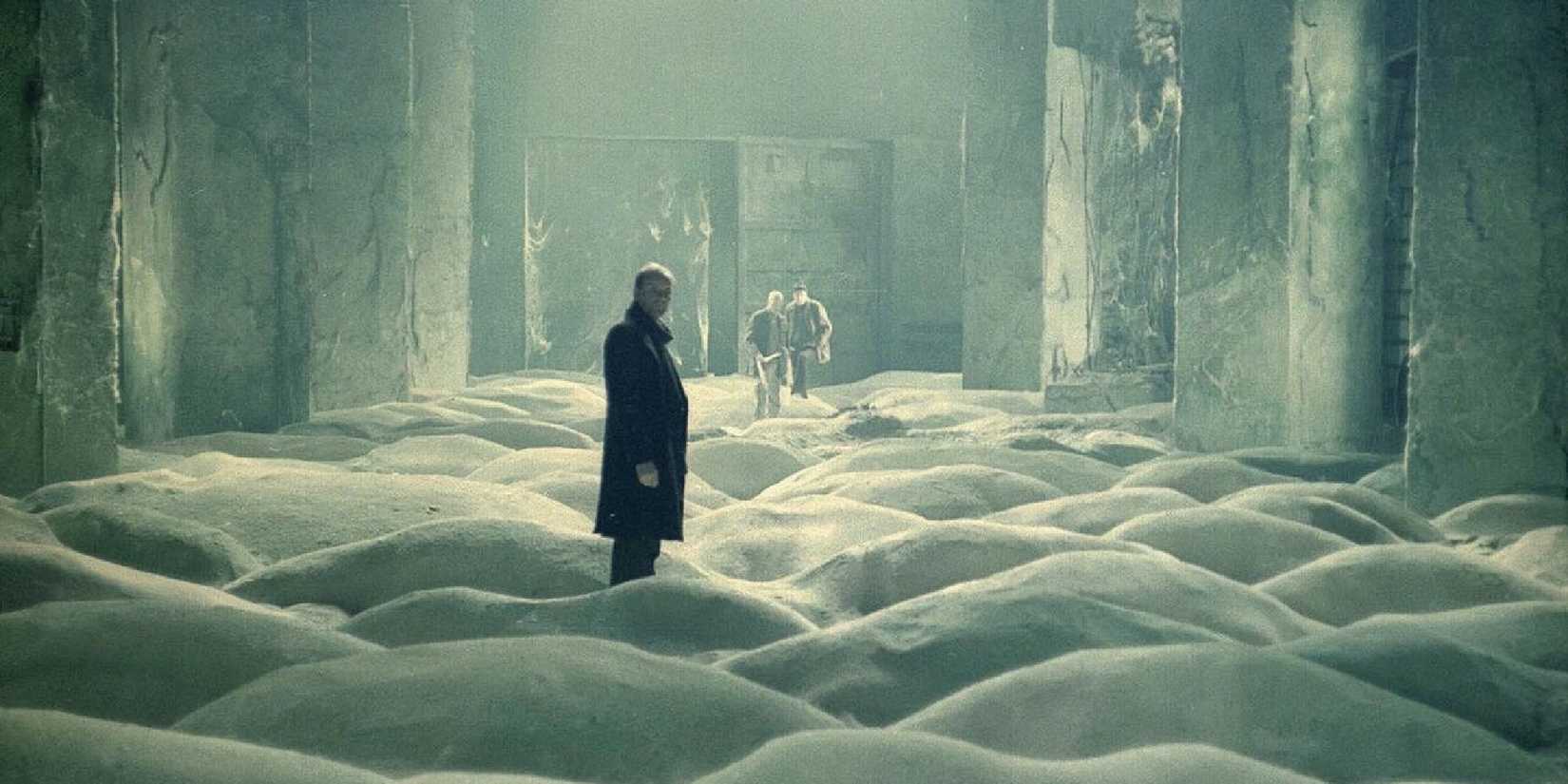
Forty-plus years after its release, The Empire Strikes Back remains the high-water mark for the space opera genre. George Lucas and director Irvin Kershner took the swashbuckling foundation of the original Star Wars and injected it with genuine tragedy, darker stakes, and a complex narrative expansion that shifted the tone of the entire trilogy.
The film is legendary for its iconic revelations and its growth of character, particularly regarding Luke Skywalker’s training and his confrontation with Darth Vader. Beyond the narrative, its technical achievements in practical effects and set design remain breathtaking. It is a perfect sequel, one that deepens the mythology of the galaxy far, far away while maintaining the sense of adventure that makes the franchise timeless.
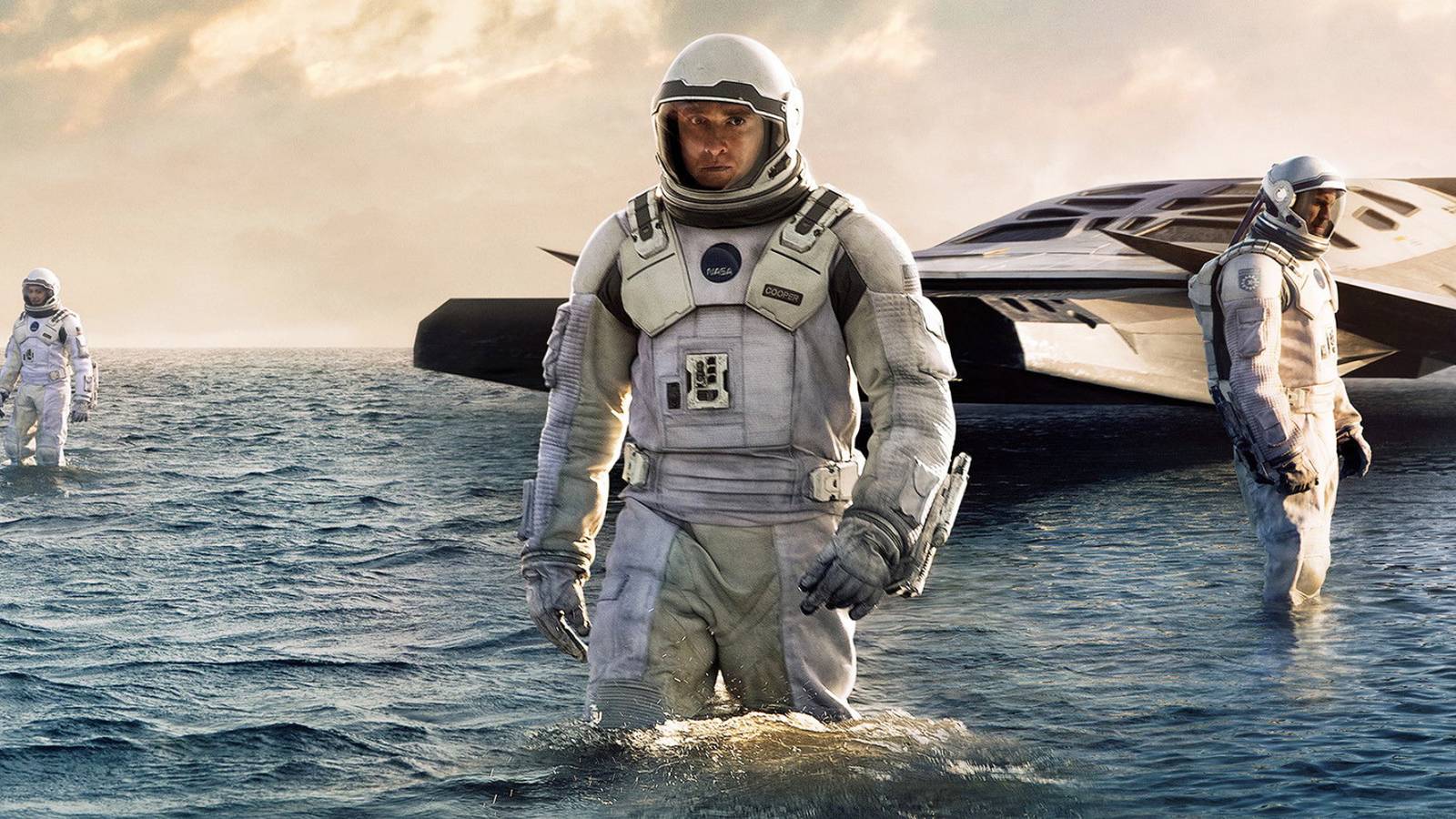
2. Interstellar (2014)
Letterboxd Score: 4.5/5
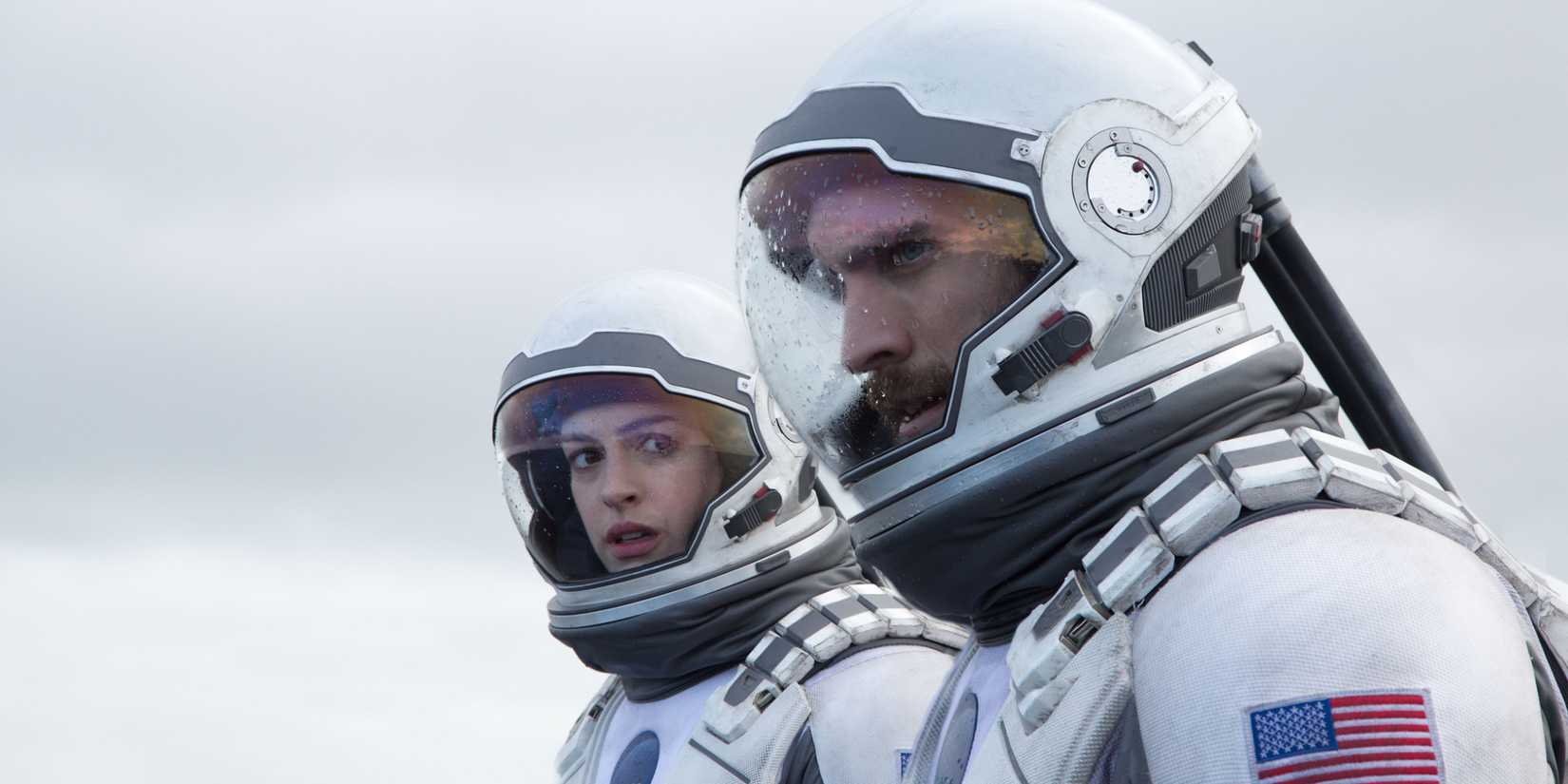
Christopher Nolan’s Interstellar is a grand, ambitious epic that attempts to bridge the gap between hard science and the irrational nature of human emotion. As Earth faces an ecological collapse, a team of explorers embarks on a journey through a wormhole to find a new home for humanity.
The film is defined by its scale—both the literal scale of black holes and relativity, and the metaphorical scale of a father’s love for his daughter. With Hans Zimmer’s organ-heavy, transcendent score and Matthew McConaughey’s vulnerable performance, Interstellar manages to make complex theoretical physics feel deeply emotional. It is a film that demands to be experienced on the largest screen possible, and its place in the top tier of sci-fi history is well-deserved.
1. Neon Genesis Evangelion: The End of Evangelion (1997)
Letterboxd Score: 4.5/5
.jpg?q=49&fit=crop&w=825&dpr=2)
Topping the list is a film that defies easy categorization. The End of Evangelion serves as the theatrical conclusion to the legendary Neon Genesis Evangelion anime series. It is a surreal, violent, and deeply nihilistic masterpiece that pushes the limits of animation as a medium for psychological exploration.
The film focuses on the Third Impact and the inner turmoil of its protagonist, Shinji Ikari, as the world around him literally and figuratively dissolves. By blending massive mecha battles with intense, avant-garde sequences exploring depression, identity, and the "Hedgehog’s Dilemma," the film leaves a permanent mark on anyone who views it. It is a bold, uncompromising end to one of the most significant series in television history and a fitting testament to the fact that, at its best, science fiction is a lens for the deepest parts of the human soul.
Chronology and Context
The selection of these films by the Letterboxd community highlights a fascinating trend: the move toward films that prioritize existential inquiry over pure escapism. While the 1980s are represented by classics like The Thing and The Empire Strikes Back, there is a clear leaning toward the 21st-century "cerebral sci-fi" movement, with titles like Interstellar and Children of Men leading the charge.
Implications of the Ranking
This list illustrates that the "Science Fiction" label is increasingly broad. Modern audiences are just as likely to praise a meditative, low-budget philosophical drama (like Stalker) as they are a high-octane multiverse action movie (like Across the Spider-Verse). The common thread among all ten films is not the presence of lasers or aliens, but the presence of a strong, singular vision—a director’s unique voice exploring what it means to be human in an increasingly complex and technological world. Whether through the lens of a dystopian future, a distant galaxy, or the internal landscape of the mind, these films continue to shape our culture, our dreams, and our understanding of the universe.

 Ali Ikhwan
 Nila Kartika Wati