Sagoh
Sagoh
By Linda Güster
Published July 16, 2026
In a significant update for the PlayStation ecosystem, Sony has officially added Assassin’s Creed: Black Flag Resynced to the PlayStation Portal’s direct cloud streaming library. This development marks a pivotal moment for the handheld device, which has spent the better part of 2026 transitioning from a niche Remote Play accessory into a robust, standalone cloud-gaming machine.
For owners of the PS Portal, the update is more than a simple library expansion; it represents the closing of a prominent gap in the device’s utility. As the most discussed title in the gaming industry over the past week, Black Flag Resynced was noticeably absent from the cloud streaming catalog at its July 9 launch, a situation that had caused growing frustration among the community. With this update, users who own the game digitally and maintain an active PS Plus Premium subscription can now experience the high-seas adventure directly on their Portal, completely untethered from their PlayStation 5 console.
The Evolution of the PlayStation Portal
To understand the significance of this update, one must first look at the trajectory of the PlayStation Portal. Launched in late 2023, the device was initially marketed strictly as a Remote Play peripheral. Its primary function was to mirror the output of a user’s PS5 console via a home Wi-Fi network. While effective for those within close proximity to their hardware, the reliance on a tethered connection to a powered-on console limited its appeal, positioning it as a luxury item for a specific subset of players rather than a versatile portable gaming solution.

The landscape shifted dramatically in November 2025, when Sony officially exited the cloud streaming beta phase for the Portal. This transition unlocked the ability for players to stream games directly from Sony’s servers, effectively turning the Portal into a cloud-based handheld. This move fundamentally altered the device’s value proposition, allowing users to access titles from the PS Plus Game Catalog, the Classics Catalog, and—crucially—their own library of purchased digital titles.
However, the rollout has not been without its teething issues. As seen with titles like Pragmata earlier this year, new releases do not always arrive on the streaming service on day one. Instead, Sony has adopted a "trickle" release model, where games are added incrementally. While this approach allows for technical stability testing, it has created a disconnect between the marketing of the device as a "cloud-capable" handheld and the reality of the library’s availability.
The Resynced Phenomenon: Why It Matters
The addition of Assassin’s Creed: Black Flag Resynced is particularly vital because of the cultural weight the title carries. The original 2013 release is widely regarded as a high-water mark for the Assassin’s Creed franchise, praised for its seamless integration of naval combat, a compelling open-world pirate setting, and a sense of absolute agency that few subsequent titles have managed to replicate.
Black Flag Resynced has, by all metrics, outperformed Ubisoft’s internal sales projections. Following a challenging period for the publisher—marked by fluctuating market interest and a series of lukewarm commercial performances—the success of this remake serves as a much-needed morale and financial boost. For fans, the game acts as a bridge between the classic era of the franchise and modern technical standards.

When the game launched on July 9, the fact that it was unavailable for cloud streaming on the Portal was a major point of contention. The community expectation was that a major AAA release should be playable via cloud on day one, especially given the device’s hardware limitations regarding native processing. By rectifying this omission, Sony has effectively acknowledged the necessity of day-and-date parity for high-profile titles.
Technical Requirements and Accessibility
For those looking to take advantage of this new functionality, there are specific prerequisites. The service remains locked behind the PlayStation Plus Premium tier. At a cost of $19.99 per month, $54.99 per quarter, or $159.99 per year, this is a significant commitment. Users on the Essential or Extra tiers of the service do not currently have access to cloud streaming, a limitation that remains a point of friction for some subscribers who feel that cloud access should be more democratized across tiers.
The user experience on the Portal has also seen a quiet overhaul. With the 2026 updates, the interface has been refined to distinguish clearly between "Remote Play" sessions—which still pull from the local PS5—and "Cloud Streaming" sessions. This distinction is vital, as it manages user expectations regarding latency, visual fidelity, and the need for a stable internet connection versus a local network connection.
Implications for Digital Ownership and PR
Beyond the technical logistics, this update lands in a period of intense scrutiny regarding digital game ownership. Sony, like many other major publishers and platform holders, has faced sustained criticism from the gaming community regarding the push toward a digital-only ecosystem. Players are increasingly concerned about the long-term accessibility of their libraries, especially as storefronts evolve and physical media becomes increasingly sidelined.
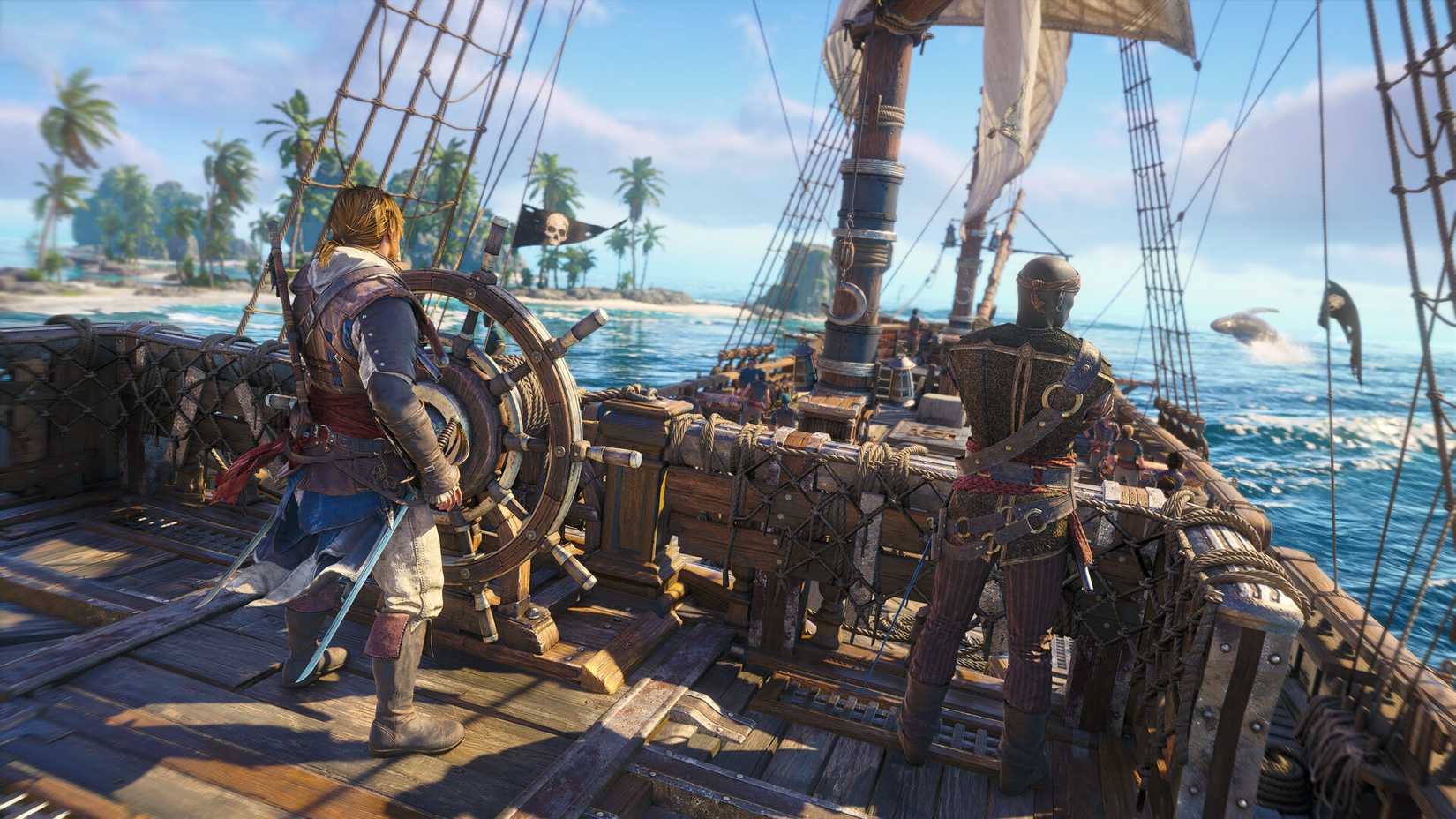
By allowing users to stream their digital purchases via the Portal, Sony is implicitly making an argument for the value of the digital ecosystem. The ability to access a title like Black Flag Resynced on a handheld device without the need to manage hardware, updates, or physical discs creates a level of convenience that is difficult to ignore. Whether this is a calculated PR move to reassure customers of their digital library’s "portability" or simply a standard library update, the timing is undeniably advantageous for Sony.
In an era where "ownership" is often reduced to a license to play, providing the infrastructure to play those games anytime, anywhere, is a tangible benefit that helps mitigate some of the consumer apprehension regarding the transition to digital-only platforms.
Looking Ahead: The Future of Cloud Streaming
The integration of Black Flag Resynced serves as a case study for how Sony intends to manage its library moving forward. The company’s focus appears to be on creating a seamless ecosystem where the device, the service, and the content are inextricably linked.
For the PlayStation Portal, the mission is clear: to evolve from a secondary peripheral into an essential companion for the PlayStation gamer. The success of this transition depends on the library. If Sony can continue to close the gap between new releases and cloud availability, the Portal will likely see an increase in adoption rates. If, however, the "trickle" of games continues to be inconsistent, the frustration of the consumer base may eventually overshadow the convenience the device offers.
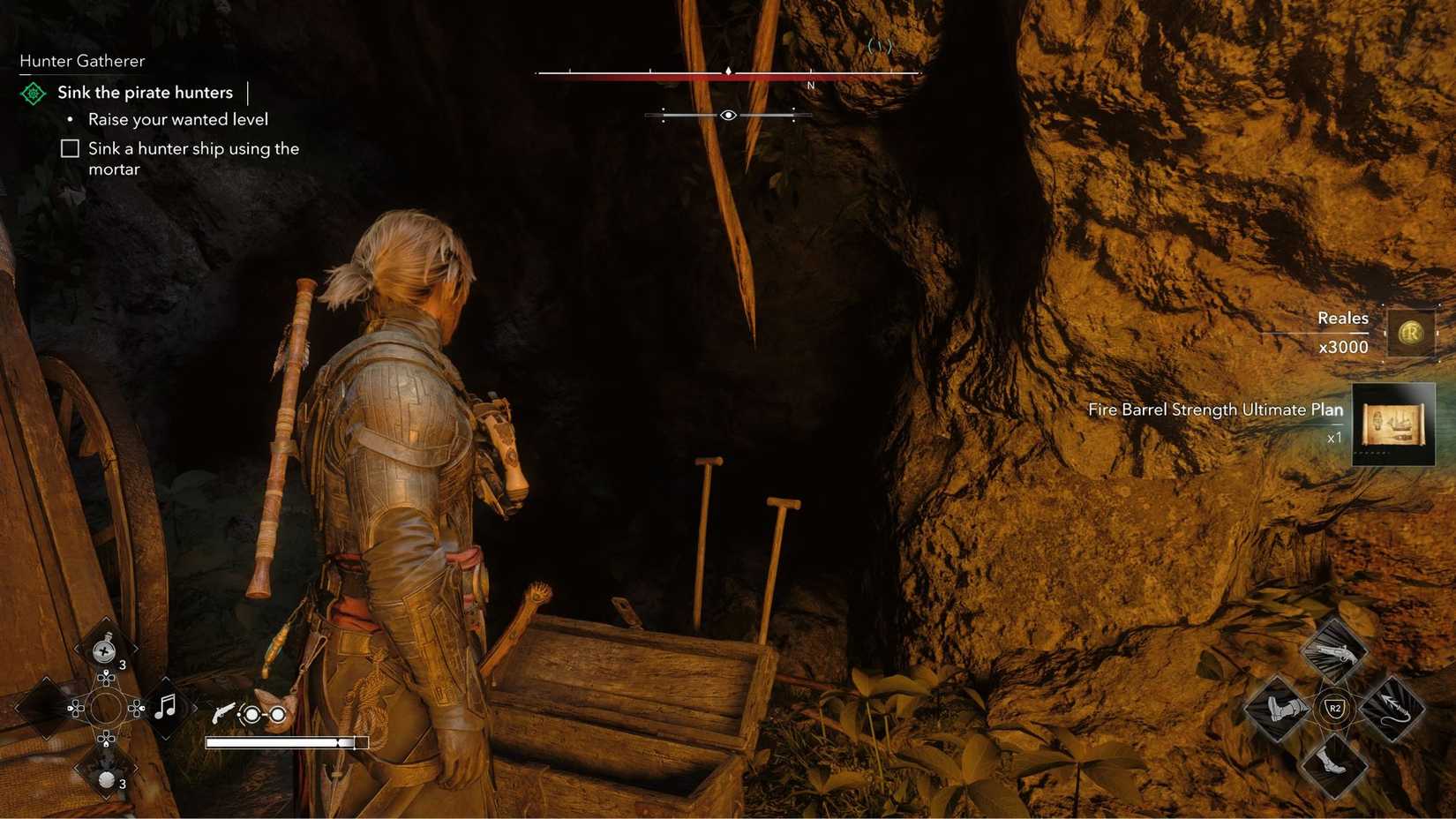
For now, the players have what they wanted. The high seas of the Caribbean are now open for exploration on the Portal, and the success of this implementation will surely be used as a metric by Sony to determine the speed at which future titles are integrated into the cloud. As we move through the latter half of 2026, the industry will be watching closely to see if this represents a permanent shift toward day-one cloud streaming availability or if it remains an exception for major releases.
Key Data Points
- Game Assassin’s Creed: Black Flag Resynced
- Developer/Publisher: Ubisoft
- Launch Date: July 9, 2026
- Service Requirement: PS Plus Premium Subscription
- Platform: PlayStation Portal (Cloud Streaming)
- Pricing (US): $59.99 (Standard digital purchase)
- Cloud Library Scale: Approximately 3,000 titles currently supported.
As of today, the path is clear for those who have invested in the Portal ecosystem. The digital library is more accessible than ever, and for the fans of Assassin’s Creed, the ability to take the latest, most discussed entry in the series on the go is a testament to how far the cloud-streaming infrastructure has come in such a short time. Whether this sets a new standard for the industry remains to be seen, but for the moment, the winds are firmly in the sails of the PlayStation Portal.


 Pevita Pearce
 Lina Irawan