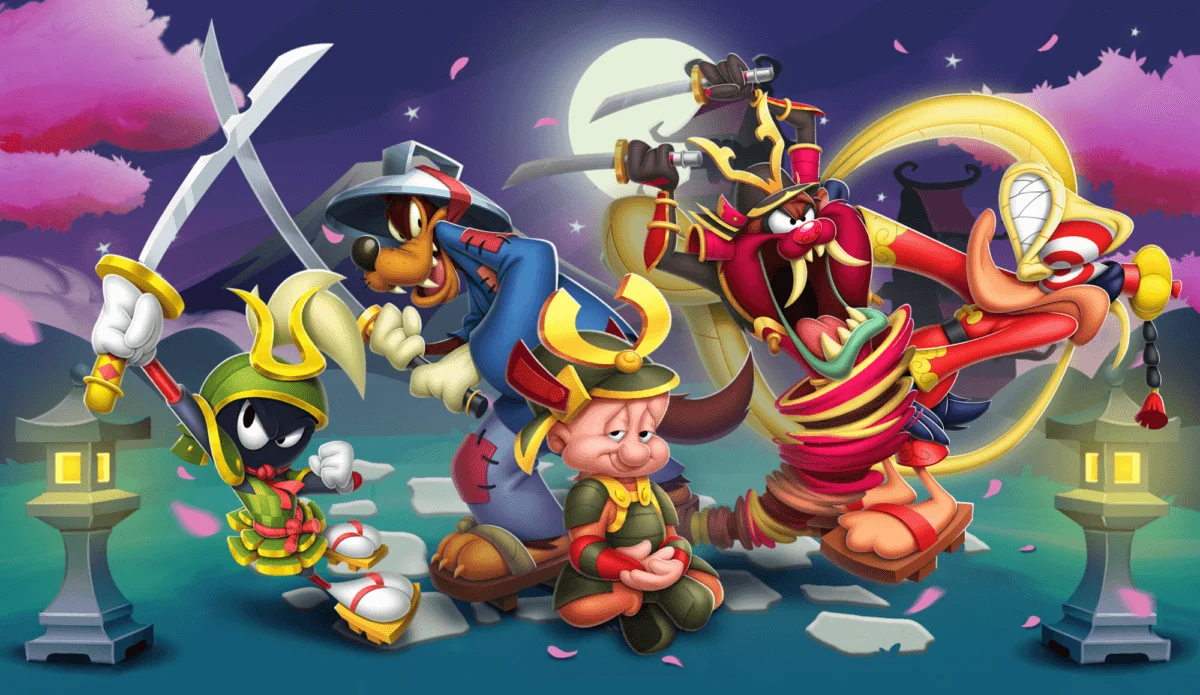
Los Angeles, CA – [Current Date] – After nearly eight years of zany antics, strategic battles, and community building, Looney Tunes: World of Mayhem, the popular free-to-play mobile title, is slated for a complete shutdown on October 15, 2026. Developed by Aquiris Game Studio and published by mobile gaming giant Scopely, the decision marks the end of an era for countless players who have spent years collecting beloved Looney Tunes characters and engaging in its unique brand of cartoon chaos. This announcement sends ripples through its dedicated player base and further highlights the inherent impermanence of the live-service mobile gaming model.
The news, initially conveyed through a blog post on the game’s official website, outlines a phased decommissioning process, beginning with the cessation of new content and in-game purchases, leading up to the final server closure. While players are offered a lengthy grace period to enjoy their remaining time in the game, the emotional farewell from the development team underscores the profound impact such shutdowns have on digital communities.
The Farewell: Official Responses and Community Impact
The official announcement, delivered via a heartfelt blog post on the Looney Tunes: World of Mayhem website, sought to soften the blow for its loyal player base. Titled "An Update on Looney Tunes: World of Mayhem," the message acknowledged the deep connections forged within the game’s ecosystem. "This isn’t an easy goodbye," the post began, setting a somber tone. "For years, this community has built alliances that turned into real friendships, fought through wars together, and enjoyed plenty of laughs along the way."
The developers emphasized the human element behind the digital interactions: "We’ve watched Toonsters grow from strangers into teammates, and from teammates into true friends. We don’t take that lightly, and it’s with real sadness that we say goodbye to this wonderful community." This sentiment resonates deeply with players of live-service games, where guilds, alliances, and in-game chat often foster genuine social bonds that extend beyond the virtual realm. The loss is not merely of a game, but of a shared experience and a digital gathering place.
While the exact reasons for the shutdown were not explicitly detailed in the public statement, such farewell messages are common in the industry, often citing evolving market conditions, declining player engagement, or strategic shifts. For the players, however, the practical implications are significant. Years of effort, strategic planning, and often financial investment in acquiring rare characters, upgrading their rosters, and participating in seasonal events will ultimately vanish. The blog post did, however, promise "giveaways and free items" until the shutdown date, a common practice designed to offer a final gesture of appreciation and allow players to experience content they might have missed without further monetary commitment.
The response from the community has been a mixture of sadness, nostalgia, and frustration. Many players took to social media platforms and forums to express their disappointment, sharing anecdotes of their favorite characters, epic battles, and the friendships they cultivated. While understanding that all digital products have a lifecycle, the finality of a server shutdown often leaves a void, especially for those who have invested substantial time and emotion. The lack of an offline mode, a recurring point of contention in such scenarios, means the entire experience will become inaccessible, a digital ghost in the machine.
Chronology of the Shutdown
The decommissioning of Looney Tunes: World of Mayhem will follow a carefully staggered timeline, designed to manage the transition for both players and the operational teams:
- August 16, 2026: This date marks a critical turning point. All in-game purchases will be disabled, preventing players from spending any further real money within the game. Simultaneously, the game’s official social media channels, which have served as vital hubs for updates, community engagement, and customer interaction, will be deactivated. This signals the end of direct marketing and community outreach for the title.
- August 23, 2026: The game will be officially removed from all app stores, including the Apple App Store and Google Play Store. New players will no longer be able to download the game, and existing players who uninstall it will not be able to reinstall it. This effectively halts any new player acquisition and begins the final countdown for existing users.
- October 15, 2026: The final and irreversible date. On this day, the game’s servers will be permanently shut down. All player data, progress, and access to the game content will cease. Player support channels will also become inactive, marking the complete cessation of all official operations for Looney Tunes: World of Mayhem.
This structured approach is standard for live-service game shutdowns, allowing time for players to process the news, utilize any remaining in-game currency, and say their goodbyes, while also giving the publishers and developers time to wind down operations responsibly.
A Retrospective: Looney Tunes: World of Mayhem’s Journey
Launched in 2018, Looney Tunes: World of Mayhem entered a crowded mobile gaming market, seeking to carve out its niche by leveraging one of the most iconic and beloved animated franchises in history. The game tapped into the rich universe of Warner Bros.’ Looney Tunes, featuring a vast roster of characters from Bugs Bunny and Daffy Duck to Marvin the Martian and Yosemite Sam, each rendered with authentic cartoon charm.
Gameplay Mechanics and Appeal: At its core, Looney Tunes: World of Mayhem was a turn-based RPG with gacha elements. Players collected "Toons," each possessing unique abilities, attack animations, and roles (attacker, defender, supporter). The primary loop involved:
- Collecting Characters: Utilizing an in-game gacha system, players would unlock new Toons, character pieces, and resources. The allure of collecting all their favorite characters, from common ones to legendary variants, was a significant draw.
- Building Teams: Strategic team composition was key, as players assembled squads of four Toons to engage in battles. Synergies between character abilities and elemental types added layers of depth.
- Combat: Battles were fast-paced, turn-based affairs, often featuring humorous, over-the-top animations true to the Looney Tunes spirit. Players would activate special attacks and abilities, aiming to outwit their opponents.
- Base Building/Resource Management: Beyond combat, players managed a "Toon Town," a customizable hub where they could construct buildings, harvest resources, and send their Toons on tasks to gather materials needed for upgrades.
- Player-vs-Player (PvP): A robust PvP system allowed players to challenge each other’s teams in arenas, climbing leaderboards and earning rewards. This competitive aspect fueled long-term engagement.
- Guilds and Alliances: The game featured a strong social component through guilds (referred to as Alliances), allowing players to collaborate on challenges, share resources, and strategize together, fostering the very friendships highlighted in the shutdown announcement.
Monetization Model: As a free-to-play title, Looney Tunes: World of Mayhem relied on in-app purchases (IAPs) and a gacha-based monetization strategy. Players could spend real money to acquire premium in-game currency, which could then be used to speed up progress, purchase rare character shards, or unlock exclusive content. While offering a complete experience for free players, the IAPs provided shortcuts and access to more powerful characters, a common model in the mobile gaming landscape.
Live Service Evolution: Over its nearly eight-year lifespan, the game received consistent updates, introducing new Looney Tunes characters, themed events, seasonal challenges, and gameplay refinements. These regular content drops were crucial for retaining player interest and providing fresh objectives, transforming the game into a dynamic live service experience. The development team worked to keep the game relevant and engaging, adapting to player feedback and industry trends. The enduring appeal of the Looney Tunes brand undoubtedly contributed to its longevity, drawing in both nostalgic adults and younger players familiar with the classic cartoons.
The Broader Trend: Supporting Data and Industry Implications
The shutdown of Looney Tunes: World of Mayhem is far from an isolated incident; it joins a rapidly expanding list of live-service mobile games that have reached the end of their operational lifespan. This trend underscores the volatile nature of the mobile gaming market and the inherent challenges of sustaining long-term engagement and profitability in a competitive, ever-evolving landscape.
Recent Precedents: Just last week, Nintendo announced the impending closure of Mario Kart Tour, slated to go offline in September 2026. Like Looney Tunes: World of Mayhem, no specific reason for its cessation was provided, and crucially, no offline version will be made available. This decision mirrors a pattern where digital-only experiences are simply removed, leaving players with no access to content they may have invested heavily in. In contrast, Nintendo’s Animal Crossing: Pocket Camp, which is also shutting down in 2024, will reportedly receive a limited offline version, allowing players to retain some aspects of their progress and design choices, a small but significant concession to player sentiment and digital preservation. Other notable shutdowns include Apex Legends Mobile, Battlefield Mobile, and numerous other titles across various genres, all succumbing to similar market pressures.
Why Do Mobile Games Shut Down? The reasons behind these decisions are multifaceted and often intersect:
- Declining Player Base and Engagement: Maintaining a live-service game requires a critical mass of active players. If engagement dwindles, the cost of server maintenance, ongoing development, and customer support can outweigh the revenue generated.
- Revenue Targets Not Met: Even with a substantial player base, if monetization strategies fail to meet publishers’ financial expectations, a game can be deemed unsustainable. The "whales" (high-spending players) are crucial in the free-to-play model, and if their numbers decline, revenue suffers.
- Evolving Market and Competition: The mobile gaming market is fiercely competitive, with new titles constantly vying for players’ attention and wallets. Older games may struggle to compete with newer, technologically advanced, or more innovative offerings.
- Cost of Maintenance and Updates: Live-service games require continuous investment in content updates, bug fixes, security patches, and server infrastructure. This can be a substantial ongoing expense.
- Publisher Strategic Shifts: Publishers like Scopely often manage vast portfolios. They may decide to reallocate resources to more promising titles, new ventures, or focus on specific genres where they see greater growth potential.
- Licensing Agreements: For IP-based games like Looney Tunes: World of Mayhem, licensing agreements with the IP holder (Warner Bros. in this case) have finite terms. If renewal costs are too high, or if the IP holder wishes to pursue other ventures, it can lead to a shutdown.
- Developer Changes: As will be discussed, changes in the development studio’s ownership or focus can also directly impact a game’s future.
Impact on Players and Digital Ownership: For players, these shutdowns represent a significant loss. Beyond the emotional attachment to the game and its community, there’s the very real issue of financial investment. Players often spend hundreds or even thousands of dollars on in-game purchases, believing they are acquiring something tangible, only to have it disappear when the servers go offline. This raises fundamental questions about digital ownership and consumer rights in the age of live-service, always-online gaming. The industry largely operates on a "license to play" model, where players never truly own the digital assets, but merely rent access to them.
The absence of offline modes further exacerbates this issue, leading to calls for better digital preservation. When a game vanishes entirely, a piece of gaming history and cultural interaction is lost.
The Business Perspective: Scopely and Aquiris
The partnership between Aquiris Game Studio (developer) and Scopely (publisher) was central to Looney Tunes: World of Mayhem‘s existence. Understanding their respective roles and recent developments provides crucial context for the shutdown.
Scopely’s Strategy: Scopely is a prominent mobile game publisher known for its aggressive growth strategy, which includes developing new titles, acquiring successful studios, and licensing major IPs. Their portfolio includes other highly successful games like Marvel Strike Force, Star Trek Fleet Command, and Monopoly Go!. For Scopely, the decision to shut down a game is purely a business one, driven by metrics such as return on investment, player lifetime value, and portfolio optimization. If Looney Tunes: World of Mayhem was no longer meeting its performance benchmarks or aligning with Scopely’s broader strategic vision, its discontinuation would be a logical, albeit difficult, business move. The company constantly evaluates its portfolio, divesting from underperforming assets to focus on those with higher growth potential.
Aquiris and Epic Games Acquisition: A critical, unstated factor in this shutdown likely stems from the developer, Aquiris Game Studio. In April 2023, the Brazilian studio Aquiris was acquired by Epic Games and subsequently rebranded as Epic Games Brazil. Before the acquisition, Aquiris had a diverse portfolio, including Horizon Chase Turbo and Wonderbox. Post-acquisition, their primary focus shifted to contributing to Epic’s flagship titles, notably Rocket League Sideswipe and Fortnite.
This acquisition fundamentally altered the relationship between Aquiris (now Epic Games Brazil) and Scopely. When a developer is acquired by a major player like Epic Games, their resources and strategic direction are typically realigned to serve the new parent company’s objectives. It’s highly probable that Epic Games Brazil’s development capabilities were redirected away from Looney Tunes: World of Mayhem to work on Epic’s internal projects. This would leave Scopely without its original development partner, forcing them to either find a new studio to take over maintenance and content creation (a costly and complex endeavor for an aging title) or to make the difficult decision to shut the game down. The timeline aligns, with the acquisition happening in April 2023 and the shutdown announced for 2026, giving Scopely time to manage the transition or make the inevitable decision. This scenario provides a compelling and likely explanation for the game’s ultimate demise, beyond just declining player numbers.
The convergence of Scopely’s portfolio management and Aquiris’s acquisition by Epic Games paints a clear picture of the underlying business forces at play, which often dictate the fate of live-service titles far more than player sentiment alone.
Looking Ahead: The Future of Mobile Gaming and Live Services
The impending shutdown of Looney Tunes: World of Mayhem serves as another stark reminder of the transient nature of digital entertainment, particularly within the live-service mobile gaming sector. As the industry continues to evolve at a rapid pace, several implications arise for both developers and players.
For Developers and Publishers: The trend highlights the immense pressure to constantly innovate and deliver compelling content to maintain player engagement and profitability. It reinforces the need for robust long-term strategies, careful resource allocation, and a clear understanding of market dynamics. While IP-based games offer a strong initial draw, their longevity still depends on solid gameplay, fair monetization, and a thriving community. The challenge of maintaining older titles while simultaneously developing new ones will only intensify, forcing more difficult decisions about portfolio management. Furthermore, the increasing consolidation of the industry, as seen with Epic’s acquisition of Aquiris, suggests that development resources will increasingly be concentrated on fewer, larger titles backed by major platforms.
For Players: The experience of Looney Tunes: World of Mayhem and its contemporaries underscores the importance of tempering expectations regarding the permanence of live-service games. Players are increasingly becoming aware that their digital investments, both in time and money, are subject to the lifespan of a server. This awareness may lead to more discerning choices about which games to invest in, potentially favoring titles with clearer long-term roadmaps or, where available, offline modes that offer some form of preservation. The growing demand for digital preservation in gaming is likely to continue, pushing for solutions that allow access to these experiences even after official support ends. The emotional cost of losing a beloved game and its community is significant, and while the industry may view these shutdowns as business necessities, for players, it’s often a personal loss.
Ultimately, the mobile gaming landscape will continue to be a dynamic arena of innovation and competition. While Looney Tunes: World of Mayhem prepares for its final bow, its story adds another chapter to the ongoing narrative of live-service games, reminding us that even the most beloved digital worlds eventually fade, leaving behind memories, friendships, and valuable lessons for the future of interactive entertainment.
Conclusion
The announcement of Looney Tunes: World of Mayhem‘s shutdown on October 15, 2026, marks a poignant moment for its dedicated player base and serves as a significant case study within the broader context of the mobile gaming industry. From its vibrant launch in 2018, leveraging the timeless appeal of the Looney Tunes universe, the game fostered a lively community and offered a unique blend of turn-based RPG combat and character collection.
However, the relentless pressures of the free-to-play live-service model, coupled with strategic shifts at both the publisher (Scopely) and developer (Aquiris, now Epic Games Brazil) levels, have ultimately led to its planned decommissioning. This mirrors a growing trend in the industry, where even popular titles like Mario Kart Tour face similar fates, highlighting the impermanence of digital experiences that rely on ongoing server support.
As players prepare to bid farewell to their Toonsters and alliances, the shutdown prompts critical reflections on digital ownership, the emotional investment in online communities, and the future sustainability of live-service games. While the virtual world of Mayhem will soon go dark, the laughter, strategies, and friendships forged within it will undoubtedly remain a cherished memory for many, serving as a testament to the powerful, albeit transient, nature of modern gaming.