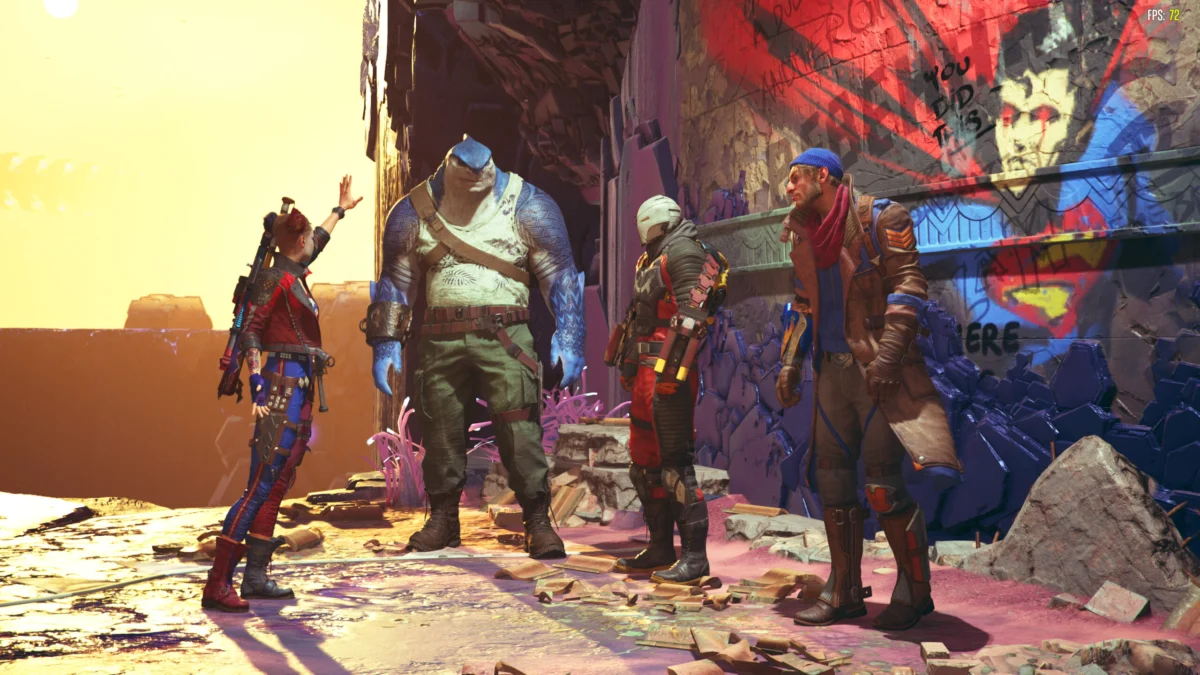
The recent revelation that Suicide Squad: Kill the Justice League resulted in a staggering $200 million loss for Warner Bros. Discovery served as a grim punctuation mark on one of the most polarizing releases in recent gaming history. For many players, the title—developed by the once-revered Rocksteady Studios—felt like a hollow product, a live-service experiment that prioritized "engagement metrics" over the narrative craftsmanship that defined the studio’s Batman: Arkham legacy.
However, the human cost behind this financial disaster is only now coming to light. A harrowing new report from Bloomberg featuring testimonials from former Rocksteady developers Axel Rydby and Johnny Armstrong paints a picture of a studio caught in a death spiral, where the creative spirit was systematically dismantled by the rigid demands of corporate spreadsheet management.
The Mirage of Success: From Arkham to Oblivion
To understand the collapse, one must look at the trajectory of Rocksteady Studios. For over a decade, the London-based developer was the gold standard for superhero gaming. The Arkham trilogy wasn’t just a series of successful action games; it was a cultural phenomenon that redefined how comic book characters could be adapted into interactive media.
When Rocksteady pivoted to Suicide Squad: Kill the Justice League, the internal atmosphere was one of misplaced confidence. "There was definitely a sense when we first moved on to it—arrogance is the wrong word, but a confidence," Armstrong recalls. "We’re coming back off hit after hit. Of course, we’ll be able to do this."
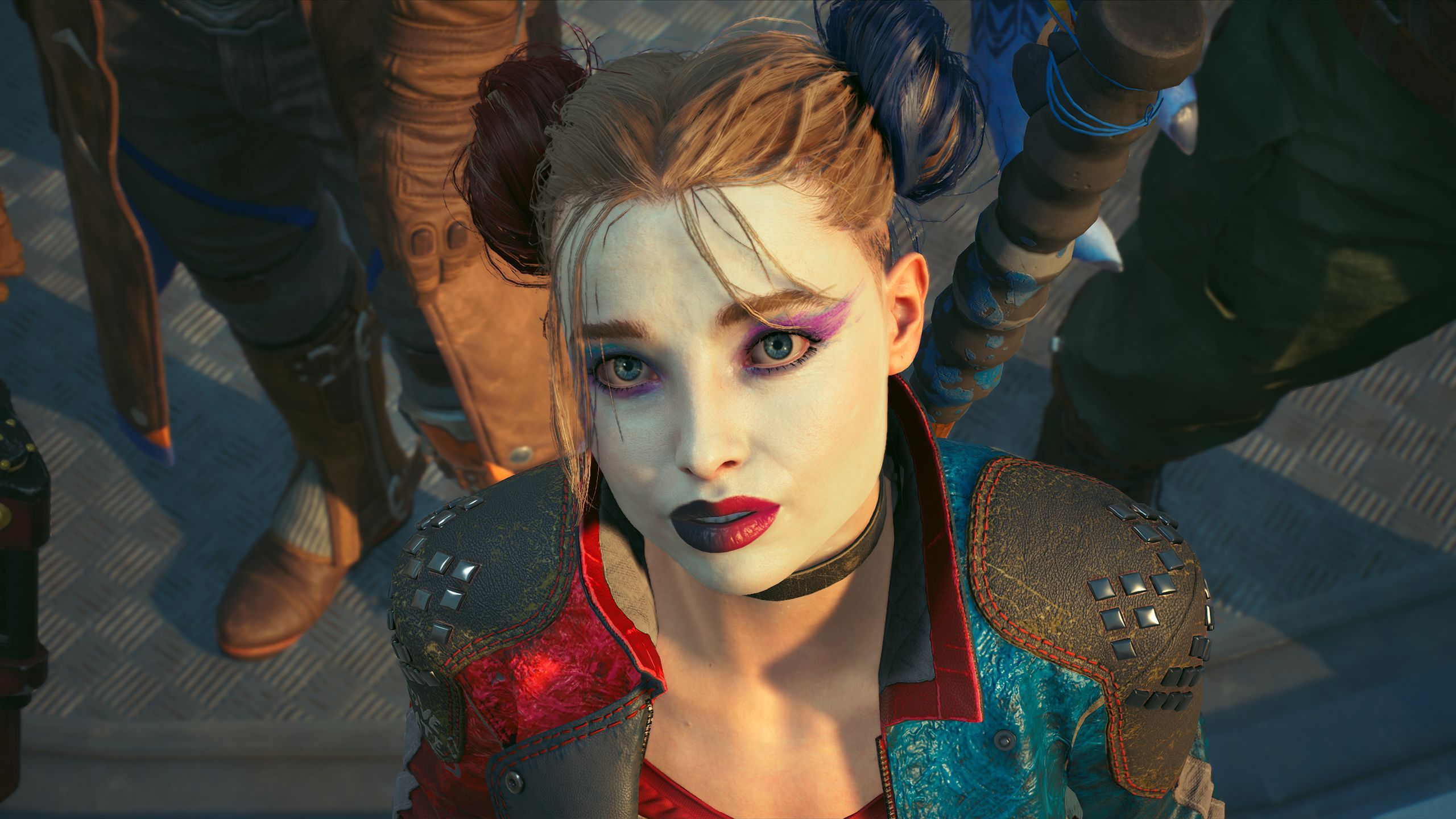
But the transition from single-player narrative masterpieces to a persistent, online-only live-service model proved to be a fundamental miscalculation. As delays mounted and the development cycle stretched, the studio’s autonomy was slowly eroded. What began as a passion project for a talented team eventually devolved into a frantic attempt to appease shareholders, turning the development process into a high-stakes, soul-crushing exercise in corporate compliance.
Chronology of a Crisis
The development lifecycle of Suicide Squad was marred by a disconnect between the creative team on the floor and the executive suites in Burbank.
- The Inception Phase: Initially conceived as a ambitious expansion of the Arkhamverse, the game aimed to leverage the popularity of the Suicide Squad property.
- The Live-Service Pivot: Mid-development, the industry trend toward "games as a service" (GaaS) reached its peak. Under pressure to maximize recurring revenue, the project was forced into a structural overhaul to incorporate looter-shooter elements, daily challenges, and a rotating battle pass system.
- The Delay Cycle: As technical hurdles and design friction grew, the game suffered multiple delays. These weren’t just extra months of polish; they were periods of mounting financial pressure. Every additional month of development increased the "burn rate" of the studio’s budget.
- The Final Stretch: In the final six months leading up to launch, developers were reportedly tasked with performing "miracles" within impossible constraints. "Six months isn’t enough to do any fundamental changes," Rydby notes. "That’s just enough to fix as many bugs as you can and see if you can squeeze in a bit of feature tweaks here and there."
Supporting Data: The Cost of Disconnection
The $200 million loss figure is not just a line item in a quarterly earnings report; it is an indictment of a specific brand of corporate management. The irony is that the cost of Suicide Squad exceeded the production budget of the 2016 Suicide Squad film, yet the game failed to capture even a fraction of the sustained engagement the studio—and its parent company—anticipated.
The data suggests a fundamental misunderstanding of the target audience. While executives pushed for "replayability" through grind-heavy mechanics, the players were looking for the same tight, focused, and high-quality storytelling that Rocksteady had built its reputation on. When the product launched, the reception was lukewarm at best. The "hit-and-miss" humor, combined with a core gameplay loop that felt more like a chore than a challenge, led to a rapid evaporation of the player base.
The Human Toll: "Running to Stand Still"
Perhaps the most damaging aspect of the project was the psychological toll on the staff. The shift from "making a game" to "following a spreadsheet" created an environment of futility.
"I was following a spreadsheet, some elusive marketing-analysis spreadsheet that no one could present clearly," Rydby explains. "I kind of felt like this isn’t the gaming industry I wanted to work in."
This sentiment is echoed by Armstrong, who described the atmosphere as a "culture shift" where the team felt as though they were "having to run to stand still." The relentless pressure to answer unanswerable questions—such as how to quantify the "reach" of a specific feature or how to force replayability into a narrative-heavy design—eventually led to burnout. For many, the joy of development was replaced by a sense of impending dread. "I felt everything drained from me," Armstrong says. "I said, ‘I can’t do this again. I don’t know if I’m done with the industry, but I’m done.’"
Implications: A Call for Industry Reform
The departure of talents like Armstrong and Rydby, who have since moved on to form their own independent studio to create an RPG deckbuilder titled Secret of Circadia, is a symptom of a larger malaise in the AAA gaming sector.
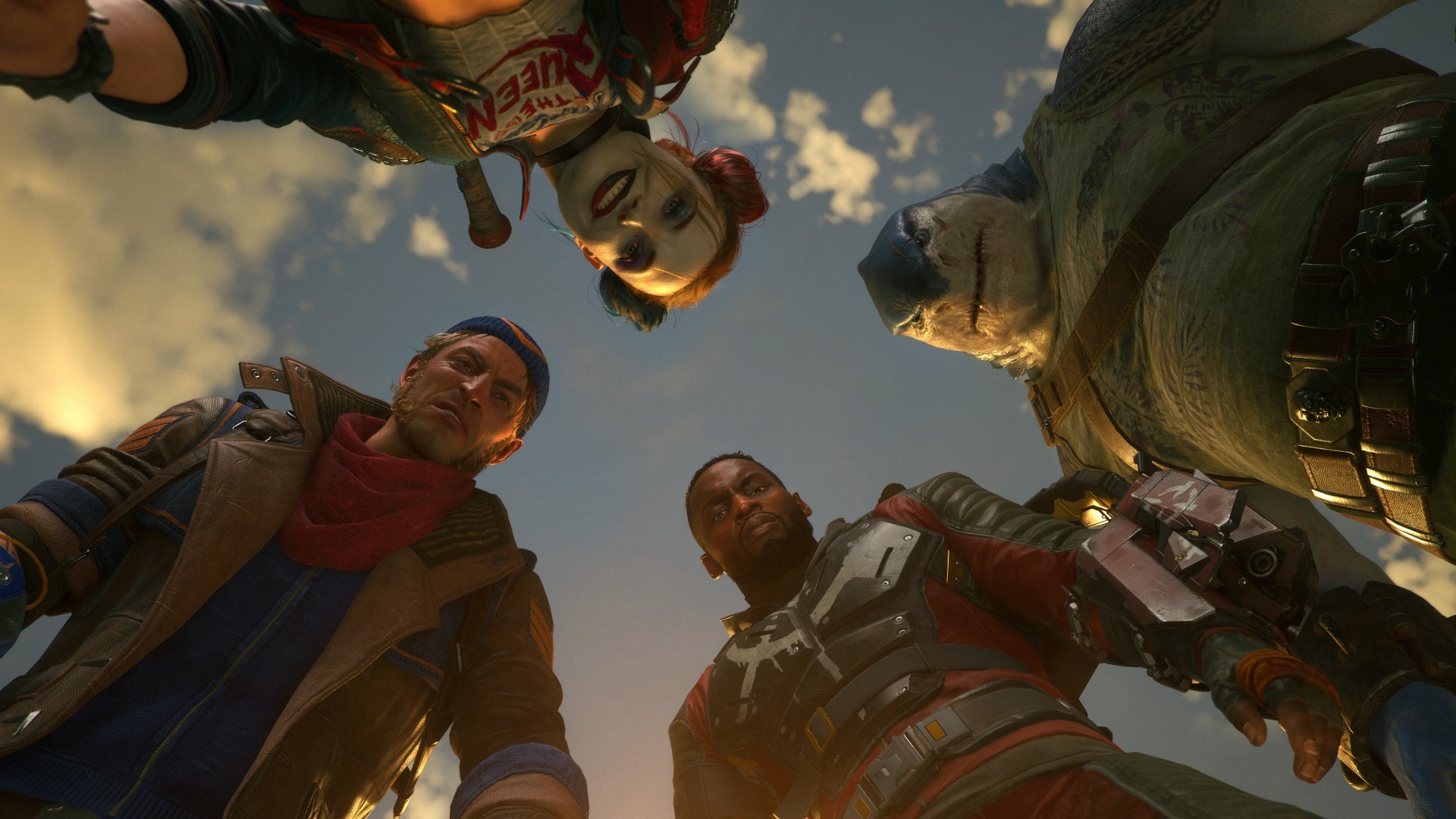
The industry is currently facing an identity crisis. The "live-service" gold rush has led to a glut of products designed for retention rather than enjoyment. When games are treated as platforms for microtransactions rather than creative expressions, the result is often a sterile, derivative product that satisfies no one—not the players, and certainly not the developers.
Larian Studios CEO Swen Vincke famously challenged the industry during his acceptance speech at The Game Awards, arguing that the formula for success is deceptively simple: "A studio makes a game because they want to make a game they want to play themselves." The failure of Suicide Squad reinforces this philosophy. It proves that no amount of marketing analysis, engagement metrics, or executive mandates can replace the raw, unquantifiable passion of a team that cares about the product they are creating.
Looking Forward: Can the Suits Learn?
The question remains: has the industry learned its lesson? While the $200 million loss is a massive wake-up call for Warner Bros. and other major publishers, the systemic reliance on GaaS models remains entrenched.
True reform requires a fundamental shift in how creative studios are managed. It requires giving developers the time and the space to take risks, to fail, and to iterate on ideas that are born from passion rather than a desire to "squeeze" engagement. If the lessons of the Suicide Squad disaster are ignored, the industry risks losing more of its most talented creators to the indie space, further hollowing out the AAA ecosystem.
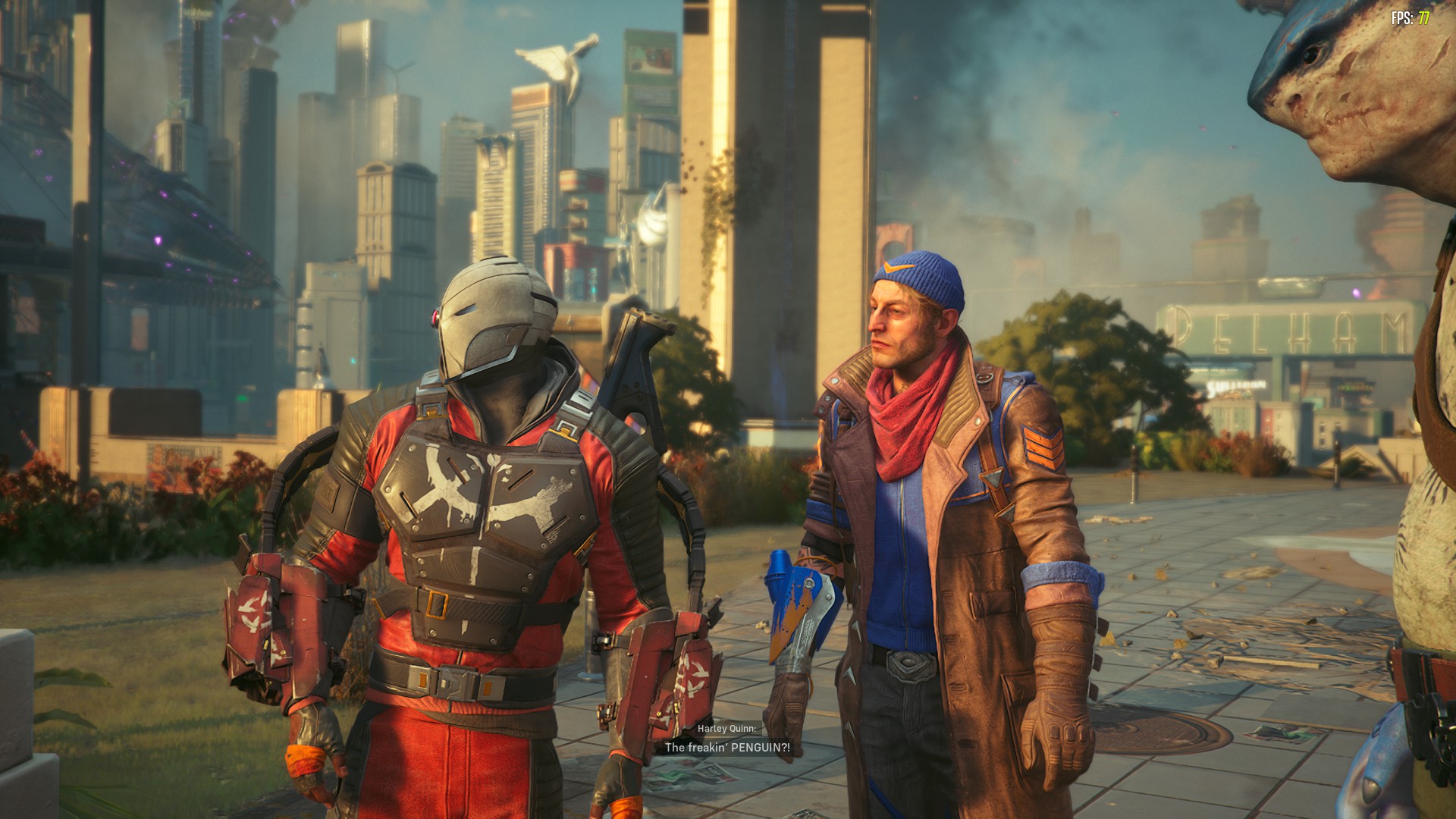
Ultimately, the story of Suicide Squad: Kill the Justice League is a cautionary tale. It is a reminder that in the quest for an "infinite money machine," corporations often forget that the value of a game is not found in the spreadsheet, but in the experience of the person holding the controller. Until the power balance shifts back toward the creators, we are likely to see more "monuments to failure"—games that were designed to last forever, but were never truly meant to be loved.