

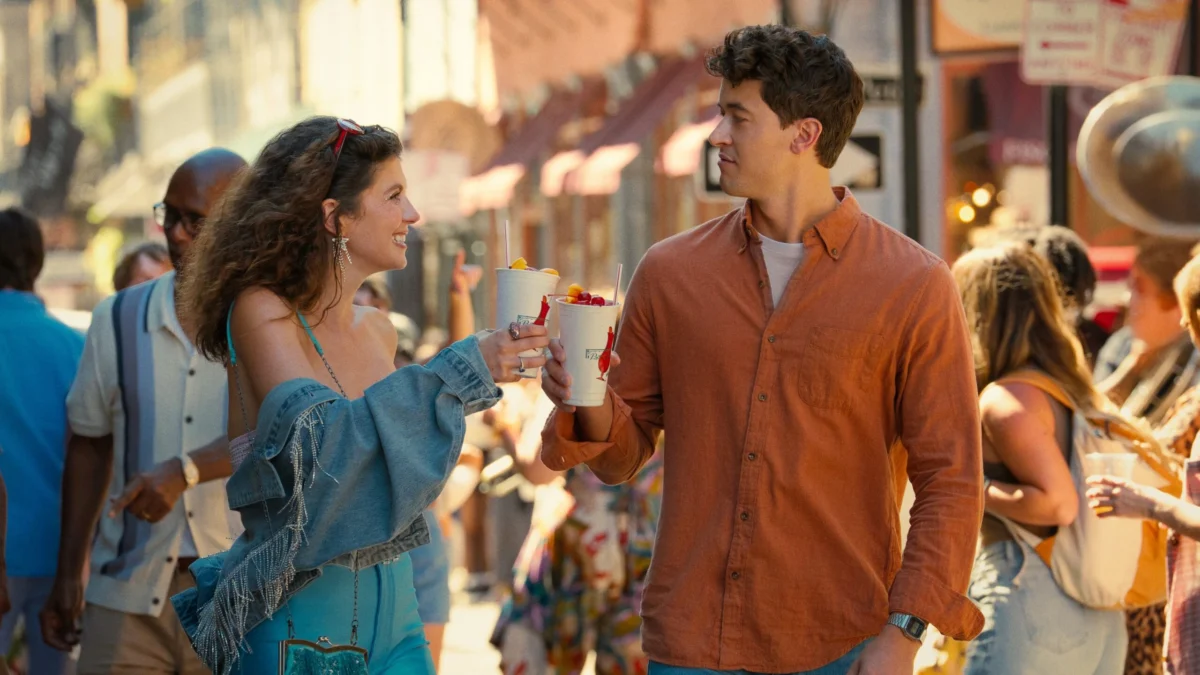
As 2026 hits its stride, the cinematic landscape has been dominated by a singular, breezy phenomenon: the adaptation of Emily Henry’s 2021 literary juggernaut, People We Meet on Vacation. The film, which has rapidly cemented itself as the definitive romantic comedy of the year, has turned into a massive streaming success for Netflix, drawing viewers in with its nostalgic warmth, vibrant color palettes, and a central chemistry that feels both lived-in and electric.
The Cultural Impact of the Poppy and Alex Phenomenon
The film follows the journey of Poppy (Emily Bader) and Alex (Tom Blyth), two polar opposites who have maintained a tradition of taking a summer vacation together for a decade. Despite their undeniable connection, the pair spent years dancing around the gravitational pull of their romantic feelings for one another.
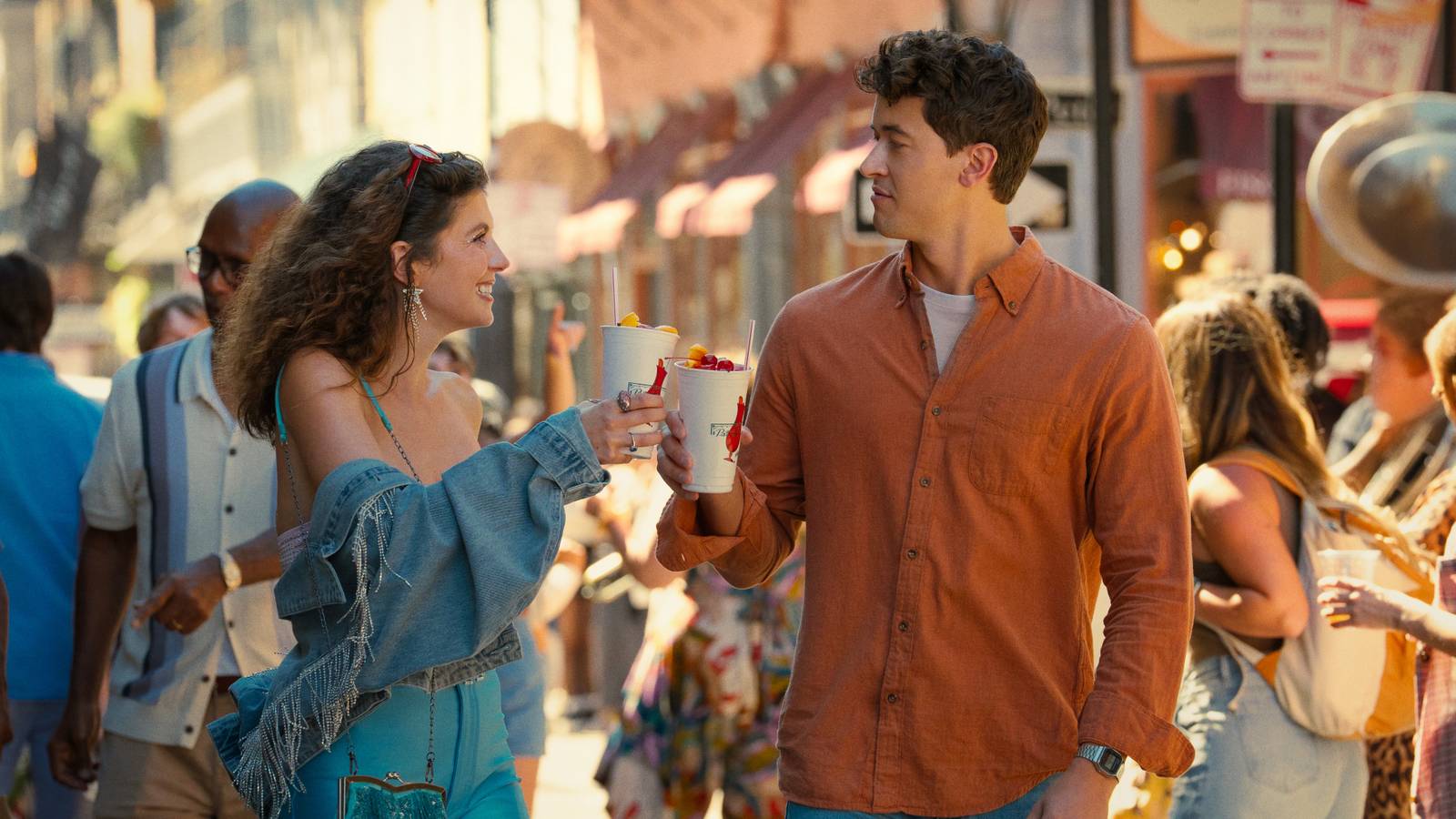
The film’s success isn’t merely a byproduct of its source material’s existing fanbase. Critics and audiences alike have pointed to the production’s high-saturation visual aesthetic and the immediately viral New Orleans dance sequence as key factors in its "instant classic" status. By grounding the "friends-to-lovers" trope in a non-linear timeline—shuttling between past summer trips and the present day—the film creates a unique emotional architecture that rewards patient viewers. It has effectively become the year’s most discussed title, proving that the appetite for grounded, character-driven romance remains insatiable.
A Chronology of the "Friends-to-Lovers" Revival
The resurgence of the high-quality romantic comedy in the 2020s has been a slow-burning trend that reached a boiling point with this year’s release.
- 2018-2019: The "streaming rom-com" era began in earnest with hits like Set It Up, which signaled a shift away from the cynical, gritty romantic dramas of the early 2010s and toward a more optimistic, "post-rom-com" sensibility.
- 2020-2023: High-concept romances like Palm Springs and Rye Lane began experimenting with genre-bending (sci-fi time loops and stylistic, colorful cinematography), paving the way for the visual flair seen in People We Meet on Vacation.
- 2026: The release of People We Meet on Vacation marks the peak of this cycle. It is the culmination of years of audience demand for stories that prioritize dialogue, chemistry, and emotional stakes over high-octane spectacle.
Analyzing the "Vacation" Effect: Why We Crave These Stories
The data surrounding the film’s performance on Netflix indicates a "binge-repeat" behavior, where fans are returning to specific scenes—particularly those set in the film’s lush international locales. Psychologists suggest that the "vacation romance" subgenre serves as a form of escapism, allowing viewers to project their own desires for connection and travel onto the protagonists.
The film’s focus on the "slow burn" acts as a counter-narrative to the instant gratification culture of modern dating apps. By showing two people who know everything about each other’s history, quirks, and failures, the film offers a form of "relatable intimacy" that is difficult to manufacture in other genres.
Expert Perspectives: What Makes a Modern Romance?
Film critics have noted that the success of the movie lies in its adherence to "classic undercurrents." Unlike the romances of the 1990s, which often relied on external plot devices (mistaken identities, corporate takeovers), contemporary films like People We Meet on Vacation find their conflict internally.
"The modern rom-com is about the friction between who we are and who we are with," says one industry analyst. "Poppy and Alex succeed because they are not fighting the world; they are fighting their own fear of losing a friendship that defines their identity."

Implications for the Future of the Genre
The dominance of People We Meet on Vacation carries significant weight for studios. It signals a move away from "franchise-first" thinking. Producers are now pivoting back to mid-budget films that rely on star power and script quality. This pivot suggests that the next few years will see an influx of literary adaptations, particularly those focusing on the nuances of adult friendships and the complexities of long-term emotional growth.
Curated Alternatives: Navigating the Romantic Landscape
For those who have already exhausted the repeat-watch function on Netflix, the following films offer a similar emotional landscape, ranging from the whimsical to the devastatingly real.
About Time (2013)
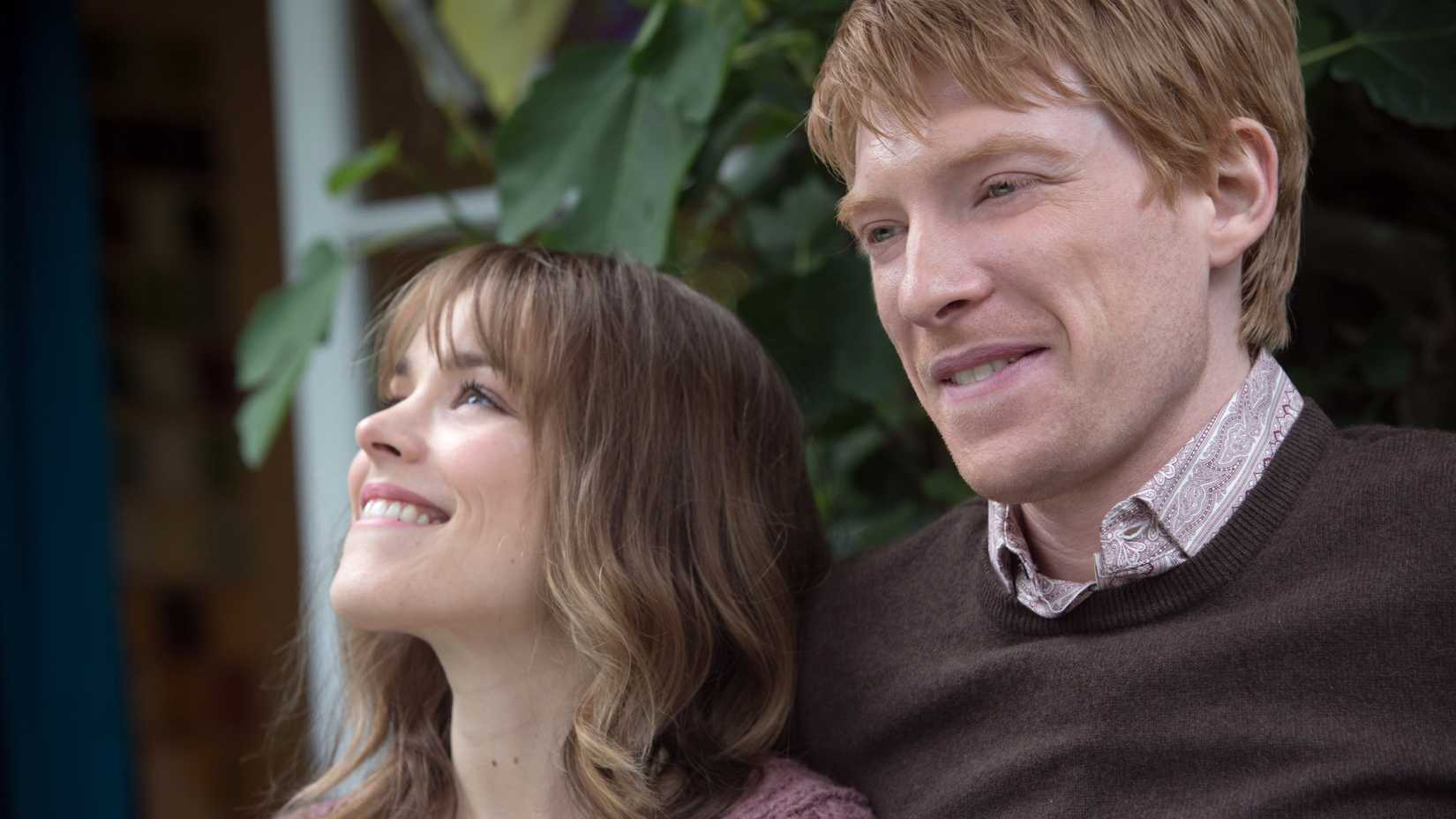
Richard Curtis’s masterpiece remains the gold standard for "time-manipulated" romance. Tim Lake’s ability to jump into his own past to fix minor social errors serves as a brilliant metaphor for the anxiety of early relationships. Like Poppy and Alex, Tim learns that even with a superpower, you cannot force the timing of a life shared with another.
Always Be My Maybe (2019)
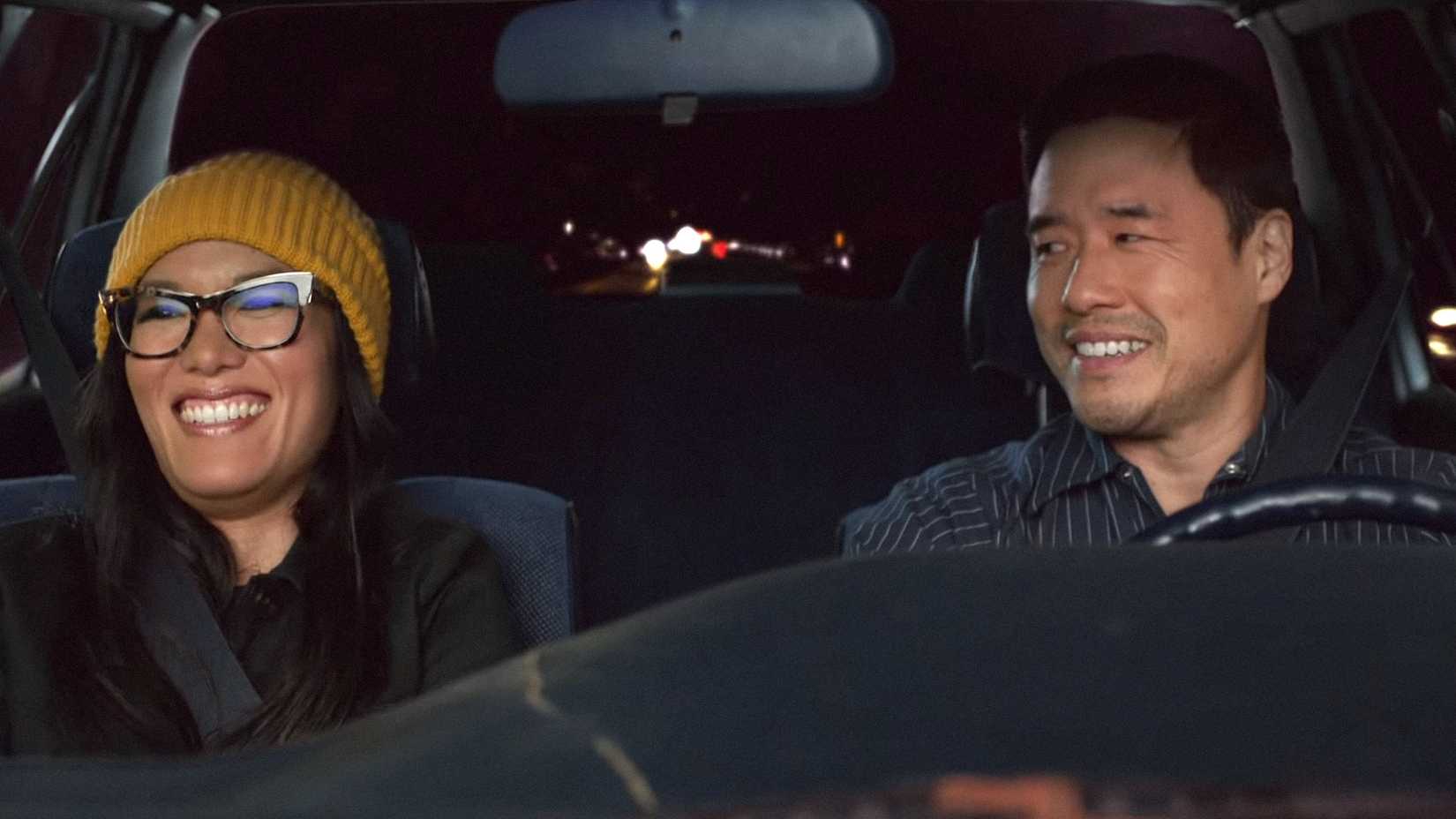
This film explores the "separate paths" dilemma. When Sasha and Marcus reunite, the tension isn’t just about whether they should be together, but whether the people they have become are compatible with the people they were as children. It is a vital companion piece for anyone interested in the maturity required to sustain a lifelong bond.

Rye Lane (2023)
For viewers who fell in love with the visual vibrancy of the New Orleans scenes, Rye Lane is an essential watch. It captures a singular day of connection between two strangers in South London. It moves with a kinetic energy that makes the mundane act of walking through a city feel like an epic adventure.
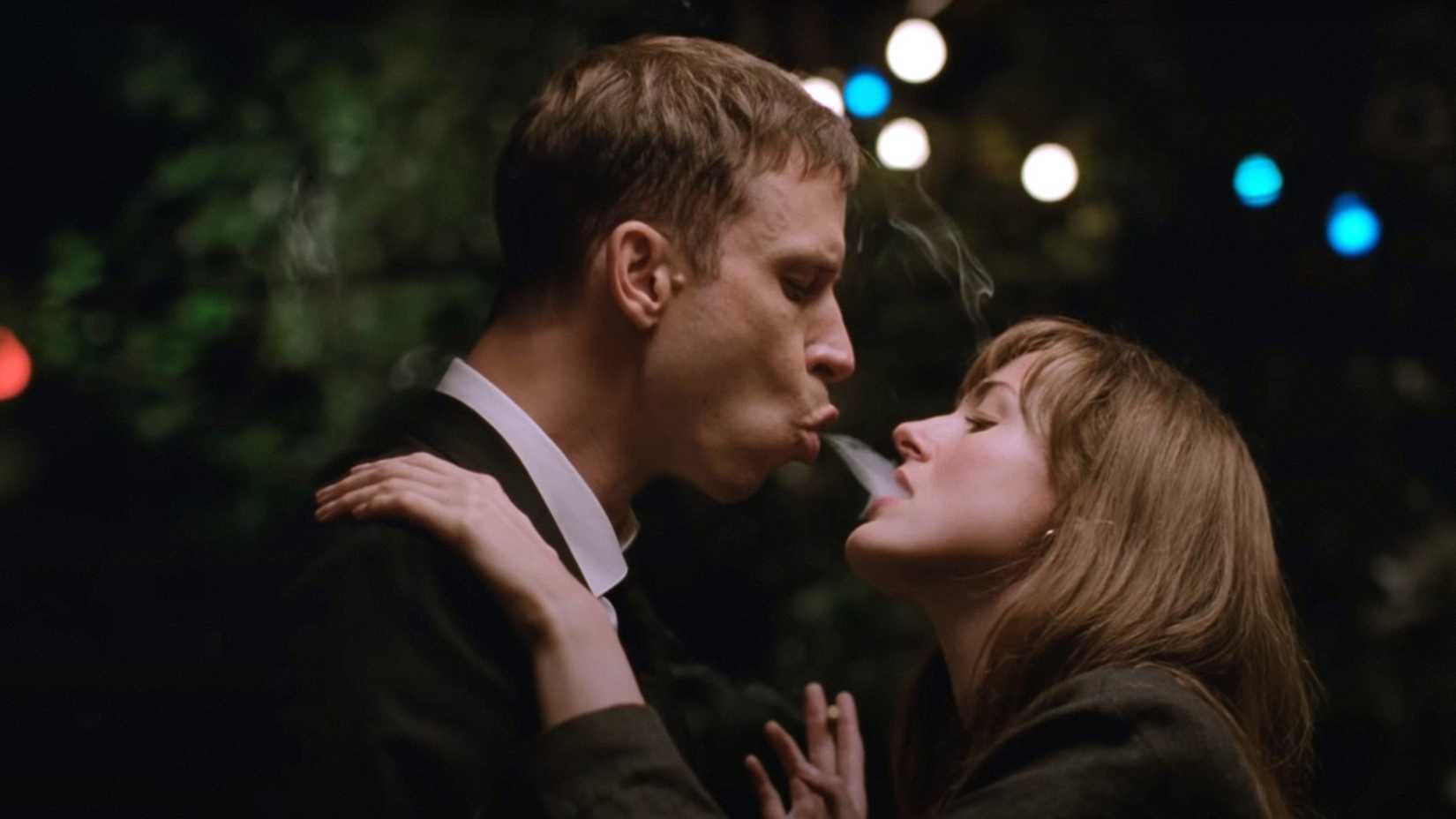
The Worst Person in the World (2021)
This film offers a more somber, realistic look at the "timing" issue. It refuses to frame marriage or long-term coupling as the ultimate, necessary conclusion to a life story. For fans who appreciated the moments of doubt in People We Meet on Vacation, this provides a more challenging, bittersweet exploration of what happens when we outgrow our partners.
Like Crazy (2011)
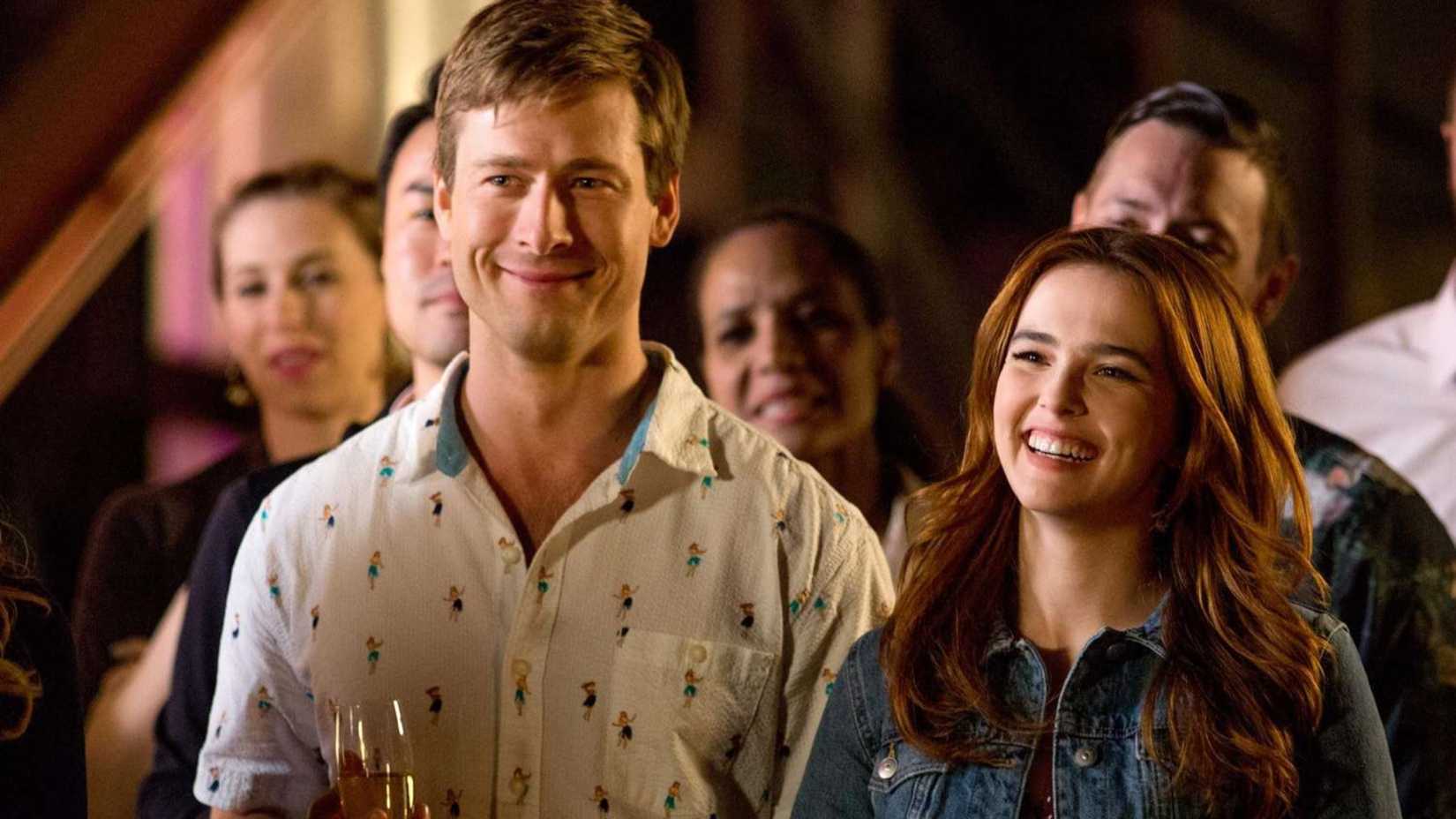
A stark contrast to the breezy tone of most rom-coms, Like Crazy highlights the strain of distance and the "imperfect timing" of youth. It is raw, improvised, and deeply uncomfortable, serving as a reminder that love, while powerful, is not always enough to conquer logistics.
Set It Up (2018)
Often cited as the film that saved the Netflix rom-com, this story of two assistants manufacturing a relationship for their bosses is the spiritual predecessor to the current wave of romantic comedies. It is witty, self-aware, and features the kind of banter that fans of Emily Henry’s dialogue will instantly recognize and adore.
Emma. (2020)
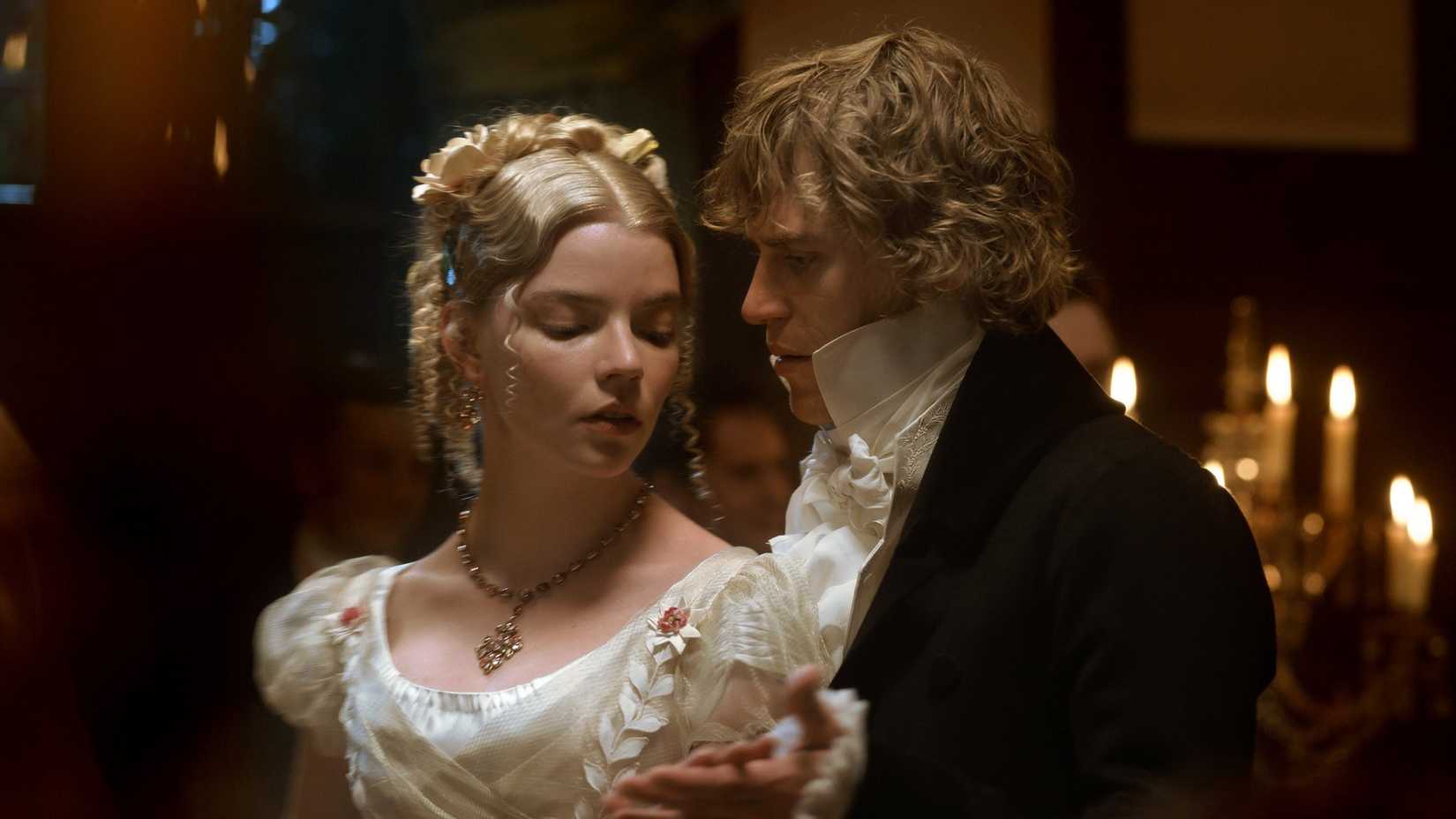
Jane Austen remains the architect of the friends-to-lovers trope. This adaptation brings a sharp, modern, and aesthetically stunning eye to the classic dynamic of two people who are too proud to realize they are meant for each other. The tension here is not just romantic; it is intellectual, making it a perfect follow-up for those who love a "slow-burn" payoff.
(500) Days of Summer (2009)
This film serves as a cautionary tale. It dissects the myth of the "soulmate" and the dangers of projecting our desires onto a partner. It is a necessary watch for anyone who has ever wondered if a relationship was a grand romance or simply a lesson in timing.

Palm Springs (2020)
Blending sci-fi with the intimacy of a destination wedding, Palm Springs tackles the fear of commitment in a world that feels repetitive. Its protagonists are messy, flawed, and deeply human, making their eventual decision to pursue one another a truly earned victory.
Before Sunrise (1995)
The quintessential "meeting on a trip" movie. It focuses on the conversation, the vulnerability of a shared night, and the terrifying beauty of a connection that exists in a vacuum. It remains the gold standard for the "vacation romance" genre, proving that sometimes, the most profound love stories are the ones that only last for a heartbeat.

As audiences continue to find solace in these stories, the message is clear: the romantic comedy is not just a genre—it is a vital mirror for the human experience, helping us navigate the messy, beautiful, and often inconvenient realities of finding our person in an unpredictable world.










