[City, Date] – The global video game industry is demonstrating robust signs of recovery and strategic recalibration, with mergers and acquisitions (M&A) reaching their highest levels since 2022. A new report from investment bank Aream & Co. reveals that mid-market acquisitions, particularly those focused on gaming content, are the primary drivers of this resurgence, signaling a targeted approach to growth amidst evolving consumer behaviors and technological advancements.
The firm’s latest "Video Game Market Update" for the second quarter of 2026 paints a picture of a dynamic market where certain segments thrive, while others face significant headwinds. Notably, a new console generation from Nintendo has injected considerable vitality into the hardware sector, contrasting with declines experienced by its rivals. Meanwhile, a surge in both public and private investment underscores a renewed investor confidence, particularly in foundational technologies like AdTech and Artificial Intelligence (AI).
The Core Catalyst: Mid-Market M&A and Strategic Consolidation
The headline figure from Aream & Co.’s report is the impressive M&A activity within the games industry during Q2 2026. A total of 54 transactions collectively amounted to $2.3 billion, marking a significant milestone as the highest quarterly M&A volume since 2022. This upward trajectory is not merely a broad-based boom but a concentrated effort within the "mid-market" segment, defined by Aream & Co. as gaming content acquisitions exceeding $100 million.
Chronology of a Rebound:
The mid-market’s performance stands out, reaching levels not seen since the peak of the pandemic-fueled boom. Following a period of consolidation and cautious spending in the immediate post-pandemic years, the renewed appetite for strategic acquisitions indicates a maturation of the market and a focus on acquiring proven intellectual property (IP) and established development expertise. This resurgence suggests that companies are actively seeking to fortify their content portfolios and expand their reach through targeted purchases rather than mega-mergers of the past.
Supporting Data and Key Transactions:
The report highlights that this segment’s growth was primarily propelled by acquisitions in PC gaming and mobile studios. Two prominent transactions underscore this trend:
- Scopely’s $1 billion acquisition of Loom: This blockbuster deal saw mobile gaming giant Scopely expand its already formidable portfolio by integrating Loom, a developer known for its innovative titles. Such a substantial investment by a leading player in the mobile space signals a belief in the long-term value of high-quality mobile content, even as the broader mobile market faces challenges. It suggests a strategy to acquire established revenue streams and user bases rather than relying solely on organic growth in a crowded market.
- Wemade founder Park Kwan-ho’s planned sale of a 35% stake to Chinese investor NeoPulse: While details remain to be fully disclosed, this significant transaction points to the continued interest from international investors in the Asian gaming market, particularly in companies with strong blockchain or Web3 integration, an area Wemade has actively pursued. Such strategic investments often aim to leverage market access, technological synergies, and regional growth opportunities.
Implications of Mid-Market Focus:
The emphasis on mid-market content acquisitions suggests several strategic rationales. For acquiring entities, these deals offer a sweet spot: large enough to provide meaningful revenue, talent, or IP, but often smaller and less complex than multi-billion-dollar corporate takeovers. They allow for more agile integration, faster time-to-market for new content, and a more diversified risk profile. For the acquired studios, it provides access to greater resources, marketing power, and stability, often while maintaining a degree of creative autonomy. This trend underscores a drive for efficiency and strategic alignment, where companies are carefully selecting assets that complement their existing strengths or open new market avenues.
Divergent Paths: Mobile, PC, and Console Performance
While M&A activity signals overall market confidence, a deeper dive into platform-specific performance reveals a more nuanced landscape, characterized by both remarkable growth and significant contractions.
Mobile Gaming: Navigating Headwinds and the Power of Established IP
The mobile gaming sector, long considered a growth engine, experienced a period of deceleration in Q2 2026. In-app purchase (IAP) spending saw a 4% year-on-year decrease, while new installs plummeted by 12%, reaching multi-year lows. This downturn reflects a maturing market, increased competition, and evolving user acquisition dynamics.
Chronology of Decline:
The decline in installs to "multi-year lows" highlights a significant challenge for mobile developers. The initial explosion of mobile gaming during the early 2010s, followed by the sustained growth through the pandemic, has given way to a more saturated and competitive environment. User acquisition costs have soared, and discoverability for new titles has become increasingly difficult on crowded app stores.
Supporting Data and Market Dynamics:
A critical piece of data from the report is that 65% of the top 20 grossing mobile games are at least four years old. This statistic powerfully illustrates the resilience and enduring appeal of established titles and franchises. These games benefit from strong brand recognition, deeply engaged communities, continuous content updates, and optimized monetization strategies refined over years. For newer studios, breaking into this top tier without a significant marketing budget or a truly innovative concept remains an uphill battle. The challenge for the mobile market now lies in balancing the maintenance of these long-standing revenue generators with the need for fresh innovation to attract new players.
Implications:
The mobile market’s performance suggests a shift from hyper-growth to a more stable, albeit challenging, phase. Developers must prioritize robust live-service operations for existing titles and explore innovative genres or monetization models for new releases. Investors, in turn, may increasingly favor studios with proven track records, strong IP, or those developing technologies that enhance user engagement and retention in this competitive environment.
PC Gaming: Innovation and Franchises Drive Robust Growth
In stark contrast to mobile’s struggles, PC gaming demonstrated impressive vitality, growing 13% year-on-year. This segment’s robust performance was fueled by a potent combination of highly anticipated franchise sequels and exciting new intellectual properties.
Supporting Data and Key Releases:
The report specifically cites several titles contributing to this growth:
- Franchise Sequels: Forza Horizon 6, Subnautica 2, and 007: First Light represent the continued strength of established brands. These titles benefit from existing fan bases, proven gameplay mechanics, and significant marketing budgets, ensuring high sales volumes upon release.
- New IP Releases: Pragmata, Mecha Chameleon, and Windrose showcase the industry’s capacity for innovation and the willingness of PC gamers to embrace fresh experiences. These new IPs are crucial for the long-term health of the ecosystem, attracting new players and pushing creative boundaries.
Implications:
PC gaming’s growth underscores the platform’s enduring appeal to a diverse player base seeking high-fidelity graphics, deep gameplay experiences, and the flexibility of digital distribution platforms. The ecosystem benefits from a continuous stream of premium content, ranging from AAA blockbusters to innovative indie titles. This growth also highlights the importance of developers investing in cutting-edge technology and engaging storytelling to capture the attention of a discerning audience. The open nature of the PC platform also allows for quicker adoption of new technologies and genres, contributing to its dynamic growth.
Console Market: Nintendo’s Triumph Amidst Hardware Challenges for Rivals
The overall console market remained stable in Q2 2026, but this stability masks significant shifts in market share and performance among the three major players: Nintendo, PlayStation, and Xbox.
Nintendo’s Ascendancy: The Switch 2 Effect
Nintendo emerged as the clear victor in the console space, reporting an astounding 90% year-on-year revenue increase. This dramatic surge was attributed to exceptionally strong sales of its new hardware, the Switch 2, alongside robust software sales that accompanied the console’s launch.
Official Responses (Inferred Analysis): While no direct statements from Nintendo were included in the Aream & Co. report, industry analysts would undoubtedly attribute this success to a meticulously planned console launch, leveraging Nintendo’s unparalleled intellectual property portfolio. The Switch 2 likely capitalized on the massive installed base of its predecessor, offering compelling new features, enhanced graphical capabilities, and a strong pipeline of exclusive titles from day one. Nintendo’s strategy often involves creating unique gaming experiences that differentiate it from competitors, fostering deep brand loyalty that translates into successful hardware cycles. The initial success of the Switch 2 suggests a powerful blend of nostalgia, innovation, and accessible gameplay.
Implications:
The Switch 2’s strong performance is a testament to the power of a successful generational transition and the enduring appeal of Nintendo’s brand. It signals healthy competition in the hardware space and provides a significant boost to the overall console market, potentially drawing new players into the ecosystem.
PlayStation’s Mixed Fortunes: Hardware Weakness vs. Service Growth
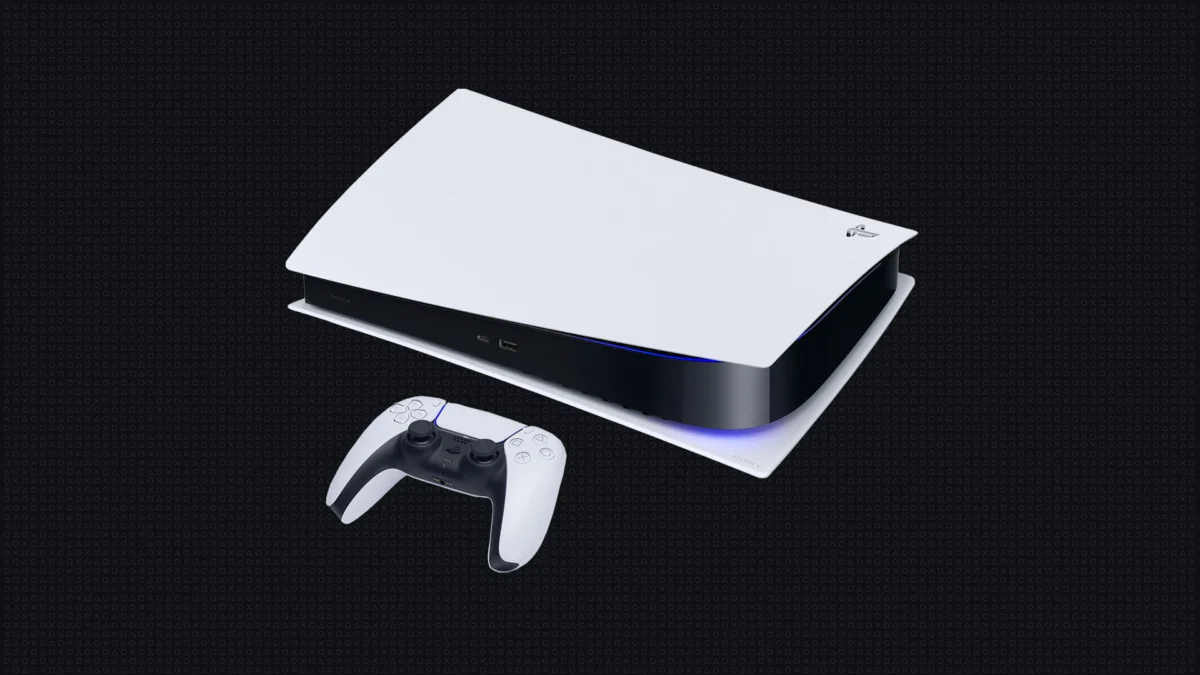
PlayStation’s revenue saw a 5% decline, primarily due to what the report describes as "hardware weakness." This suggests a potential slowdown in PlayStation 5 sales or a market saturation point being reached in certain territories for the current generation. However, this hardware dip was partially offset by growth in PSN services and digital software sales.
Official Responses (Inferred Analysis): Market observers would interpret PlayStation’s performance as a natural part of a console’s lifecycle. After an initial surge, hardware sales often normalize or slow as early adopters have made their purchases. Sony’s strategic pivot towards strengthening its PlayStation Network (PSN) services, subscription offerings, and digital storefront has been a key focus, aiming to build recurring revenue streams that are less reliant on the cyclical nature of hardware sales. The growth in digital software further reinforces the industry-wide trend away from physical media.
Implications:
PlayStation’s situation highlights the increasing importance of ecosystem services and digital content in sustaining revenue even when hardware sales cool. This strategy builds long-term value through recurring subscriptions and digital purchases, creating a more stable business model less susceptible to the peaks and troughs of console launches.
Xbox’s Decline: Hardware Struggles and Content Strategy Evolution
Xbox experienced a 7% decline in revenue, with a significant 33% drop in hardware sales and a 5% decrease in content and services. This represents a more pronounced challenge compared to its competitors.
Official Responses (Inferred Analysis): The substantial hardware decline for Xbox could be attributed to several factors. Analysts might point to intense competition, potential market saturation for the Xbox Series X/S, or perhaps a strategic shift by Microsoft to de-emphasize console sales in favor of its Game Pass subscription service and multi-platform content distribution. The modest decline in content and services, despite a significant hardware drop, could indicate the resilience of Game Pass subscribers and digital purchases, but it also shows that even this segment isn’t entirely immune to broader market pressures or the absence of major first-party exclusives.
Implications:
Xbox’s performance reinforces the narrative of Microsoft’s long-term strategy, which appears to be less about winning the traditional console war and more about expanding its gaming ecosystem across multiple platforms (PC, cloud, mobile) through Game Pass. The hardware decline, while notable, may be a calculated risk within a broader strategy focused on subscription growth and content reach. However, it also highlights the challenge of maintaining growth in content and services without a strong, expanding hardware base.
Capital Infusion: Public Listings and Private Investment Surge
Beyond M&A, the financial markets demonstrated a strong appetite for gaming-related ventures, with significant increases in both public market fundraising and private investment. This influx of capital signals robust investor confidence in the industry’s future potential.
Public Markets: Renewed Investor Confidence
Public market fundraising saw a substantial 67% year-on-year increase, indicating a positive sentiment among institutional investors and the broader market for gaming companies.
Supporting Data and Key Offerings:
This growth was bolstered by several high-profile financial events:
- Liftoff’s $0.5 billion IPO: This successful Initial Public Offering underscores the market’s readiness to back companies with strong growth prospects, even in a fluctuating economic climate. Liftoff, likely an AdTech or mobile marketing platform, represents the underlying infrastructure that supports the mobile gaming ecosystem.
- PlaySimple’s $0.35 billion listing plan: This planned listing further indicates a healthy pipeline of companies looking to access public capital, particularly those in the mobile gaming space with strong engagement metrics and monetization strategies.
- Fellowship Entertainment’s planned spin-off from Embracer: This move by the Embracer Group, a major holding company in the gaming sector, to spin off one of its segments suggests a strategy of streamlining operations, unlocking shareholder value, and allowing individual business units to pursue more focused growth strategies. Such spin-offs often attract new investment by offering a clearer investment thesis.
Implications:
The increase in public market fundraising reflects a maturation of the gaming industry as an investment class. Investors are looking for diversified portfolios, stable revenue streams, and companies that can navigate competitive markets. The successful IPOs and planned listings demonstrate that public markets view gaming and its supporting infrastructure as a viable and attractive sector for long-term growth.
Private Equity: Betting on the Future of Gaming Infrastructure
Private investment witnessed an even more dramatic surge, increasing sixfold year-on-year to reach $3.1 billion. This exponential growth highlights a strategic focus by private equity and venture capital firms on foundational technologies that underpin the modern gaming ecosystem.
Supporting Data and Key Drivers:
The primary drivers of this private investment boom were identified as AdTech and AI technology:
- AdTech: A significant portion of this investment went into AdTech companies, notably AppsFlyer, which alone secured $1 billion in funding. This massive investment was supported by major players like MoldCo, DeepMind, Meta, and Unity, signaling the critical importance of mobile advertising, user acquisition, and analytics platforms in today’s mobile-first world. Efficient AdTech is essential for developers to find and retain users, especially in a challenging mobile market.
- AI Technology: Investments in AI companies such as General Intuition, Odyssey, and Decart further underscore the industry’s recognition of AI’s transformative potential. AI is rapidly becoming integral to game development (procedural generation, asset creation, testing), player experience (personalization, adaptive difficulty, intelligent NPCs), and operational efficiencies (data analytics, fraud detection).
Implications:
The massive influx of private capital into AdTech and AI is not just about betting on the future; it’s about investing in the present necessities of the gaming industry. AdTech provides the lifeblood for mobile game monetization and user growth, while AI is set to revolutionize every aspect of game creation and player interaction. These investments signify a long-term belief in technologies that will drive efficiency, innovation, and profitability across the entire gaming value chain. Private investors are actively shaping the future infrastructure of the industry.
Official Responses and Expert Perspectives (Inferred Analysis)
It is important to note that the Aream & Co. report provides an analytical snapshot of the market based on transactional data and public information, rather than including direct official responses or quotes from the companies mentioned. However, industry analysts and market observers can infer strategic motivations and potential company perspectives based on the trends presented.
For instance, Nintendo’s remarkable Q2 performance with the Switch 2’s launch would likely be met with quiet confidence from the company, validating years of research and development and its unique approach to hardware and software synergy. The success underscores the enduring power of Nintendo’s beloved IPs and its ability to innovate within its established niche.
Conversely, the "hardware weakness" reported for PlayStation and the more significant decline for Xbox hardware would likely prompt internal reviews and external communications focusing on the broader ecosystem. Sony would emphasize the growth in PSN services and digital software as a strategic pivot, showcasing a resilient business model beyond console sales cycles. Microsoft, given its long-term strategy, might reiterate its commitment to Game Pass and multi-platform content delivery, potentially framing hardware sales as just one component of a much larger gaming ambition. They would likely highlight engagement metrics and subscriber growth as more indicative of their health than console units sold.
Regarding the M&A surge, particularly in the mid-market, investment bankers like Aream & Co. would likely emphasize the strategic foresight of companies seeking to consolidate valuable content and talent efficiently. They would point to a more mature and rational M&A environment compared to the speculative peaks of previous years, with a focus on synergistic acquisitions that deliver tangible value. The significant private investments in AdTech and AI reflect a consensus among venture capitalists and tech giants that these technologies are not just enhancements but fundamental pillars for the next generation of gaming. The investors involved (MoldCo, DeepMind, Meta, Unity) are not just financial backers but strategic partners, highlighting the critical role these technologies play in their own ecosystems.
Implications for the Gaming Ecosystem: A Landscape in Flux
The Q2 2026 report from Aream & Co. offers a comprehensive view of a gaming industry in dynamic transition, with far-reaching implications for all stakeholders.
For Developers: Adapting to Evolving Markets
Game developers face a bifurcated market. While mobile remains lucrative for established titles, new mobile IPs face intense competition and soaring user acquisition costs. This pushes developers towards creating more innovative, high-quality experiences with robust live-service models. Conversely, the PC and console markets, especially with new hardware like the Switch 2, offer fertile ground for premium, immersive titles and innovative new IPs. Developers must carefully choose their platforms and strategies, leveraging tools like AI for efficiency and engaging players through diverse content. The mid-market M&A trend also presents opportunities for successful independent studios to find strategic partners or acquirers, providing stability and resources for growth.
For Publishers & Investors: Strategic Opportunities and Calculated Risks
Publishers are increasingly focused on strategic M&A to acquire proven content, talent, and IP, particularly in the mid-market. Diversification of revenue streams, especially into subscription services and digital content, is paramount. For investors, the gaming sector offers compelling opportunities, particularly in companies with strong technological foundations (AdTech, AI) and those capable of navigating the complex mobile landscape or capitalizing on new console generations. The increased public and private fundraising signals a healthy investor appetite, but also a demand for clear growth strategies and sustainable business models.
For Consumers: Enhanced Experiences and Diverse Choices
Players stand to benefit from these industry shifts. The PC and console markets promise a continuous stream of high-quality new titles and beloved franchise sequels, fueled by development investments. The success of the Switch 2 brings new hardware and innovative gameplay experiences. While the mobile market is consolidating around established hits, this could lead to more refined and deeper experiences for popular games. The underlying investments in AI and AdTech, while often unseen, will contribute to more personalized game experiences, better discovery of relevant content, and more efficient development cycles, ultimately benefiting the end-user with richer, more tailored entertainment.
The overall health of the industry, despite localized challenges, appears robust and adaptable. The emphasis on strategic acquisitions, technological innovation, and diversified revenue models positions the gaming sector for continued growth and evolution.
Conclusion: A Dynamic Future Shaped by Innovation and Consolidation
The second quarter of 2026 marks a pivotal period for the video game industry, characterized by a potent blend of strategic consolidation and dynamic market shifts. Aream & Co.’s report unequivocally highlights mid-market acquisitions as the engine driving a significant M&A recovery, a testament to companies’ hunger for valuable content and talent. While the mobile sector navigates a challenging environment of declining installs and IAP spending, the resilience of established titles and the strategic investments in AdTech signal a focus on optimization and user retention.
Conversely, PC gaming continues its upward trajectory, propelled by both revered franchises and bold new IPs, reaffirming its status as a vibrant hub for premium experiences. The console market showcased a striking divergence: Nintendo’s Switch 2 delivered a triumphant hardware launch, while PlayStation and Xbox grappled with hardware softness, underscoring the critical importance of strong service offerings and strategic ecosystem development.
Underpinning these trends is a robust influx of capital, with both public and private markets demonstrating a clear appetite for gaming ventures, especially those pioneering advancements in AdTech and Artificial Intelligence. These investments are not merely financial bets but strategic endorsements of technologies poised to redefine game development, distribution, and player engagement.
As the industry moves forward, the insights from Q2 2026 suggest a future where targeted growth through M&A, technological innovation, and adaptive platform strategies will be paramount. The gaming ecosystem, far from static, continues to evolve, promising a dynamic and exciting landscape for developers, investors, and players alike.