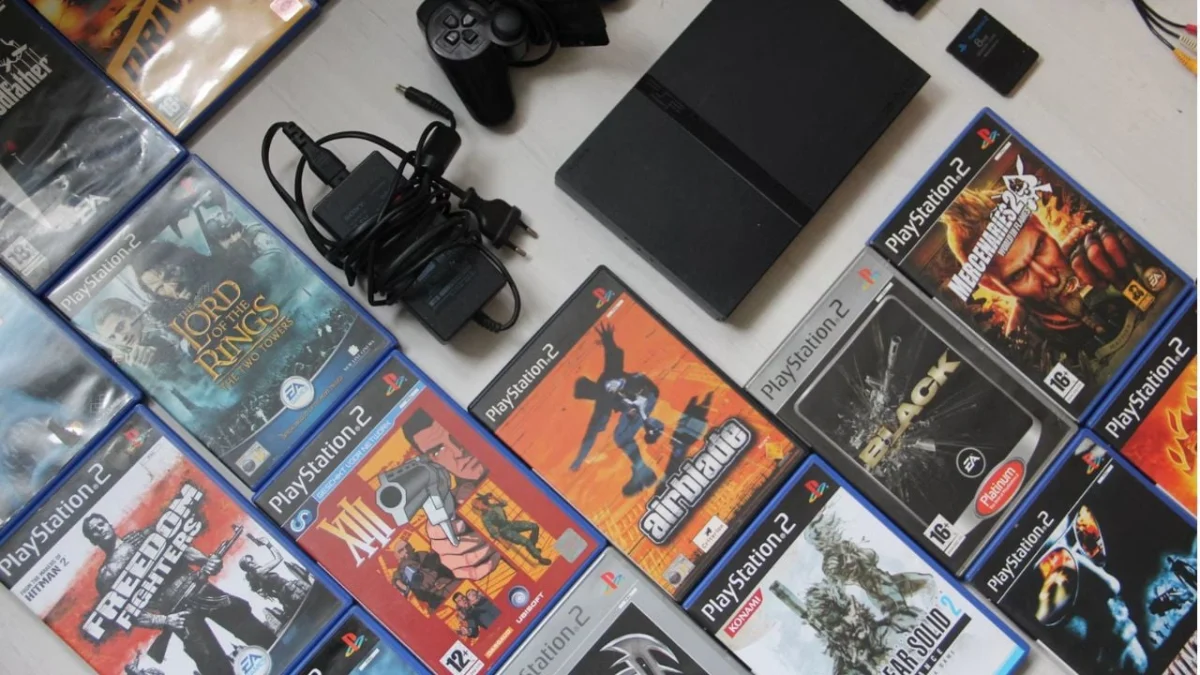
The landscape of interactive entertainment is undergoing a seismic shift. In a move that has sent shockwaves through the gaming community, Sony Interactive Entertainment has officially announced that it will cease the production of physical game discs for all new titles effective January 2028. This decision marks the beginning of the end for the traditional retail model that has defined the video game industry for decades.
As the industry pivots toward a purely digital ecosystem, the move raises fundamental questions about consumer rights, the preservation of digital history, and the future of game ownership. With major industry players like Sony aligning their strategies with the rising convenience of the cloud and digital storefronts, the era of the "shelf-worthy" collection appears to be drawing to a close.
The Announcement: A Digital-Only Future
The revelation came via an official blog post on July 1, 2026, where Sony confirmed that the transition would be complete by the start of 2028. According to the company, this pivot is a "natural direction" taken in response to evolving consumer habits.
"In response to shifting trends in consumer preference, new games will be released on the PlayStation Store and at retailers in digital formats only," the announcement stated. Sony emphasized that this transition is intended to align the company with how the majority of the community accesses content, citing the significant rise in digital adoption over the last several years.
Chronology of a Transition
The shift to digital-first has not been sudden; it is the culmination of a decade-long transition.
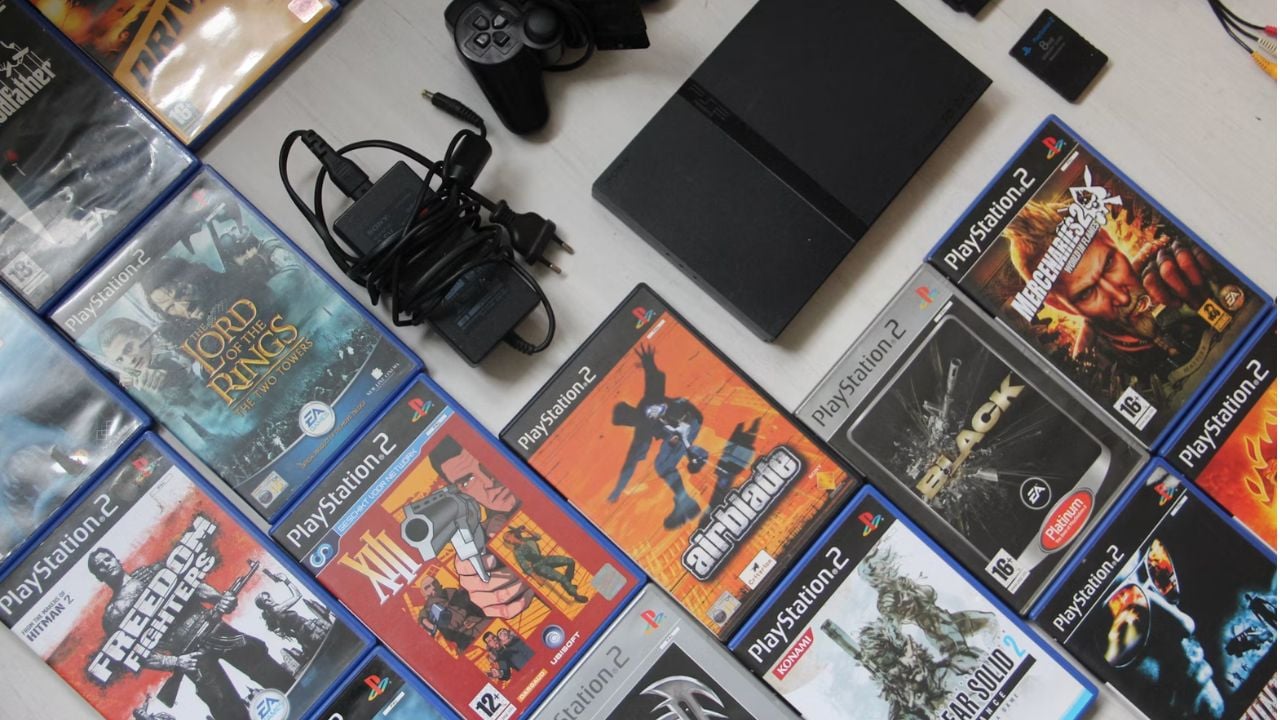
- 2013–2016: The PlayStation 4 era introduced the concept of mandatory game installs, signaling that the disc was becoming more of an "installation key" rather than the primary data storage device.
- 2020: The release of the PlayStation 5, specifically the "Digital Edition," provided the first clear market test of a console without an optical drive.
- 2024–2025: Rising costs in logistics and manufacturing, coupled with the ubiquity of high-speed internet, led to the widespread adoption of day-one digital purchases.
- 2026: Sony officially announces the end of physical production for 2028, setting a hard deadline for the industry.
- 2028: The cutoff date. All new PlayStation titles will be distributed exclusively via the PlayStation Network.
Supporting Data: Why the Shift?
Sony’s decision is backed by compelling internal and industry-wide metrics. According to recent quarterly earnings reports, over 80% of total software revenue for major publishers now originates from digital sales.
The Cost of Convenience
Digital distribution eliminates the massive overhead associated with physical media. Expenses such as physical manufacturing, disc replication, packaging design, printing, shipping, warehousing, and retail shelf-space management are entirely removed from the balance sheet. For a multi-billion dollar entity like Sony, these savings represent a significant increase in profit margins.
However, the cost of this transition is being felt by the consumer in a different way. While the hardware is becoming more efficient, the reliance on high-speed internet means that players in rural areas or regions with poor connectivity are increasingly marginalized. Furthermore, the reliance on proprietary SSDs—such as the officially licensed drives now marketed for PS5—suggests that storage capacity is becoming the new "limiting factor" for gamers.
Implications for Ownership and Preservation
The move toward digital-only content is not without significant controversy. The primary concern among enthusiasts is the concept of "digital rot" and the loss of true ownership.
The "License, Not Ownership" Reality
When a user purchases a digital game, they are technically purchasing a revocable license to access the software. Unlike a physical disc, which can be traded, resold, or played offline indefinitely, digital titles are tied to the platform’s servers. If a store shuts down, or if a license is revoked due to server-side updates, the consumer may lose access to the content they paid for.
This issue was brought to the forefront recently by the backlash surrounding Grand Theft Auto 6. Rumors and early reports suggest that the "physical" pre-order option for the title may contain nothing more than a digital download code. This effectively turns a physical product into a decorative box, offering none of the traditional benefits of disc-based media.
The Preservation Crisis
Video games are a cultural medium, yet their preservation is currently at risk. With physical discs, the game exists independently of the publisher’s servers. Once the industry moves entirely to digital, the longevity of any given title becomes entirely dependent on the publisher’s willingness to keep the servers online. If Sony or a third-party publisher decides to pull a game from the store, that title effectively ceases to exist for new purchasers, creating a "black hole" in the history of interactive entertainment.
Pricing Structures and Consumer Value
A major point of contention is whether the savings from removing physical media will be passed on to the consumer. History suggests that they will not.
Sony has remained silent on whether the elimination of manufacturing costs will lead to a reduction in the $70 standard price tag for AAA titles. In fact, following recent price increases for the PlayStation Plus subscription service, many analysts are skeptical that the transition to digital will result in any price relief for the player.
Conversely, some competitors are experimenting with different models. Nintendo has occasionally opted to sell digital versions of their games at a lower price point than their physical counterparts—sometimes a difference of $10. This creates a market incentive for the digital transition. However, without a mandate or a competitive push from the market leaders, it is unlikely that Sony will voluntarily lower prices for digital-only titles.

The Collector’s Dilemma
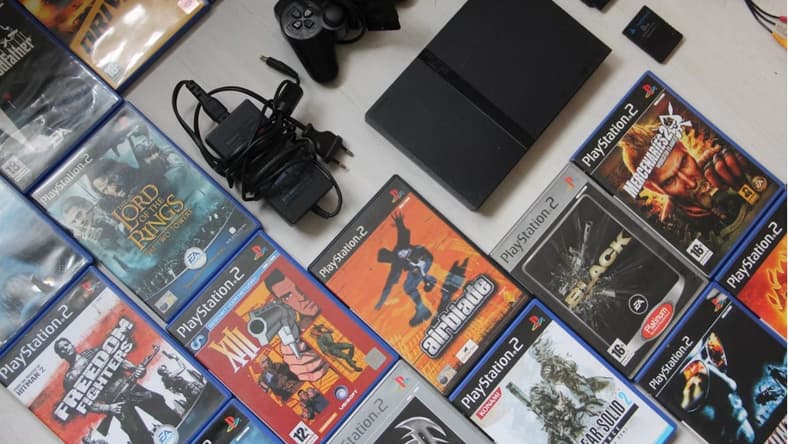
For the collector, the death of physical media is a cultural tragedy. A physical library represents more than just a list of games; it is an archive of the medium’s evolution. Collectors cite the ability to lend games to friends, the aesthetic value of box art, and the permanence of the medium as essential components of the hobby.
As the industry moves toward a future where "you will own nothing and be happy," the gaming community is faced with a difficult choice: accept the convenience of the cloud and the risk of server dependency, or exit the ecosystem of modern consoles entirely.
Looking Ahead: A Divided Future
As we approach the January 2028 deadline, the divide between modern console gaming and the preservationist movement will likely widen. We may see an increase in "Indie" publishers continuing to produce small-batch physical releases for niche platforms, or perhaps a rise in third-party services that focus on archiving digital titles.
However, the path forward for Sony is clear. By prioritizing the digital storefront, the company is betting that the majority of the gaming population values the convenience of instant access over the security of physical ownership. As the industry enters this final phase of the physical-to-digital transition, the gaming community must grapple with a new reality: the console is no longer just a gaming machine; it is a gateway to a service, and the service can be switched off at any time.
In the final analysis, the death of the physical disc is more than just a logistical update. It is the end of an era where games were objects that could be held, traded, and preserved. As 2028 approaches, the industry prepares to leave the tangible world behind, stepping fully into a future where the only thing keeping a game alive is a line of code on a remote server.