

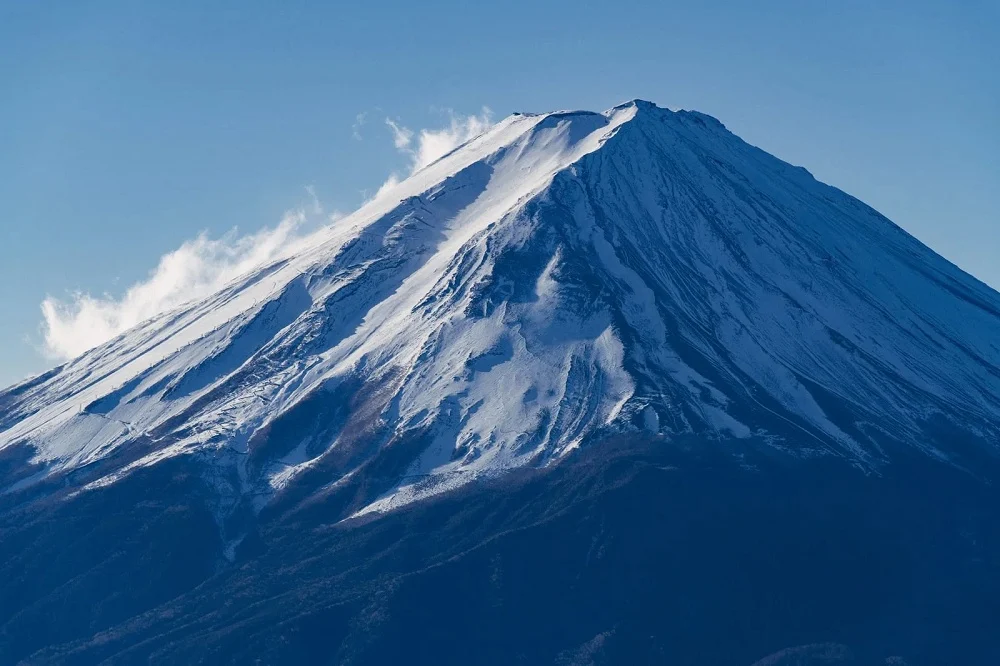
The majestic silhouette of Mt. Fuji, Japan’s highest peak and a symbol of national pride, has long been a siren song for hikers of all experience levels. However, as the 2026 climbing season kicks off, the mountain has become the backdrop for a series of high-profile emergency operations. In a recent, peculiar incident, a 54-year-old hiker from Kobe found himself in the unprecedented position of requiring professional rescue assistance twice in the span of 24 hours. While the occurrence has sparked online debate regarding the competence of modern hikers, experts suggest this case provides a critical lesson in physiological limitations and the vital importance of early intervention in high-altitude environments.
The Chronology of an Ordeal
On the morning of July 11, 2026, the 54-year-old hiker set out on the Fujinomiya Trail. As the most direct route to the summit, this path is frequently favored by climbers arriving from central and western Japan. The hiker, who possessed previous experience and was equipped with appropriate gear for the season, began his ascent with the goal of reaching the peak.
Day One: The First Call
By approximately 2:00 p.m., the hiker had reached the vicinity of the eighth station. At this elevation—roughly 85 percent of the way to the summit—the physical toll of the ascent began to manifest. Exhaustion, a common but dangerous adversary at high altitudes, set in with such severity that the man determined he could not safely continue. Rather than pushing forward, he made the decision to call for emergency services. The Shizuoka Prefectural Police, responding with efficiency, dispatched a team to the eighth station. Recognizing that the man was not suffering from acute injury but rather debilitating fatigue, they escorted him down to a mountain hut near the seventh station, where he was advised to rest and recuperate overnight.
Day Two: The Recurrence of Exhaustion
The hiker complied with the authorities’ instructions, spending approximately 11 hours in the relative safety of the mountain hut. On the morning of July 12, at roughly 6:45 a.m., he began the descent toward the base of the mountain. However, just over an hour into his trek, the physical reality of his condition again proved insurmountable. He placed a second emergency call, admitting with a sense of foreboding, “I was worried this was going to happen,” and noting that he was simply too exhausted to walk further.
A second rescue team was deployed. Upon arrival, they rendezvoused with the man. Interestingly, while he was physically spent, he was not incapacitated; with the guidance and support of the rescue team, he was able to complete the remainder of the descent to the trailhead under his own power.
Supporting Data: The Reality of High-Altitude Fatigue
To understand why this hiker—a man with prior experience and proper equipment—succumbed to exhaustion, one must look at the unique physiological challenges of Mt. Fuji. The mountain’s elevation, combined with unpredictable weather patterns, places a significant burden on the cardiovascular and respiratory systems.
Medical experts often note that fatigue at high altitudes is not always a linear progression. Unlike a standard hike at sea level, the decrease in oxygen partial pressure significantly increases the metabolic cost of movement. For a 54-year-old, the body’s ability to recover from such strain in a cold, high-altitude environment is considerably diminished compared to younger climbers.
Furthermore, the "Fujinomiya" trail is notoriously steep. When a climber reaches the eighth station, the thin air often triggers a physiological "wall." While the hiker was not injured, the systemic fatigue he experienced is a precursor to more severe conditions, such as altitude sickness or hypothermia, had he attempted to push through the exhaustion.
Official Responses and Public Sentiment
The incident has elicited a measured response from the Shizuoka Prefectural Police. Unlike other recent cases involving "off-season" hikers or those clearly ill-equipped for the mountain’s hazards, the police have not characterized this hiker’s actions as negligence.
"The individual followed protocol," noted a spokesperson for the local authorities. "He was wearing suitable clothing, had proper footwear, and recognized when he was no longer capable of safe movement. Crucially, he contacted us before his condition deteriorated into a life-threatening medical emergency."
Public reaction, however, has been polarized. On various Japanese social media platforms, some have criticized the hiker for failing to accurately gauge his own endurance, questioning why a person would attempt a difficult climb if they were prone to such fatigue. Conversely, seasoned climbers have defended him, arguing that his decision to call for help—rather than attempting to descend alone and risking a fall or a more serious collapse—was a responsible use of the rescue system.
Implications for Future Hikers
The most significant takeaway from this event is the shifting paradigm of mountain rescue. For years, the emphasis in mountain safety has been on "avoidance"—preventing people from going up if they aren’t prepared. However, this case highlights the necessity of "graceful failure"—the ability to recognize when a plan is no longer viable and to exit the environment safely before a minor issue becomes a catastrophe.
1. The Fallibility of Physical Condition
The police are using this incident to educate the public on the fact that physical condition is not a static state. A hiker may feel strong at the trailhead, but altitude, temperature, and hydration levels can cause a rapid decline in physical capacity. The lesson here is to listen to the body at the earliest sign of distress, rather than waiting for a complete physical breakdown.
2. The Role of the Rescue System
While there is a cost associated with these operations, the Shizuoka Prefectural Police emphasized that the rescue service exists to prevent fatalities. By calling for help, the hiker avoided becoming a "mountain tragedy." His second call, though unusual, prevented a potential slip-and-fall accident on the descent, which is statistically where many mountain fatalities occur.
3. The Importance of Self-Assessment
The critique that he could have stopped at the seventh station remains valid. Moving forward, authorities are urging hikers to adopt a "check-in" mentality at every station. If a climber reaches a station and feels their performance is lagging, they should consider the descent immediately, rather than pushing to the next station in hopes of regaining strength.
Conclusion: A Lesson in Humility
Mt. Fuji is not merely a tourist destination; it is an alpine environment that demands respect and constant vigilance. The case of the 54-year-old hiker from Kobe is a poignant reminder that even the most well-prepared and experienced individuals can be humbled by the mountain.
While the "double rescue" headline might suggest incompetence, a deeper look reveals a man who, despite his errors in stamina estimation, ultimately prioritized his survival over his pride. As Japan enters the peak of the 2026 climbing season, this incident serves as a vital reminder to all: the mountain will always be there, but your safety is not guaranteed. When the body signals it is time to turn back, the most professional thing a climber can do is heed that warning.
Moving forward, the authorities hope that this story encourages a culture of safety where calling for help is viewed as a responsible, proactive measure rather than a failure of character. In the high-stakes world of mountain climbing, knowing your limits is not just a suggestion—it is the most essential piece of gear you can carry.











