

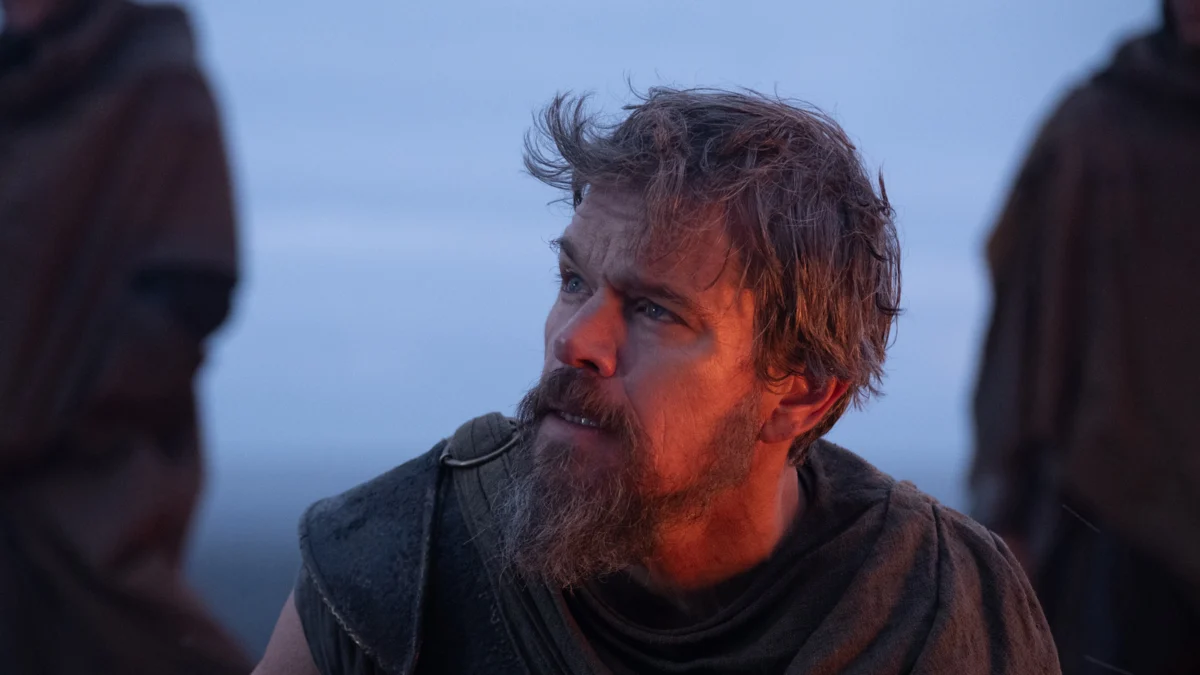
Christopher Nolan has long been obsessed with the architecture of time, the fragility of memory, and the crushing weight of legacy. From the dreamscapes of Inception to the atomic fire of Oppenheimer, his filmography has been a relentless pursuit of the "maximalist blockbuster." Now, with his latest cinematic endeavor, The Odyssey, Nolan has turned his gaze toward one of the foundational texts of Western literature. The result is a sprawling, 173-minute epic that is as exhausting as it is exhilarating—a film that captures the sheer scale of Homeric myth while grappling with the intimate, often agonizing, realities of the human condition.
Main Facts: A Modern Myth for the IMAX Age
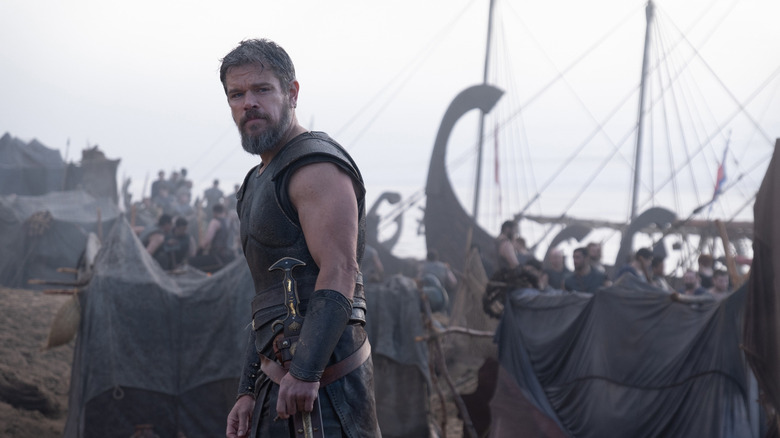
At its core, The Odyssey is a technical marvel designed specifically for the immersive expanse of IMAX. Teaming up once again with his long-time cinematographer, Hoyte van Hoytema, Nolan has crafted a visual landscape where gods, monsters, and men collide. The film follows the legendary King Odysseus—portrayed by a lean, haunted Matt Damon—as he navigates the tumultuous journey back to Ithaca following the decade-long bloodbath of the Trojan War.
However, this is not a straightforward adaptation. Nolan utilizes the structure of Homer’s epic to fracture the narrative, weaving a complex web of flashbacks and present-day stakes. While the production values are undeniably top-tier, the film’s sheer scale feels at times like a director testing the boundaries of his own control. It is a movie that demands total submission from its audience, oscillating between breathtaking sequences of wonder and stretches of pacing that test the limits of even the most devoted cinephile.
The Chronology of a Hero’s Descent
The narrative architecture of The Odyssey relies heavily on a non-linear timeline, a signature Nolan trope that feels particularly well-suited to the source material’s episodic nature.
The Ithaca Stand-Off
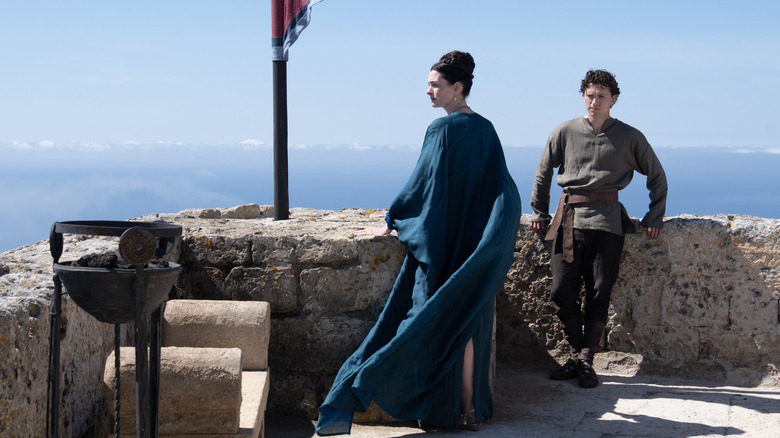
The film opens in the present, three years after the suitors have occupied Odysseus’s palace. Anne Hathaway delivers a performance of profound emotional gravity as Penelope, a woman caught in the suffocating vice of waiting. Her scenes are contrasted with the struggles of Telemachus (Tom Holland), whose quest to discover his father’s fate forms the film’s B-plot. While the film’s historical stakes are high, it is the quiet, domestic tension in Ithaca that provides the necessary anchor for the fantastical chaos elsewhere.
The Wanderings of the Damned
The bulk of the film’s runtime is dedicated to Odysseus’s memories. We see the aftermath of the Trojan War, the harrowing encounters with the Cyclops, and the nightmarish transformation of his men at the hands of the witch Circe (played with scene-stealing intensity by Samantha Morton). Nolan treats these moments not as mere action set-pieces, but as psychological horror. Odysseus is not a triumphant hero; he is a broken man, tormented by his inability to protect his crew, haunted by the gods, and increasingly unsure if he even desires a return to the life he left behind on the island of Ithaca.
Supporting Data: The Cast and Technical Prowess
Nolan’s ensemble cast is a masterclass in varied performances, though not without its friction points.
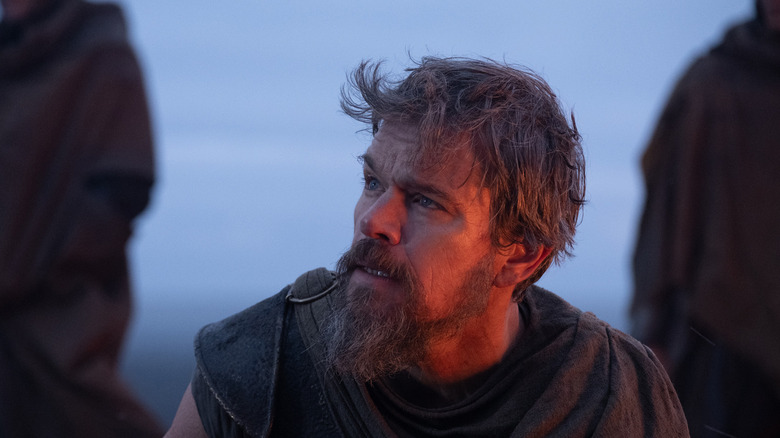
- Matt Damon (Odysseus): Damon provides a grounded, stoic center to the film’s whirlwind. His physicality—emaciated and worn—speaks volumes where dialogue falls short.
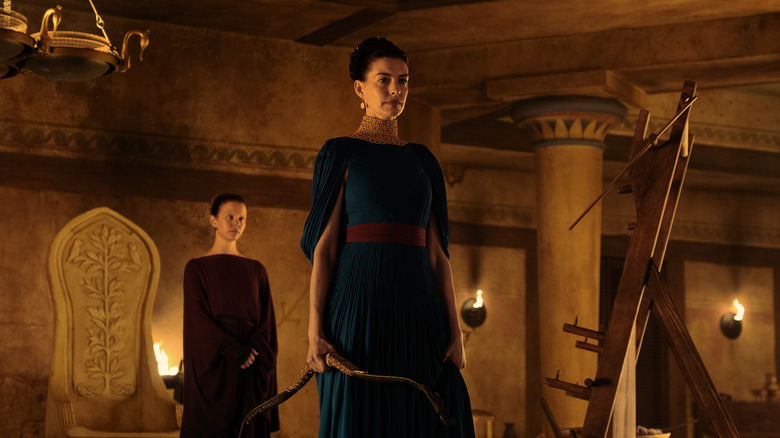
- Anne Hathaway (Penelope): Arguably the emotional heart of the film, Hathaway brings a fierce, intelligent desperation to a role that is often relegated to the background in lesser adaptations.
- Robert Pattinson (Antinous): As the ringleader of the suitors, Pattinson is deliciously repulsive. He embodies the casual cruelty of a man who feels entitled to a kingdom he has not earned.
- The Supporting Players: Elliot Page’s haunting turn as the soldier Sinon and Zendaya’s ethereal, ephemeral performance as the goddess Athena add layers of mythic texture.
However, the film encounters a notable stumble with Tom Holland. As Telemachus, Holland feels somewhat adrift, his performance lacking the weight required to stand alongside the veteran actors surrounding him. In a film that aims for operatic intensity, his portrayal occasionally feels like a discordant note in an otherwise sweeping score.
Official Perspectives and Thematic Underpinnings
In discussions surrounding the film, critics have noted the deliberate choice to have the cast speak in modern colloquial English. While this may feel jarring during the first act, it serves a specific purpose: it bridges the gap between ancient myth and modern existential dread.
Nolan’s The Odyssey draws an explicit parallel to recent genre-defining works like Steven Spielberg’s Disclosure Day. Both films serve as a plea for empathy in an era defined by selfishness and polarization. By stripping away the romanticized veneer of the "Hero’s Journey," Nolan instead focuses on the "existential fallout of war." The director is not interested in glorifying the slaughter; he is obsessed with what happens when the dust settles, the blood dries, and the soldier is forced to confront the person they became in the dark.
Ludwig Göransson’s score further cements this atmosphere. By mixing traditional orchestral percussion with moody, synthesized soundscapes, Göransson creates a sonic environment that feels both ancient and futuristic—a perfect mirror to the film’s thematic fusion of history and modernity.
Implications: The Legacy of Nolan’s Magnum Opus
The most significant implication of The Odyssey is that Christopher Nolan has successfully evolved into a director capable of pure, unadulterated sentiment. For years, critics have accused his work of being cold or overly intellectual. The Odyssey effectively dismantles that criticism.
The film’s final act is a revelation. By subverting the traditional ending of the myth, Nolan manages to recontextualize every tragedy and triumph that preceded it. It is a "magic trick" of storytelling that elevates the film from a mere spectacle to a profound meditation on loss and redemption.
A Master of the Medium
Despite its flaws—the occasionally incoherent action editing and the uneven pacing—The Odyssey remains an essential piece of contemporary cinema. It is a reminder that we still possess the capacity to be "wowed" by the big screen. In an industry increasingly dominated by franchise fatigue and digital dilution, Nolan’s commitment to tangible, large-scale filmmaking is a rare commodity.
The Verdict
The Odyssey is not Christopher Nolan’s best film—that title remains contested among his fans—but it is arguably his most ambitious. It is the type of movie that only he could make, one that requires a massive budget, immense artistic capital, and a singular, uncompromising vision. It is a film that demands to be seen in a theater, not just for the spectacle of its visuals, but for the communal experience of its final, heart-wrenching conclusion.
As the credits roll on July 17, 2026, audiences will likely leave the theater feeling the same duality as this reviewer: utterly exhausted by the journey, yet profoundly moved by the destination. Nolan has not just adapted an ancient poem; he has breathed new life into the very concept of the epic.
Rating: 8/10
The Odyssey opens in theaters globally on July 17, 2026.








