

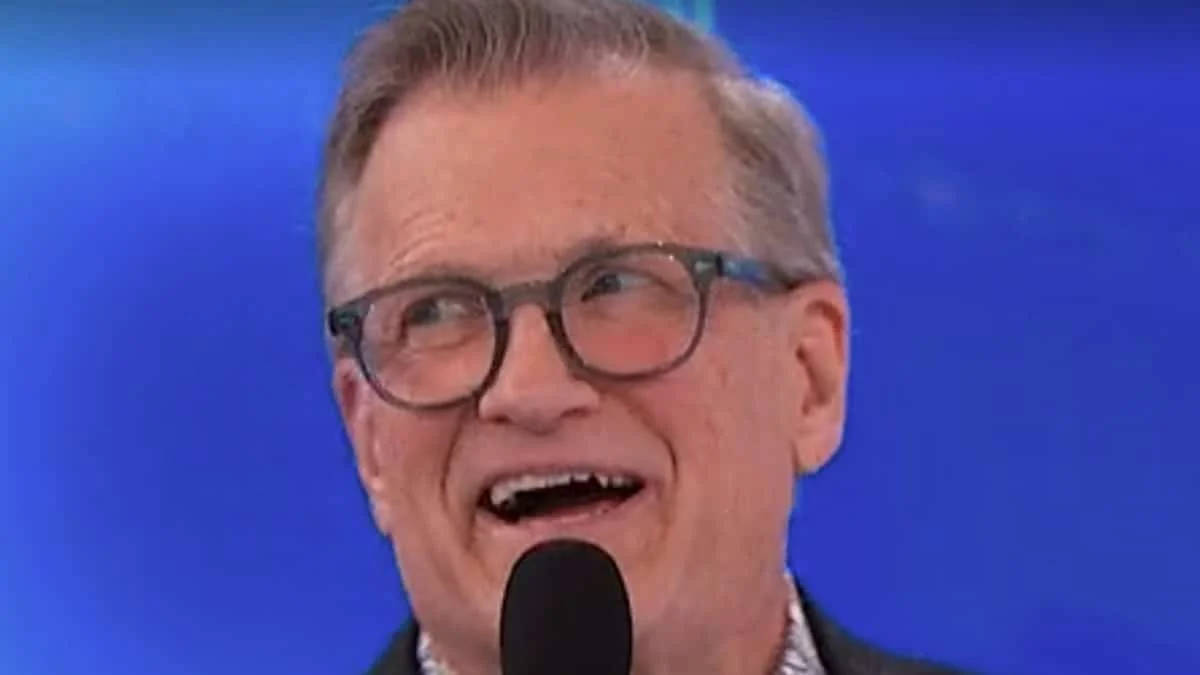
The long-running CBS game show The Price Is Right has found itself at the center of a digital firestorm following a recent decision by its social media team to spotlight a contestant’s significant loss. While the program has survived decades of television evolution, the intersection of legacy media and modern social media strategy appears to have struck a nerve with its dedicated fanbase. At the heart of the controversy is a segment featuring host Drew Carey and a contestant who walked away with less than ten dollars after a grueling round of the classic game "Any Number."
The backlash highlights a growing tension between a show’s need for "viral" engagement and the audience’s desire for the wholesome, aspirational content that has defined the brand since the Bob Barker era.
The Core Controversy: When Engagement Becomes "Nasty Work"
In the landscape of modern television, social media managers are often tasked with driving engagement through "high-emotion" clips. Usually, this involves ecstatic winners, record-breaking spins on the Big Wheel, or humorous "bloopers." However, a recent highlight uploaded to the show’s official YouTube channel took a different approach, showcasing a contestant’s narrow failure to win a high-value prize.
The clip, titled with a provocative question about the game "Any Number," featured a contestant who had successfully navigated the "Contestants’ Row" to earn his spot on stage. After winning a shuffleboard table, the man stood to win a new car, a smart television, or a cash prize from the "piggy bank." The tension of the game culminated not in a celebratory shower of confetti, but in the dreaded "losing horns" sound effect.
Fans immediately took to the comments section to express their distaste. One viewer succinctly labeled the decision to post the clip as "nasty work," a slang term indicating a move that is perceived as unnecessarily cold or mean-spirited. The sentiment among the "Loyal Friends and True"—the show’s self-titled fanbase—was clear: the show should celebrate its winners, not capitalize on the disappointment of its participants for the sake of clicks.
Chronology of a "Loss": The Breakdown of the Any Number Segment
To understand why the audience reacted so strongly, one must look at the specific sequence of events that transpired during the episode.
The Rise from Contestants’ Row
The contestant in question began his journey like thousands before him, accurately bidding on a shuffleboard table to "come on down" to the stage. Upon meeting host Drew Carey, he was presented with "Any Number," one of the show’s oldest and most recognizable pricing games.
The Mechanics of "Any Number"
The game board for "Any Number" features ten digits (0-9) at the top. Below are three potential prizes:
- A New Car: A five-digit prize (the first digit is revealed for free).
- A Smart TV: A three-digit prize.
- The Piggy Bank: A three-digit prize representing a small amount of cash (always under $10.00).
The contestant calls out numbers one by one. The first prize to have its digits completely filled is the prize the contestant wins. The psychological cruelty of the game lies in the "near-miss" factor; it is common for a contestant to be one digit away from a car, only to have their final pick reveal the last digit of the piggy bank.
The Fateful Picks
In this instance, the car’s price began with the number two. The contestant made several strong picks, nearly completing the sequence for both the car and the smart television. As the board sat with only one empty slot remaining for each of the three prizes, the tension in the studio was palpable.
The contestant made his final selection. Instead of the missing digit for the car, the number slid into the final slot for the piggy bank. The total winnings? $9.25.
The Host’s Commentary
Drew Carey, known for his improvisational comedy background, attempted to lighten the mood. Placing a hand on the contestant’s shoulder, Carey remarked, "The good news is nine dollars is the most you can win in the piggy bank, so that’s something." He followed this up by telling the contestant to "Enjoy your double burger," a reference to the meager purchasing power of the prize money.
While Carey likely intended to be self-deprecating on behalf of the show, many viewers interpreted the comments as dismissive or mocking of a contestant who had just missed out on a life-changing asset.
Supporting Data: Audience Sentiment and the "Carey vs. Barker" Debate
The reaction on YouTube and various fan forums provides a data set of viewer frustration. The comments generally fell into three categories:

1. Critique of Social Media Strategy
A significant portion of the audience felt that "The Price Is Right" brand is built on "winning." By choosing to highlight a loss, the show’s digital team was accused of "rage-baiting"—posting content specifically designed to annoy or frustrate viewers to drive comments and shares.
"Showcasing a loss on the YouTube channel is nasty work," one top comment read, garnering hundreds of likes. Another user asked, "What the (BLEEP) Price is Right? Stop showing a losing pricing game in an episode like that."
2. The Hosting Style of Drew Carey
Since taking over the mantle from Bob Barker in 2007, Drew Carey has maintained a steady viewership, but he remains a polarizing figure for "purists." The recent incident reignited criticisms that Carey is too flippant during losses.
One commenter went as far as to say, "Drew Carey is ruining the show," citing his jokes about the "fast food restaurant" burger as proof of a lack of empathy for the contestants. Critics of Carey often contrast his style with Barker’s, who was known for maintaining a sense of high-stakes drama while remaining a "friend" to the contestant.
3. Statistical Frustration
The episode in question was reportedly a difficult one for contestants across the board. "Today’s show just didn’t go well with Side by Side being the only game won," noted one observant fan. When a show has a low win rate, the audience’s patience for "losing highlights" thins significantly. Fans tune in for the "Big Win" dopamine hit; when the show provides the opposite and then "brags" about it on social media, the disconnect is jarring.
Official Responses and Production Context
As of this writing, CBS and the production team for The Price Is Right have not issued an official statement regarding the specific YouTube backlash. This is standard procedure for the show, which typically allows the social media cycle to run its course.
However, industry insiders note that the show has recently been experimenting with different types of digital content. Following its move to a new, state-of-the-art facility in Glendale (Haven Studios) after leaving its long-time home at Television City, the show has been under pressure to modernize its digital footprint. This includes more "behind-the-scenes" looks and "highlight" reels.
The decision to post a loss may have been a calculated attempt by the social media team to show the "reality" of the game. The Price Is Right is one of the few game shows where the "house" often wins, and the producers may have felt that a $9.25 "Piggy Bank" win was a quirky, relatable moment. They clearly underestimated the protective nature of their audience toward the contestants.
Implications: The Future of Game Show Social Media
This incident serves as a case study for legacy brands navigating the "Attention Economy."
The Risk of Brand Erosion
The Price Is Right is more than a game show; it is an institution of American daytime television. Its brand is synonymous with "The Big Prize." If the show begins to be perceived as a place where people are mocked for losing, it risks eroding the goodwill it has built over 50 years.
The Host-Audience Relationship
For Drew Carey, the incident highlights the tightrope he walks. In a modern era where "cringe" comedy is popular, his jokes might land well with a younger demographic but alienate the older, core audience that views the show as a serious opportunity for working-class people to improve their lives.
Engagement vs. Ethics
Social media algorithms reward "watch time" and "comments." By that metric, the "Any Number" loss was a success—it generated significant conversation. However, the quality of that engagement was overwhelmingly negative. Producers must now decide if "bad" engagement is worth the potential alienation of their most loyal viewers.
Conclusion
The controversy surrounding the "Any Number" highlight is a reminder that in the world of game shows, the contestant is the hero of the story. When the production or the host is perceived as the "villain" celebrating or mocking a hero’s downfall, the audience will naturally revolt.
As The Price Is Right continues its historic run, it will need to balance the cold metrics of social media engagement with the warm, celebratory spirit that has made it a staple of the American living room. For now, fans have made their voices heard: they want more "New Cars" and fewer "Double Burgers."










No comments yet. Be the first to join the conversation!