

The digital confetti has settled, the countdown clocks have reset, and the frenzied pace of Amazon’s annual Prime Day has officially concluded. For many, the post-sale period often brings a sense of "buyer’s remorse"—not for what was purchased, but for the deals that slipped through the cracks. However, savvy shoppers understand that the end of a major retail event does not signify the end of significant savings. In fact, some of the most consistent value can be found in the days and weeks immediately following these high-profile sales events.
If you missed out on the recent Amazon Australia Prime Day, or simply found yourself distracted by the sheer volume of offers, you are in luck. A vast array of technology and lifestyle accessories remain heavily discounted, with price tags hovering at or below the AU$50 mark. Remarkably, many of these deals require no Prime membership, effectively democratizing the post-sale landscape for all consumers.
Main Facts: The Resilience of Post-Event Pricing
The primary takeaway from the current retail landscape is that the "Prime Day effect" has a long tail. Retailers often maintain aggressive pricing strategies post-event to clear remaining inventory and sustain site traffic. Currently, Amazon is featuring discounts of up to 71% on a wide variety of essential tech items.
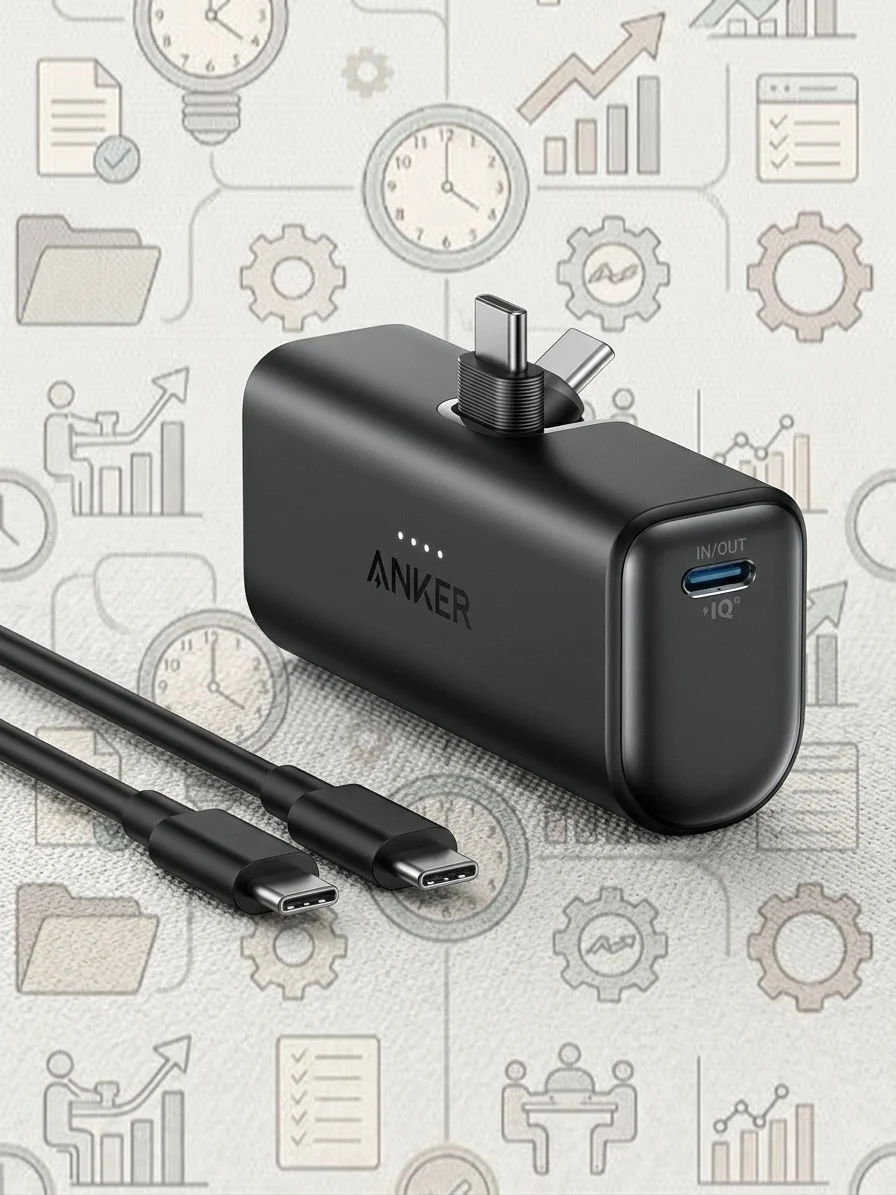
The sweet spot for these lingering deals is the "under AU$50" category. This price bracket is particularly strategic for consumers looking to upgrade their home office, enhance their mobile experience, or acquire niche accessories without breaking the bank. From high-capacity power banks that ensure your devices remain charged during long commutes to ergonomic PC peripherals and high-fidelity Bluetooth audio equipment, the selection remains surprisingly robust.
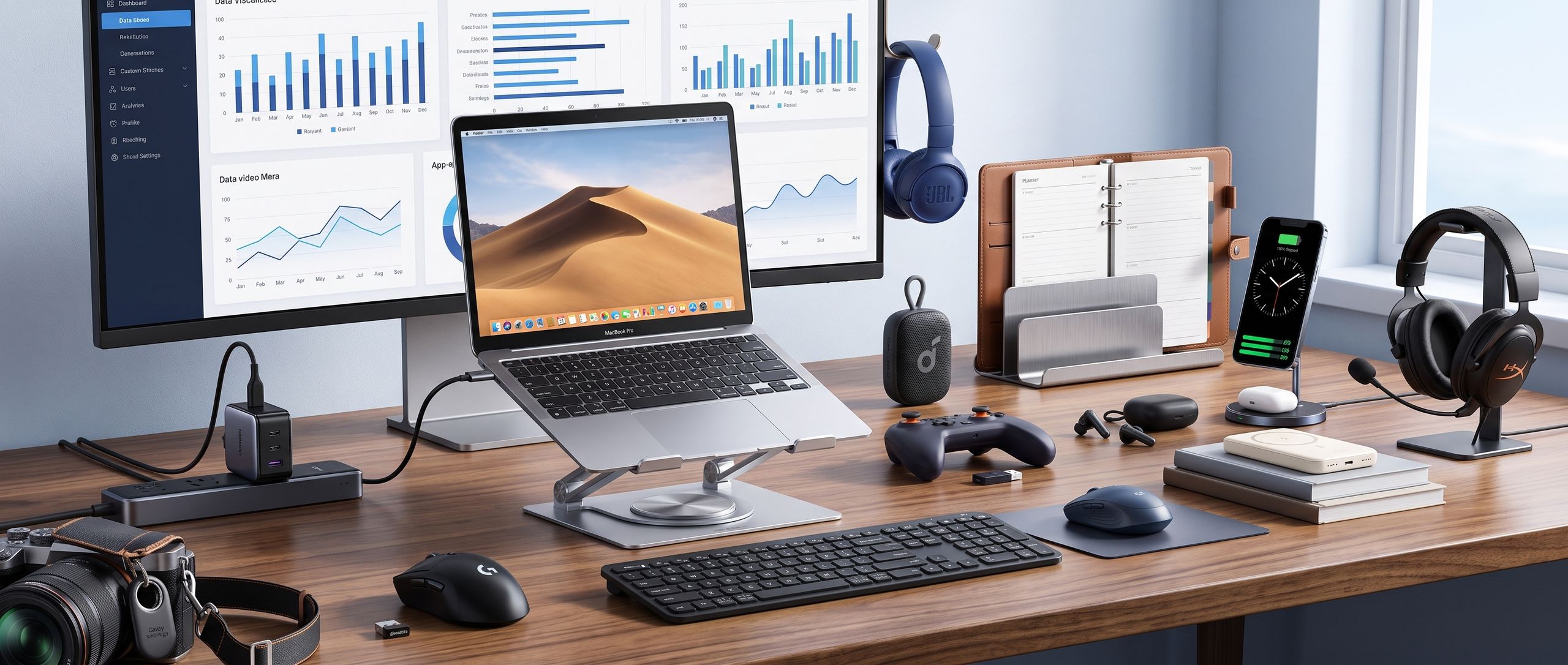
For those who prioritize productivity, the current deals extend to specialized equipment such as air dusters for sensitive electronics, precision gaming mice, and durable controllers that rival higher-priced counterparts in performance.
Chronology: From Peak Sale to Sustained Value
To understand why these deals remain, one must look at the timeline of the retail cycle.
- The Lead-Up (Pre-Prime Day): Anticipation builds as retailers tease "doorbuster" deals, often leading to a spike in consumer traffic as shoppers curate their wishlists.
- The Event (Prime Day): This represents the zenith of promotional activity, characterized by high-velocity sales and limited-time lightning deals.
- The Cooling Period (Immediate Post-Event): In the 48 to 72 hours following the event, the retail ecosystem undergoes a correction. While the most hyped items sell out, mid-tier and essential accessories often retain their discounted status as sellers aim to maintain their rankings on Amazon’s search algorithms.
- The "Long-Tail" Phase (Current Status): We are currently in this phase. Many sellers, having invested in promotional pricing, opt to keep these lower price points active for several days or weeks to maximize inventory turnover before the next major seasonal sale (such as the lead-up to Black Friday or end-of-financial-year clearance events).
Supporting Data: Why Small Purchases Matter
While headlines are often dominated by massive discounts on flagship laptops or 85-inch televisions, the data suggests that the highest volume of consumer satisfaction comes from "micro-upgrades."
Analysis of current listings shows that consumers can still secure:
- Mobile Power Solutions: High-capacity power banks, often essential for modern remote work or travel, remain available at discounts exceeding 50%.
- Audio Gear: Bluetooth speakers and entry-level noise-canceling headphones are consistently listed at 30% to 60% off original retail prices.
- Gaming Peripherals: Wired and wireless gaming mice, which are essential for precision work and play, are currently trending in the AU$30–AU$50 range.
- Utility Tech: Air dusters, cable management kits, and high-speed data transfer cables are seeing deep cuts, often bundled to encourage larger cart totals.
These purchases, while modest in individual price, provide significant utility. For instance, upgrading a worn-out gaming mouse or adding a secondary power bank can drastically improve daily workflow efficiency—an impact that arguably outweighs a larger, less frequent purchase.
Official Perspectives and Market Implications
Industry analysts observe that the move to keep prices low post-event is a deliberate strategy by both Amazon and third-party sellers. By extending the window of affordability, companies are able to mitigate the "post-event slump" and keep their logistics networks active.
"The shift in consumer behavior toward value-conscious purchasing is profound," notes one retail strategist. "When a shopper sees that a product is still 60% off days after a major sale, it lowers the barrier to entry. It builds trust and loyalty, encouraging the customer to return to the platform even when a major sale isn’t active."
Furthermore, the removal of the "Prime membership" requirement for these specific post-sale deals is a significant shift. It acts as a funnel, attracting non-members to the site and potentially converting them into future subscribers by providing a high-quality shopping experience outside of the gated Prime environment.
Implications for the Consumer: A Strategic Approach
For the consumer, the current market climate suggests a change in strategy. Instead of feeling pressured to complete all tech shopping during the 48-hour window of a primary event, buyers can adopt a more measured approach.
1. Curated Shopping Lists
Maintain a list of "nice-to-have" items rather than just "must-haves." When a major sale ends, check these items first. You will often find that the prices remain stable for a week post-event.
2. Ignore the "FOMO" (Fear Of Missing Out)
The pressure of a ticking clock often leads to poor decision-making. By waiting for the post-event phase, you can perform more thorough research, read recent reviews, and compare specs without the rush of a "lightning deal" timer.
3. Leverage "Hidden" Savings
Many of the best deals are found in categories that aren’t on the front page of the Amazon homepage. Use the filter tools to search by "Discount: 50% off or more" and sort by "Price: Low to High." This often reveals high-quality accessories that have been buried by the marketing spend of larger brands.
4. Monitor Price History
Tools that track Amazon pricing history are invaluable. They can reveal whether a "post-Prime Day" deal is actually a genuine bargain or if the price was temporarily inflated to make the discount appear larger.
Conclusion: The Smart Buyer’s Path Forward
The aftermath of a major retail event like Prime Day is not a desert of opportunity; it is a fertile ground for the patient, analytical buyer. By focusing on essential tech upgrades under AU$50, consumers can optimize their personal and professional setups without the financial strain of impulsive, high-ticket purchases.
As the retail industry continues to evolve, the "sale" has become a fluid concept rather than a fixed event. By understanding the ebb and flow of these cycles, you can ensure that you are always getting the best possible value for your money, regardless of whether a major promotional calendar event is currently in progress.
Whether you are looking for that elusive Bluetooth speaker, a reliable power bank, or simply looking to refresh your desk setup with some affordable, high-performing gear, the opportunity remains open. The digital shelves are still stocked, the prices are still competitive, and the best deals might just be the ones you find when the rest of the world has stopped looking.











