

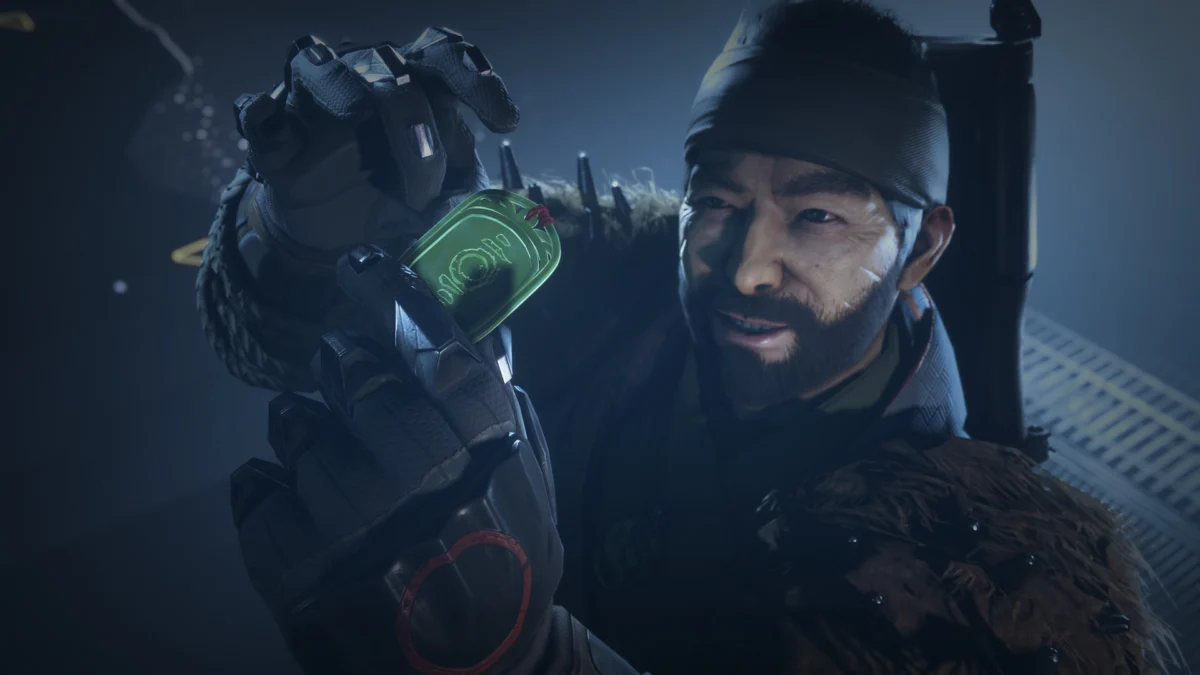
For nearly a decade, Destiny 2 has stood as a titan of the live-service landscape. It was more than just a game; it was a digital home for millions of Guardians, a platform for evolving storytelling, and a benchmark for the first-person shooter genre. However, the news that active development is officially ceasing has marked a somber, albeit record-breaking, conclusion to one of the most storied sagas in gaming history. While the servers will remain operational, the "Monument of Triumph" update has served as the final chapter in the Bungie-led narrative, sparking a massive resurgence in player activity that only underscores the tragic irony of the game’s sunset.
A Legacy of Light and Darkness
When Destiny 2 launched, it promised to redefine the "MMO-lite" experience. Over the years, it weathered massive storms, shifted from paid expansions to a free-to-play model, and survived the departure from Activision to become an independent entity under Sony Interactive Entertainment. Despite its peaks and valleys, the game cultivated a loyal, deeply invested community.
The announcement that active development would conclude next month sent shockwaves through the industry. For many, Destiny 2 represented the pinnacle of the "looter-shooter" genre, combining tight, satisfying gunplay with a rich, expansive lore that spanned galaxies. As the sun sets on this era, the gaming community is left to grapple with the loss of a title that had become a consistent presence in the lives of its players.
Chronology: The Path to the Final Update
The decline of Destiny 2 did not happen overnight, nor was the decision to end development a sudden whim. It was the result of a long, turbulent period for Bungie.
- 2024 (Summer): The game experienced a massive surge in interest, nearing its all-time concurrent peak of over 316,000 players on Steam. This period was widely considered a high-water mark for the game’s long-term health.
- Late 2024 – Early 2026: Internal reports began to circulate regarding Bungie’s struggles to meet revenue expectations. As the studio pivoted resources toward the upcoming extraction shooter Marathon, the Destiny 2 team faced mounting pressure.
- June 2026: The release of the "Monument of Triumph" update. This patch was framed as the final major content drop, designed to celebrate the history of the game.
- July 2026: Official data confirmed that the "final send-off" successfully lured back a massive portion of the player base, briefly masking the underlying structural issues that led to the decision to shutter active development.
Supporting Data: A Statistical Surge
The data surrounding the final weeks of Destiny 2 is as impressive as it is heartbreaking. According to SteamDB, the game saw a massive influx of users during the "Monument of Triumph" rollout, with concurrent player counts hitting upwards of 165,000.
Further validation of this phenomenon comes from Circana senior director Mat Piscatella, whose Player Engagement Tracker for June 2026 provided a broader look at the industry. While raw Steam concurrent figures are one thing, the Monthly Active User (MAU) charts tell an even more compelling story. Destiny 2 rocketed from the 32nd position in May to the 5th most-played game on Steam in June.
This meteoric rise indicates that while the "death" of the game had been signaled, the community’s desire to participate in the final celebration was immense. It was a "last hurrah" that proved the game’s core appeal had never actually faded—the players were there, but the developer’s support had already shifted elsewhere.
Official Responses and Studio Restructuring
The reality behind the numbers is stark. Following the announcement, it was revealed that Sony/PlayStation had initiated significant layoffs within the Destiny 2 development team. Bungie’s management cited that the MMO had "fallen short of expectations" over the past several years, a corporate justification that has been met with widespread skepticism and anger from the community.
The shift in focus to Marathon is a gamble for Bungie. By moving the majority of their talent to a new, unproven extraction shooter, the studio is effectively cannibalizing its most successful IP to chase current market trends. This strategy has not gone unnoticed by the industry at large.
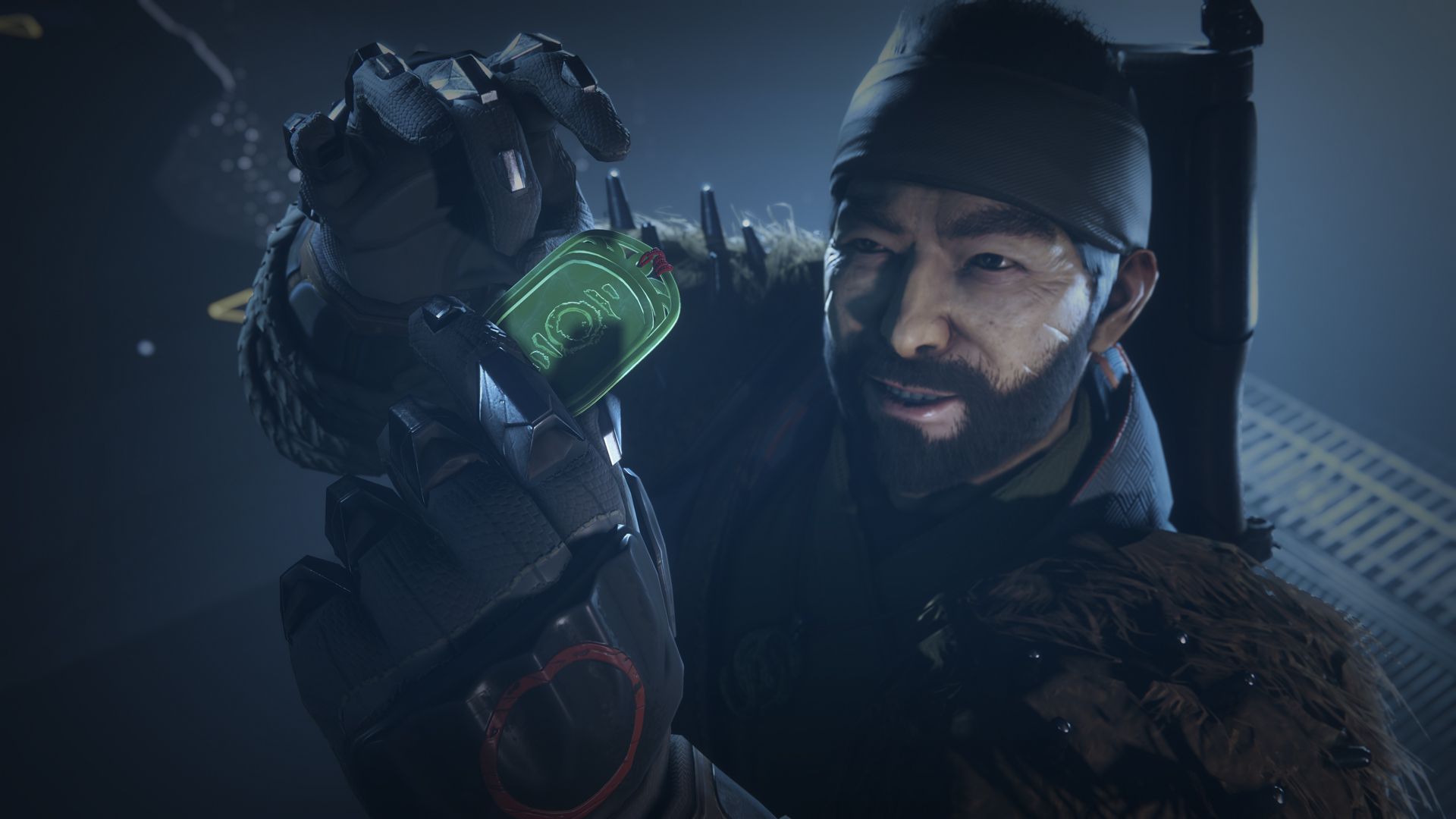
Rebecca Ford, the creative lead on Warframe—often considered Destiny 2’s primary competitor—expressed the industry’s collective anxiety regarding these events. Ford characterized the news as "horrible" for everyone, noting that it serves as a cautionary tale: "It’s not the first time it’s happened, and it’ll happen again." This sentiment highlights the fragility of live-service titles, where the success of a decade-long project can be discarded in favor of shifting corporate priorities.
The Implications: What Happens When a Live Service Dies?
The "end" of Destiny 2 is not a literal shutdown of the servers, but rather a "maintenance mode" state. For the average player, this raises existential questions about the future of digital ownership and the longevity of games that require an internet connection to function.
The Lore Master’s Lament
The frustration within the community is best exemplified by the reactions of long-time lore masters and content creators. Many have pointed to secret scenes and narrative threads left dangling, arguing that the game’s potential was at an all-time high just as the plug was pulled. One prominent lore enthusiast remarked, "I am utterly livid," citing that the final secret scenes revealed a roadmap of potential that will now never come to fruition.
The Industry Perspective
From an industry standpoint, the Destiny 2 situation is a watershed moment. It highlights the inherent volatility of the Games-as-a-Service (GaaS) model. When a company relies on a single massive project to sustain its operations, the moment that project stops hitting financial targets, the fallout is devastating.
The layoffs at Bungie are not just a tragedy for the developers who lost their jobs; they represent a loss of institutional knowledge. The people who built the systems, wrote the code, and crafted the world of Destiny are being dispersed, making it increasingly difficult for the studio to replicate that same level of magic in future projects.
A Final Reflection
As we look back at the journey of Destiny 2, it is clear that the game was a cultural phenomenon. It bridged the gap between competitive multiplayer and cooperative storytelling in a way few other games have managed. Its final surge in player engagement in June 2026 serves as a testament to the community’s passion—a community that was ready to keep playing, keep grinding, and keep supporting the game for years to come.
Ultimately, Destiny 2 serves as both a success story and a warning. It proved that a game could be a living, breathing entity that evolves over a decade. Yet, it also demonstrated that even the most successful, most beloved titles are ultimately subject to the whims of boardrooms and the shifting tides of corporate strategy.
For the Guardians who spent thousands of hours in the Tower, who perfected their loadouts, and who faced down gods and monsters in the raids, the end of active development is the closing of a chapter. While the servers may remain, the spirit of the game—the constant evolution, the weekly resets, and the feeling of being part of a larger, living narrative—has officially reached its conclusion. Destiny 2 will be remembered as a pioneer, but its sunset is a stark reminder that in the world of modern gaming, nothing lasts forever.










