Neng Nana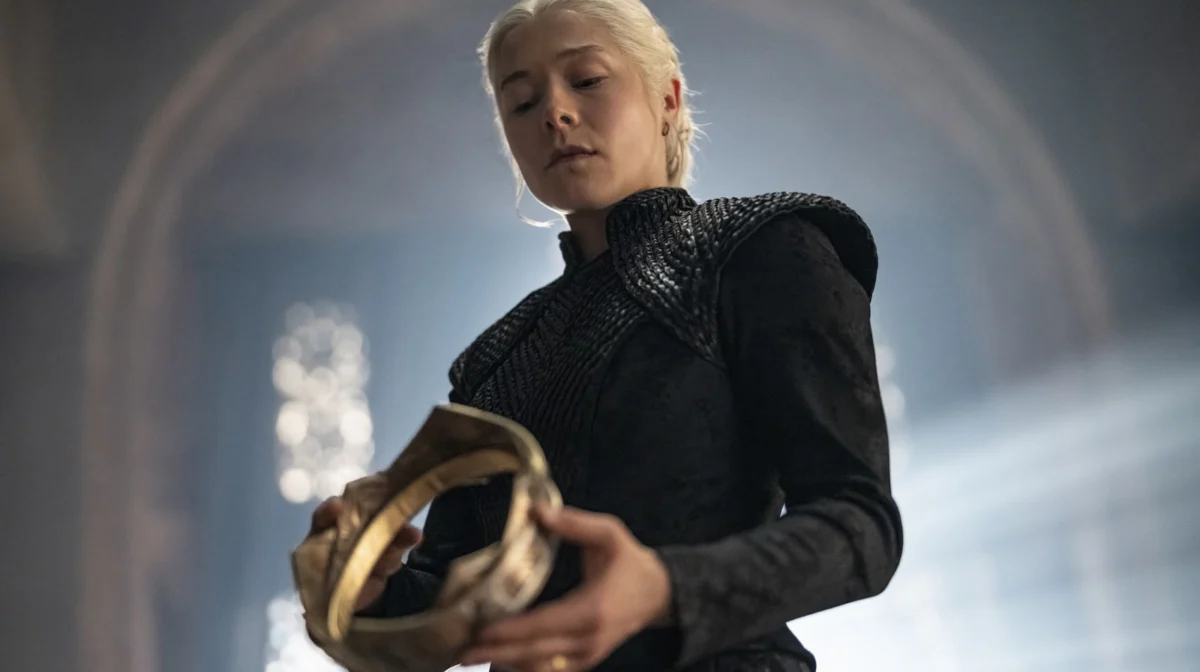
The political landscape of Westeros has never been more volatile. As the Targaryen civil war—the Dance of the Dragons—enters its most brutal phase, House of the Dragon returns for its third season with the weight of immense expectation and the shadow of public controversy. Showrunner Ryan Condal, tasked with steering this behemoth of a series through the treacherous waters of George R.R. Martin’s "Fire & Blood," finds himself at a critical crossroads.
Following a sophomore season that faced significant criticism for its pacing and structural deviations, the third outing of HBO’s flagship fantasy drama arrives as a testament to the challenges of adaptation. Through the first four episodes, it becomes clear that the series is no longer trying to mirror the structure of its predecessor, Game of Thrones. Instead, it is doubling down on a darker, more divisive identity. While the production values remain peerless, the narrative path forward is as messy and conflicted as the characters who inhabit it.
Main Facts: The State of the Realm
At its core, House of the Dragon Season 3 is an exercise in escalating conflict. The season begins in the immediate, jagged aftermath of the events that concluded the second season, grappling with the fallout of a war that has moved from cold maneuvering to outright, fire-breathing catastrophe.
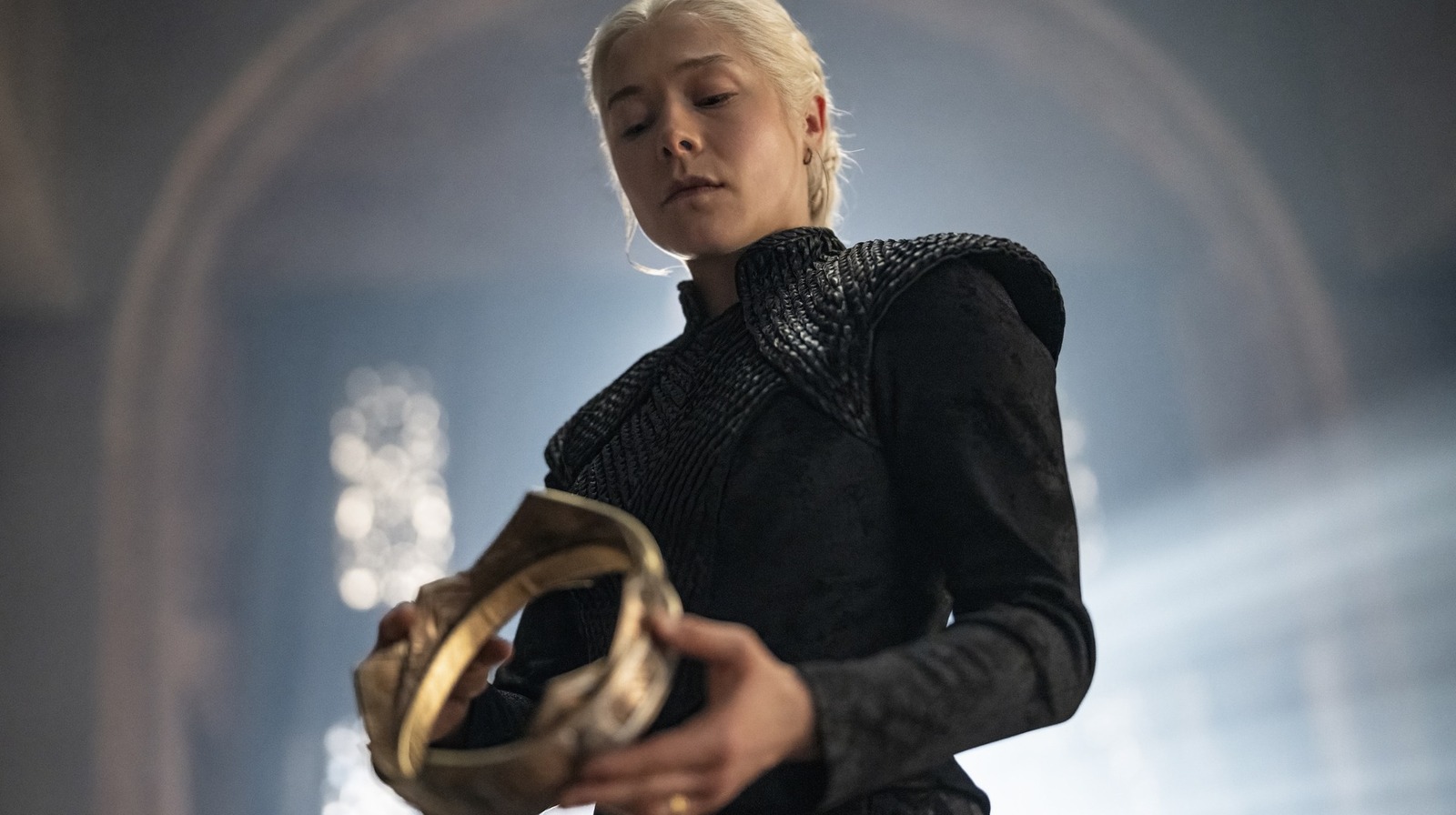
The central tension remains the struggle for the Iron Throne between Rhaenyra Targaryen and her half-brother, Aemond, who currently occupies the seat of power in King’s Landing. However, the season shifts its focus from the "will they or won’t they" of open warfare toward the internal decay of the participants. The narrative is defined by the high cost of leadership, the moral erosion of its leads, and a visual commitment to the "fire and blood" that gives the source material its name. With eight episodes in total, the first four—provided for review—paint a picture of a show that is technically masterful but narratively uneven.
Chronology: A Season of Two Halves
The pacing of House of the Dragon has been a point of contention since the series began, and Season 3 is no exception. The season effectively operates in two distinct modes: the "blockbuster" spectacle and the "introspective" drama.
The Opening Gambit
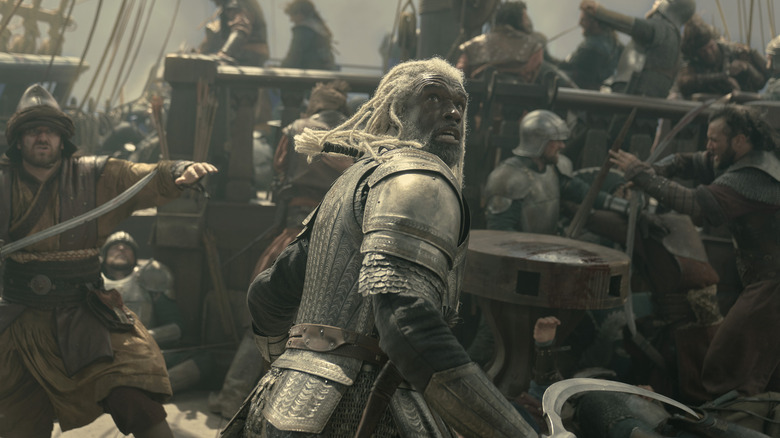
The premiere wastes no time, throwing viewers directly into the aftermath of the Battle of the Gullet. From a technical standpoint, these sequences are breathtaking. Ramin Djawadi’s score, which subtly weaves new motifs into the classic Game of Thrones themes, provides a haunting backdrop for the destruction of the Targaryen fleet. However, the show stumbles in its attempt to balance this scale with emotional stakes. While the Battle of the Gullet is visually unmatched, it frequently relies on supporting characters who lack sufficient screen time for the audience to form a genuine emotional connection. Consequently, the action feels detached—a grand spectacle that lacks the necessary narrative gravity.
Finding its Footing
It is not until the third episode that the season truly finds its rhythm. By this point, the "leftover" plot points from the truncated second season are finally resolved, and the show settles into a more character-driven pace. This shift allows the writers to explore the psychological toll of the civil war on Rhaenyra and Alicent. The narrative finally begins to lean into the, at times, disturbing nature of Martin’s prose, pushing the protagonists toward the point of no return.
Supporting Data: The Talent Behind the Dragon
While the script may occasionally struggle with structural cohesion, the performances remain the show’s undisputed anchor.
Emma D’Arcy’s Masterclass
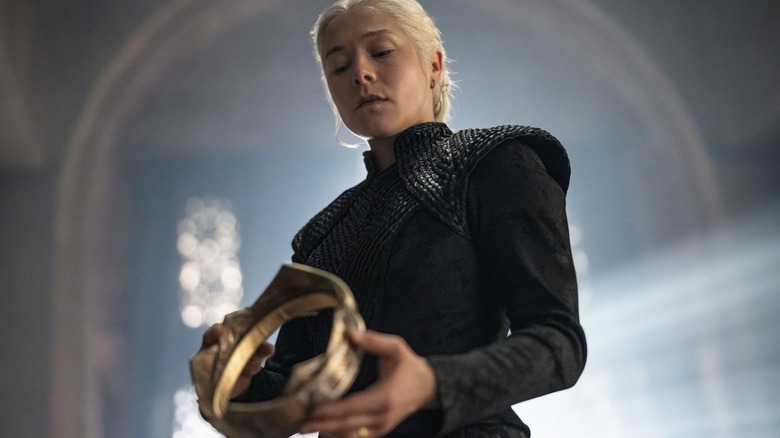
Emma D’Arcy’s portrayal of Rhaenyra Targaryen is, without hyperbole, the most compelling element of the entire season. D’Arcy brings a vulnerability and a simmering ferocity to the role that elevates the material significantly. As Rhaenyra grapples with the realization that the throne she has sacrificed everything for might be a poisoned chalice, D’Arcy delivers an Emmy-worthy performance that grounds the more fantastical elements of the show.
The Ensemble Cast
The supporting cast is equally impressive, with enough depth to make even the smaller roles feel significant:
- Matt Smith (Daemon Targaryen): Continues to channel the character’s inherent instability and stubbornness with chilling charisma.
- Olivia Cooke (Alicent Hightower): Provides the perfect foil to D’Arcy, portraying a woman who is increasingly alienated from the very structures she helped build.
- Ewan Mitchell (Aemond Targaryen): Effectively captures the terrifying, laser-focused malice of the usurper king.
- New Additions: Actors like James Norton, Dan Fogler, and Annie Shapero bring fresh energy to the ensemble, suggesting that the world-building is expanding in ways that will likely pay dividends in the latter half of the season.
Official Responses and Creative Friction
The relationship between the show’s creative team and author George R.R. Martin has become a sub-plot in its own right. Martin’s public critique of the show’s direction—specifically regarding the choices made in the second season—has created a narrative of "original versus adaptation" that looms over the production.
Ryan Condal has responded to these pressures by doubling down on his vision. By choosing to steer the story into darker, more morally ambiguous territory, Condal is making a definitive statement about the show’s purpose: to be a distinct entity, independent of both the source text’s rigid structure and the fan expectations born from Game of Thrones. Whether this is a bold artistic choice or a fatal miscalculation remains the central question for the show’s long-term legacy.
Implications: The Future of Westeros
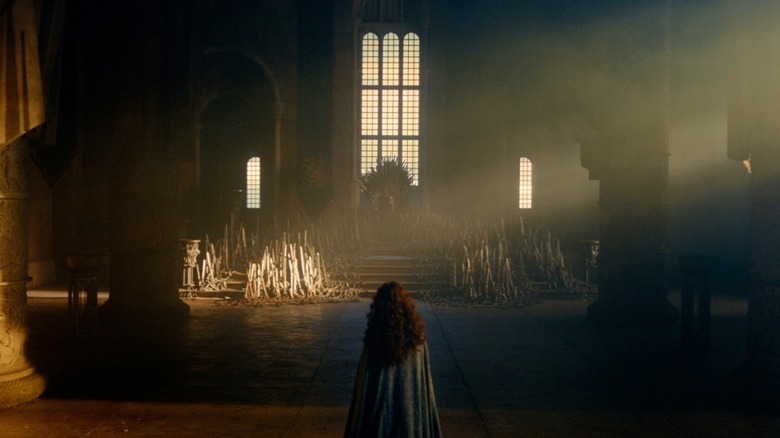
The implications of this "mixed-bag" approach are significant. For casual viewers who tune in for the dragons, the spectacle, and the high-stakes drama, Season 3 will likely succeed. The production value is at an all-time high, and the world of Westeros remains as captivating as ever.
However, for the diehard purists, the season presents a challenge. The structural disarray inherited from the previous season is a "dragon in the room" that cannot be ignored. The pacing feels, at times, as if the writers are playing catch-up, trying to force the narrative toward a destination they weren’t initially planned for.
A Necessary Evolution?
Despite these flaws, there is a silver lining. The latter half of the season promises a more focused, consolidated narrative. If the series can maintain the character-driven momentum established in the third and fourth episodes, it may well solidify itself as the most distinctive and provocative era of the Game of Thrones universe.
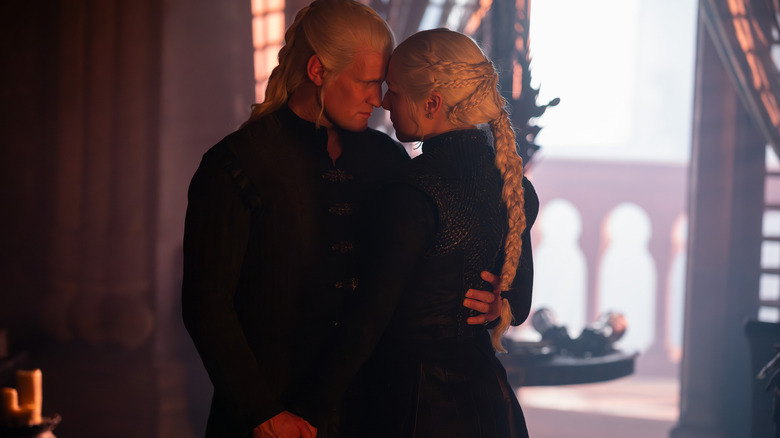
The war is messy, and the show is, by its own admission, reflecting that chaos. The "mixed results" of these early episodes are a symptom of a show that is still growing, still learning, and still fighting for its own identity. While it may not be the flawless adaptation that some hoped for, it remains a television experience that is impossible to look away from.
As we approach the mid-season point, the question is not just who will sit on the Iron Throne, but whether the show can reconcile its grand ambitions with its structural hurdles. With a 6/10 rating based on the first four episodes, House of the Dragon sits in a precarious position—promising, flawed, and undeniably worth the watch.
House of the Dragon Season 3 premieres on HBO and Max on June 21, 2026.


 Jia Lissa
 Muslim