

June has arrived, bringing with it the relentless momentum of the 11th annual Self-Published Fantasy Blog-Off (SPFBO). As the competition moves deeper into its first phase, the editorial team at Fantasy-Faction has reached a significant milestone: the fourth round of eliminations. With this latest cull, three more titles have been removed from contention, narrowing the field as the judges prepare to shift their focus toward the final selection of semi-finalists.
The SPFBO remains one of the most prestigious and grueling gauntlets for independent fantasy authors. By design, the competition is a test of endurance and editorial scrutiny, where hundreds of submissions are whittled down to a handful of exceptional works. As the team moves forward, only eight books remain on the chopping block before the semi-finalist stage begins, at which point the intensity shifts from broad assessment to deep-dive, dedicated reviews for the remaining top-tier contenders.
The Philosophy of Subjective Critique
It is essential to reiterate the ethos that governs the SPFBO process. The judges do not operate on a rigid, linear reading schedule, nor do they rank books on a binary scale of "worst to best." Instead, the process is iterative. Every title is granted the time and space to prove its merit, and the transition from round to round is based on a consensus of reading experiences.
The organizers emphasize that reading is inherently subjective. A book that fails to resonate with one set of judges may be a masterpiece for a reader with different tastes. The SPFBO does not claim to define objective quality; rather, it aims to act as a discovery engine, connecting readers with high-potential independent literature that might otherwise be lost in the vast expanse of the digital marketplace. For the authors who have been cut, the team expresses profound gratitude. Entering a competition of this scale requires immense professional courage, and the effort invested by every entrant is recognized and respected.
Analysis: Sigil of Enderune by Rosaire Bushey
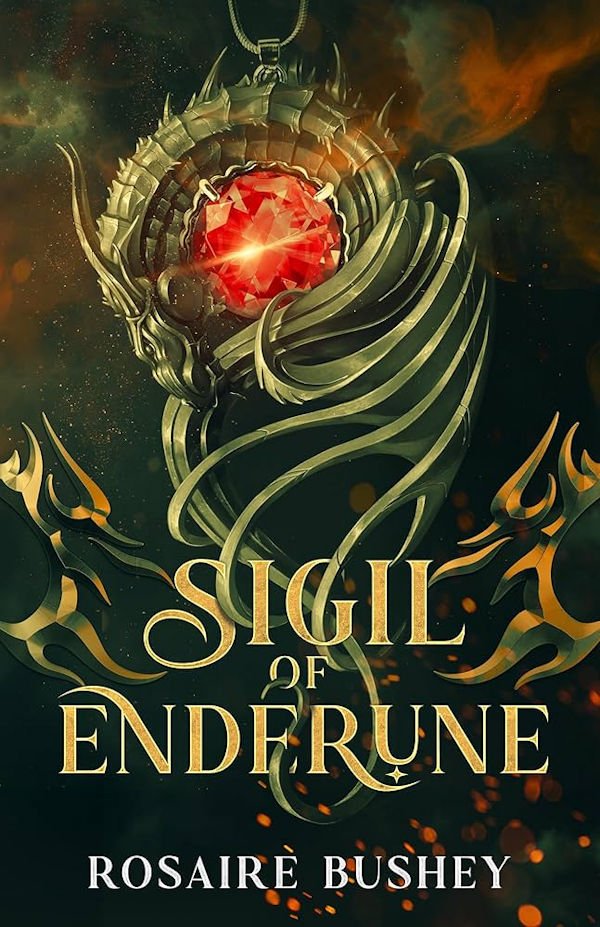
The first title under the microscope in this round was Sigil of Enderune by Rosaire Bushey. Set in the world of Revin, the novel introduces an inventive magic system where spells are not merely cast, but meticulously written, with the artist’s choice of ink, brush stroke, and directional intent dictating the outcome. The premise of the "Artificer"—a legendary figure capable of wielding magic through thought alone—serves as the story’s primary catalyst, driving the narrative tension.
Strengths and Structural Hurdles
The team found much to praise in the worldbuilding. The magic system is undeniably creative, and the inclusion of the "Snapdragons"—small, memorable, and spirited creatures—provided some of the book’s highest points. For some judges, the political intrigue and the underlying rebellion plot provided enough momentum to sustain interest, with one judge completing the entire volume in a single sitting.

However, the consensus ultimately leaned toward the critical. A significant barrier to entry was the opening act, which left many judges struggling to identify the primary cast or follow the internal logic of the plot. Characterization proved to be a persistent issue; the male leads were described as difficult to distinguish, and the protagonist failed to leave a lasting impact. Technical issues, including "head-hopping" (frequent, disorienting shifts in point-of-view) and a lack of consistent reintroductions for recurring characters, created a sense of confusion that undermined the narrative flow.
The Editing Imperative
The most consistent feedback centered on the need for more rigorous editorial polish. Awkward sentence construction, factual contradictions, and inconsistent spelling of character codenames were frequently cited. Given that this is the author’s ninth novel, the judges expected a higher degree of technical precision. While the "bones" of the story are robust, the team concluded that the manuscript required further development before its publication.
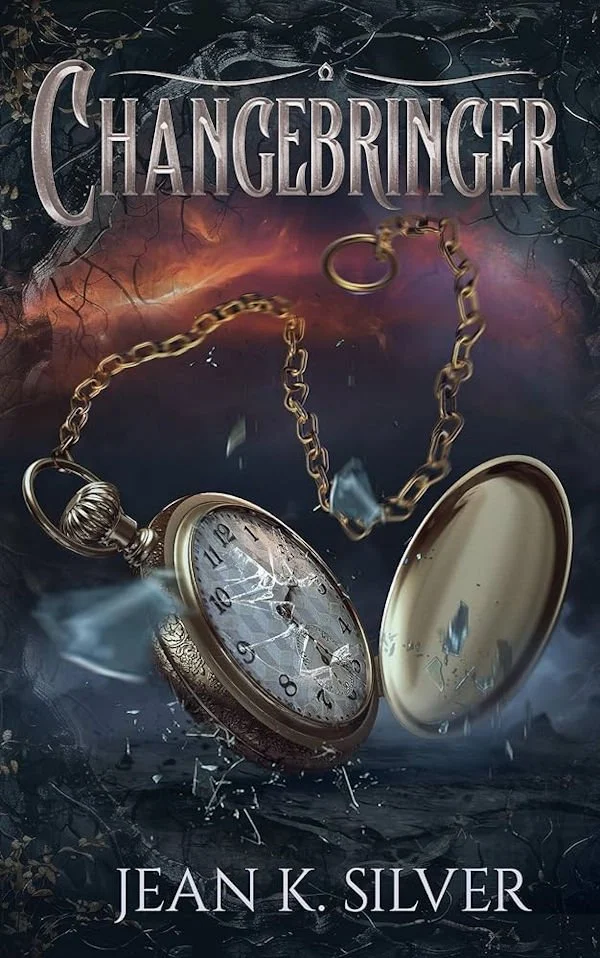
Analysis: Changebringer by Jean K. Silver
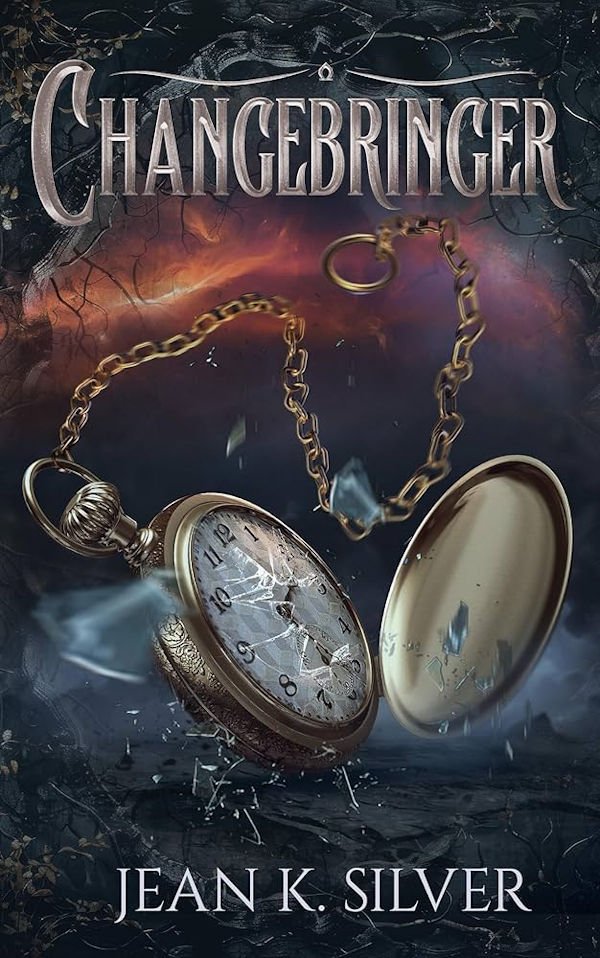
The second title, Changebringer by Jean K. Silver, presented a complex "romantasy" premise involving a priestess of the Lord of Time and an immortal vampire. Aurelia, tasked with sewing shut rips in the fabric of existence, finds her solitary, sacred duty disrupted by the relentless advances and mysterious past of Vlad.
The Romantasy Divide
The team’s reception of Changebringer was polarized, largely splitting along the lines of the judges’ affinity for the romantasy subgenre. For those who enjoy themes of eternal devotion and time-bending stakes, the hook was compelling.
However, several judges were unable to bridge the gap created by immersion-breaking elements. The primary critique was the use of modern, anachronistic vernacular for characters situated in historical settings, which hindered the sense of temporal realism. Furthermore, the narrative structure fell into a "rinse and repeat" cycle. While the concept of traveling through time is grand, the implementation often felt claustrophobic. Despite the vast span of centuries covered, the settings remained largely indistinguishable from one another, with the weight of time failing to register for many readers.
A Deeper Dive into the Narrative Mechanics
Julia, a judge who typically avoids the romance genre, provided a nuanced perspective. She found the romance refreshing, noting the absence of common tropes like "miscommunication-as-plot" or toxic power dynamics. The characters behaved like adults, handling their conflicts with a maturity that was highly appreciated.
Yet, the pacing issues were significant. The story’s reliance on "near-miss" rescues and sudden, convenient plot turns eventually flattened the tension, turning what should have been high-stakes drama into a repetitive loop. While the book succeeds as a character-driven romance, the lack of world-building depth and the repetitive nature of the time-travel mechanics made it a difficult sell for the broader panel.
Analysis: Keeper of the Gate by Margaret Feuerman
The final title reviewed, Keeper of the Gate by Margaret Feuerman, offers a stark contrast to the previous entries, settling firmly into the "noblebright" subgenre. The narrative follows Bess Sonnenberg in a multi-generational struggle against an encroaching, monster-birthing fog known as the "Froth."
The Appeal of Noblebright
For judge EG, Keeper of the Gate was a resounding success. The book excels at portraying the growth of a leader, tracing Bess’s journey from a child struggling with her legacy to a queen fighting for her people’s survival. The pacing was noted as being steady and methodical, offering enough "breathing room" between action sequences for the reader to become invested in the characters’ personal development.
The worldbuilding was specifically lauded for avoiding the tropes of a standard patriarchal medieval setting, instead creating a culture deeply scarred and shaped by centuries of existential war. While the plot follows a somewhat predictable arc—a hallmark of noblebright fantasy where the triumph of good is the expected outcome—the execution was deemed highly effective.
The Complexity Gap
For other judges, however, the simplicity of the work was a point of contention. Some found the characters to be overly straightforward, lacking the psychological depth or moral ambiguity required to keep them engaged. The writing style, for some, felt scattered, preventing them from fully immersing themselves in the world.
Ultimately, Keeper of the Gate is a title that knows its audience. It will satisfy readers who crave a classic battle between light and darkness, but it may struggle to win over those who prioritize complex, morally grey character studies.
Looking Ahead: The Path to the Semi-Finals
With these three titles now cut, the SPFBO 11 leaderboard continues to evolve. The competition has reached a critical juncture, with only 12 books remaining in the current pool. The pressure on both the authors and the judges is mounting as the team works to identify the four semi-finalists who will move on to the final stage of the competition.
Summary of Current Status
- Total Books Remaining: 12
- Next Milestone: Selection of 4 semi-finalists.
- Ongoing Support: The team encourages readers to visit the official SPFBO website to track the full list of 300 entries and stay updated on upcoming reviews.
Implications for Independent Authors
The diversity of the feedback provided during this round highlights the inherent challenge of the self-publishing landscape: finding the right audience. Whether it is a matter of technical editing, genre-specific pacing, or the balance between simplicity and complexity, these reviews serve as a roadmap for authors looking to refine their craft. The SPFBO remains a vital platform, not just for crowning a winner, but for providing the constructive, multifaceted critique that is often missing in the solitary act of self-publishing.
As the judges turn their attention to the final dozen, the focus will remain on identifying works that combine technical proficiency with compelling, unique narratives. For the authors still in the running, the next few weeks will be the most critical of their careers, as the blog-off inches closer to crowning the champion of the 11th annual cycle.










