

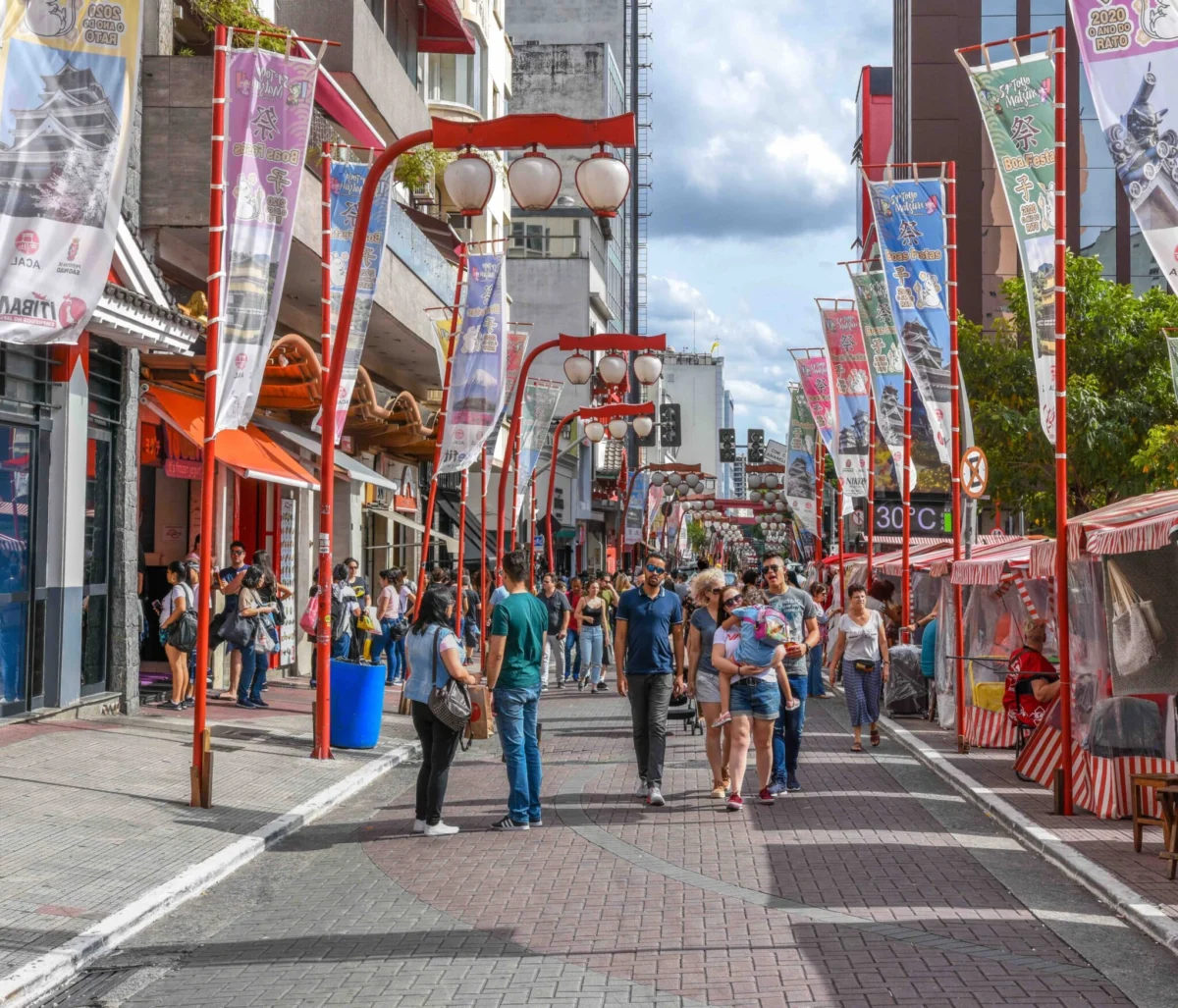
The relationship between Japan and Brazil is one of the most profound examples of cross-continental migration in modern history. Today, Brazil is home to the largest Japanese population outside of Japan, with over 2.7 million Nikkei—individuals of Japanese descent—living across the South American nation. Known locally as the Nipo-Brasileiros, this community serves as a living bridge between two distinct cultures.
The movement across the Pacific, however, has not been a one-way street. In the latter half of the 20th century, Japan became the home of the fifth-largest Brazilian community abroad. These immigrants, initially known as dekasegi (migrant workers), were recruited to address Japan’s severe labor shortages. What began as a temporary economic arrangement evolved into a permanent demographic shift, with vibrant Brazilian enclaves now flourishing across the Japanese archipelago.
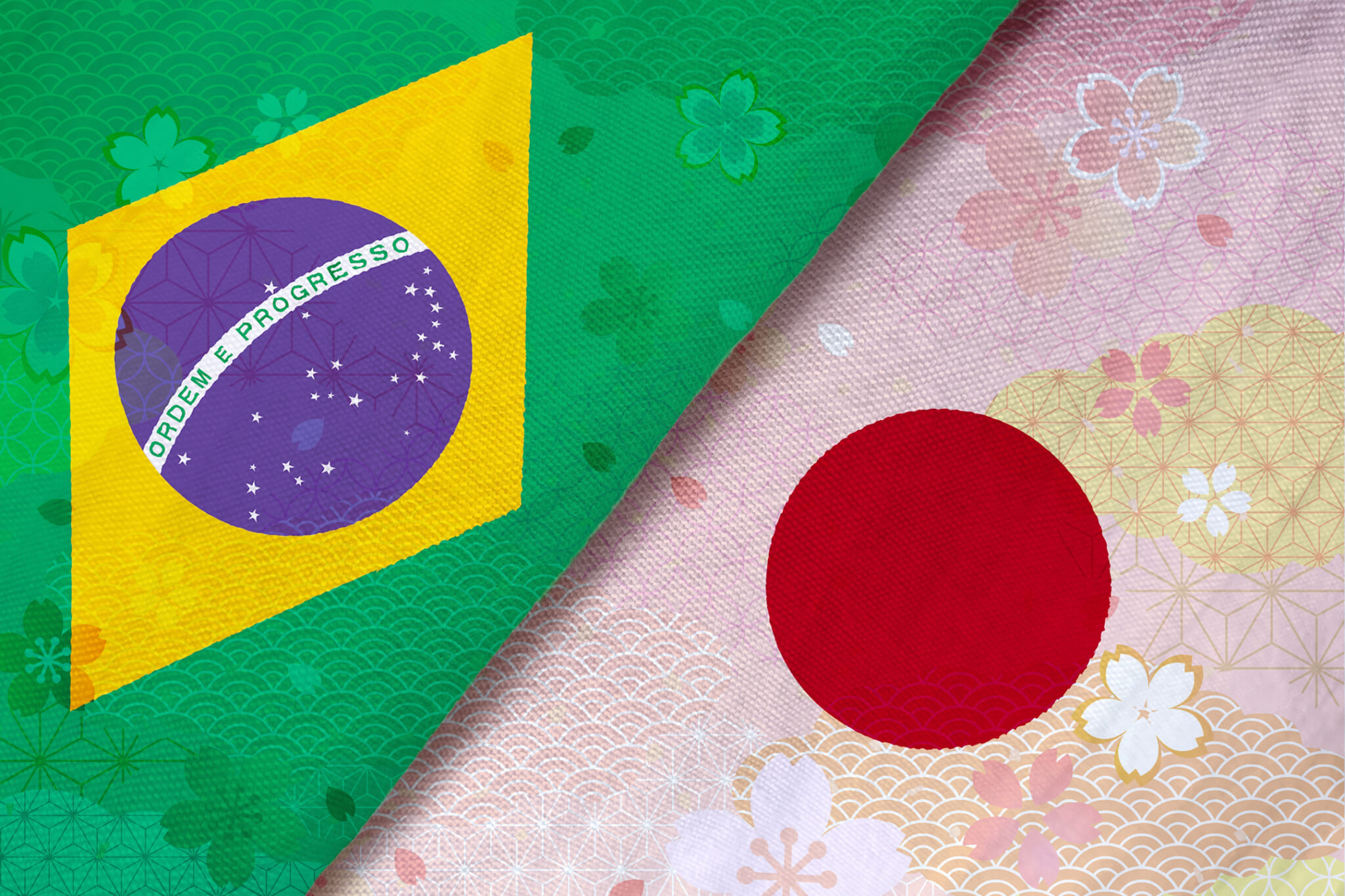
130 Years of Shared History: From Famine to Prosperity
The diplomatic foundations of this migration were laid in 1895 with the signing of the Treaty of Friendship, Commerce, and Navigation. This document established formal diplomatic representation and set the legal framework for bilateral immigration.
A Chronology of Movement
- 1895: Treaty of Friendship, Commerce, and Navigation is signed.
- 1905: A devastating famine in the Tohoku region of Japan forces families to look abroad for survival.
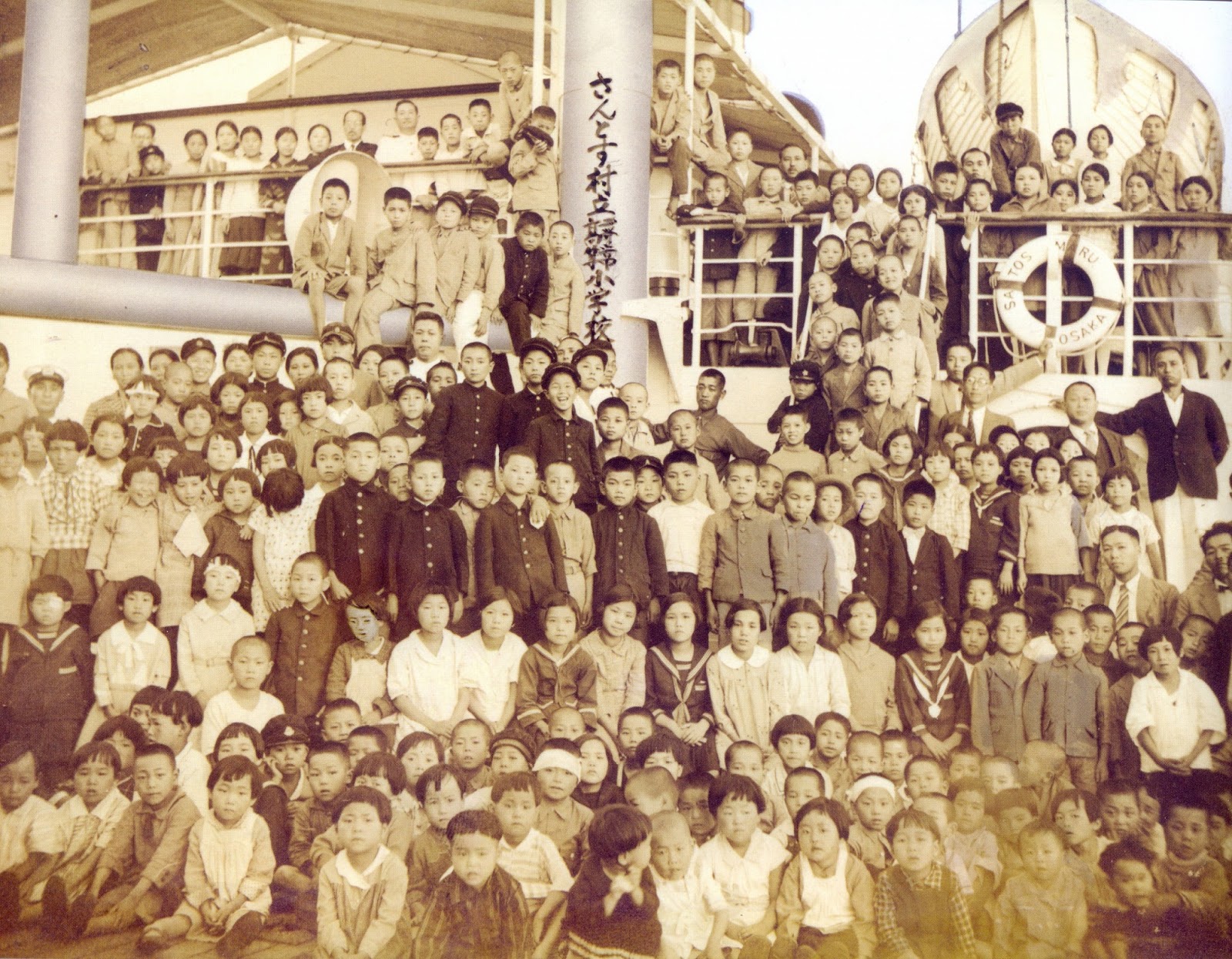
- 1908: The Kasato Maru docks in the Port of Santos, Brazil, carrying the first wave of 781 Japanese immigrants.
- 1930s: Continued migration expands the community, despite the grueling conditions on coffee plantations.
- 1990: The Japanese government amends the Immigration Control and Refugee Recognition Act, granting long-term residency to the descendants of Japanese emigrants, sparking the dekasegi phenomenon.
- Present Day: A deeply integrated, dual-cultural exchange persists, influencing gastronomy, language, and social policy in both nations.
The Reality of Early Immigration
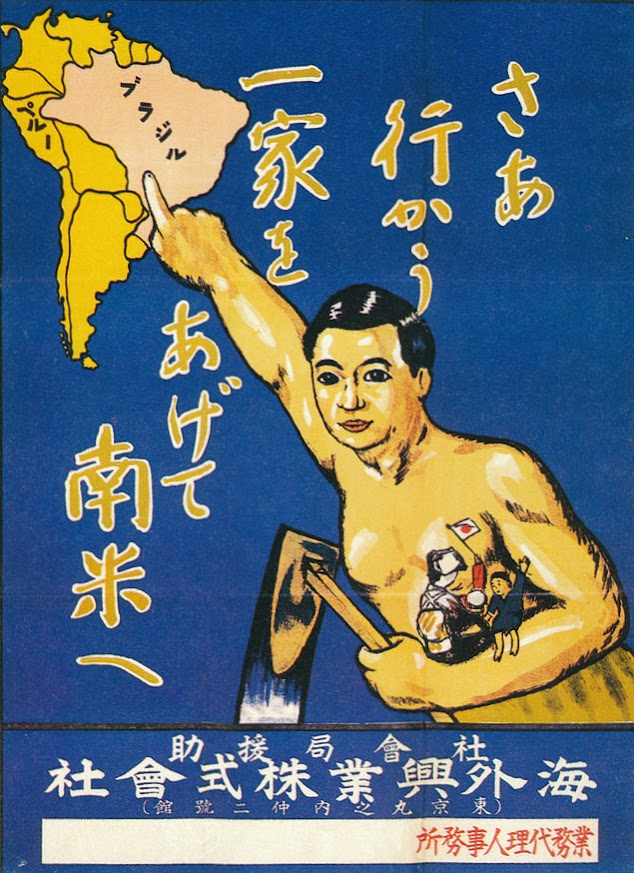
At the turn of the 20th century, Japanese state-sanctioned propaganda painted Brazil as a land of "golden soil" and boundless opportunity. However, the reality faced by the Kasato Maru passengers and those who followed was far more arduous. Many immigrants, having never left Japan, found themselves in the unfamiliar, humid environment of Brazil’s interior. Having arrived shortly after the abolition of slavery in Brazil, many Japanese immigrants were funneled into labor-intensive coffee plantations, where they faced exploitation and extreme hardship.

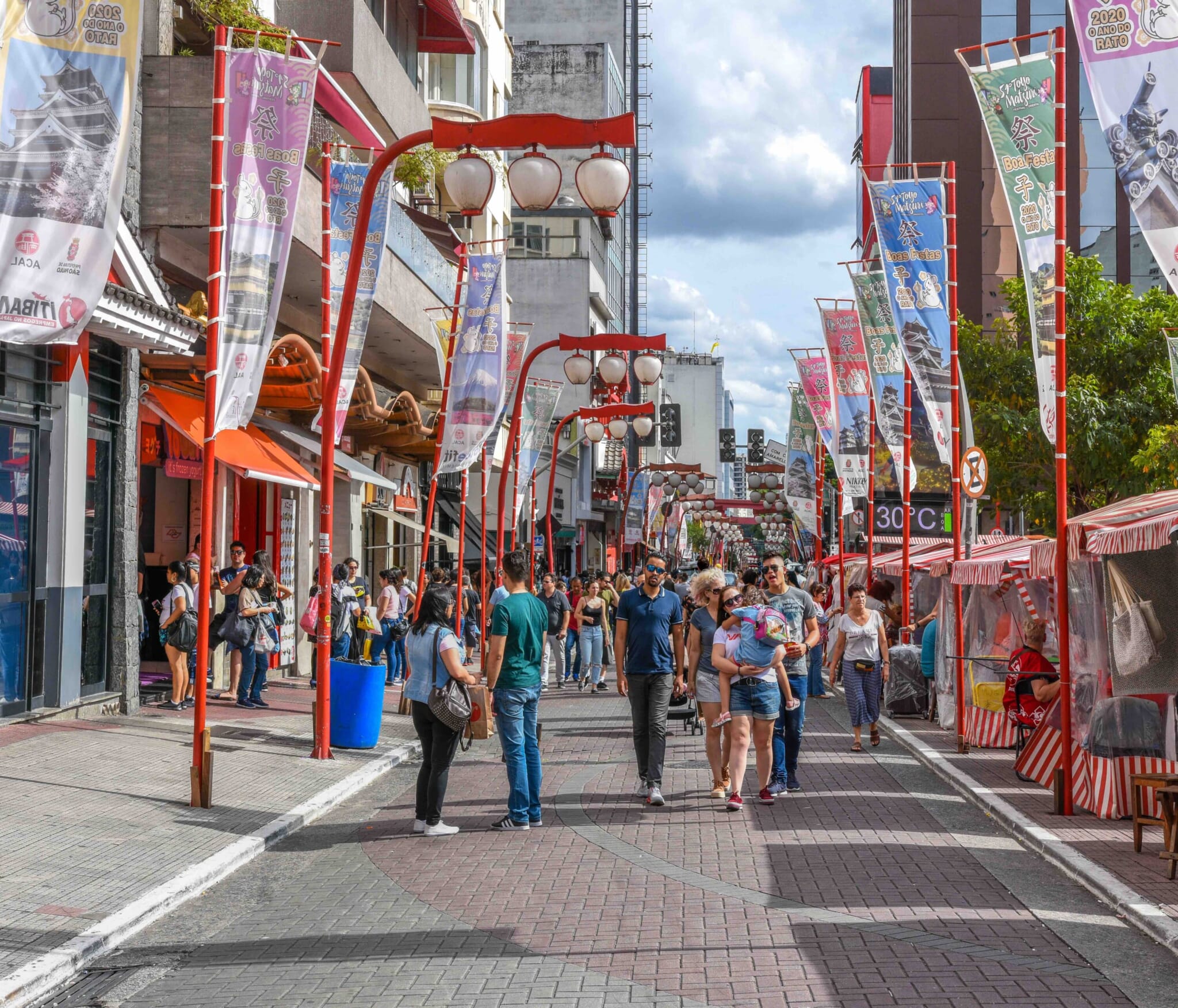
Despite these trials, the resilience of the first generation transformed these plantations into stable, thriving communities. Over the decades, they preserved Japanese traditions while fully adopting Brazilian customs, creating the unique Nipo-Brasileiro identity that thrives in districts like Liberdade in São Paulo today.
The Dekasegi Phenomenon and Modern Implications
The migration flow reversed in the 1980s and 90s. As Japan’s "Bubble Economy" reached its zenith, the country faced a critical labor shortage in manufacturing and assembly sectors. The Japanese government looked to its diaspora in Brazil to fill these roles.
The dekasegi—often third or fourth-generation Japanese-Brazilians—returned to their ancestral homeland. Unlike their predecessors, they arrived in a highly industrialized, urban Japan. This era brought significant social implications:
- Integration Challenges: Many dekasegi initially struggled with language barriers and cultural isolation, as their Japanese roots were often distant, and their primary language was Portuguese.
- Municipal Adaptation: Towns like Oizumi and Hamamatsu began evolving into multicultural hubs, implementing multilingual education and public services to accommodate the influx of Brazilian residents.
- Cultural Hybridity: The presence of these communities has introduced a new layer to Japanese society, fostering a taste for Brazilian culinary staples like churrasco, feijoada, and açaí within the domestic market.
Experiencing Brazilian Culture in Japan
The influence of Brazil is no longer relegated to industrial hubs; it has become a staple of Japan’s urban culinary and social landscape.
Tokyo: A Culinary and Cultural Oasis
Tokyo serves as the epicenter of this cultural fusion. While large chains like Barbacoa offer a polished version of Brazilian dining, neighborhood gems provide a more authentic, grassroots experience.
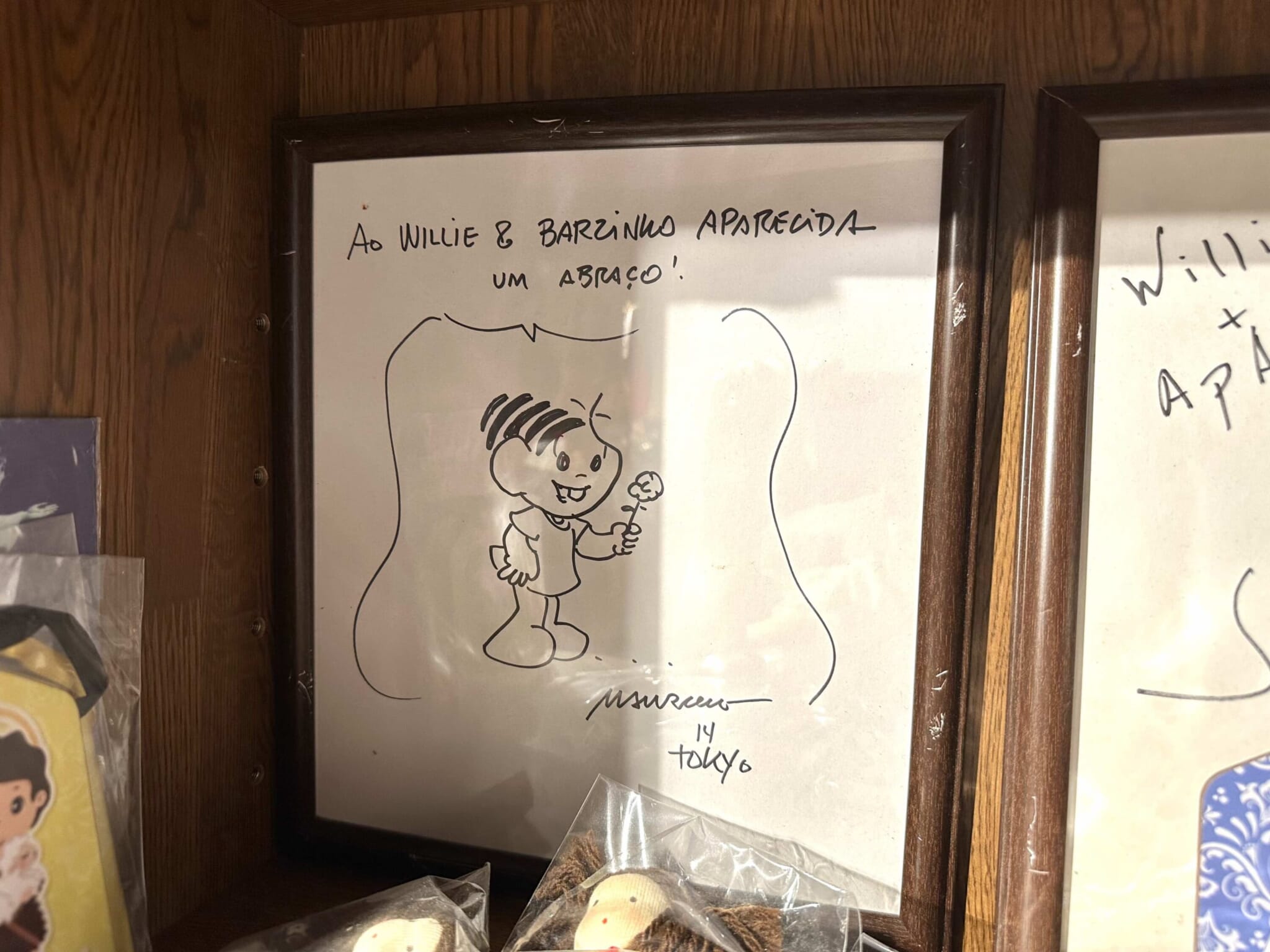
- Toca de Aparecida (Koenji): This is far more than a restaurant; it functions as a vibrant Brazilian cultural center. Beyond serving traditional feijoada and pastéis, it acts as a community hub with a Portuguese language school, an exhibition space, and a venue for live music.
- Alvorada (Kichijoji): Known for its festive, beach-side atmosphere, Alvorada showcases the diversity of Brazilian food, serving everything from picanha (sirloin cap) to regional staples like estrogonofe and Lebanese-inspired kibe.
- Saci Pererê (Shinjuku): Established in 1974, it is the oldest Brazilian establishment in Japan. It is the premier destination for those looking to experience live bossa nova and samba in an intimate setting.
The Oizumi Experience
Oizumi, in Gunma Prefecture, stands as a testament to the success of integration. With nearly 20% of its population consisting of foreign nationals—mostly Brazilian—the town has embraced its multicultural status. The train platform at Nishi-Koizumi Station is adorned with tropical motifs, and the streets are lined with Portuguese signage. Local supermarkets like Super Mercado Takara provide the necessary ingredients for the community to maintain its culinary identity, while the local government ensures that public services are accessible to Portuguese speakers.
Hamamatsu: The Industrial Heart
In Shizuoka, Hamamatsu’s reliance on the automotive industry provided the initial draw for thousands of Brazilian workers. Today, the city is a model for industrial-cultural symbiosis. With over 9,000 Brazilian residents, the city has developed a robust infrastructure of Portuguese-speaking medical clinics and community centers, proving that industrial economic goals and social integration can go hand-in-hand.
Official Responses and Future Outlook
The Japanese government’s stance on the Brazilian community has evolved from treating them as temporary labor to recognizing them as essential residents. Policies in cities like Oizumi and Hamamatsu have become benchmarks for national integration strategies.
"We are not merely hosting residents; we are cultivating a shared future," says a representative from the Oizumi community outreach program. "The goal is to ensure that Brazilian-Japanese families feel they have the agency to retain their heritage while contributing to the prosperity of our town."
As we look to the future, the bond between these two nations continues to strengthen. The annual Festival Brasil & Latino in Tokyo’s Yoyogi Park is a major indicator of this, attracting tens of thousands of visitors. The festival serves as a bridge, allowing the Japanese public to engage with the music, food, and traditions of Latin America, while providing a homecoming for the Nipo-Brasileiros.
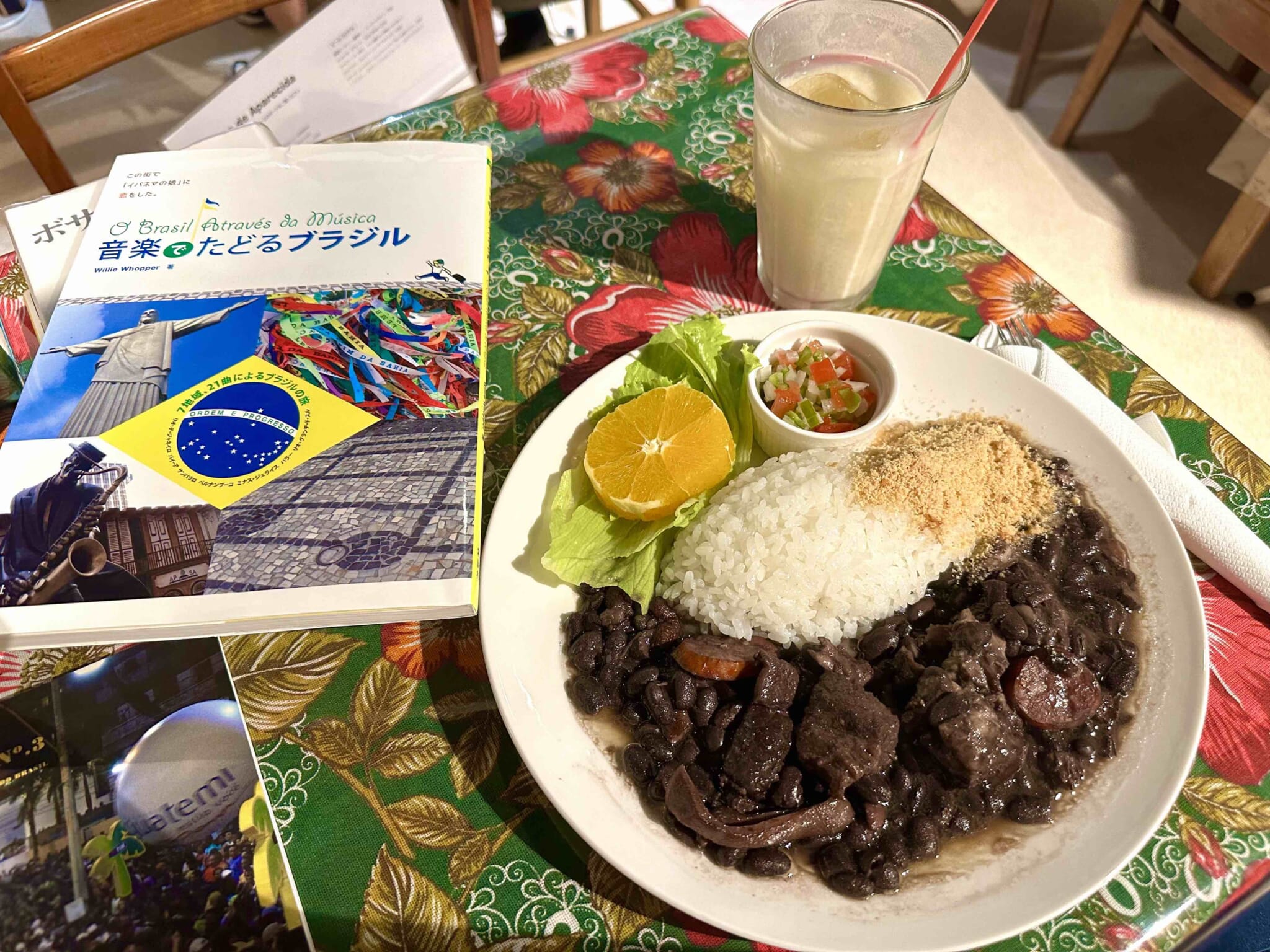
Ultimately, the story of the Japanese-Brazilian diaspora is one of human endurance. From the narrow, uncertain confines of the Kasato Maru to the bustling streets of Tokyo and Oizumi, this community has proven that culture is not defined by borders. Whether through a bowl of black bean stew in a Koenji cafe or the bilingual signs at a historic castle, the synthesis of Japan and Brazil continues to enrich both societies, offering a blueprint for a world that is increasingly interconnected and culturally fluid.











