Rifan Muazin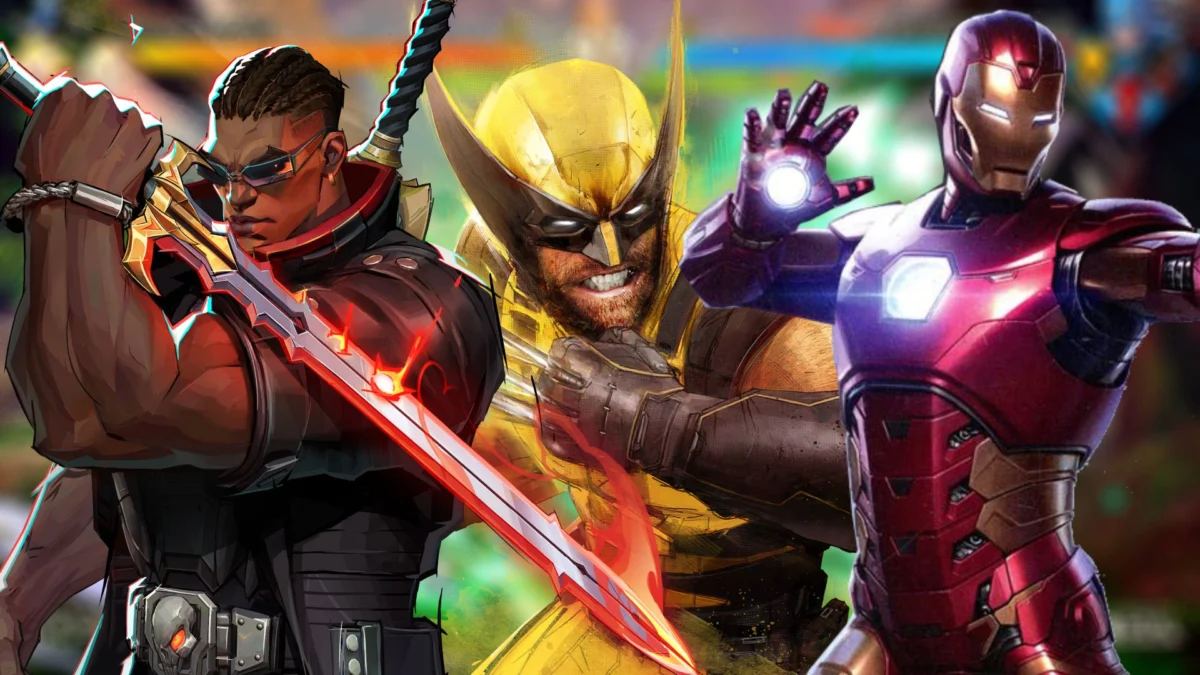
The landscape of superhero video games is undergoing a seismic shift. As we move through 2026, the Marvel Games portfolio—once dominated by scattered, standalone titles—is evolving into a robust, diverse ecosystem of high-fidelity experiences. From brutal, character-driven narratives to competitive fighting games, the "House of Ideas" has clearly pivoted toward a strategy of quality-first development, partnering with industry heavyweights to bring their iconic roster to life.
Following the success of late 2025’s MARVEL Cosmic Invasion and the ongoing seasonal growth of Marvel Rivals, the industry’s eyes are firmly fixed on the next wave of releases. This report examines the upcoming slate of Marvel titles, analyzing the current state of development, the implications for their respective platforms, and what fans can expect as these projects transition from announcement to reality.
1. MARVEL Tōkon: Fighting Souls – A New Standard for Competitive Combat
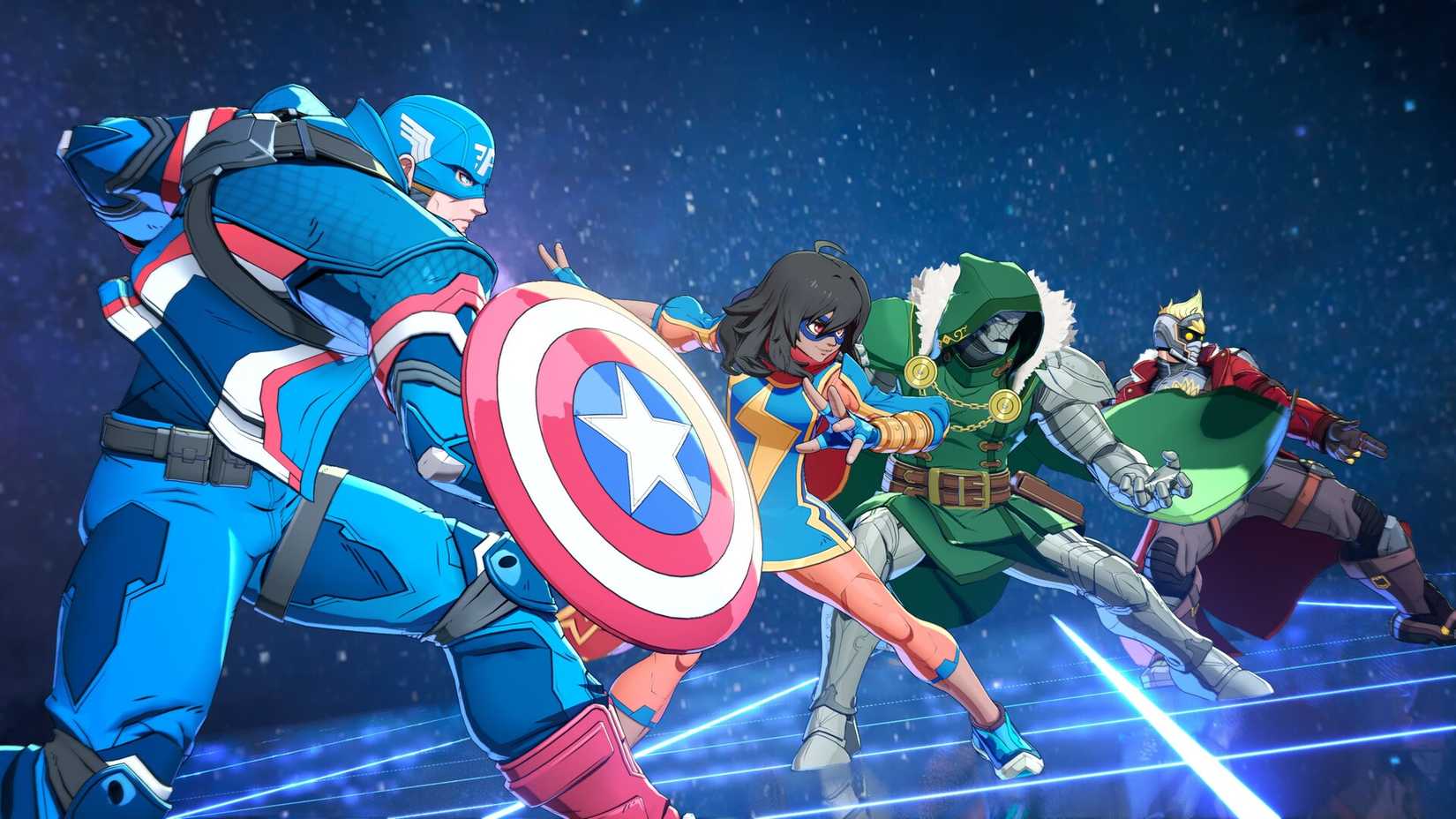
Set for a worldwide release on August 6, 2026, MARVEL Tōkon: Fighting Souls represents a daring departure from the traditional western-developed action games fans have become accustomed to. Developed by the masters of the genre, Arc System Works, this 4v4 tag-team fighter is poised to redefine how players engage with the Marvel roster.
The Mechanics of Mastery
Moving away from hyper-realistic aesthetics, Tōkon embraces a stunning, anime-inspired art style that breathes new life into 20 classic characters at launch. The core gameplay loop focuses on high-octane experimentation. Players are encouraged to build unique compositions, discovering complex chain combinations and mastering diverse move sets that reward strategic depth over button-mashing.
Infrastructure and Competitive Play
The title isn’t just about the roster; it’s about the scale of the experience. With support for up to 64 players in online lobbies, the game is clearly targeting the esports market. The inclusion of a deep single-player "Episode Mode" ensures that even those who prefer solo play can dive into the rich lore and character dynamics that define the Marvel Universe. By blending local VS play with massive online infrastructure, Tōkon is positioning itself to be a cornerstone of the 2026 fighting game calendar on PS5 and PC.
2. Marvel’s Wolverine: The Darker Side of Insomniac
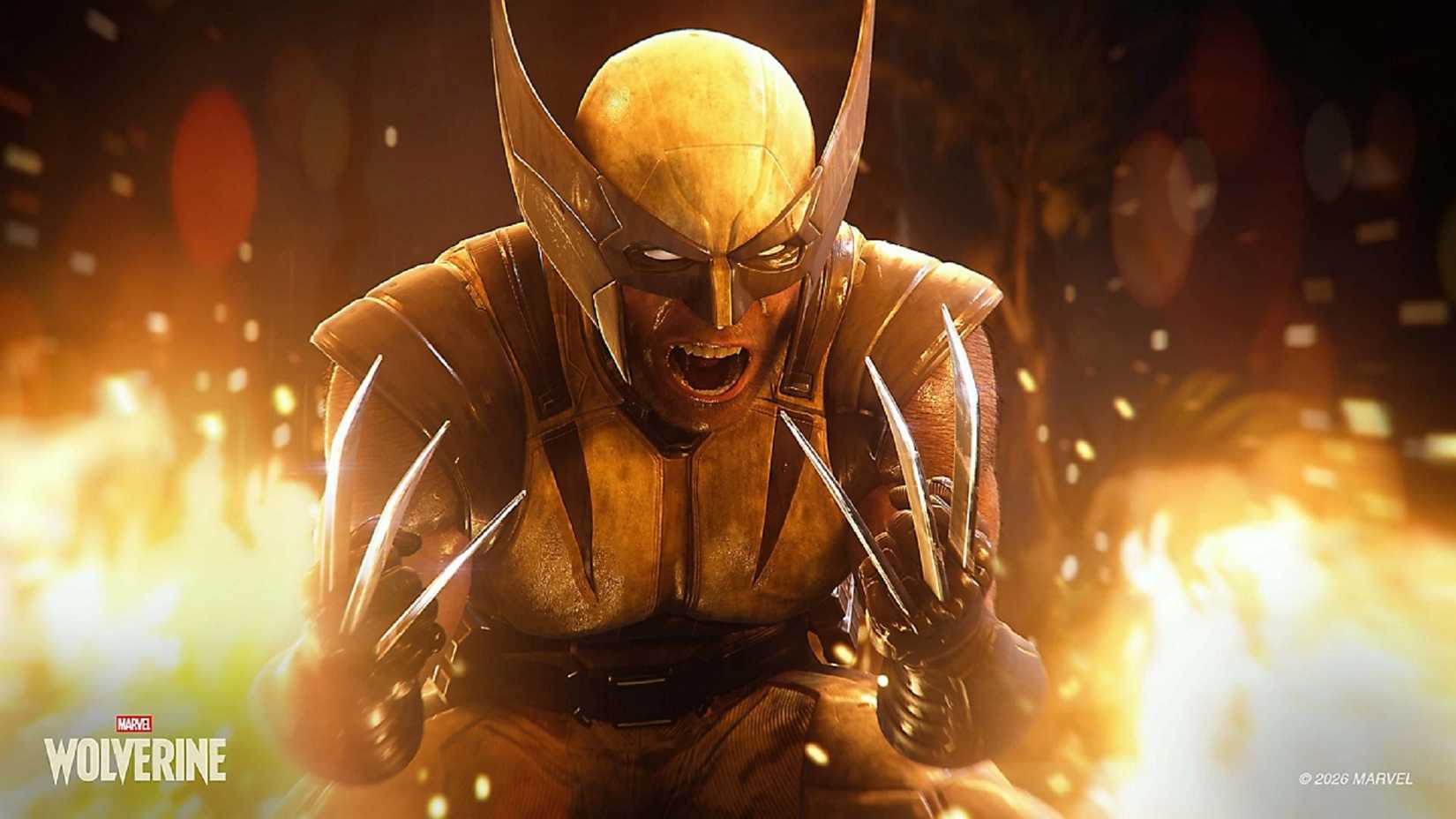
Insomniac Games has become the gold standard for modern superhero gaming, and their upcoming Marvel’s Wolverine is arguably the most anticipated release of the year. Launching on September 15, 2026, for the PlayStation 5, this title moves away from the web-swinging optimism of the Spider-Man series to explore the visceral, often tragic life of Logan.

Narrative Depth and Brutal Combat
The narrative follows Wolverine three years after his departure from his original team, as he rejoins the mutant task force, Team X. The central conflict involves the machinations of Bolivar Trask, whose obsession with mutant capture serves as the catalyst for a globe-trotting journey. Insomniac promises an emotional, mature story that tackles themes of identity and historical trauma.
Combat is described as "brutal" and "evolving." Players will need to adapt their techniques to specific enemy archetypes, utilizing the iconic adamantium claws to devastating effect. The "Rage" mechanic, hinted at in previews, suggests a system where players can unleash devastating, high-stakes maneuvers that reflect the character’s volatile nature. From the neon streets of Tokyo to the harsh Canadian wilderness, the game promises to be as visually diverse as it is narratively dense.
3. Marvel 1943: Rise of Hydra – A Historical Epic
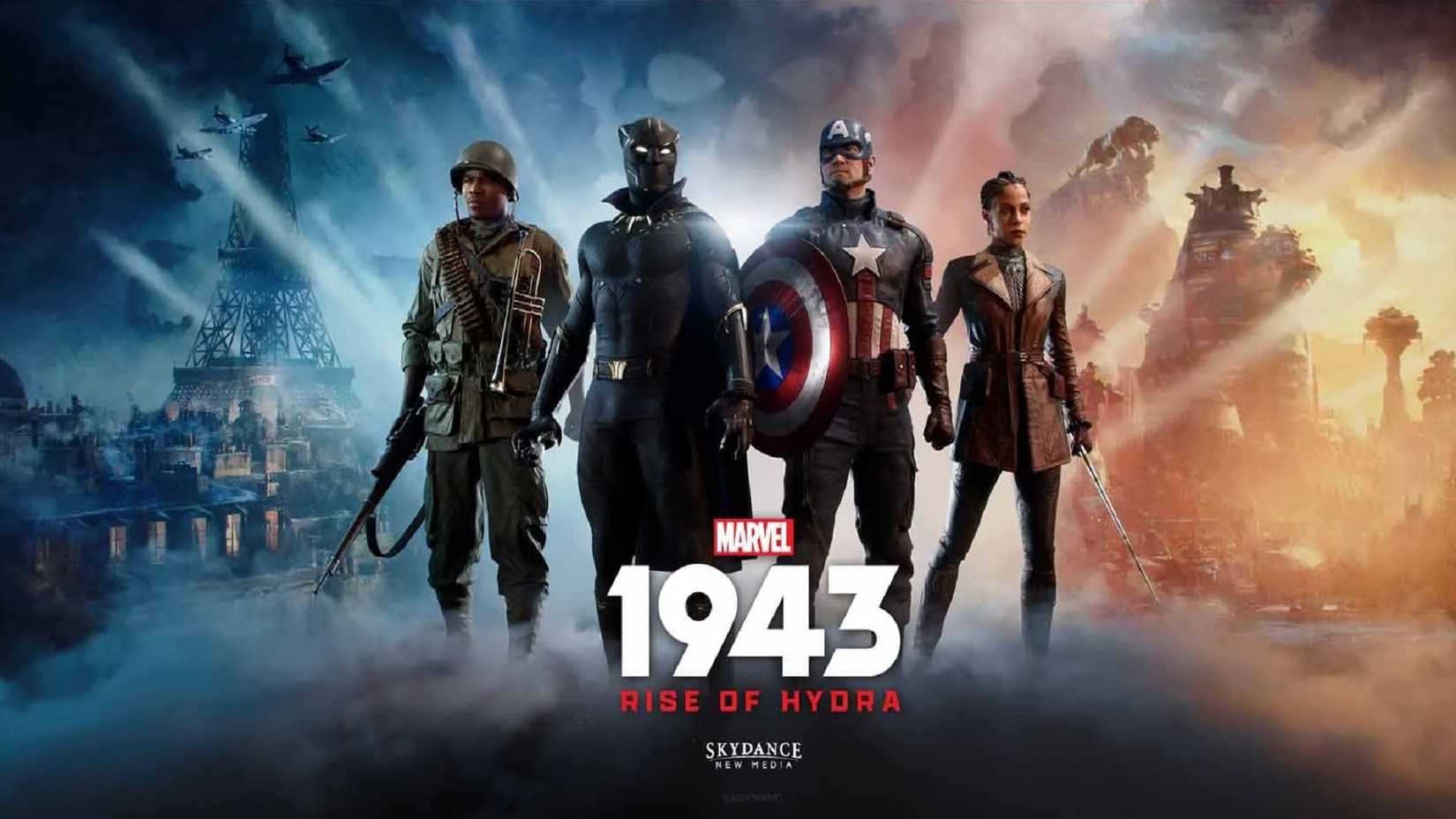
Skydance New Media’s Marvel 1943: Rise of Hydra remains one of the most enigmatic projects in development. Announced in 2021 and built on the powerful Unreal Engine 5, the game promises a narrative-heavy, high-stakes adventure that transports players back to the chaos of World War II.
The Dynamics of an Unlikely Alliance
The story centers on a forced partnership between Steve Rogers (Captain America) and Azzuri (the Black Panther of the 1940s). The narrative will also feature Gabriel Jones of the Howling Commandos and Nanali, a Wakandan spy embedded in occupied Paris. The objective is clear: disrupt the rise of Hydra before the organization can permanently alter the course of the war.
Development Challenges and Delay Implications
The road to release has been arduous. Initially expected earlier, the project has faced multiple delays—first moving to early 2026, and subsequently pushed further. Current industry consensus suggests that a 2027 release is the most realistic window. While the delays are disappointing for fans, they highlight the immense technical and narrative ambition of Skydance. The commitment to a polished experience on PS5, Xbox Series X|S, and PC remains the priority, reflecting the high stakes of a game attempting to merge historical fiction with high-fantasy superhero elements.
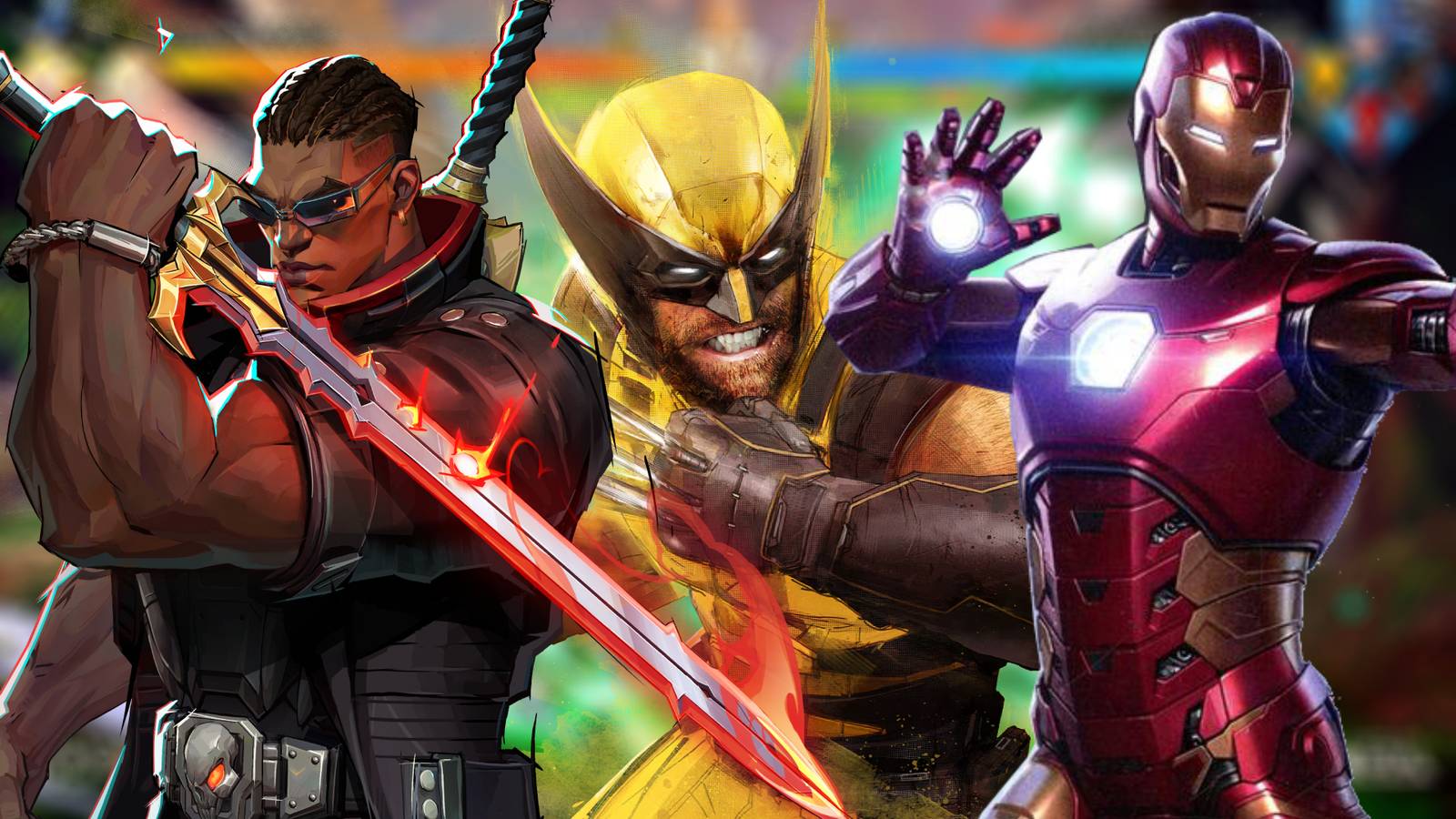
4. Marvel’s Blade: The Supernatural Threat
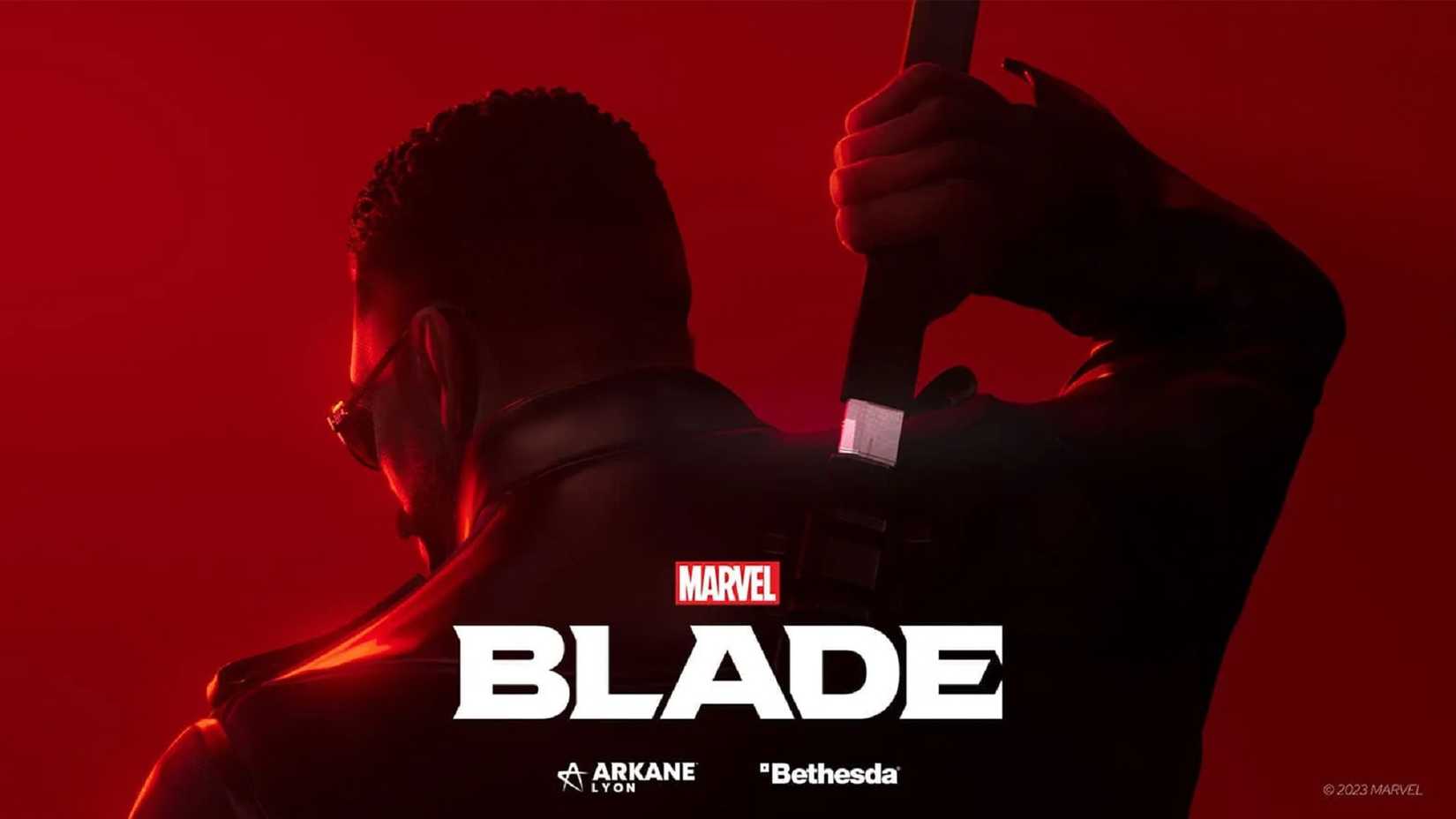
Arkane Lyon’s Marvel’s Blade is an ambitious third-person title that promises to bring a supernatural horror edge to the Marvel gaming library. Set in a quarantined, vampire-infested Paris, the game forces players to survive the night as Eric Brooks—the legendary Daywalker.
The Uncertainty of the Current Climate
Following significant structural shifts at Xbox, questions have been raised regarding the stability of Marvel’s Blade. However, official communication has been firm. Xbox CEO Asha Sharma issued a direct statement to employees, clarifying that all publicly announced first-party projects remain in active development. This reassurance has provided much-needed stability to the project’s outlook. If successful, Blade will be a definitive title for the Xbox Series X|S and PC, offering a unique blend of stealth, visceral combat, and gothic atmosphere that is currently absent from the Marvel lineup.
5. Marvel’s Iron Man: The Power Fantasy
Perhaps the most ambitious project in terms of player agency is the upcoming Marvel’s Iron Man from Motive Studio. Known for their work on the Dead Space remake and Star Wars: Squadrons, Motive is tasked with capturing the essence of being Tony Stark—not just the armor, but the man behind the mask.
Design Philosophy
The development team has made it clear that the focus is on the "creative genius" and "charisma" of Stark. While the flight mechanics and advanced weaponry are expected to be the pillars of the gameplay loop, the game aims to provide an emotional journey that digs into the history of the character. Because the project is still in a nebulous stage of development, details regarding platforms and release dates remain unconfirmed. However, the pedigree of Motive Studio suggests that this title is being crafted with a high level of technical rigor, aimed at delivering the definitive flight and combat simulation for the Iron Man suit.
Chronology and Industry Implications
The timeline of these releases illustrates a strategic distribution of titles designed to maintain consistent engagement.
- August 2026: MARVEL Tōkon: Fighting Souls (Arc System Works)
- September 2026: Marvel’s Wolverine (Insomniac Games)
- 2027 (Projected): Marvel 1943: Rise of Hydra (Skydance New Media)
- TBC: Marvel’s Blade (Arkane Lyon), Marvel’s Iron Man (Motive Studio)
The shift toward these diverse genres—from fighting games to historical action-adventures and horror-infused brawlers—indicates that the Marvel brand is no longer reliant on a single formula. Instead, the focus has moved to pairing specific developers with specific characters who fit their expertise.
The Economic and Creative Impact
The financial implications are profound. By utilizing different studios, Marvel is minimizing the risk of "superhero fatigue." Each game operates in its own space, with its own tone and mechanics. The reliance on Unreal Engine 5 for projects like Marvel 1943 shows a commitment to high-end graphical fidelity, while Arc System Works’ involvement in Tōkon shows a commitment to competitive integrity.
Furthermore, the recent emphasis on transparency from publishers—exemplified by the CEO-level confirmations regarding the status of Marvel’s Blade—marks a change in how these companies communicate with their user base. In an era where development cycles are lengthening, managing expectations through clear, direct communication is becoming as important as the gameplay itself.
Conclusion: A Bright Future
The future of Marvel gaming is not just about the characters we know and love; it is about the evolution of the medium itself. Whether it is the tactical depth of a 4v4 fighter or the gritty, narrative-driven exploration of Logan’s past, these upcoming titles suggest that we are entering a golden age of interactive superhero fiction. As developers push the limits of current-gen hardware, the gap between the cinematic universe and the interactive experience continues to close, promising players a seat at the center of the action.

 Reynand Wu
 Pevita Pearce