Nana
Nana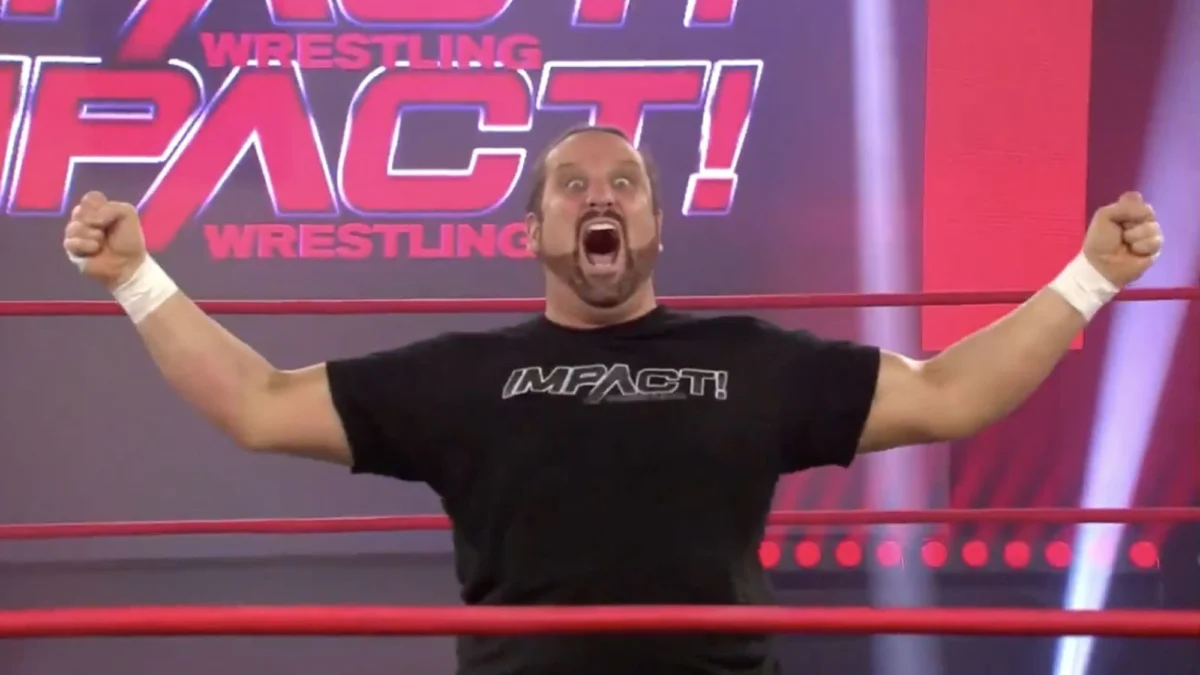
The landscape of TNA Wrestling is undergoing a profound transformation. In a series of maneuvers described by the promotion as a necessary “workforce reduction” to “streamline operations” and “sharpen strategic focus,” the company has parted ways with several prominent on-air talents and backstage personnel. As the organization pivots toward its marquee Slammiversary event on June 28 in Boston, the sudden absence of key figures like Tessa Blanchard, Tommy Dreamer, and Sami Callihan has triggered intense industry speculation regarding the company’s future creative direction.
The Context: A Strategic "Streamlining"
The professional wrestling industry is no stranger to cyclic restructuring. However, the sheer volume of departures occurring in the weeks leading up to one of the promotion’s biggest annual shows is noteworthy. TNA management has characterized these moves as a strategic realignment intended to maximize profitability and operational efficiency. In corporate parlance, such moves are designed to reduce overhead and allow for a more agile decision-making process.
For fans and industry analysts, the terminology of “streamlining” often masks the reality of a company attempting to rebalance its financial books. While TNA has not explicitly disclosed the fiscal impact of these departures, the timing suggests a desire to recalibrate the roster costs before the second half of the fiscal year.
A Chronology of Recent Exits
The recent wave of departures did not happen in a vacuum. It follows a consistent pattern of personnel shifts that have impacted both the front-facing product and the backstage creative engine.
- June 7: TNA officially announced the releases of Steve Maclin and Myla Grace. Reports later confirmed that Maclin had formally requested his release, signaling a potential disconnect between talent and the company’s current vision.
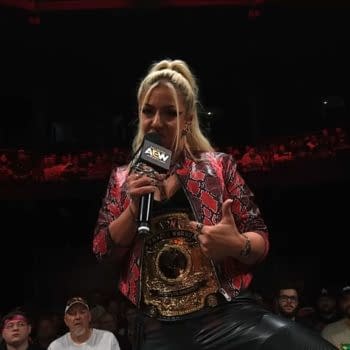
- Mid-June: The promotion confirmed the release of Tessa Blanchard. Blanchard, who had been a focal point of recent storylines as the leader of The Diamond Collective, reportedly requested her exit, which the company granted.
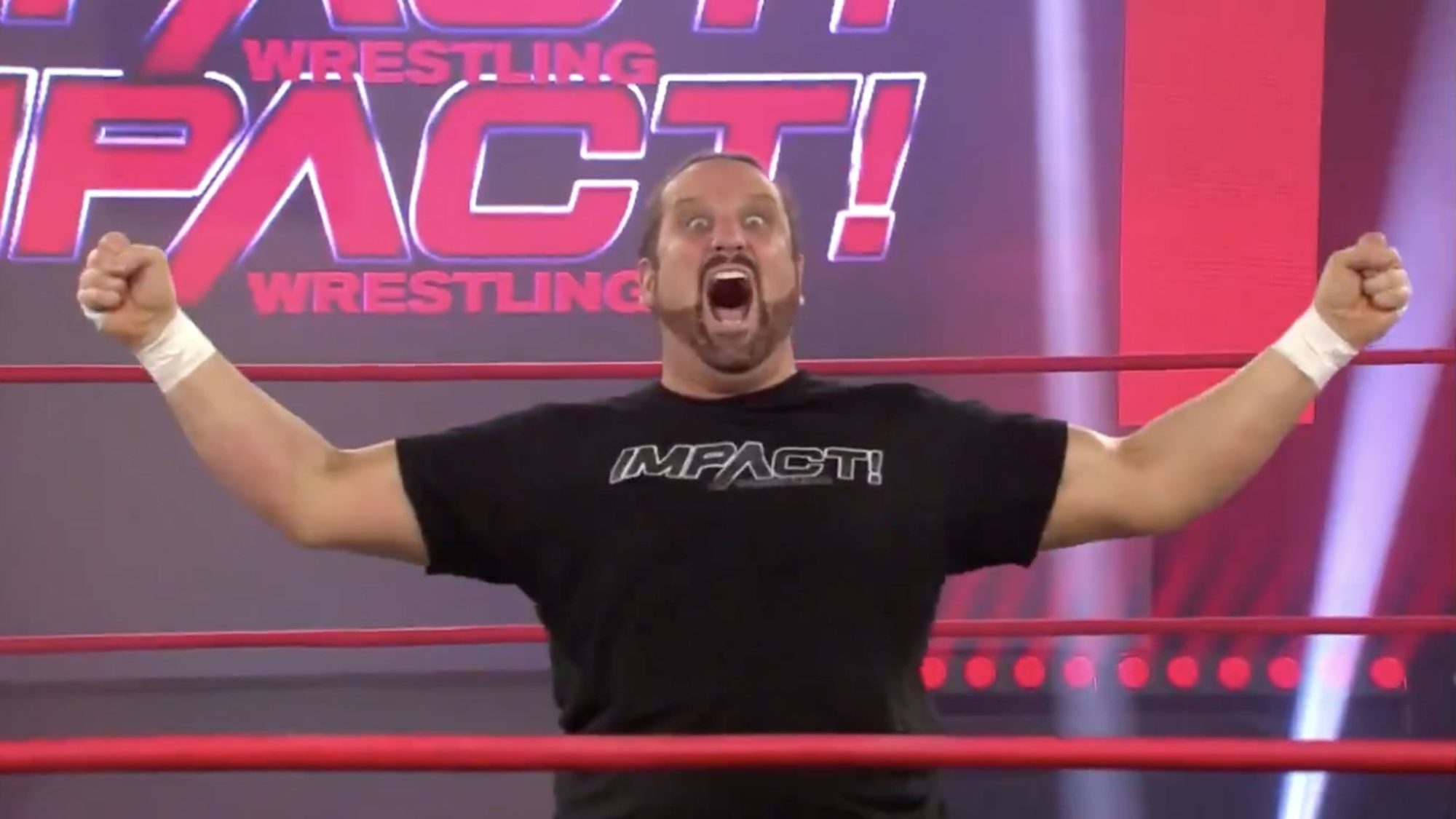
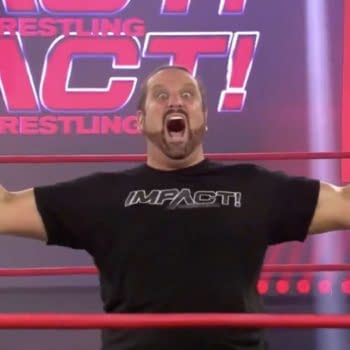
- Mid-June: Tommy Dreamer, a cornerstone of TNA’s creative and talent relations departments since 2018, announced his departure. The exit was described as a mutual agreement to move on.
- Mid-June: Sami Callihan, a former world champion and recent backstage producer, confirmed his departure. Callihan noted that he had expected a conversation regarding a creative role, only to be informed of his release.
- Ongoing: These names follow previous departures, including Dani Luna, suggesting that the "reduction" is a broad-based initiative rather than a targeted pruning of a single department.
Supporting Data: The Creative Vacuum
The departure of Tommy Dreamer is arguably the most significant in terms of operational impact. Since 2018, Dreamer served as a bridge between the talent and the executive suite, acting as both an on-screen character and a vital producer. His loss leaves a substantial hole in the creative pipeline.
According to industry reports from Fightful and PWInsider, TNA is already looking to fill this void. Internal discussions have reportedly centered on Road Dogg (Brian James) as a potential candidate for a creative leadership role. Furthermore, in the interim, Delirious has been tapped to assist in steering the creative ship. The immediate challenge for these new or shifted leaders is to maintain continuity for the Slammiversary card while navigating a locker room that is likely feeling the tremors of these rapid changes.

Official Responses and Industry Sentiment
Official statements from TNA have remained brief, emphasizing the "amicable" nature of these departures. Tommy Dreamer, speaking on Busted Open Radio, corroborated this sentiment, framing the split as a "conscious uncoupling" after a long, productive relationship. He cited the need for a break for both parties, explicitly stating there was no malice behind the decision.
Conversely, the reaction from talents like Sami Callihan highlights the unpredictability of these corporate shifts. Callihan’s public remarks—expressing surprise at the nature of his final call with the company—illustrate the tension inherent in professional wrestling’s "at-will" employment culture.
The industry at large has viewed these events through the lens of TNA’s ongoing partnership with larger entities. There is a prevailing sentiment among analysts that TNA is looking to shed legacy costs and potentially pivot toward a leaner model that relies more heavily on emerging talent and lower-cost production structures.
Implications for TNA Wrestling
The implications of these departures are manifold, affecting everything from fan morale to the quality of the product presented on television.

1. Creative Instability
The loss of veteran producers like Dreamer during a "build" period for a pay-per-view is risky. Slammiversary is historically a time when TNA showcases its identity; doing so while simultaneously changing the architects of that identity creates an environment of uncertainty. The company must prove that its remaining creative team can maintain the narrative threads established over the last year.
2. Talent Morale
When a promotion undergoes a series of releases, the "survivors" in the locker room often face increased pressure. The perception of job insecurity can lead to a shift in talent focus, where performers may begin to look for opportunities elsewhere—a trend already observed with the voluntary requests for release by talents like Maclin and Blanchard.

3. Brand Identity
For years, TNA has been the home of "hardcore" wrestling and veteran-led storytelling. The exit of figures like Dreamer and Callihan—who both epitomize that gritty, independent-style history—may signal an attempt by the company to modernize its brand or shift toward a different demographic of fans. Whether this evolution will be accepted by the core audience remains to be seen.
4. The "Road Dogg" Factor
The potential hiring of Road Dogg signifies a move toward a more "WWE-style" creative philosophy. Road Dogg’s history as a lead writer for SmackDown suggests that TNA may be looking to implement more structured, episodic storytelling. While this could lead to higher production values and tighter scripts, it risks alienating fans who preferred the more chaotic, independent spirit that TNA cultivated for the better part of a decade.

Looking Toward the Future
As the dust settles, TNA finds itself at a crossroads. The upcoming Slammiversary event will serve as a litmus test for the promotion. Will the fans embrace the new direction, or will the loss of familiar faces result in a decline in viewership and engagement?
From a broader economic perspective, the wrestling industry remains volatile. The consolidation of major promotions has created a hyper-competitive environment where "streamlining" is often a prerequisite for survival. However, history has shown that a company’s success in wrestling is rarely driven by spreadsheets alone; it is driven by the connection between the characters in the ring and the fans in the seats.

By clearing the roster of high-cost veterans and restructuring the creative department, TNA is betting that its future value lies in its brand name and its ability to act as a launchpad for the next generation of stars. If they can execute this transition without sacrificing the quality of their television product, they may indeed emerge as a "leaner, meaner" entity. If they falter, they risk becoming a cautionary tale of how administrative overreach can stifle the very energy that keeps a wrestling promotion alive.
As of now, the industry watches with bated breath. The departures are not merely entries in a ledger; they are the end of chapters for several performers and the start of a precarious new volume for TNA. Whether this restructuring leads to the promised "strategic focus" or further internal instability is a question that will be answered in the coming months, starting with the bright lights of Boston at Slammiversary.
In the world of professional wrestling, change is the only constant. Yet, the frequency and scale of these latest moves indicate that TNA is not merely changing; it is attempting to reinvent itself from the ground up. Whether the foundation holds or crumbles under the weight of this transformation is the defining narrative of the company’s current era.

 Sagoh
Sagoh
 Ammar Sabilarrohman