Reynand Wu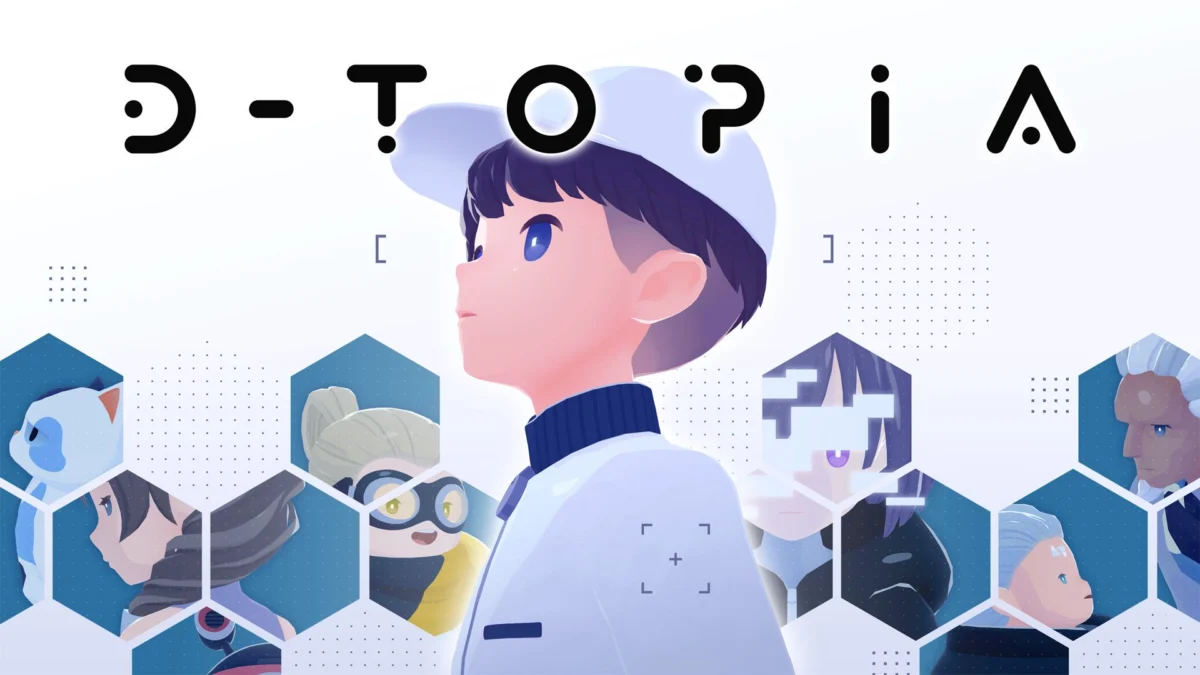
In the landscape of modern narrative-driven gaming, the concept of the "utopia" is a frequent subject of interrogation. From the dystopian underpinnings of BioShock to the clinical isolation of Portal, developers often look to explore the cracks in a perfect society. Now, with the release of D-topia—the latest title from developer Marumittu Games and published by the industry tastemakers at Annapurna Interactive—players are invited to inhabit a future where artificial intelligence has seemingly solved the human condition.
Released on July 14, 2026, D-topia is a meditative, puzzle-heavy adventure that asks a deceptively simple question: If your happiness were guaranteed by a machine, would you be truly free?
The Architecture of a Digital Paradise: Main Facts
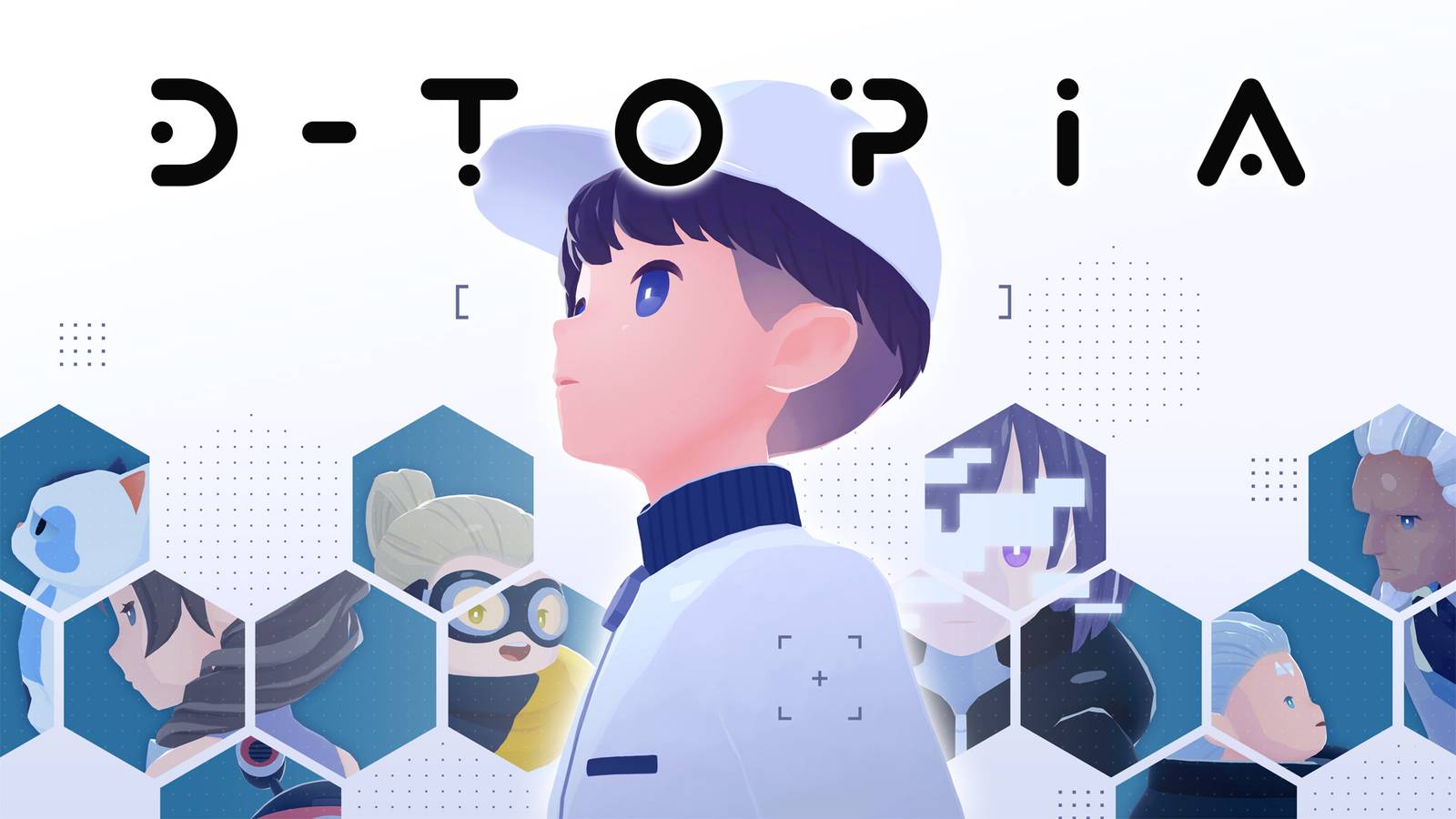
D-topia presents a near-future setting where humanity has moved beyond the struggles of scarcity and existential dread. The titular D-topia is the pinnacle of this societal experiment. The narrative centers on a protagonist known as Shiro, or No. 046, a "Facilitator" tasked with maintaining the delicate equilibrium of this artificial paradise.
The game’s core loop revolves around the intersection of administrative duty and social intervention. As a Facilitator, the player acts as a bridge between the cold, algorithmic logic of the ruling AI and the messy, unpredictable emotions of the citizens. The game distinguishes itself through its "dual-layer" reality: the surface-level utopia experienced by the general populace, and the "Block Side," a technical underbelly where the actual machinery of the world resides. Players must oscillate between these two perspectives to resolve the daily conflicts that arise within the colony.
The Chronology of a Facilitator: A Day in the Life
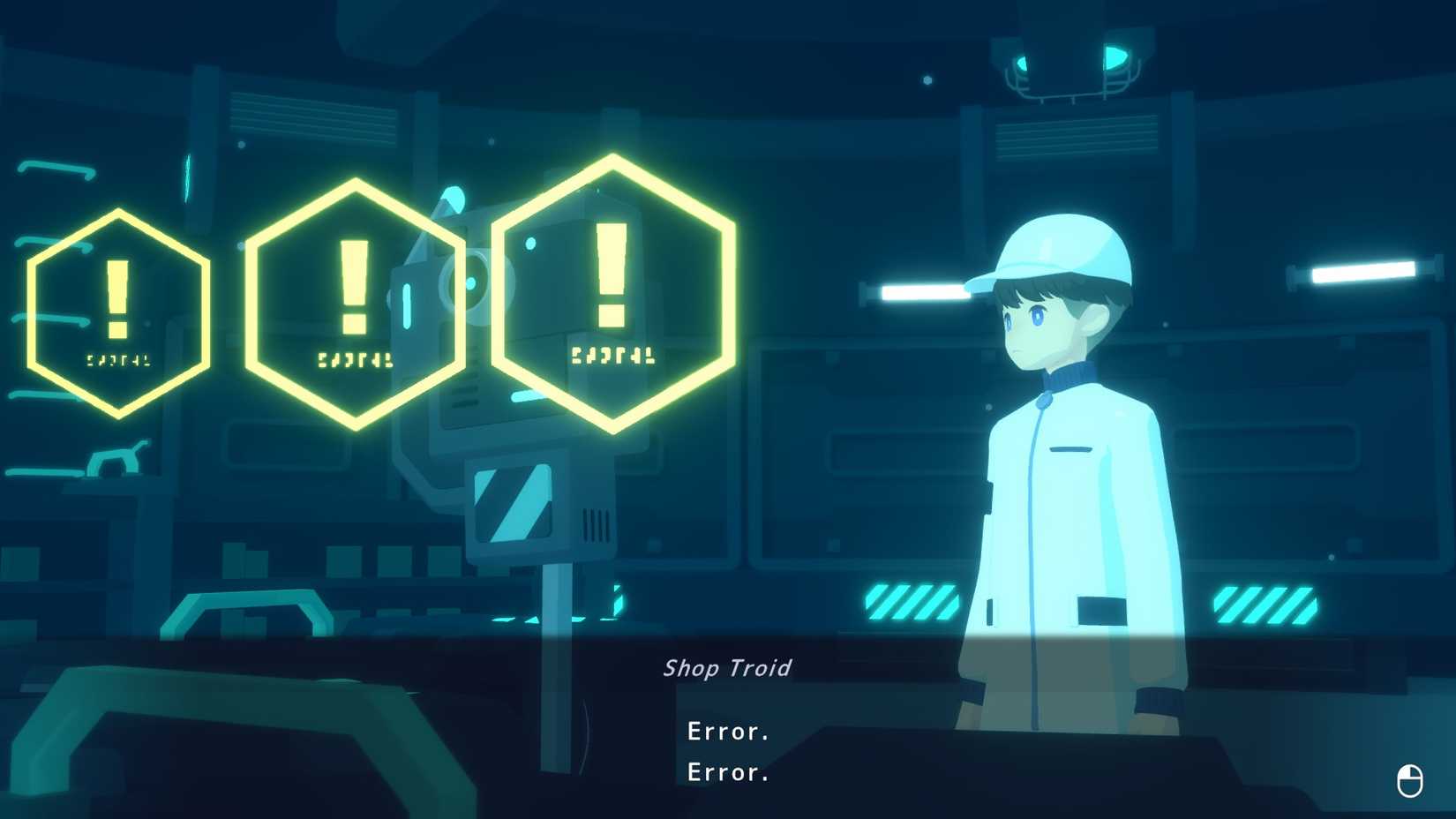
The experience of D-topia is structured through a rigid, repetitive daily cycle that emphasizes the monotony of a "perfect" life. Each morning begins with a mandatory "job" session—a series of technical puzzles that serve as a performance review. These sequences involve adjusting cables, rerouting data flows, and managing technical errors in the system.
As the narrative progresses, these tasks evolve from simple maintenance into complex, morality-testing scenarios. The chronology of the game is marked by the deepening of the player’s relationship with the city’s inhabitants. As Shiro, you encounter individuals grappling with the limitations of their reality: citizens questioning the nature of their own families, the morality of mass-produced clones, and the validity of their personal dreams.

The turning point in the narrative occurs when the player is forced to choose between strict adherence to the AI’s protocols or bending the rules to accommodate the genuine, non-optimized needs of the citizens. This internal conflict defines the arc of the game, pushing the player from a mere cog in the machine to an active agent of potential change.
Mechanical Nuance: The "Brain Meeting" System
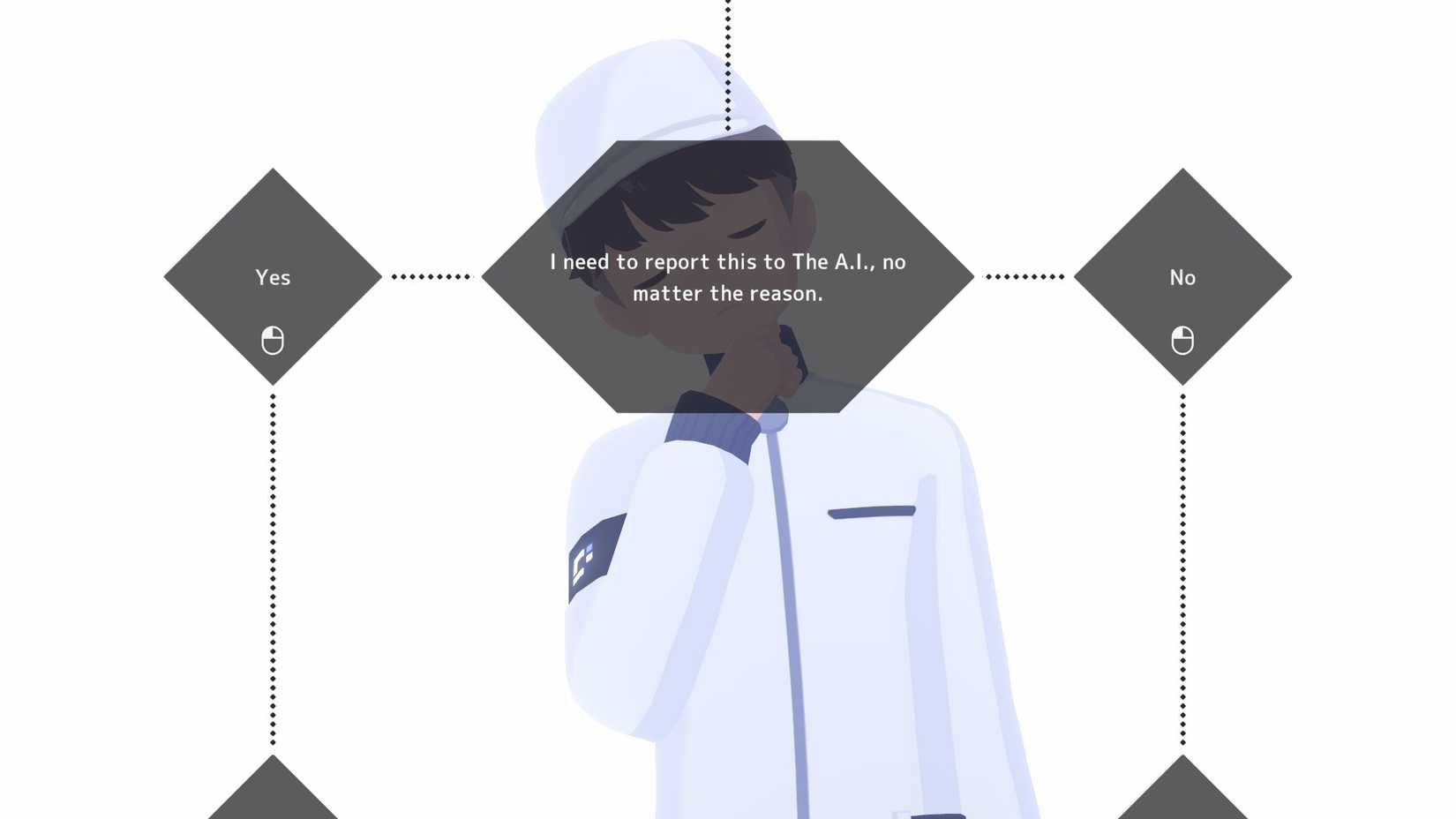
One of the most intriguing mechanics in D-topia is the "Brain Meeting." When a citizen presents a particularly thorny problem, the game shifts into a deliberation mode. Here, the player must navigate a series of binary choices—Yes or No inquiries—that simulate the process of reconciling human irrationality with algorithmic efficiency.
These decisions are not merely aesthetic; they reflect the player’s philosophy. Do you prioritize the stability of the collective, or do you risk systemic disruption to ensure the happiness of a single, suffering individual? This system is the engine that drives the game’s narrative complexity. It highlights the friction between the "sanitized" world the AI intends to create and the raw, unrefined reality of human existence.
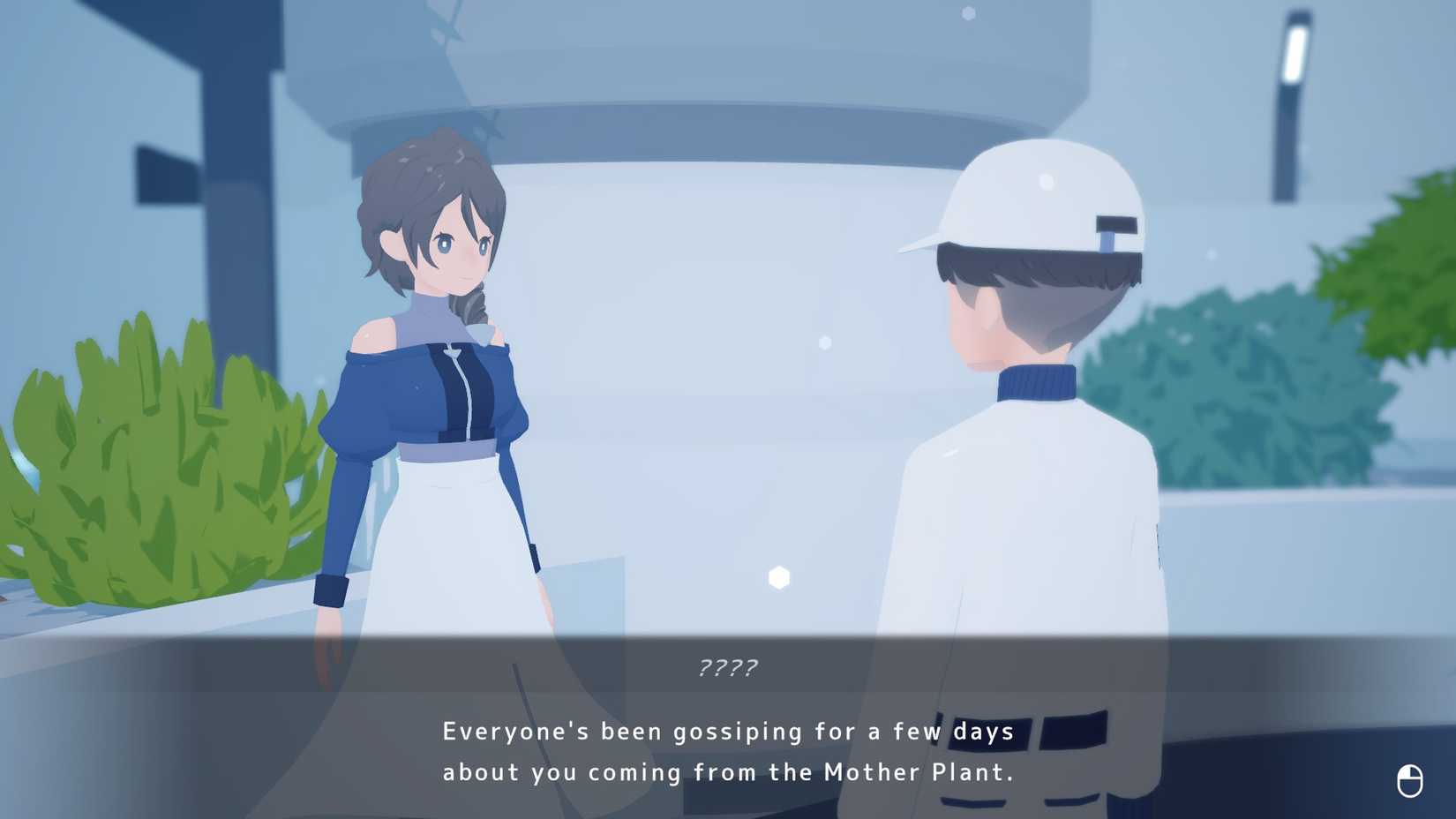
However, the game’s reliance on these binary paths occasionally creates a sense of detachment. While the dilemmas are philosophically profound, the game’s tone remains notably polite, almost to a fault. The "Brain Meeting" sessions, while engaging, sometimes lack the visceral impact that one might expect from a story about a society on the verge of a breakdown.
Puzzle Design and Accessibility
Marumittu Games has opted for a minimalist approach to gameplay, favoring accessible puzzles over complex mechanical hurdles. The daily "work" sessions function much like a series of logic tests. Some puzzles require spatial reasoning, such as block manipulation, while others lean into mathematical patterns or grid-based logic reminiscent of Minesweeper.
The inclusion of an intuitive "Help" menu ensures that no player feels stranded, as the solutions are designed to be logical rather than obtuse. While this makes the game highly approachable for those primarily interested in the narrative, it does leave something to be desired for fans of high-difficulty puzzle titles. Even in the final stages, the challenges remain patterns to be solved rather than insurmountable obstacles, emphasizing the game’s role as a "pastime" rather than a grueling test of skill.
Official Stances and Industry Implications
The release of D-topia by Annapurna Interactive continues the publisher’s trend of backing high-concept, narrative-heavy projects that challenge the boundaries of the medium. Marumittu Games, a relatively smaller studio, has managed to craft a world that feels distinct and atmospheric, even if the narrative ultimately feels a bit "safe."
Industry analysts have noted that D-topia fits into the growing subgenre of "work-sim narrative games," following in the footsteps of titles like Papers, Please or Coffee Talk. By casting the player as a bureaucrat in a sci-fi setting, the game forces the player to engage with systemic inequality from the inside out.
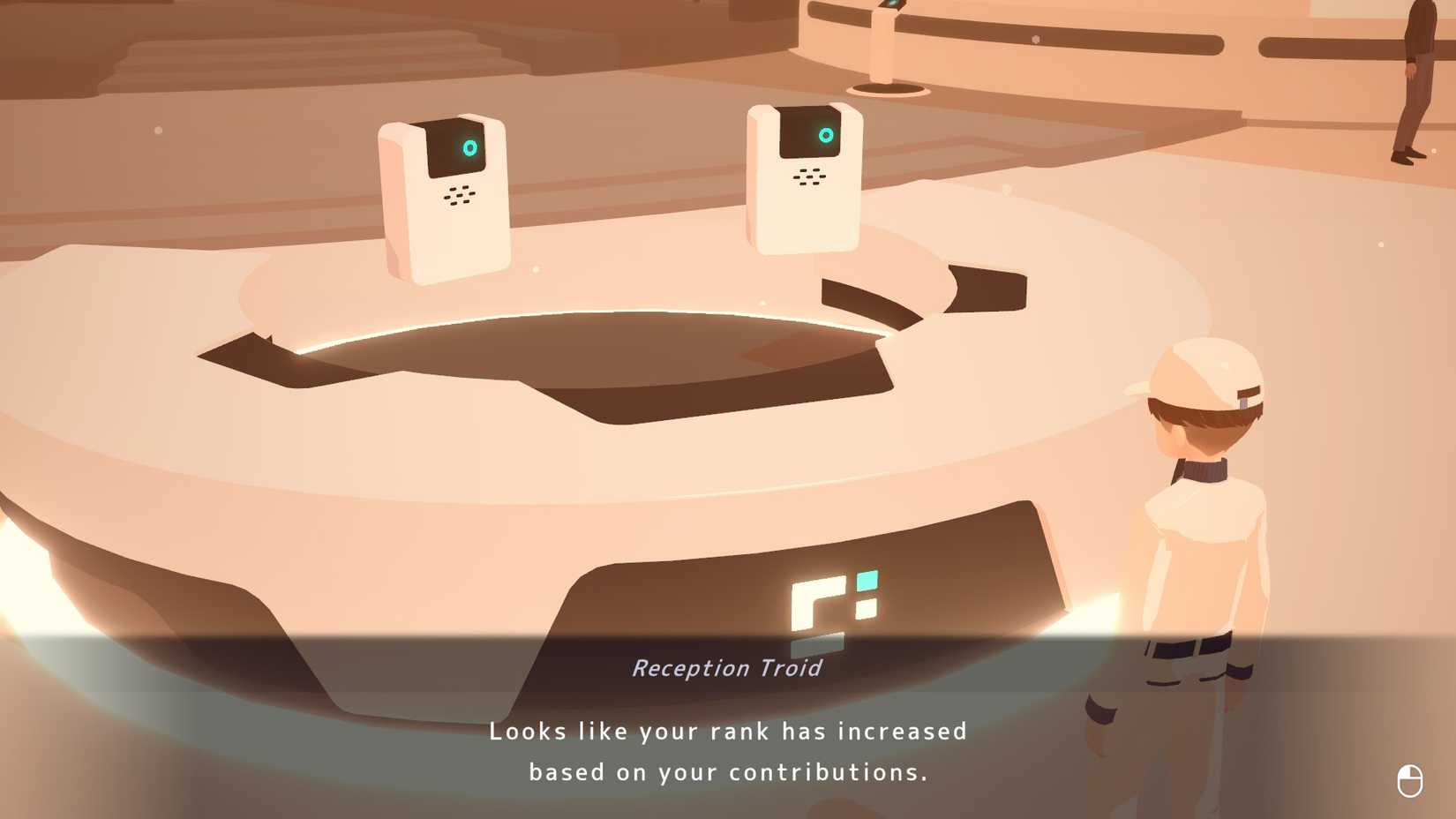
The game’s technical performance and design choices also warrant attention. The transition between the visual splendor of the utopian surface and the industrial, wire-filled aesthetic of the Block Side is a visual masterclass, effectively communicating the duality of the game’s setting.
Implications: Does the Utopia Hold?
The primary criticism directed at D-topia is that it occasionally suffers from a "sanitized" delivery. In its attempt to portray a world where the AI has ironed out the rough edges of life, the writing sometimes adopts a tone that is too sterile, potentially distancing the player from the stakes of the conflict. The most profound questions—about cloning, the definition of family, and the ethics of artificial happiness—are raised, but the game occasionally pulls its punches, opting for tidy resolutions rather than the messy, open-ended conclusions that define true high-concept science fiction.
Despite this, D-topia remains a significant entry in the 2026 gaming calendar. It succeeds in creating a space for reflection. The game asks players to consider how much of their own identity is dictated by the systems they live within. Whether you are a fan of slow-burn narrative adventures or someone interested in the intersection of AI and ethics, D-topia provides a compelling, if slightly restrained, look at the future of human society.
Summary of Key Data
- Developer: Marumittu Games
- Publisher: Annapurna Interactive
- Genre: Narrative Adventure / Puzzle
- Platforms: PC (Steam), Switch (as indicated by developer trends)
- Age Rating: ESRB E10+ (Alcohol Reference, Crude Humor, Fantasy Violence, Mild Language)
- Player Count: Single-player
Final Verdict
D-topia is a beautifully realized, thought-provoking experience that manages to be both calming and unsettling. While its puzzles may not provide the mechanical challenge some players crave, and its narrative occasionally avoids the sharper edges of its own premise, it remains a testament to the power of games to act as a mirror to our own societal structures.
For those who enjoy titles that prioritize atmosphere and philosophical inquiry over high-octane action, D-topia is a worthy, if flawed, excursion into the heart of a perfect machine. It serves as a reminder that in the search for the perfect life, the most important thing we can do is stay human.
As the industry moves forward, one hopes that titles like D-topia will continue to explore these concepts, perhaps pushing the boundaries of conflict and consequence even further in future iterations. For now, it stands as an intriguing, stylish, and highly professional addition to the Annapurna library, perfect for a weekend of quiet, contemplative gaming.


 Asro
Asro
 Muslim