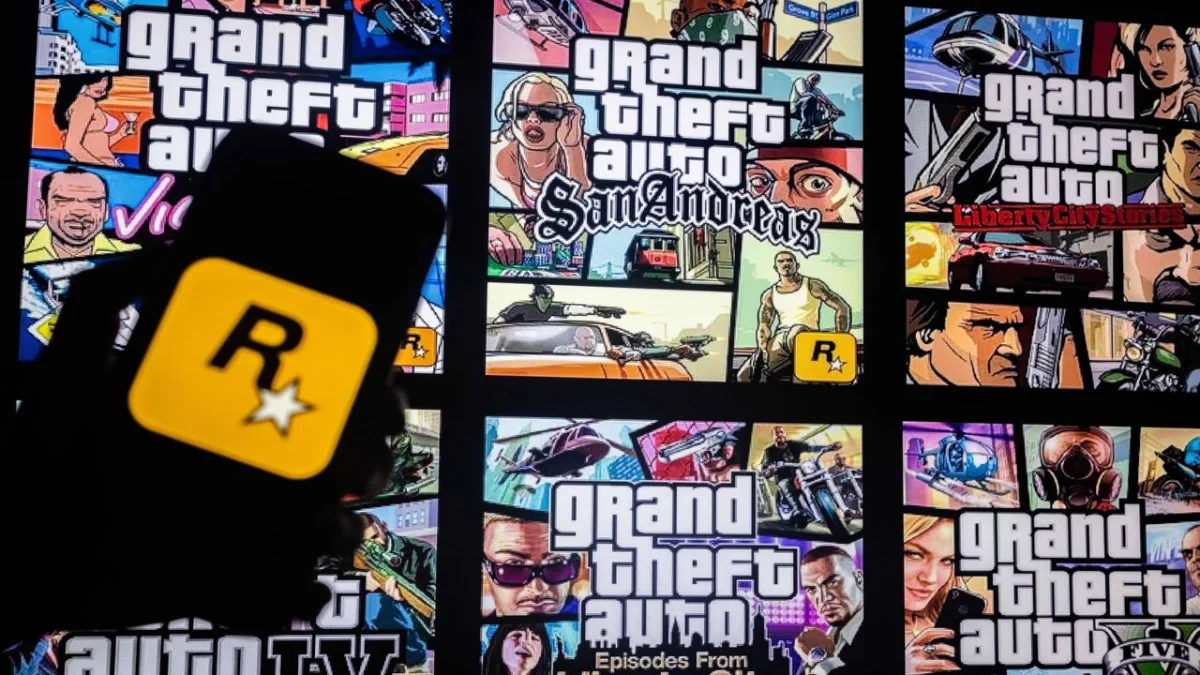
In a feat of technical ingenuity that blurs the lines between gaming history and modern emulation, a modder known as DryxioGTA has achieved what many previously thought was a mere "pipe dream" of the modding community: running Grand Theft Auto III and Grand Theft Auto: Vice City as fully functional, interactive mini-games directly within the engine of Grand Theft Auto: San Andreas.
This remarkable technical achievement, showcased in a series of viral videos, transforms the iconic 2004 open-world classic into a recursive hub, effectively creating a "game within a game within a game." By leveraging virtual machine technology and custom scripting, DryxioGTA has effectively turned the world of San Andreas into a living, breathing emulation station.
The Technical Breakdown: How It Works
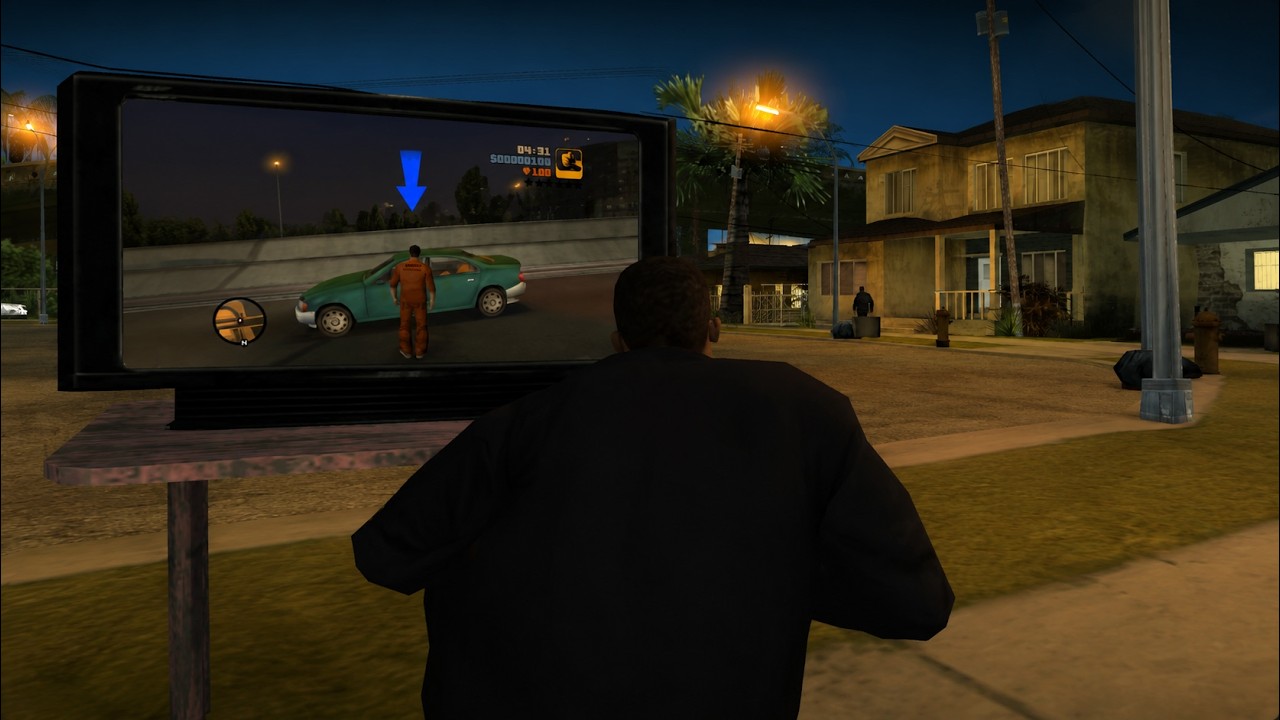
The magic behind this mod lies in the clever integration of a Windows virtual machine environment running on a macOS host. While the base layer remains the original Grand Theft Auto: San Andreas PC port, the modder has introduced custom interactive textures—specifically, television screens placed within the game world.
When the protagonist, Carl "CJ" Johnson, approaches these in-game televisions, a prompt allows the player to launch either GTA III or GTA Vice City. Once initialized, the chosen game renders within the texture of the television screen. The brilliance of the implementation is the seamless transition of control. By toggling the F10 key, players can shift their input focus from the primary San Andreas environment to the emulated "mini-game."
Crucially, the host game continues to function in the background. If a player is busy navigating the streets of Liberty City on a San Andreas television, the NPCs and physics engine of the host San Andreas world remain active. This creates a surreal, multi-layered gameplay experience where one could theoretically trigger a mission in GTA III while simultaneously causing chaos in Los Santos.
A Chronology of the Project
The project surfaced in the public eye this past Thursday when DryxioGTA uploaded a demonstration video to YouTube. The response was immediate and overwhelming, as the gaming community—long accustomed to texture swaps and car mods—was stunned by the depth of the integration.
Phase 1: The Initial Proof of Concept
The first video demonstrated the "dual-layer" approach: the ability to run GTA III on a television set within San Andreas. The mod utilized specialized hooks to capture the display output of the secondary process and pipe it into the texture mapping of the television object.
Phase 2: The "Inception" Update
Proving that the initial success was not a fluke, DryxioGTA released a follow-up video only hours later, pushing the technical boundaries even further. This update demonstrated a "triple-stack" configuration: GTA San Andreas contained GTA III, which in turn contained GTA Vice City. This recursive loop of Rockstar classics effectively turned the games into a set of Russian nesting dolls, with each layer remaining independently playable.
Supporting Data: Why This Matters for Emulation
While modders have historically used "Video Player" mods to play pre-recorded clips inside GTA titles, this is fundamentally different. This is not a video file playing on a loop; it is a live, real-time rendering of a separate executable process.
The technical implications for the PC gaming community are significant:
- Process Inter-Communication: The mod demonstrates advanced methods for screen capturing and window hooking, which can be applied to other projects involving multi-tasking within legacy game engines.
- Resource Management: Running three instances of 3D game engines simultaneously requires significant overhead. That the mod functions on a virtual machine suggests that the optimization of these older titles (which were originally designed for early 2000s hardware) is highly efficient, even when running in a nested environment.
- Legacy Preservation: As we look toward the future of gaming, this mod serves as a testament to the longevity of the RenderWare engine used by Rockstar Games. It highlights how fan-driven development continues to keep 20-year-old software relevant in an era of modern gaming.
The Broader Context: Rockstar Games and the Community
This development arrives at a particularly charged moment for the Grand Theft Auto franchise. With anticipation for Grand Theft Auto VI reaching a fever pitch following multiple delays, the community has turned its attention to the past.
For many, these mods are a way of bridging the gap between the classic "3D Era" titles and the modern standard. While Rockstar Games has faced criticism for the quality of their own "Definitive Edition" remasters, the modding community continues to find ways to innovate with the original source material.
Official Responses and the Modding Landscape
Rockstar Games has historically maintained a complex relationship with the modding scene. While the company has taken a harder stance against mods that threaten their revenue streams (such as online-focused hacks or role-playing servers that violate terms of service), they have generally allowed single-player, quality-of-life, and experimental mods to flourish.
As of this writing, there has been no official comment from Rockstar regarding the "Inception" mod. However, industry analysts suggest that such creative projects are often viewed as "free marketing" that keeps the community engaged during long development cycles for new entries like GTA VI.
Implications for Future Modding
The success of DryxioGTA’s project opens the door to a new sub-genre of "Meta-Mods." If a modder can run a full 3D game inside a texture, what else is possible?
- Integrated Launchers: We may see "mod packs" that essentially function as operating systems within the game, allowing players to access browser windows, Spotify, or other applications without alt-tabbing.
- Multi-Game Hubs: It is now theoretically possible to create a "Rockstar Hub" mod, where players load into a single, massive open-world environment and use in-game portals to hop between any of the classic GTA maps, provided the hardware can handle the load.
- Enhanced Emulation: This project could inspire developers to create more sophisticated wrappers that allow even more intensive titles—perhaps even modern games—to be rendered inside the GTA engine, effectively creating a "Game Engine OS."
A Testament to Longevity
The fact that these mods exist for games released in 2001, 2002, and 2005 is a poignant reminder of the enduring cultural impact of the series. Grand Theft Auto is more than just a product; it is a platform. The dedication of creators like DryxioGTA ensures that these titles will remain a focal point of technological exploration for years to come.
As the gaming industry shifts toward cloud-based gaming and subscription models, the ability to take control of the software—to tear it down, reassemble it, and force it to perform tricks the original developers never imagined—remains the beating heart of the PC gaming experience.
Whether this leads to a new wave of "meta-modding" or simply stands as a singular, incredible curiosity, it serves as a powerful reminder: when you give a dedicated community a game, they won’t just play it—they will redefine the boundaries of what the software is capable of.
For those interested in the ongoing development of this project, you can follow updates through community forums or check the modder’s official YouTube channel. As we approach the November 2026 release window for Grand Theft Auto VI, one can only wonder if the modding community will find a way to bring the newest title into the "Inception" loop as well.