By Investigative Desk
Streaming sensation Kai Cenat, one of the most recognizable faces in the global digital creator economy, finds himself entangled in a significant legal battle. A lawsuit filed in the Bronx County Supreme Court on June 2, 2026, alleges that a man attending the 2025 Dominican Day Parade was subjected to an unprovoked and violent assault by a member of Cenat’s security detail. The filing casts a wide net, naming not only the alleged perpetrator but also Cenat himself, his management firm Night Inc., and an as-yet-unidentified security contractor as defendants in a case that highlights the growing pains of influencer-led public appearances.
The Allegations: A Confrontation in the Bronx
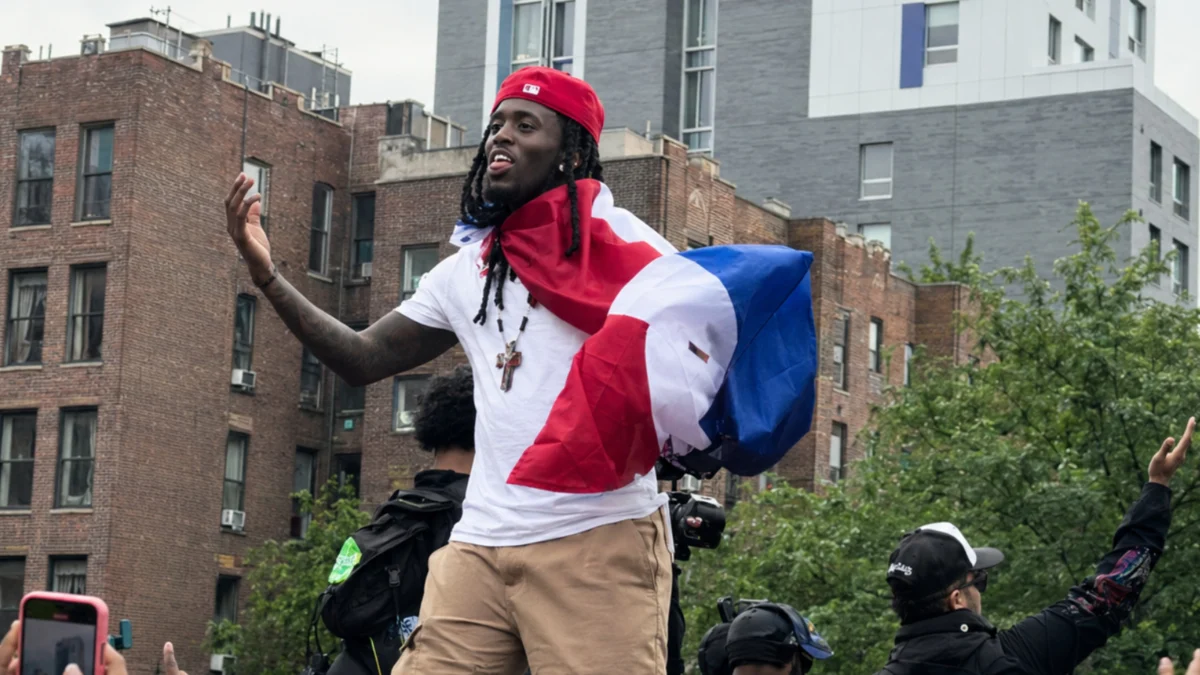
The plaintiff, Dustin Batista, initiated the legal action via a 10-page complaint that details an incident occurring on July 27, 2025, near East 210th Street in the Bronx. According to the court documents, Batista was a lawful attendee at the Dominican Day Parade when he was confronted by Lamont Gilbert, known professionally as “Cuddy,” a man identified in the suit as a security operative tasked with the protection and management of Cenat.
The complaint alleges that Gilbert “struck, punched, and assaulted” Batista without any prior warning or justification. Batista maintains his innocence, asserting that he did not threaten, attack, provoke, or in any way consent to physical contact with Gilbert. The lawsuit characterizes the force used by the security guard as "unnecessary, excessive, and entirely inconsistent with the duties of a professional security detail."
The aftermath of the alleged encounter, according to the filing, has been severe. Batista claims to have suffered physical injuries, intense pain, and significant emotional distress. Beyond the immediate trauma, the lawsuit cites “humiliation” and a “reduced enjoyment of life” as lasting consequences of the event. While the document asserts that Batista has incurred medical expenses and lost earnings, it notably omits specific medical diagnoses or a definitive dollar amount for the damages sought, leaving the quantification of these claims to be determined by the court or a jury at a later date.
Chronology of Events and Legal Escalation
The trajectory from the parade grounds to the Bronx County Supreme Court reflects a calculated legal approach. The incident, which took place in the summer of 2025, sparked a period of investigation by Batista’s legal team, leading to the formal filing nearly a year later.
- July 27, 2025: The alleged altercation occurs during the Dominican Day Parade in the Bronx. Batista claims he was struck by Gilbert while Gilbert was acting in a security capacity for Cenat.
- Late 2025 – Early 2026: The period of pre-litigation discovery, during which the plaintiff’s counsel likely attempted to identify the corporate structures and insurance policies governing Cenat’s security arrangements.
- June 2, 2026: The formal complaint is filed in Bronx County Supreme Court, officially naming Cenat, Gilbert, Night Inc., and a “John Doe” security firm as defendants.
- The Future: The discovery phase of the trial is expected to focus on identifying the specific security firm that hired Gilbert and determining the level of oversight provided by Night Inc. and Cenat’s personal team.
The Web of Liability: Targeting the Infrastructure of Influence
While the assault and battery charges are directed squarely at Lamont Gilbert, the lawsuit’s legal strategy is aimed at "piercing the veil" of the creator economy. Batista’s counsel is attempting to establish vicarious liability, arguing that the entities and individuals managing Cenat’s public presence should bear the financial burden of his security team’s alleged misconduct.
Vicarious Liability and Agency
The core of the legal argument is that Gilbert was acting within the scope of his employment—or at the very least, as an agent—for Cenat and Night Inc. By holding the “principal” (Cenat and Night Inc.) responsible for the “agent” (Gilbert), the plaintiff seeks to hold the deeper pockets of the influencer’s brand accountable for the actions of his subordinates.
Negligent Hiring and Supervision
Perhaps the most damaging aspect of the lawsuit for the defendants is the assertion of negligence. The complaint levies seven distinct causes of action, including gross negligence and reckless supervision. Batista alleges that the defendants failed in their duty to:
- Screen Security Personnel: The suit questions whether background checks, licensing verifications, and psychological assessments were conducted on Gilbert and others.
- Provide Adequate Training: The plaintiff argues that the security detail lacked training on the lawful use of force and professional de-escalation tactics, which are critical in high-density public settings like a parade.
- Supervise the Detail: The lawsuit claims that the failure to supervise the security team during a chaotic, crowded event directly facilitated the alleged assault.
The Role of Night Inc.
Night Inc., the influential talent management company that absorbed LFM Management in 2023, is a central target in this litigation. The firm manages some of the world’s largest digital creators, and the lawsuit posits that Night Inc. was not merely a passive observer but an active participant in organizing the security protocols for Cenat’s public appearances.
The filing alleges that Night Inc. had a fundamental responsibility to ensure the safety of the public by vetting and controlling the personnel assigned to Cenat’s entourage. By failing to perform due diligence on the “temperament, disciplinary history, and professional qualifications” of the security staff, the plaintiff argues, Night Inc. created a foreseeable risk of harm. While the extent of Night Inc.’s direct involvement in the day-to-day hiring of individual security contractors remains to be proven in court, the inclusion of the firm suggests a strategy to target the corporate infrastructure that enables the massive public presence of modern influencers.
Implications for the Creator Economy
This case arrives at a time when the line between digital celebrity and real-world public safety is increasingly blurred. Influencers like Kai Cenat regularly draw thousands of fans to public spaces, often creating logistical nightmares that require professional security intervention.
The “John Doe” Variable
The inclusion of a “John Doe” defendant is a standard but tactical maneuver. It signals that the plaintiff’s team has identified a gap in the chain of command and intends to use the subpoena power of the court to force the disclosure of the security contractor’s identity. Once this firm is identified, the complaint will be amended to include its name, potentially opening a new front in the litigation against a specialized security firm that may carry its own significant insurance and liability protections.
The Standard of Care for Influencer Security
Industry analysts suggest that this case could set a precedent for how influencers and their management companies handle public security. If the court finds that Night Inc. or Cenat himself bears responsibility for the actions of their security staff, it may force a shift toward more formal, licensed, and highly regulated security protocols for all major influencers. The expectation of “professional conduct” in public spaces is non-negotiable, and this lawsuit tests whether that expectation applies equally to the security details of digital stars as it does to traditional celebrities.
Conclusion: A Long Road to Trial
It is imperative to note that the allegations contained in the June 2 filing remain just that—allegations. None of the claims have been established in a court of law, and the defendants have yet to file their formal responses. As the case proceeds, the defense will likely argue that Gilbert was acting independently or that the incident was a reaction to unforeseen circumstances, thereby attempting to insulate Cenat and Night Inc. from the claims of vicarious liability.
For now, the case stands as a stark reminder of the complexities inherent in the modern celebrity machine. As Kai Cenat and his legal team prepare to mount a defense, the eyes of both the creator community and the legal world will be fixed on the Bronx. The outcome could very well redefine the standards of liability for those who manage the fame and public interactions of the internet’s most prominent figures.