

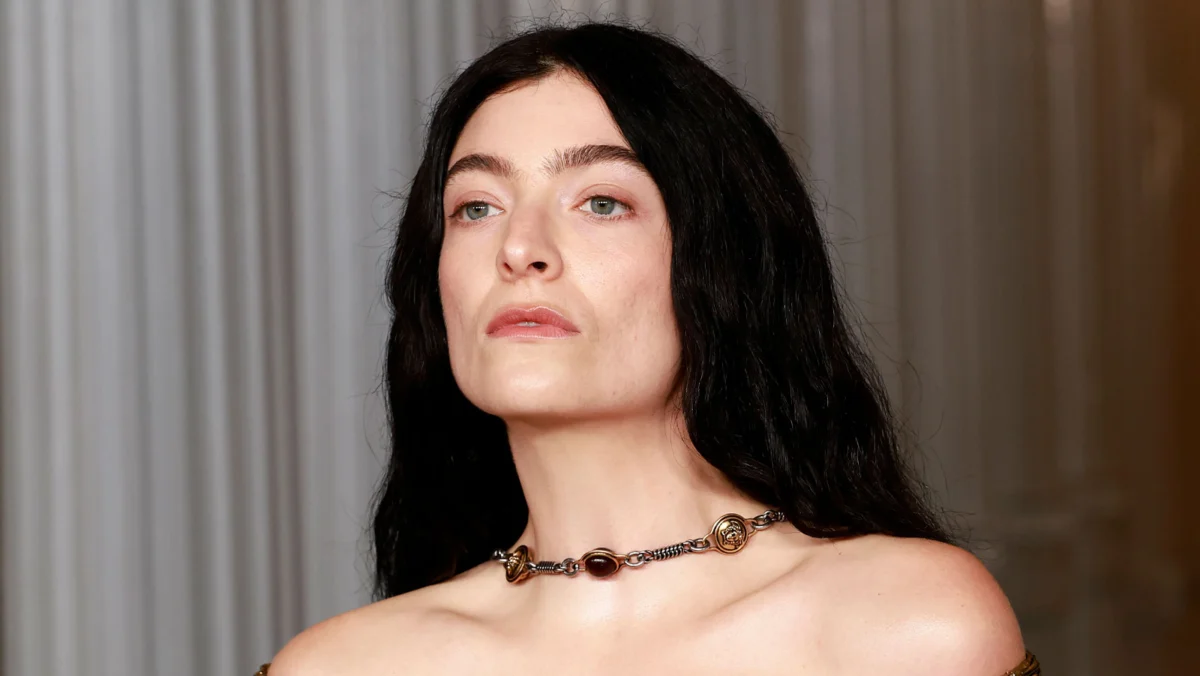
The intersection of generative artificial intelligence and the music industry has reached a new, contentious milestone. Lorde, the Grammy-winning singer-songwriter known for her lyrical depth and guarded creative process, has publicly criticized Spotify over its experimental "About the Song" feature. The tool, designed to provide context and background information for tracks, has drawn sharp rebuke from the artist, igniting a broader conversation about the sanctity of artistic intent, the fallibility of AI, and the control creators retain over their work in the streaming era.
The Genesis of the Conflict: A Screen Capture Heard ‘Round the World
The controversy erupted when Lorde took to Instagram Stories to voice her frustration regarding the beta feature. Sharing a screenshot of the Spotify interface while her 2021 track "Current Affairs" was playing, she highlighted a generated blurb that attempted to contextualize the song.
The AI-generated text provided by the feature claimed: "On her Ultrasound World Tour, Lorde turns Current Affairs into a full-on performance piece, stripping down to underwear while a dancer pours water over her stomach so the song plays out like the shower scene she talks about on stage."
For the artist, this description was not only an intrusion but a factual error. Lorde immediately countered the claim, stating, "Hey Spotify, I’m gonna go out on a limb [and] say we don’t want this." She further clarified that the information was "inaccurate," noting that the performance description provided by the AI was not associated with "Current Affairs." More importantly, she raised a philosophical objection: "Reducing a song to an AI-generated meaning right at the source feels like it limits free interpretation."
Chronology of the Beta Rollout and Response
Spotify’s "About the Song" feature is part of a larger, ongoing effort by the streaming giant to enhance user engagement through data-driven storytelling. The feature, which began its beta rollout earlier this year, is designed to scrape third-party editorial content—such as music journalism, blog posts, and reviews—to provide listeners with immediate context about a track.
The Timeline of Events:
- Early 2024: Spotify initiates the beta phase for "About the Song," integrating it into the user interface to provide deeper insight into song histories and production details.
- The Incident: A listener, utilizing the feature on Lorde’s Solar Power track "Current Affairs," encounters a hallucinated or misattributed description sourced from themusic.com.au.
- The Protest: Lorde posts the screenshot to her Instagram, challenging the accuracy of the content and the imposition of a singular, machine-led narrative upon her work.
- The Correction: Upon public outcry, Spotify quickly removed the specific text associated with "Current Affairs."
- The Official Statement: Spotify issues a response acknowledging the error and reinforcing the "beta" nature of the product, while emphasizing their commitment to refining the technology.
The Architecture of the Feature: How Spotify Sources Information
To understand why this friction occurred, one must look at the mechanics of the "About the Song" feature. Unlike generative AI that writes original text based on latent training data, this feature acts as an aggregator. It scans the open web for articles that mention the track title and artist, then uses large language models (LLMs) to synthesize that information into a concise summary.
The flaw in this system, as evidenced by the Lorde incident, is the lack of strict verification. Because the internet is saturated with speculative journalism, fan forums, and misattributed reviews, the AI is prone to "hallucinating" context—or, as in this case, conflating a performance detail from one song with the audio of another. By pulling from third-party sites like themusic.com.au, the feature inherits the biases and inaccuracies of the source material without a human editor to act as a gatekeeper.
The Implications: Artistic Agency vs. User Convenience
Lorde’s critique touches upon a growing anxiety within the music industry: the erosion of artistic ambiguity. Music, by nature, is an interpretive medium. When an artist releases a song, the listener’s personal connection—the "free interpretation" Lorde references—is part of the value proposition. By injecting an AI-generated "correct" meaning directly into the streaming interface, Spotify risks preemptively defining the song for the listener, effectively narrowing the scope of what the music can represent.
The Problem of "Authoritative" AI
When a platform as dominant as Spotify presents information, users tend to view it as factual. If an AI tells a listener that a song is "about" a specific shower scene or a specific tour performance, that narrative often overrides the listener’s own emotional experience. Lorde’s plea to "at least make it possible for artists to opt out" is a call for a "right to silence"—a way for creators to decline the digital packaging of their art if they feel it undermines their creative vision.
Data Privacy and Content Ownership
Beyond interpretation, there is a legal and ethical question regarding the use of third-party music journalism. The websites being scraped are often independent outlets that rely on traffic for revenue. By summarizing their content within the Spotify app, the platform effectively keeps the user within the Spotify ecosystem, potentially stripping away the incentive for users to visit the original source. This creates a parasitic relationship between the streamer and the music journalism community.
Official Responses and the Path Forward
In response to the backlash, Spotify issued a formal statement, which was subsequently shared by outlets like Pitchfork.
"We built ‘About the Song’ because fans want to dig into the stories behind the music," a company spokesperson said. "It’s still in beta. The info comes from articles across the internet, and when something’s off, we move fast to fix it, like we did here. Getting it right matters to us."
While the statement highlights the company’s responsiveness, it fails to address the underlying structural concerns raised by Lorde. The company views the project as a work-in-progress, but artists and critics view it as a systemic issue regarding the role of platforms in shaping public discourse around art.
The Future of Music Consumption
The "About the Song" debacle serves as a case study for the broader "AI-ification" of the internet. As tech giants move to automate curation, they often overlook the nuanced relationship between creator and consumer.
What This Means for Artists
- The Need for Opt-Out Protocols: Artists are increasingly demanding the right to curate their own metadata and promotional descriptions, rather than having it automated by algorithms.
- Brand Integrity: For artists who cultivate an air of mystery or intentional ambiguity, AI-generated explanations are antithetical to their brand.
- Quality Control: The incident highlights that, until AI can discern between gossip and fact, it is ill-suited to act as an authoritative source of history.
The User Experience
For the average listener, the feature is a double-edged sword. While many fans do enjoy learning about the recording process, the production team, or the inspiration behind a track, they generally prefer accuracy. If Spotify cannot guarantee that the information provided is vetted, the feature risks becoming a source of misinformation, ultimately damaging the platform’s credibility.
Conclusion: A Call for Human-in-the-Loop Curation
Lorde’s intervention serves as a necessary check on the rapid deployment of AI in cultural spaces. The incident underscores that while technology can scale information, it cannot yet replicate the nuance of artistic intent.
As the music industry continues to integrate AI, the lesson from this episode is clear: innovation cannot come at the expense of artistic agency. Whether through opt-out tools, verified databases, or human-led editorial input, Spotify and other platforms must find a way to balance the hunger for content with the rights of the creators who provide it. Until then, the "About the Song" feature remains a cautionary tale of what happens when machine-generated narrative tries to speak for the artist—and gets the story wrong.










