

In the immediate wake of the global COVID-19 pandemic, the outlook for the independent film industry was nothing short of apocalyptic. As lockdown mandates shuttered theaters and audiences retreated into the convenience of digital streaming, the traditional "neighborhood" arthouse cinema—once a cultural pillar of the American landscape—found itself on the brink of extinction. Market share for independent films plummeted, and the older demographic that had historically sustained the arthouse ecosystem seemed to have vanished, permanently altered by a year of domestic isolation.
Yet, as we move into 2026, the narrative of inevitable decline is being rewritten. A surprising resurgence is taking hold, driven not by the traditional patrons of yesteryear, but by a digitally native generation. Fueled by internet archives, film-centric social media discourse, and cataloging platforms like Letterboxd, a new wave of young cinephiles is reclaiming the theatrical experience. For these viewers, cinema is not merely passive entertainment; it is a lifestyle, an event, and a community.
At the heart of this shift is Utopia Distribution, a boutique firm that has spent the last year fundamentally dismantling its legacy business model to match the energy of this emerging demographic. Charlie Sextro, the company’s Senior Vice President of Acquisitions and Business Development, believes that while the industry is currently in a state of creative destruction, the result will be a more resilient, audience-focused future.
A Chronology of Crisis and Adaptation
To understand the current state of independent distribution, one must look at the trajectory of the last five years.
2020–2022: The Great Contraction
The pandemic functioned as a brutal filter. With major studios prioritizing day-and-date streaming releases, the "mid-budget" and "independent" sectors lost their footing. Marketing dollars that were once funneled into theatrical campaigns were diverted into the digital void. For distributors like Utopia, which entered the market roughly seven years ago, the traditional playbook—buying a well-reviewed film, putting it in a handful of theaters, and hoping for a positive critic consensus—suddenly ceased to function.
2023–2024: The Digital Renaissance
During these years, the seeds of the current recovery were sown. While the box office struggled, online film culture exploded. Young audiences began seeking out "repertory" screenings, not just of classics, but of obscure, avant-garde, and internet-native projects. Films like Kane Parsons’ Backrooms and Curry Barker’s Obsession began to generate organic, massive followings online, proving that "fandom" was a more powerful marketing engine than traditional print or television advertising.
2025–2026: The Pivot to "Eventivization"
Recognizing that the old ways were unsustainable, Utopia underwent a strategic restructuring. Since joining the firm in March 2025, following a prestigious 13-year tenure as a lead programmer at the Sundance Film Festival, Sextro has led the charge in shifting from a high-volume release model to a highly curated, "event-driven" strategy.
The Death of Traditional Distribution
Sextro does not mince words when describing the current landscape. "It is a very difficult time right now," he stated during a panel at the Costa Rica Media Market. "In the United States, it is maybe as tough as it’s ever been to really connect and get traction. But I feel like everything is being destroyed right now to be rebuilt into something new."
Historically, the arthouse model relied on a steady stream of older, affluent moviegoers who prioritized foreign-language cinema and high-brow dramas. That demographic, according to Sextro, largely evaporated during the pandemic. However, the void they left behind has been filled by a younger, more energetic crowd.

"The independent film world has always been driven by older audiences—that was the cornerstone," Sextro noted. "But that went away, and we now have this young generation driving arthouse. To me, that is the dream. Young cinephiles are the greatest thing in the world, so I am incredibly hopeful about what’s coming."
This hope is underscored by a sobering reality: the VOD and streaming markets are no longer the safety net they once were. "In the past year alone, we’ve gotten no major streaming licensing deals from any of the streamers," Sextro revealed. "Every time they see our movies, they say they are too small. They’ve kind of given up on independent film, and that has taken away a major point of money that was going to come into the release."
Furthermore, the "long tail" of digital discovery has frayed. On platforms like Amazon and Apple, niche films are frequently buried under algorithmic bias. "There is no discovery of arthouse movies on Apple and Amazon," he added.
Supporting Data: Quality Over Quantity
Utopia’s pivot is a response to these market failures. The company is drastically reducing its yearly release output—from nine or ten films annually down to four or five—to ensure that each project receives the maximum amount of resources and, more importantly, human attention.
"We’re a small company," says Sextro. "We used to release nine to ten movies a year… one campaign after another in that old-school way. That doesn’t happen anymore. So our pivot is that we’re pulling back on numbers because it’s not sustainable."
Instead of a broad, thin release, Utopia is now embracing a "roadshow" methodology. This strategy involves "eventivizing" the theatrical experience, making the act of seeing a movie in a cinema a unique, unrepeatable moment rather than a standard commercial transaction.
Case Study: The "Summer Tour" Model
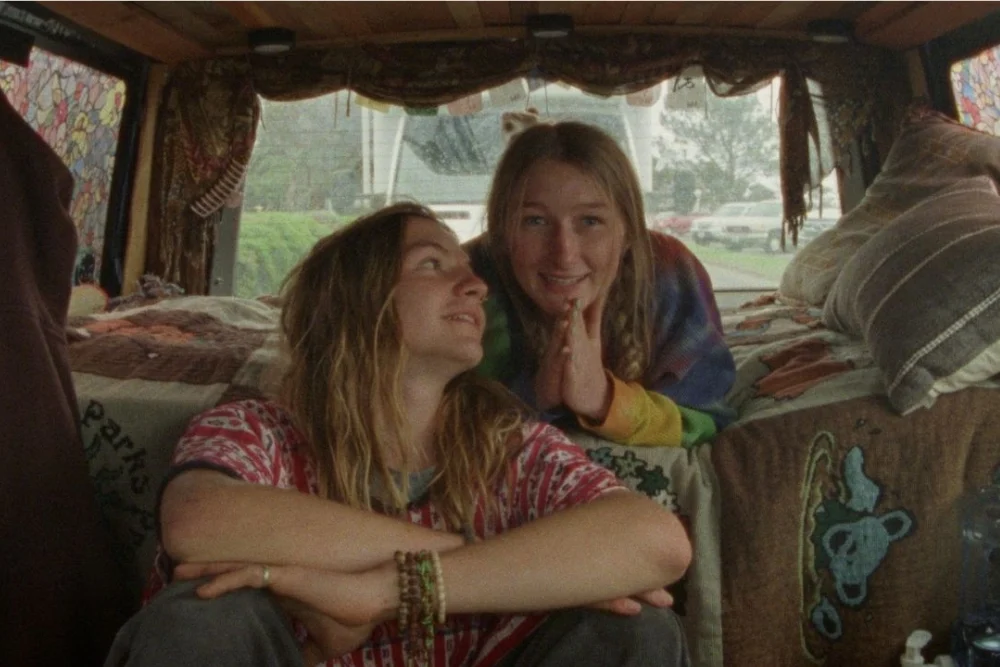
A prime example of this new strategy is the recent documentary Summer Tour, directed by Mischa Richter and produced by Chloe Sevigny. Rather than dumping the film into art houses for a standard run, Utopia spent six weeks touring the film through music venues.
The strategy was simple yet brilliant: leverage the film’s subject matter (a documentary about Grateful Dead fans) by pairing screenings with live performances from a Grateful Dead cover band. This approach effectively turned the film into a destination event. By the time the movie reached traditional art houses, a loyal, engaged audience had already been built.
"We’re creating material for six weeks before we go into art houses," Sextro explained. "We use the first six weeks to promote the art house instead of just spending money. We’re creating revenue by generating events that sell. I always believe the movies are great, and there are audiences. The thing that needs fixing right now is how they are being connected to the audience."

The Global Outlook: Seeking Passion Beyond Borders
While Utopia has traditionally focused on a specific brand of indie cinema, its search for new content is becoming increasingly global—and agnostic. Despite a catalog that currently lacks a heavy presence of Latin American titles, Sextro views the region as a significant frontier for the company’s new, event-focused model.
"We are open to the movies that we love, that we believe in, and that we see a potential audience for," Sextro said. "In the United States, there is a massive Spanish-language-driven audience. There are a lot of films where that is the highest percentage of ticket buyers, so there’s a massive space for it."
However, the company’s requirements for acquisition have changed. They are no longer looking for "products" to fill a release calendar. They are looking for "partners."
"We rely heavily on filmmakers to be partners in the release, generating ideas, helping us with the creative," he noted. "The filmmakers are the ones with the best ideas because they’ve been living with these movies for years. There’s incredible potential in releasing Latin American films, even Spanish-language films in general, in the United States. It’s such a strong cause."
Implications: A Sustainable Future
The implications of Utopia’s shift are significant for the broader industry. By proving that a boutique distributor can survive—and thrive—by eschewing the traditional, high-volume release strategy in favor of hyper-curated, event-based campaigns, Utopia is providing a blueprint for other companies struggling in the streaming era.
The industry is learning that audiences are not gone; they have simply moved away from the passive habit of "going to the movies" and toward the active pursuit of "experiences." If a distributor can provide an event that feels "pure" and "created especially for them," audiences will show up.
As Sextro concludes, the "destruction" of the old model is not an end, but a necessary shedding of dead weight. The future of independent film, it seems, lies not in the digital algorithms of the big streamers, but in the physical, communal, and highly passionate spaces where films are treated as events worth leaving the house for. For a new generation of cinephiles, the theater is not a relic of the past; it is the stage for the future.










