Muslim
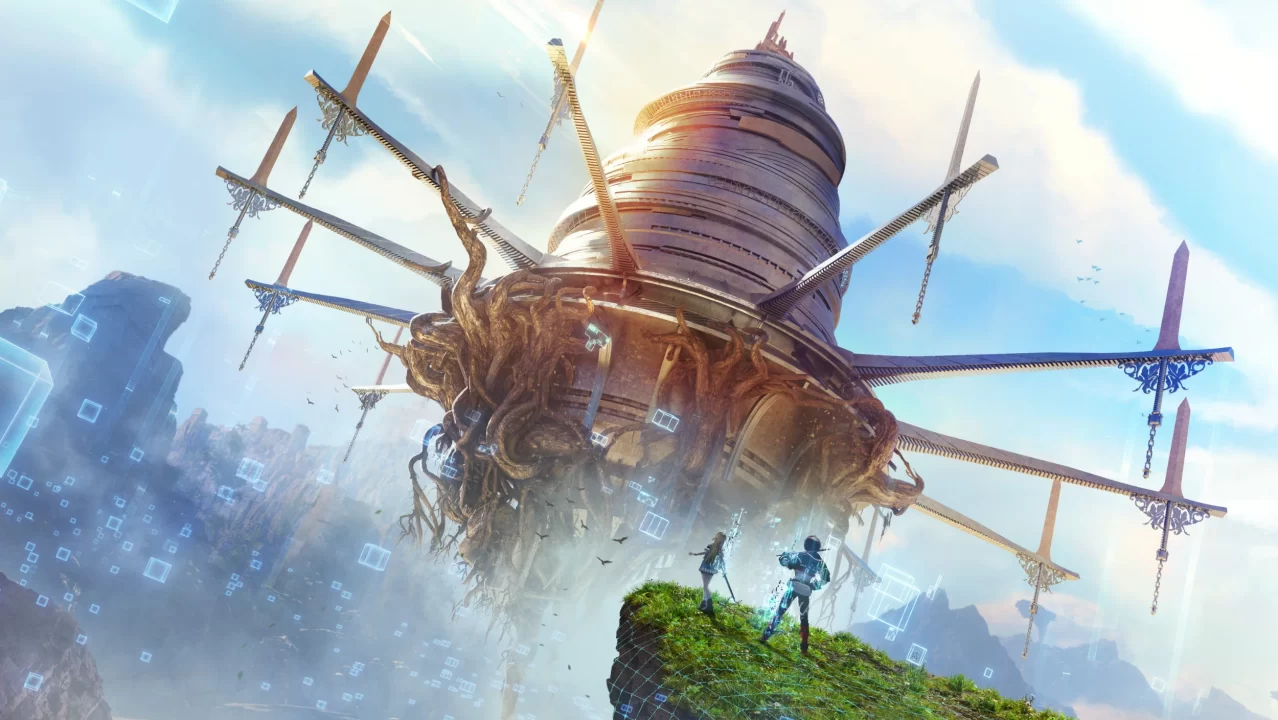
For those who look back on the PlayStation 3 era of role-playing games with a sense of rose-tinted nostalgia, Echoes of Aincrad arrives as a jarring, cold-water wake-up call. Based on the seminal light novel and anime series Sword Art Online, the game promises a grand ascent through the hundred floors of the floating castle Aincrad—a premise rooted in high-stakes survival and the visceral tension of a "death game." However, instead of a soaring adventure, Echoes of Aincrad delivers a grounded, repetitive experience that fails to justify its existence in the modern gaming landscape.
The Premise: A Concept Without a Soul
The core conceit of Sword Art Online is inherently compelling: thousands of players trapped in a virtual reality MMORPG where death in the game results in the termination of the player’s life in the real world. Climbing the hundred floors of Aincrad is a race against time and an exercise in survival.
Echoes of Aincrad adopts this premise but fundamentally fails to understand the mechanics of engagement. Rather than capturing the urgency or the sense of awe inherent in such a vertical, high-stakes environment, the game settles for a sterile, formulaic loop. It is a title that feels as though it was designed for a 2012 release window, yet it somehow lacks the focus and charm that defined the better RPGs of that period. By attempting to mimic the structure of an MMORPG without the accompanying social ecosystem or the narrative pacing of a tight single-player experience, the developers have crafted a world that feels aggressively hollow.
Chronology of a Design Failure
The gameplay loop of Echoes of Aincrad is a testament to the dangers of stagnant design. Players step into the shoes of a custom protagonist—a departure from the series’ traditional focus on Kirito. While this offers an initial glimmer of hope for role-playing agency, that potential is quickly stifled.
The Never-Ending Loop
The game locks the player into a rigid, repetitive cycle:
- Departure: Receive a mission in town.
- Engagement: Slay a specific number of mobs or gather materials in a static zone.
- Return: Hand in the quest, upgrade gear, and allocate minor stat points.
- Repetition: Repeat the process ad infinitum.
This cycle never evolves. As the player progresses, the tasks do not increase in complexity or thematic weight; they simply increase in numerical requirement. What begins as a quest to kill five boars eventually morphs into a quest to kill ten boars, then twenty. The "MMO logic" used to justify these tasks—such as boars dropping legendary swords or NPCs repeating the same lines of dialogue—serves only to highlight the lack of imagination behind the game’s structural foundation.
Supporting Data: The Illusion of Progression
One of the most damning aspects of Echoes of Aincrad is its approach to character growth. On paper, the game offers a robust suite of systems: unrestricted stat allocation, weapon crafting, and an "EX-MOD" trait system for gear. Yet, in practice, these systems are a facade.
Vertical vs. Horizontal Growth
The progression is almost exclusively vertical. You are not unlocking new abilities that change your tactical approach or your playstyle; you are simply increasing the numbers associated with your character. When you upgrade a weapon, you aren’t gaining new combat techniques; you are just seeing higher damage values when you hit the same "reskinned" enemies you fought hours ago.
The EX-MOD system, intended to add depth to equipment, falls flat. The enhancements provided are incremental and rarely offer a meaningful shift in how the player navigates combat. By the time a player realizes that their character’s identity is tied purely to an arbitrary stat sheet rather than meaningful skill-based growth, the game has already become a chore.
A Stagnant World and Mechanical Monotony
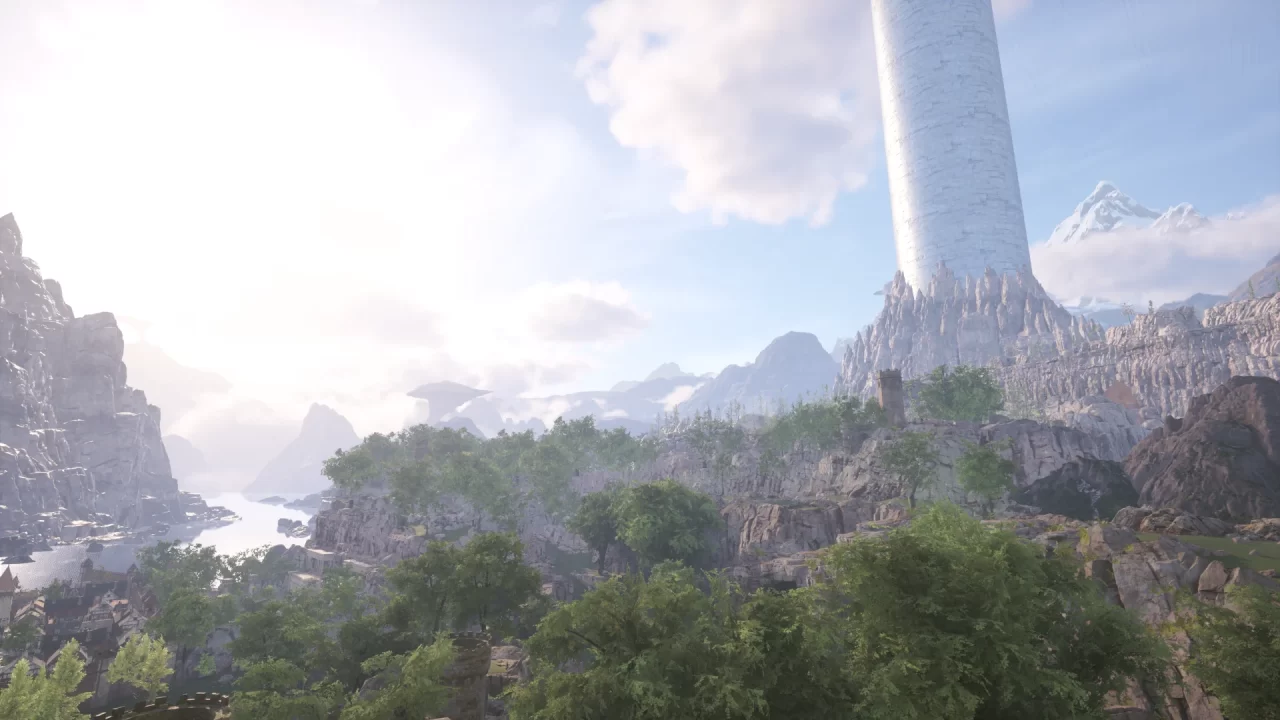
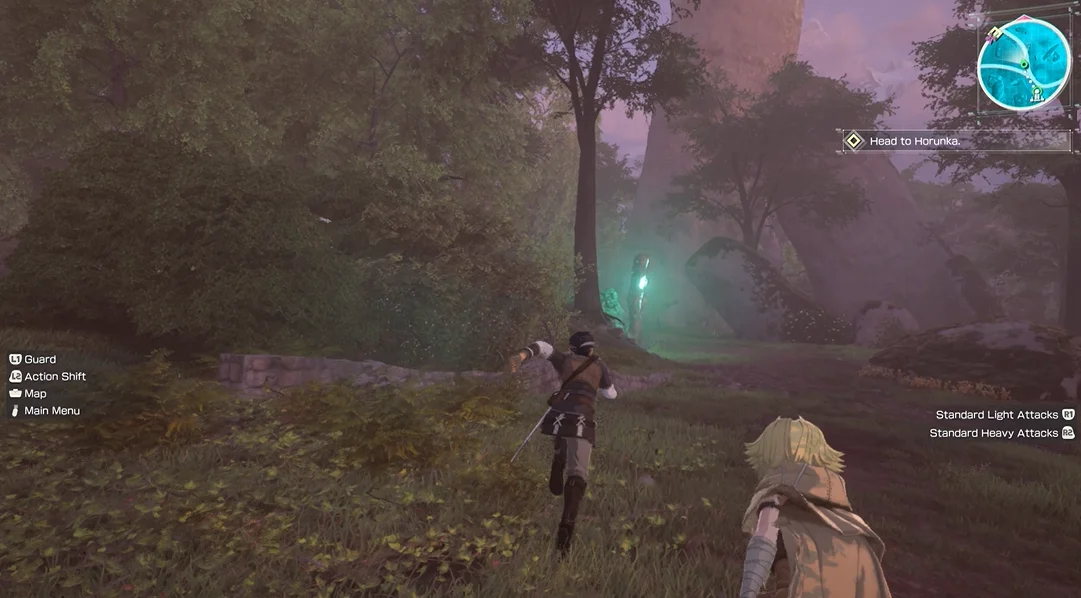
The world-building, or lack thereof, mirrors the mechanical failings. The environments of Aincrad—the settings that should be the crown jewels of the experience—are largely static and devoid of life.
Quest and Enemy Design
The quest design is a relic of an era that the industry has largely outgrown. Objectives are strictly utilitarian: move to a marker, kill an enemy, or collect an item. There is no diversity in presentation, and the AI of the enemies is equally primitive. A wolf on the first floor behaves identically to a wolf on the second floor; the only difference is the amount of health it possesses.
The combat, which attempts to bridge the gap between traditional action RPGs and "Souls-like" stamina management, is serviceable but uninspired. There is no tactical "weight" to the combat. The lack of variety is exacerbated by party members who serve as little more than background noise, lacking any significant character development or unique personality traits. Even the "labyrinths," which offer a brief respite from the open-world monotony with their maze-like design, eventually succumb to the same repetitive structure that plagues the rest of the game.
Official Responses and Developer Stance
To date, the developers of Echoes of Aincrad have remained largely silent regarding the critical reception of the title’s structure. However, early promotional material focused heavily on the "faithful recreation" of the Aincrad setting. This commitment to fidelity appears to be the game’s greatest weakness. By prioritizing a "MMO-like" experience, the developers seem to have misunderstood that the appeal of a virtual world lies in its sense of mystery and potential for discovery—two elements entirely absent from this title. There has been no indication of post-launch updates intended to overhaul the questing system or add the "altitude" and verticality that the game’s setting demands.
Implications: The Death of Nostalgia
The release of Echoes of Aincrad has forced a broader conversation about the value of the PS3-era RPG aesthetic. For years, there has been a segment of the gaming community that lamented the loss of "simple," grind-heavy, anime-styled action games. This game, however, serves as a harsh reminder of why those design philosophies were eventually phased out.
The Problem of "Functional" Design
The story is functional—it tells you where to go and what to do—but it lacks any desire to make those actions feel significant. The "death game" aspect of the plot is treated as window dressing. Characters speak of the fear of death, yet they act with the casual indifference of NPCs in a standard fetch-quest simulator.
Why We Moved On
The industry has moved toward more immersive, player-driven narratives and dynamic, responsive worlds. Echoes of Aincrad stands in stark opposition to this progress. It suggests that a game can exist solely on its "concept" without needing to provide a compelling "experience." It is a title that relies on the player’s love for the Sword Art Online brand to overlook the fact that there is very little actual game to be found within the package.
Conclusion
Echoes of Aincrad is a cautionary tale for developers who rely too heavily on the allure of a popular setting without investing in the underlying systems that make a game worth playing. It is a product of missed opportunities, where a potentially rich and terrifying world is reduced to a series of tedious, repetitive chores.
The game’s failure is not just in its bugs—of which there are a few, including erratic enemy clipping and pathing issues—but in its fundamental lack of ambition. It does not challenge the player; it does not reward the player; it simply asks the player to exist within its cycle until they are too bored to continue. For those who once held a soft spot for the RPGs of the early 2010s, Echoes of Aincrad may be the final proof that it is time to stop looking backward. The era of the stagnant, repetitive grind-fest is over, and after spending time with this title, it is clear that we are better off leaving it there.


 Asro
Asro
 Raul Delapena Setiawan