The landscape of global digital entertainment has shifted dramatically over the last decade, with South Korean webtoons—or manhwa—emerging as a dominant force in visual storytelling. Recognizing this cultural shift, Marvel Entertainment, in collaboration with Disney Korea and the prominent Korean web portal Daum, orchestrated a landmark project: Avengers: Electric Rain. This original webtoon series, featuring the iconic Marvel superheroes in a distinctly Korean setting, marked a significant milestone in the globalization of the Marvel brand. Spearheaded by the talented Korean artist Younghoon Ko, the series not only introduced a fresh aesthetic to the Avengers mythos but also solidified a strategic bridge between Western comic book traditions and the rapidly expanding East Asian digital comics market.
The Genesis of a Global Crossover
The inception of Avengers: Electric Rain was not merely an artistic experiment but a calculated business maneuver. By leveraging the popularity of Daum, one of South Korea’s leading web portals, Marvel aimed to capitalize on the country’s high digital literacy and the immense popularity of the manhwa format. Unlike traditional Western comic books, which are typically printed on paper and sold in episodic installments, Korean webtoons are designed specifically for the vertical-scrolling experience of smartphones and tablets.

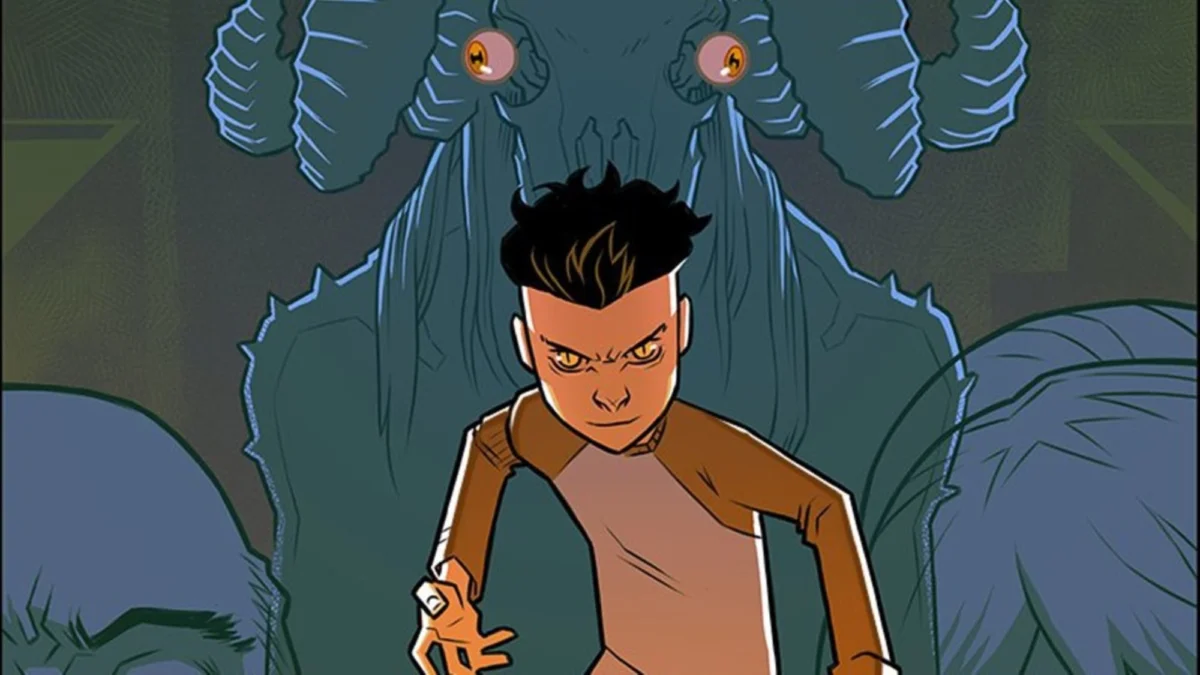
The project sought to place the Avengers—specifically core members like Iron Man, Captain America, and Thor—directly into the streets of Seoul. This localization was intended to resonate with local readers while retaining the high-stakes, action-oriented storytelling that defines the Marvel Cinematic Universe (MCU) and its print counterparts. Central to the narrative was the introduction of an original character, designed to integrate seamlessly into the Marvel canon while providing a localized perspective for the Korean audience.
Chronology: From Concept to Viral Success
The development of Avengers: Electric Rain followed a rigorous production schedule that prioritized authentic representation.

- Initial Partnership (2013-2014): Marvel and Disney Korea initiated discussions with Daum to explore the potential for a localized digital comic. The goal was to reach a demographic that consumed content almost exclusively through mobile devices.
- Creative Selection: Younghoon Ko was tapped to lead the artistic direction. Known for his dynamic style and ability to render high-octane action sequences, Ko was tasked with maintaining the visual identity of Marvel characters while adapting them to the fluid, long-form layout characteristic of webtoons.
- The Launch: Upon its release on the Daum platform, the series saw immediate traction. The format allowed for color-rich, high-resolution panels that optimized the reading experience for mobile users.
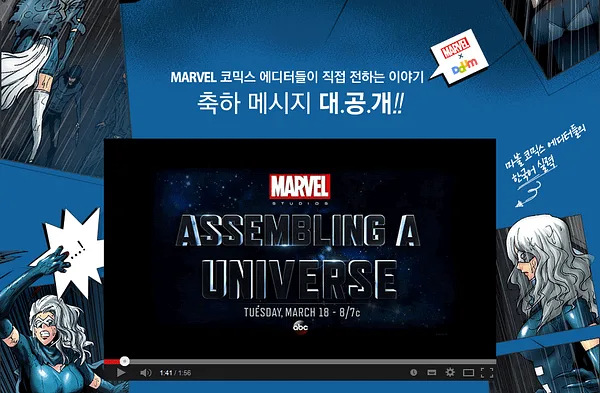
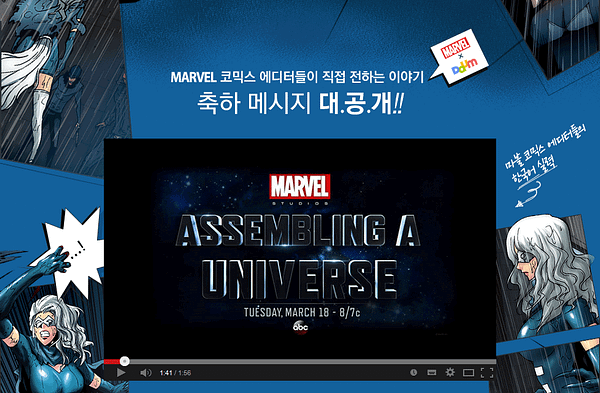
- The Promotional Push: To build hype, Marvel executives—including editorial veterans like C.B. Cebulski, Axel Alonso, Tom Brevoort, and editors Ellie Pye, Jordan White, and Nick Lowe—participated in a series of promotional interviews. These clips highlighted the cross-cultural nature of the project, though they were noted for their humorous, albeit awkward, attempts at navigating the complexities of the Korean language.
Supporting Data: The Webtoon Phenomenon
The success of Avengers: Electric Rain can be attributed to the unique mechanics of the webtoon industry. Unlike the static pages of traditional comics, webtoons utilize the "infinite canvas" of the digital screen. This allows for immersive panel transitions and a reading pace dictated by the user’s scroll speed.
Data from the era indicated that South Korea had one of the highest smartphone penetration rates in the world, making it the perfect testing ground for Marvel’s digital-first initiative. By partnering with Daum, Marvel bypassed the traditional distribution hurdles associated with physical comic book shops, which were relatively scarce in Korea compared to the United States. This direct-to-consumer digital model ensured that Electric Rain reached millions of readers instantaneously upon release, effectively turning the Avengers into a household name within the Korean mobile gaming and entertainment community.

Official Responses and Editorial Perspectives
The reception from Marvel’s editorial leadership was overwhelmingly positive, emphasizing the importance of creative collaboration across borders. During the promotional phase, figures like Axel Alonso and Tom Brevoort expressed enthusiasm for the "fresh perspective" that an international artist could bring to characters that had been drawn by the same core group of creators for decades.
However, the promotional content—specifically the videos featuring Marvel staff attempting to speak Korean—became a point of discussion. While the efforts of the editorial team were seen as well-intentioned and endearing, the clips served as a stark reminder of the cultural distance between the editorial offices in New York and the creators in Seoul. The contrast between these clips and the polished, professional work of Younghoon Ko served to highlight that, while the corporate side of the partnership was learning to adapt, the artistic vision of the Korean creators was already setting a standard for quality in the medium.

Younghoon Ko himself maintained a professional focus throughout the project. In his interviews, he emphasized the challenge of balancing the weight of Marvel’s established history with the need to craft a story that felt authentic to a Korean reader. His ability to blend the "Marvel look" with the vibrant, expressive style of modern manhwa was widely praised by critics and fans alike.
Implications for the Future of Comics
The long-term implications of Avengers: Electric Rain are profound. The project demonstrated that Marvel’s intellectual property is highly malleable and can be successfully adapted to fit local cultural sensibilities. This was a precursor to the broader "webtoonization" of Western media, where companies like DC Comics and Marvel have continued to experiment with vertical-format digital storytelling.

Expanding the Marvel Multiverse
By introducing a new character into the Electric Rain narrative, Marvel proved that it was willing to allow international partners to contribute to the official canon. This "multiversal" approach allows the company to test characters and concepts in regional markets before potentially integrating them into the global mainstream.
The Shift in Editorial Power
The collaboration also signaled a shift in how comic book publishers view their creative talent. By moving away from a centralized, Western-only creative team, Marvel opened the door for a more diverse array of visual storytelling. The success of this project encouraged subsequent collaborations, helping to normalize the idea that a "Marvel comic" does not necessarily have to be produced in an office in Manhattan to be considered authentic.

Digital Distribution as the New Standard
Finally, the project acted as a case study for digital-first distribution. As the physical comic book market continues to face logistical challenges, the webtoon model—characterized by free or low-cost access, mobile-first design, and immediate feedback loops via comments sections—has become a blueprint for reaching younger, digital-native audiences.
Conclusion
Avengers: Electric Rain remains a pivotal moment in the history of comic book publishing. It was a project that defied the conventional boundaries of the industry, proving that even the most established American icons could be successfully reinterpreted through a different cultural lens. While the promotional antics of the Marvel editorial team provided some lighthearted moments, the true legacy of the series lies in the work of Younghoon Ko and the team at Daum.
They bridged the gap between two very different comic cultures, creating a product that was at once a familiar Avengers story and a unique, localized digital experience. For Marvel, the experiment was a resounding success, paving the way for a future where the Avengers are not just local heroes of New York, but truly global icons, accessible to anyone with a smartphone and a passion for heroic storytelling. The project serves as a lasting reminder that in an increasingly interconnected world, the best stories are those that embrace collaboration, respect local traditions, and are unafraid to evolve with the medium of the day.