Muslim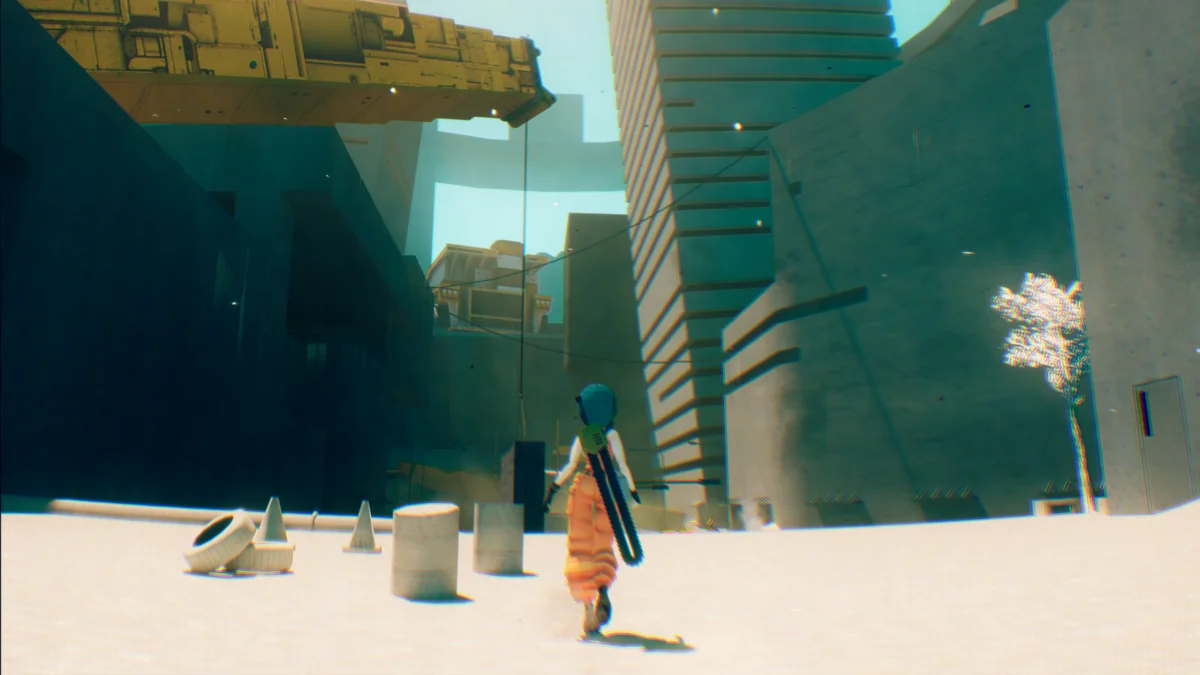
In the crowded landscape of 2024’s independent gaming scene, few titles have managed to carve out a niche as distinct and visually arresting as Motorslice. Developed by the two-person team at Regular Studio—brothers Lucas and Luiz Bonatti—the game has emerged as a sleeper hit, captivating players with its blend of high-speed parkour, oppressive megastructures, and a uniquely vibrant color palette. It is a title that feels simultaneously like a nostalgic relic of the PS2/PS3 era and a cutting-edge showcase for modern engine technology.
By marrying the desolate, vast scale of Fumito Ueda’s Shadow of the Colossus with the guided, rhythmic flow of Mirror’s Edge and the dizzying, architectural density of Tsutomu Nihei’s Blame!, Motorslice has become a masterclass in visual communication.
The Genesis of a World: Design Philosophy and Constraints
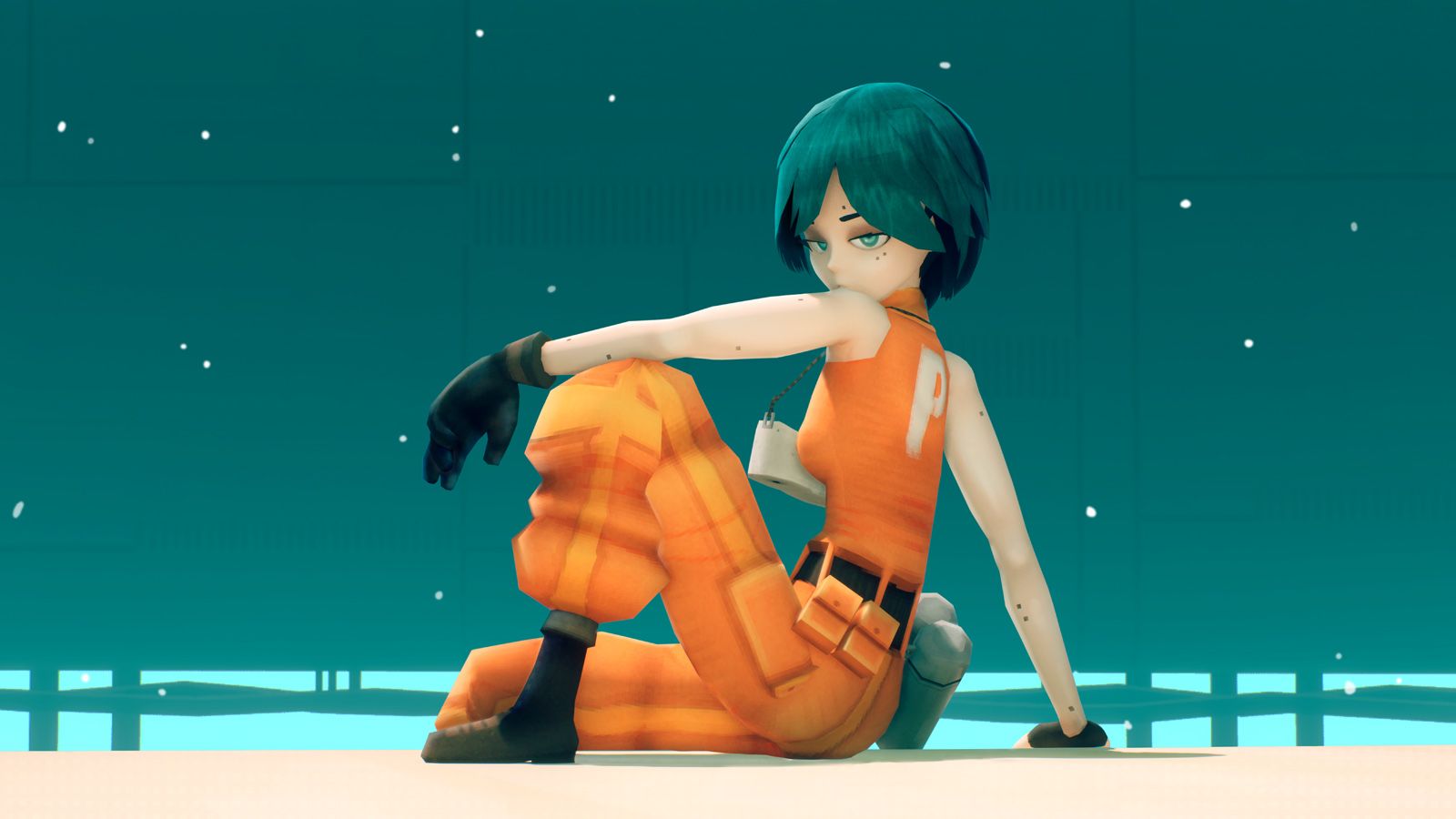
At its core, Motorslice is an experiment in constraints. For Lucas and Luiz Bonatti, the decision to lean into brutalist architecture was not merely an aesthetic choice; it was a production necessity. Brutalism, characterized by its reliance on raw concrete, geometric repetition, and stark silhouettes, provided the brothers with the tools to build a massive, believable world without the resource-heavy requirements of hyper-realistic asset density.
"Since the very beginning, we’ve had a strong vision of what we wanted the game to be," says Lucas Bonatti. "We wanted to make an atmospheric, deadly place, but not in the common sense of a gritty world. We wanted a colourful yet desolate art direction."
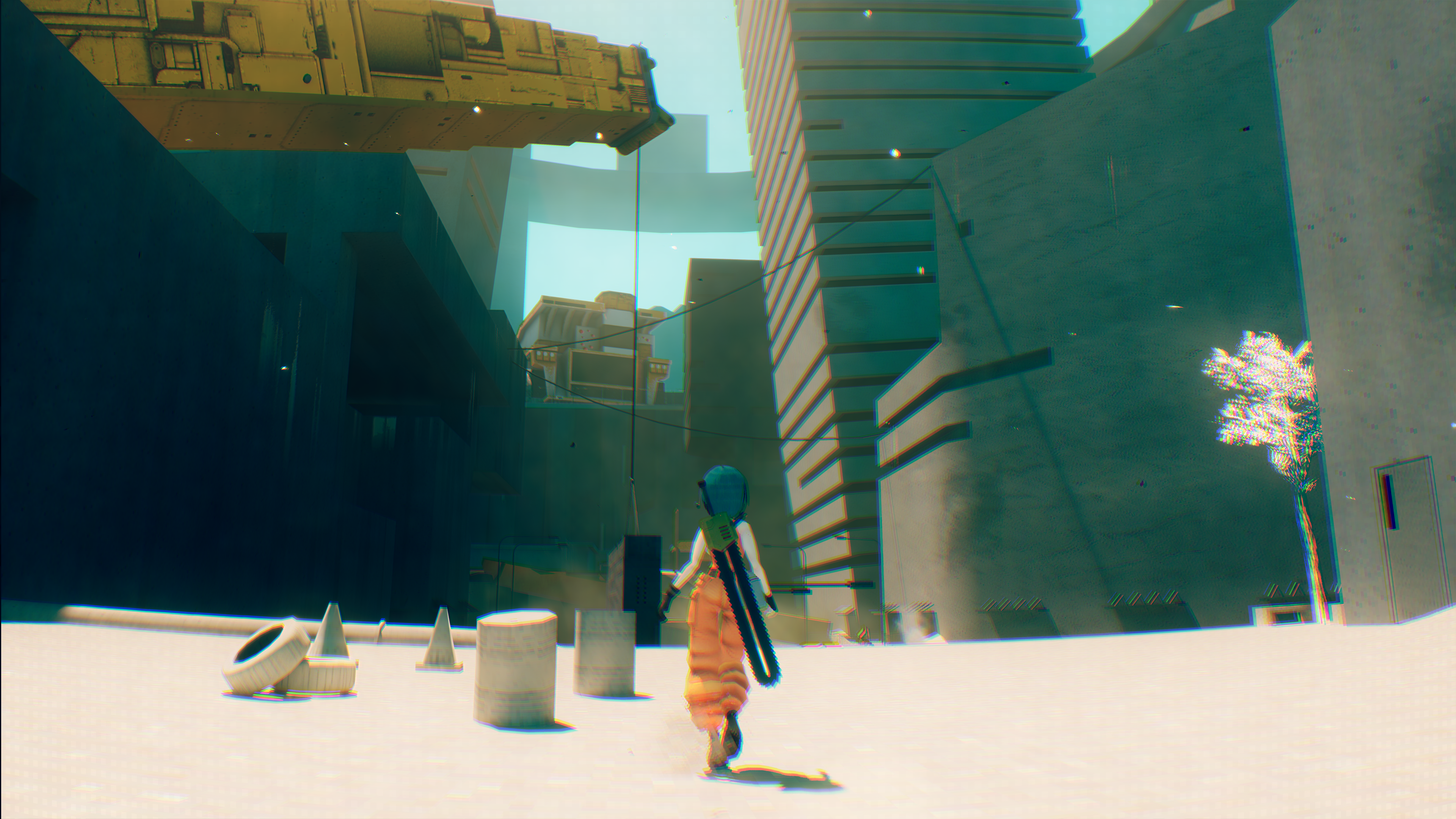
This "colourful desolation" is achieved through a deliberate use of color theory. While the concrete structures provide a neutral, grounding grey, the game employs vibrant yellows—often associated with heavy machinery and industrial hazard zones—to guide the player through complex, high-speed platforming sections. This visual language ensures that even in moments of intense chaos, the player is never lost, maintaining a clear line of sight toward the next objective.
Chronology of Creation: From Concept to Continuous Space
Unlike many contemporary projects that rely on modular, procedurally generated environments to fill their game worlds, Motorslice was built as a single, physically connected space. This choice was foundational. Every window, every dune, and every platform was hand-placed to ensure a tactile, grounded experience.
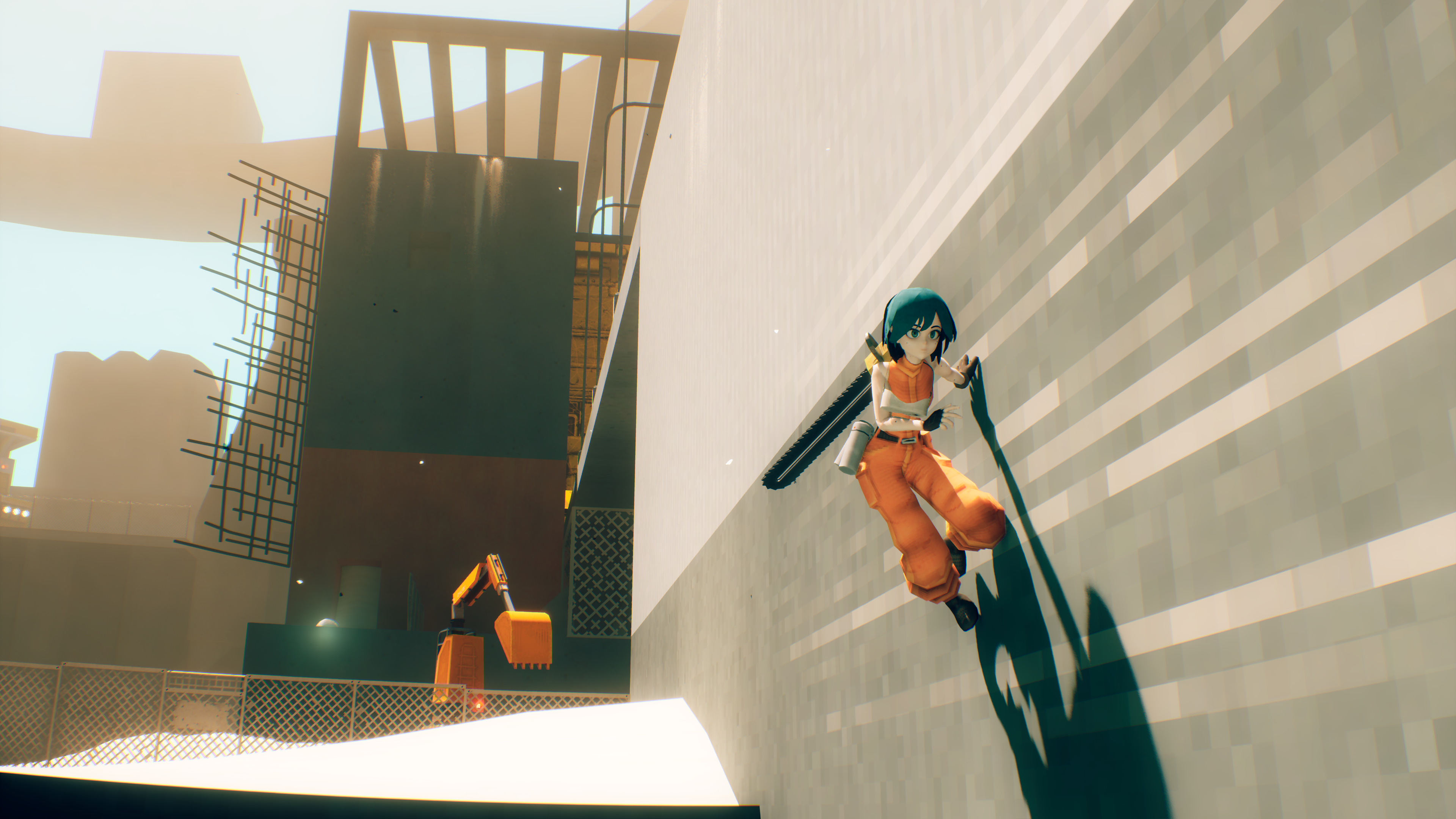
"Early on, we decided to make the world one big place," explains Lucas. "This affected everything about the game. From how the game feels and plays, to how textures were made to all feel part of one big thing. We literally made a physically connected world, all handcrafted. You can feel this while playing. It is not something you can achieve otherwise."
The development process was refreshingly linear. Eschewing the industry standard of heavily detailed, multi-stage concept art cycles, the team worked from a "free-form on-the-go" approach. After establishing the core vision, they moved directly into blocking out the levels. This iterative workflow allowed them to maintain a consistent aesthetic identity throughout the three-year development cycle, as the initial vision remained largely uncompromised by the scope-creep that often plagues larger projects.
Technical Foundations: The Role of Unreal Engine 5
The visual fidelity of Motorslice is inextricably linked to its use of Unreal Engine 5, specifically the Lumen global illumination system. While the game presents a stylized, low-poly aesthetic, it uses the sophisticated lighting capabilities of UE5 to elevate its presentation.
"The game was built with Lumen in mind," says Lucas. "The visual style is only possible because of this tech. The soft shadows, the subtle colour palettes, the gradient darkness—all of this was used to create the visual fidelity. It’s a combination of old and new."
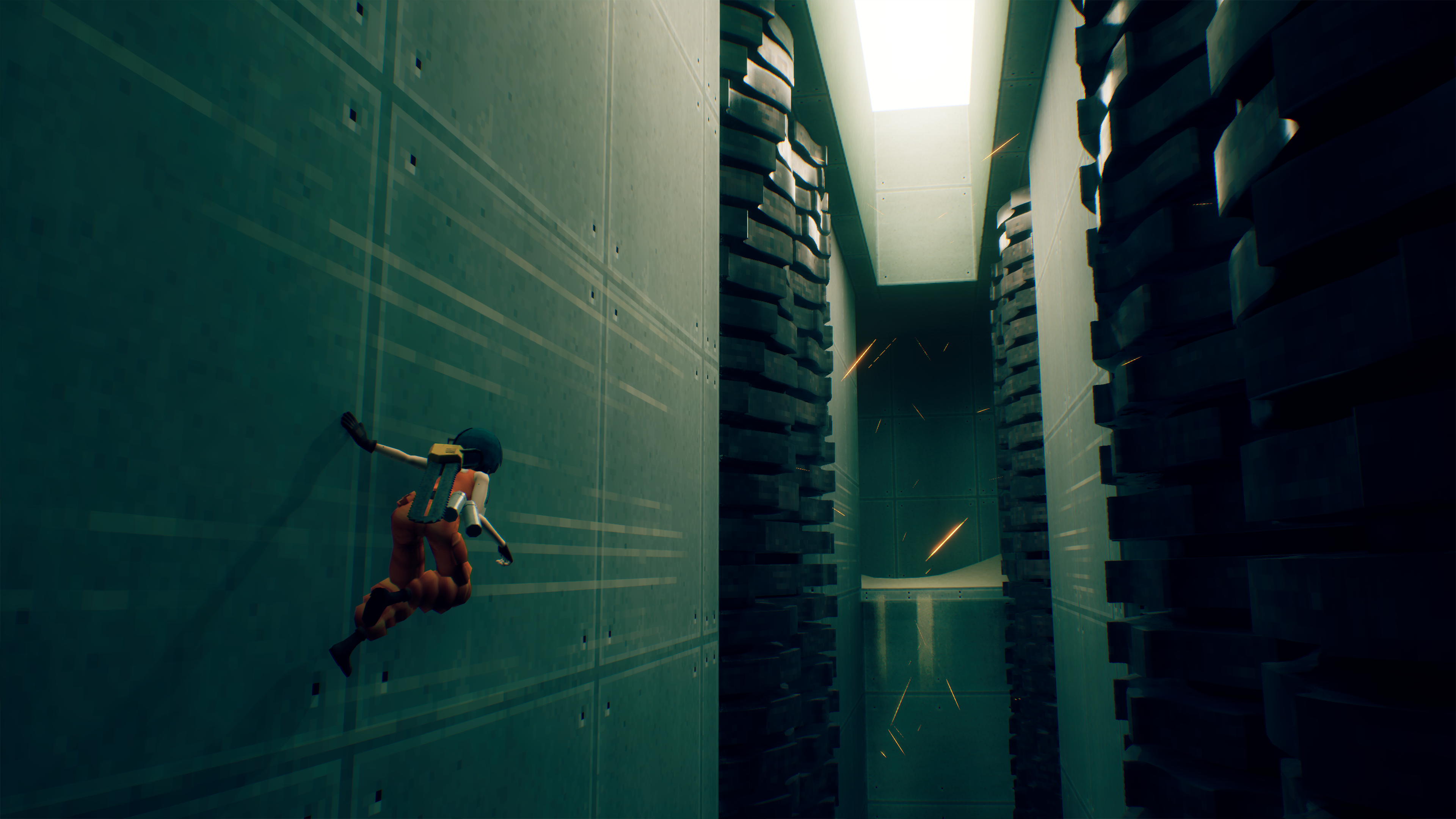
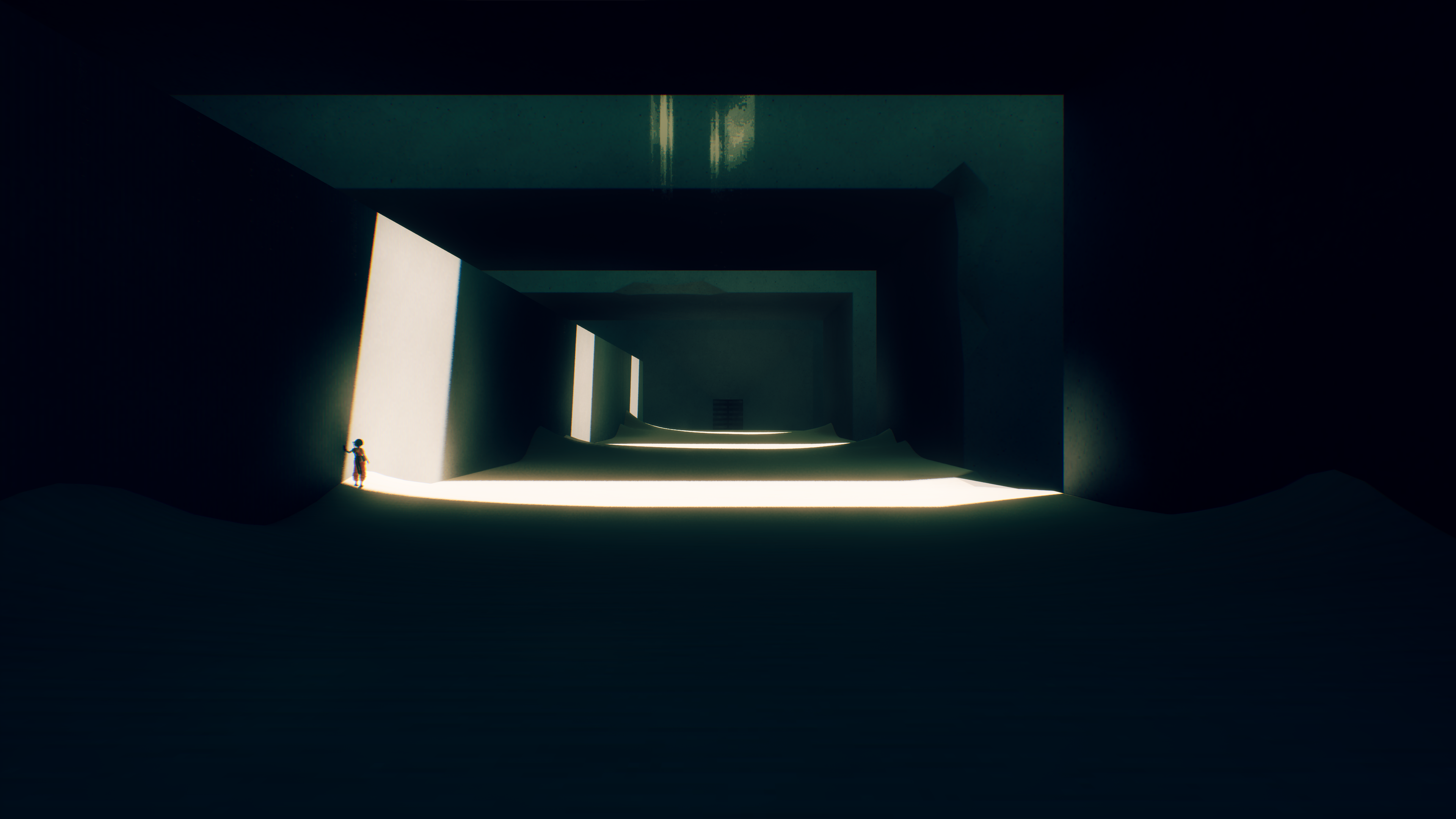
This synergy between "low-fi" art assets and "high-fi" lighting creates a striking contrast. It allows the game to evoke the feeling of a classic 3D action game while providing the atmospheric depth and immersion that modern hardware allows. The lighting does more than just make the game look good; it defines the mood, turning what could be a sterile, grey concrete landscape into a living, breathing environment that reacts to the player’s presence.
The Influence of Subculture and Architecture
The aesthetic of Motorslice is a cocktail of influences that transcend the gaming medium. The "megastructure" concept, heavily influenced by the manga Blame!, forces the player to contend with scale that feels indifferent to their existence.
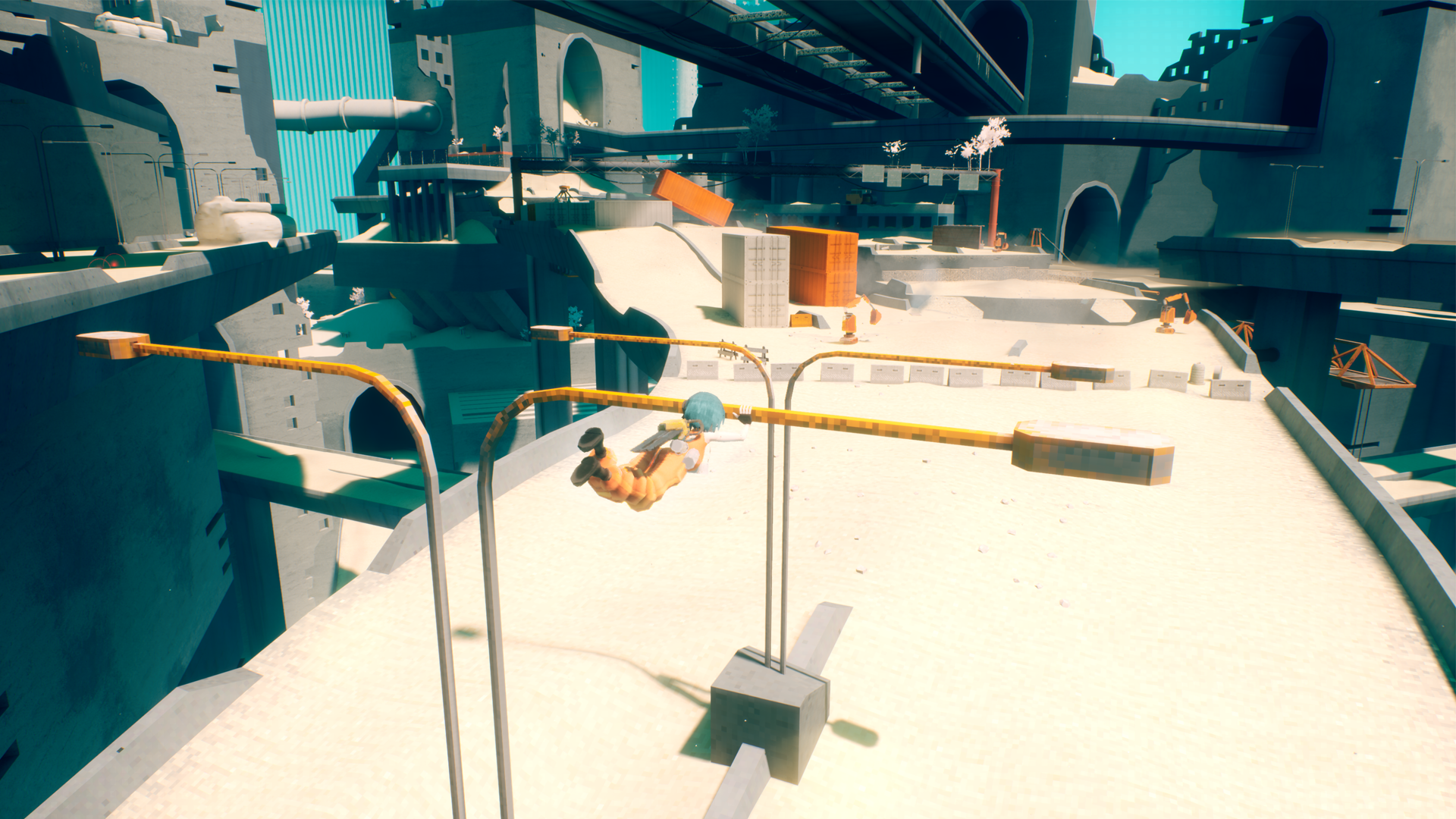
"Blame! is an indirect inspiration," Lucas notes. "I was not objectively trying to replicate it, but when you’re trying to make a megastructure work, this is inevitable to some degree."
This sense of scale is reinforced by the central obelisk, a recurring visual anchor that connects the disparate areas of the map. By grounding the player’s journey in a central, permanent structure, the game manages to maintain a sense of direction while allowing for the exploration of vast, lonely, and vertical spaces.
Addressing Gameplay Readability in High-Speed Environments
One of the primary challenges in any fast-paced action game is ensuring that the player can process information at high speeds. In Motorslice, this is solved through strict visual rules.
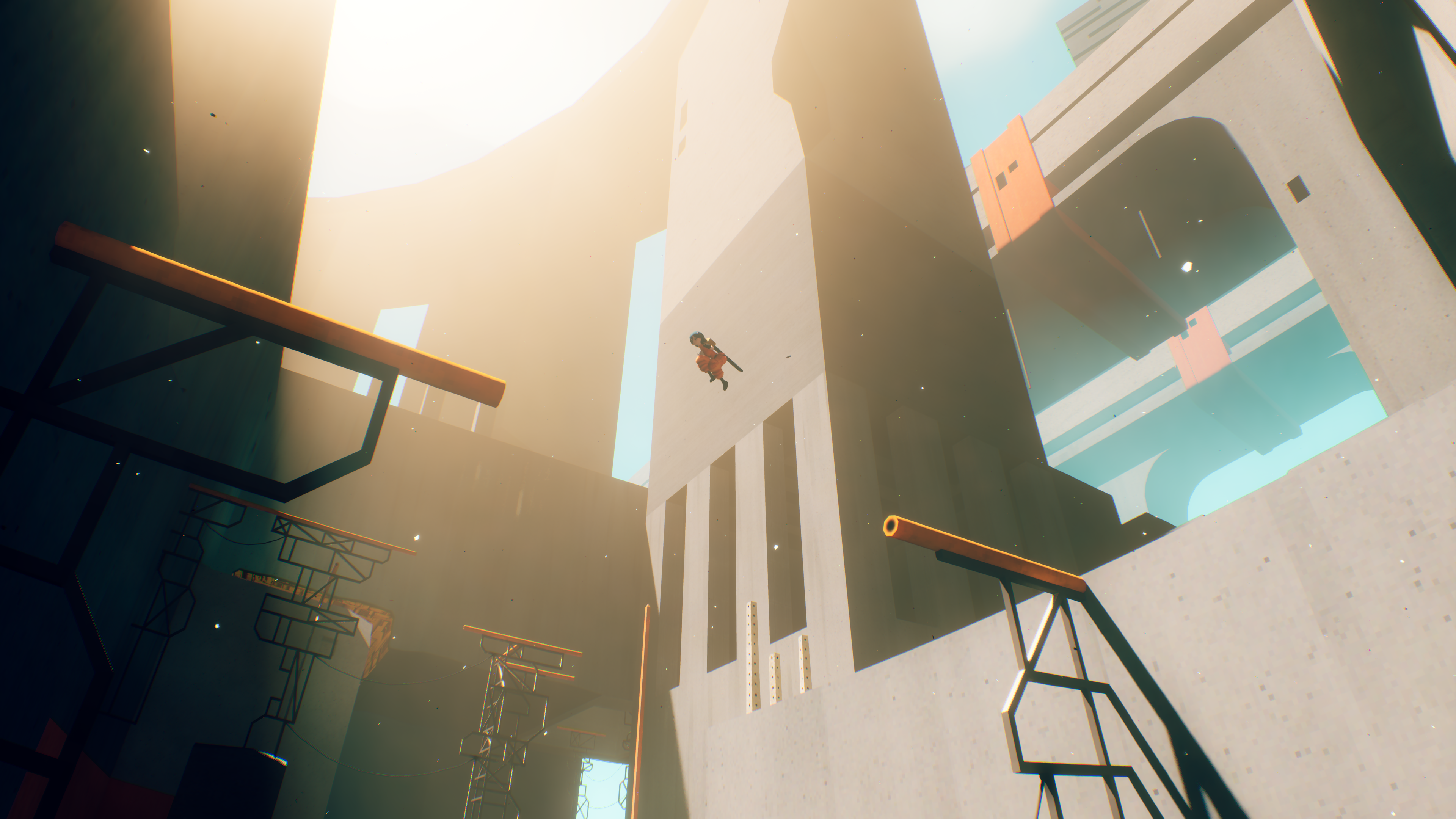
"Motorslice uses the yellow colour from heavy machinery as a motif for the world design," Lucas explains. "This is the major key element for readability, but there are other elements as well, such as shapes, vistas, and other types of world elements to make things clear."
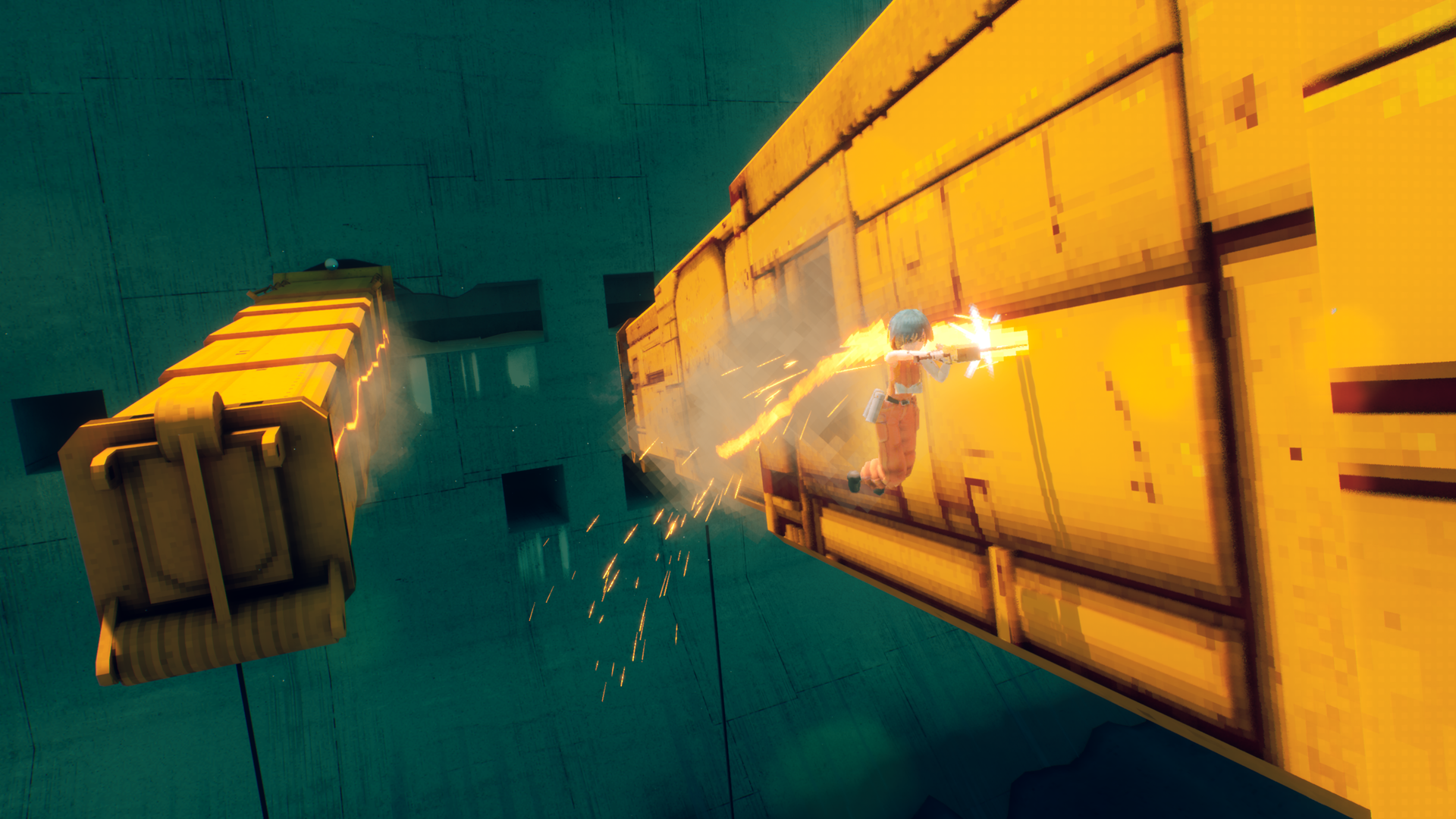
By tying the gameplay mechanics—like parkour navigation—to these specific visual cues, the team created an intuitive system where the environment itself acts as a tutorial. The player learns to "read" the concrete structures, identifying the "white sand" that coats platforms as a signifier of traversal opportunities.
Implications for Independent Development
The success of Motorslice offers a compelling case study for small teams. By rejecting the industry-wide push for photorealism and procedural generation, Regular Studio managed to produce a cohesive, high-quality experience within a limited timeframe.
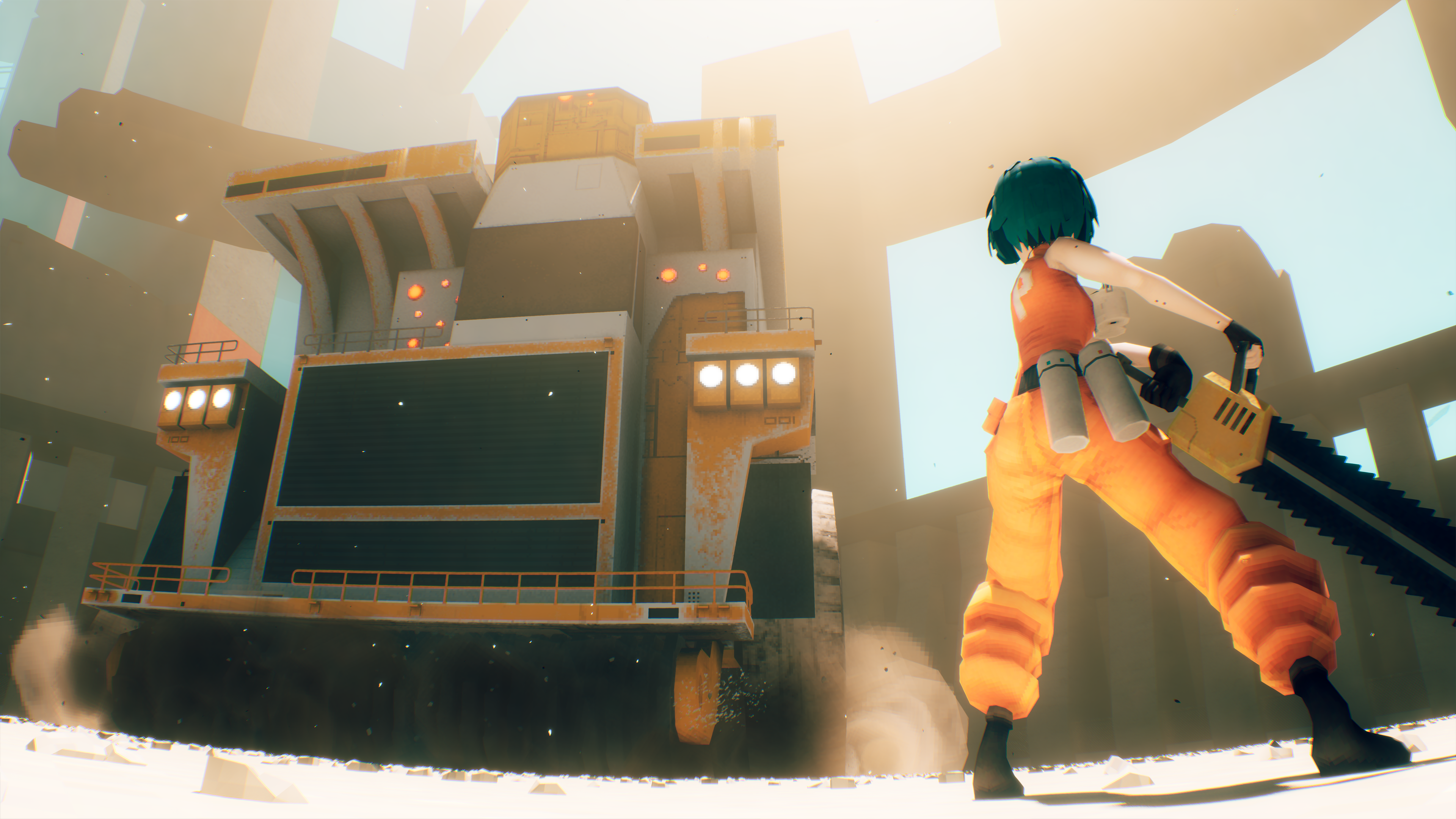
The team’s refusal to discard content, combined with a clear initial vision, meant that nearly every hour of work contributed directly to the final product. As Lucas puts it, "I don’t think this affects the game and players will never notice any of this. I think we did our best with what we had, and we barely discarded anything. This is huge for a tiny team and a project that was made within just three years."
The implications are clear: for indie developers, the path to success lies not in attempting to replicate the scale and fidelity of AAA studios, but in leveraging specific, manageable constraints to create a distinct, artisanal identity.
Final Reflections
Looking back at the three-year journey, Lucas Bonatti expresses little desire to change the core design. While he acknowledges that some game design choices made development "a bit harder" for such a small team, the result is a project that feels complete and intentional.
Motorslice stands as a testament to the power of focus. It is a game that knows exactly what it is: a love letter to the era of 3D platforming, a brutalist dreamscape, and a showcase of how modern technology can breathe life into a minimalist, hand-crafted world. As the title continues to find its audience, it serves as a reminder that in the world of game development, vision and discipline are often the most valuable assets a team can possess.

 Suro Senen
 Laily UPN