The FIFA World Cup has long stood as the gold standard of global sporting simplicity. While the nuances of the offside rule may baffle casual observers, the core proposition of the tournament has remained crystalline for nearly a century: the world’s greatest national teams converge to compete for a singular, prestigious trophy. It is a brand built on tradition, tribal loyalty, and the singular focus of the pitch.
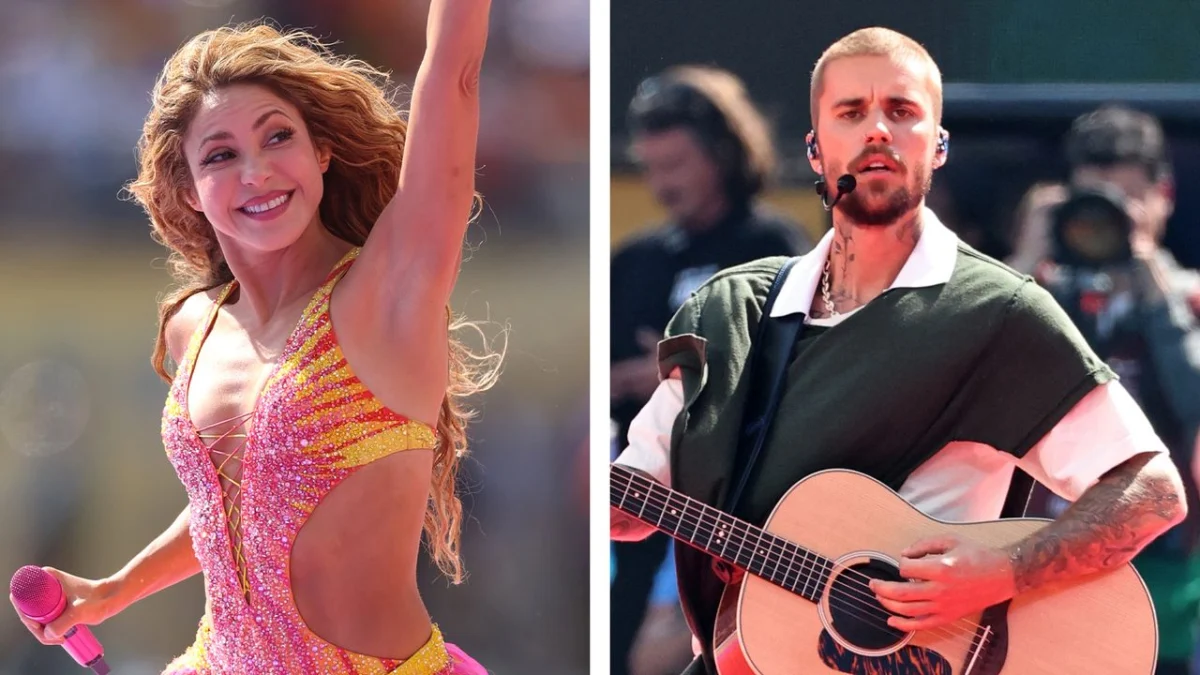
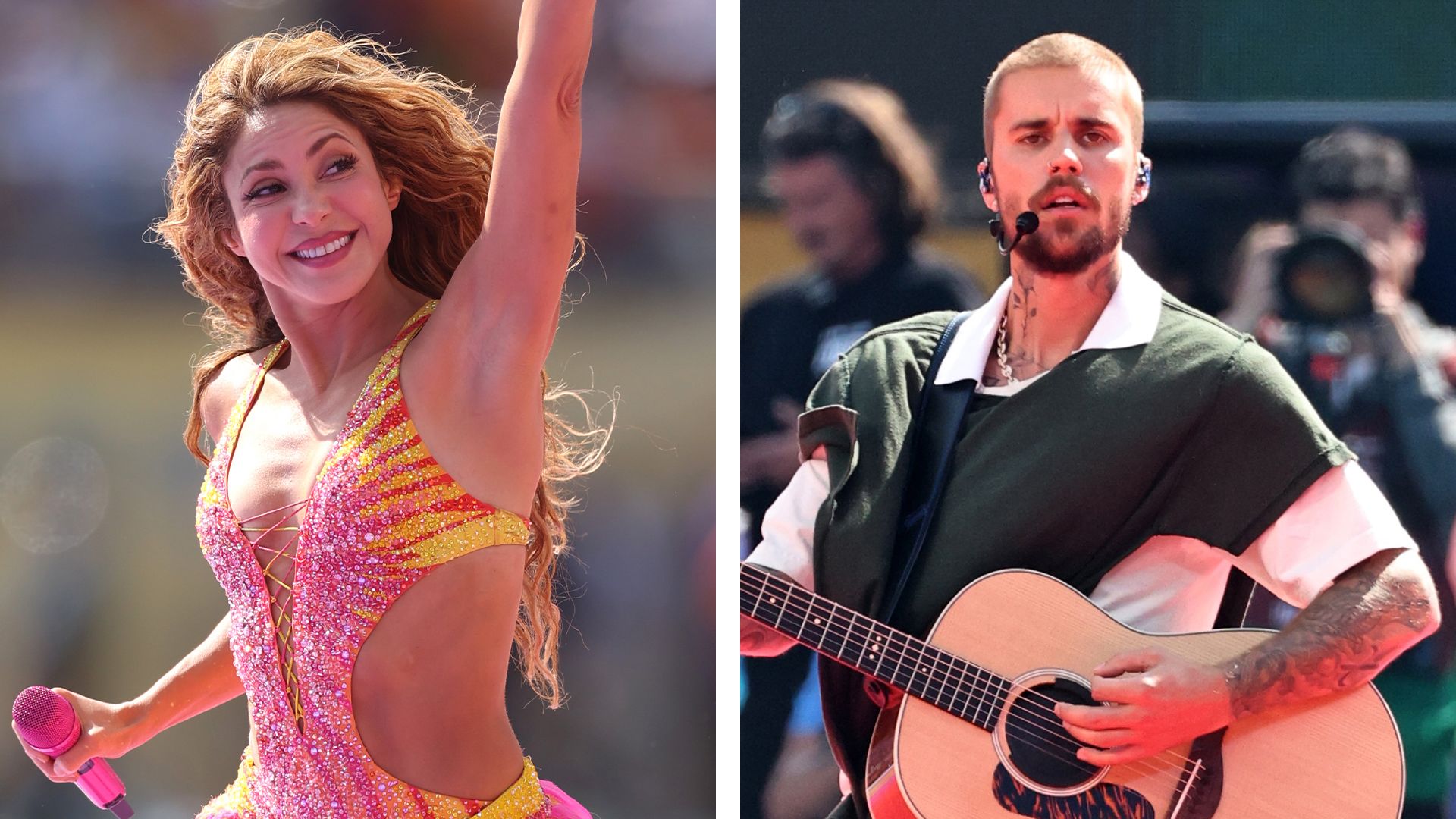
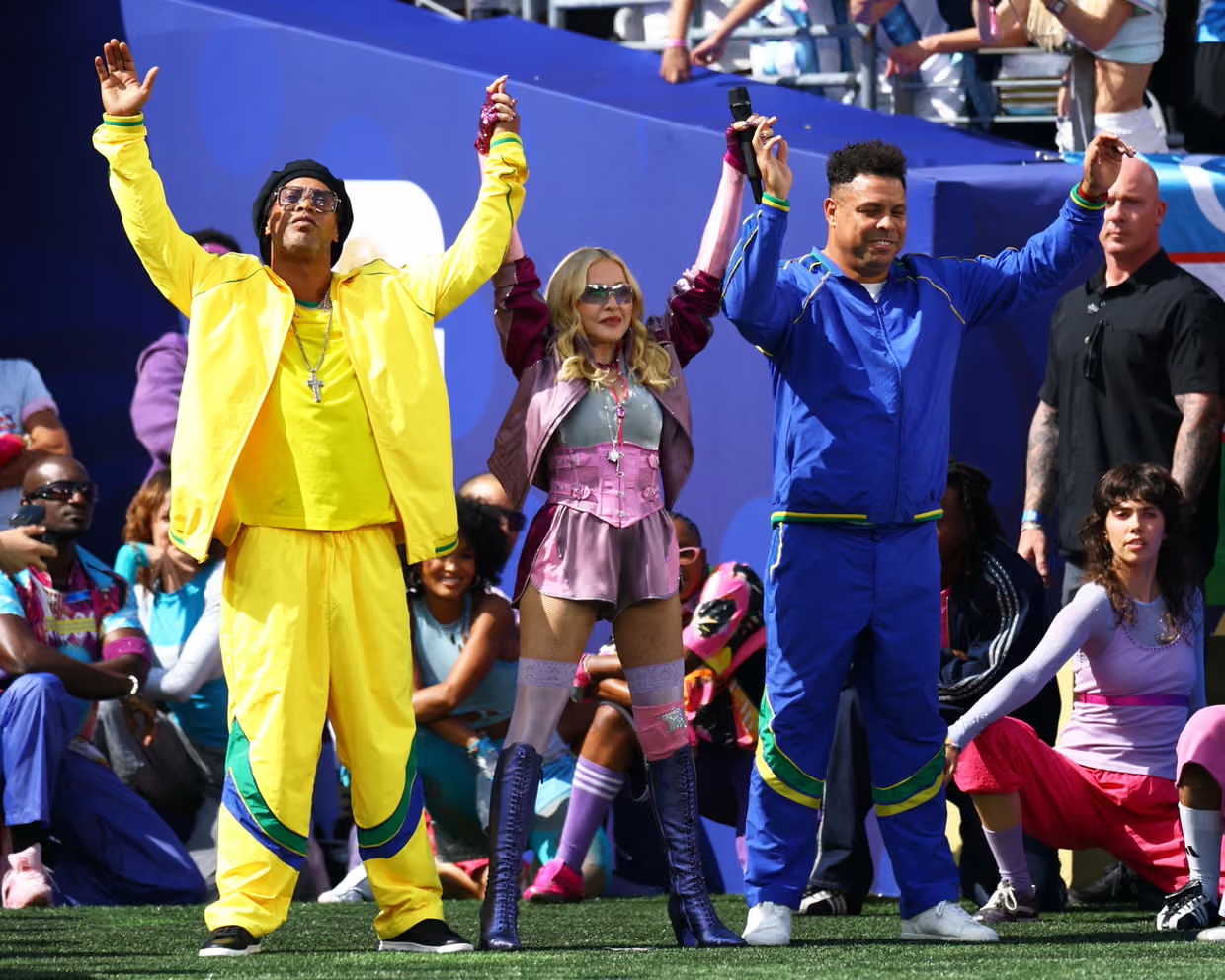
However, the 2026 World Cup final marked a jarring departure from this legacy. In a move that observers have described as a desperate, identity-eroding attempt to mimic the commercial spectacle of the American Super Bowl, FIFA introduced an 11-minute halftime show. The performance, which featured a bizarre cocktail of global superstars—including Madonna, Justin Bieber, BTS, and the Muppets—did more than just interrupt the flow of the match; it signaled a fundamental shift in how the governing body perceives its own product.
A Chronology of a Controversial Spectacle
The buildup to the 2026 final was already fraught with tension, but the halftime show served as the tipping point for public sentiment.
- The Announcement: Six months prior to the final, FIFA President Gianni Infantino announced plans for a "modernized" halftime experience. The stated goal was to broaden the tournament’s demographic appeal and align it with contemporary entertainment standards.
- The Execution: As the whistle blew for halftime, the pitch was rapidly transformed into a high-production stage. The transition from the tension of elite football to a choreographed pop concert was instantaneous and, according to critics, profoundly jarring.
- The Backlash: Within minutes of the show commencing, social media platforms were flooded with derision. Fans, long accustomed to the meditative focus of a 15-minute tactical analysis during the break, were confronted with a high-octane, multi-artist revue that felt entirely disconnected from the sporting narrative.
- The Cultural Fallout: Post-match commentary focused less on the tactical brilliance of the winning team and more on the absurdity of the production, with high-profile figures, including musician Robert Smith, taking to social media to voice their disdain.
The Anatomy of an Identity Crisis
The core issue lies in the fundamental difference between the NFL and FIFA. The Super Bowl is, by its own admission, a commercial juggernaut. It is a broadcast event where the advertisements are arguably as anticipated as the sport itself. Spectacle, excess, and commercial integration are part of the Super Bowl’s DNA.
The World Cup, conversely, is built on a foundation of national identity and sporting purity. Its value is derived from the scarcity of the event and the singular focus on the game. When the world’s biggest sporting tournament borrows the "personality" of an American entertainment product, the results are inevitably discordant.
By forcing a pop concert into the middle of the most important game in football, FIFA essentially declared that the sport on its own was no longer "enough" to hold the attention of the global audience. This admission of insecurity—or perhaps a misunderstanding of what makes the World Cup "the beautiful game"—has alienated a fan base that values the sanctity of the match above all else.
The Weight of Context: A Tournament Under Fire
The controversy of the halftime show cannot be viewed in a vacuum. It occurred against the backdrop of a tournament already struggling with significant reputational challenges. Most notably, the 2026 World Cup has been dogged by the "Trump-FIFA red card controversy."
The incident, which saw a crucial red card decision overturned following political intervention, fundamentally undermined the perceived integrity of the competition. When FIFA attempted to follow this up with a glitzy, Hollywood-style halftime show, it felt like an attempt to distract from institutional failures with cheap pyrotechnics. The contrast between the gravity of the political interference and the triviality of the pop concert created a sense of cognitive dissonance that left many fans feeling that the sport was drifting further away from its roots.
Supporting Data and Fan Sentiment
The digital reaction to the halftime show was unprecedented in its negativity. On platforms like X (formerly Twitter) and Instagram, the consensus was overwhelmingly critical.
- Sentiment Analysis: Independent monitoring of social media traffic during the halftime show revealed that over 85% of mentions were negative, with a common theme being the "commercialization of the game."
- Engagement Metrics: While FIFA likely tracked high viewership numbers during the show, these metrics failed to capture the qualitative experience. Engagement dropped significantly in terms of sentiment, with viewers specifically noting that the show disrupted the emotional arc of the match.
- Public Advocacy: The hashtag #PleaseJustFuckOff, originated by Robert Smith, became a rallying cry for fans who felt the tournament’s heritage was being discarded in favor of short-term marketing gains.
The sheer volume of memes, parody videos, and open letters from supporters’ groups suggests that the "modernization" strategy has backfired. Fans are not just annoyed; they are protective of the sport’s identity and view the halftime show as an existential threat to that culture.
Official Responses and the "Modernization" Narrative
FIFA President Gianni Infantino has remained steadfast in his defense of the new direction. During post-tournament press briefings, Infantino argued that the evolution of the sport is inevitable. "To reach new generations and to remain the premier global event, we must embrace the full spectrum of entertainment," he stated.
His vision for a "modernized" World Cup is one where the sport acts as an anchor for a broader entertainment experience. However, this perspective fails to acknowledge that the World Cup’s strength has always been its ability to unite the world without the need for superficial add-ons. The "beautiful game" has thrived for over a century precisely because it is uncomplicated, raw, and fiercely competitive.
The Implications for Future Tournaments
The decision to implement a halftime show sets a dangerous precedent. If FIFA continues to prioritize high-production entertainment over the sporting experience, the long-term impact on the brand could be irreversible.
1. The Dilution of Brand Equity
The FIFA brand is currently defined by prestige and global unity. By shifting toward a "celebrity-first" model, FIFA risks diluting its unique value proposition. When the sport becomes a secondary consideration to the entertainment lineup, the prestige associated with the World Cup trophy inevitably begins to wane.
2. The Alienation of the Core Demographic
Hardcore football fans are the backbone of the tournament’s success. These fans travel across continents and invest significant emotional capital in the outcome of matches. Treating these viewers as a captive audience for pop performances, rather than stakeholders in a sporting event, risks pushing them toward alternative football competitions or losing them to other, more "authentic" forms of entertainment.
3. The Future of Host Nations
Host nations are now in a precarious position. If the "Super Bowl-ification" of the tournament becomes the new standard, the requirements for hosting will shift. Future bids may be evaluated not just on their stadium capacity and infrastructure, but on their ability to stage, manage, and fund massive, televised entertainment productions. This adds an unnecessary layer of cost and complexity to an already expensive undertaking.
Conclusion: A Path Correction Required
The experiment of the 2026 World Cup halftime show should serve as a stark warning to FIFA’s leadership. Modernization is not synonymous with replication. While the Super Bowl model is incredibly successful within its own cultural context, it is not a "plug-and-play" solution for global football.
The World Cup is, at its heart, a narrative of human endeavor, athletic excellence, and the unpredictable drama of the pitch. That narrative does not require a soundtrack of global chart-toppers or the presence of animated puppets to be compelling. If FIFA persists in chasing the "spectacle" at the expense of the sport, they risk turning the beautiful game into a hollowed-out corporate product.
As the dust settles on the 2026 tournament, the message from the global football community is clear: fans want their game back. They want a tournament that trusts its own power to captivate, without the need for artificial, high-budget distractions. Whether FIFA will listen to this feedback or continue down the path of commercial excess remains the most important question for the future of the sport. If they choose the latter, they may find that in trying to be everything to everyone, they have ended up being nothing to the people who matter most.