Iffa Jayyana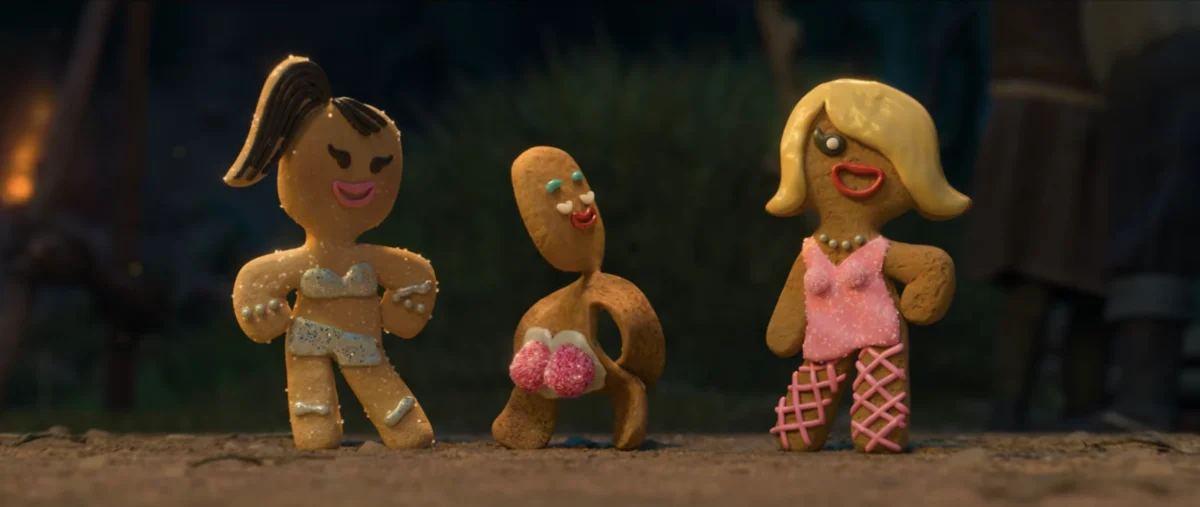
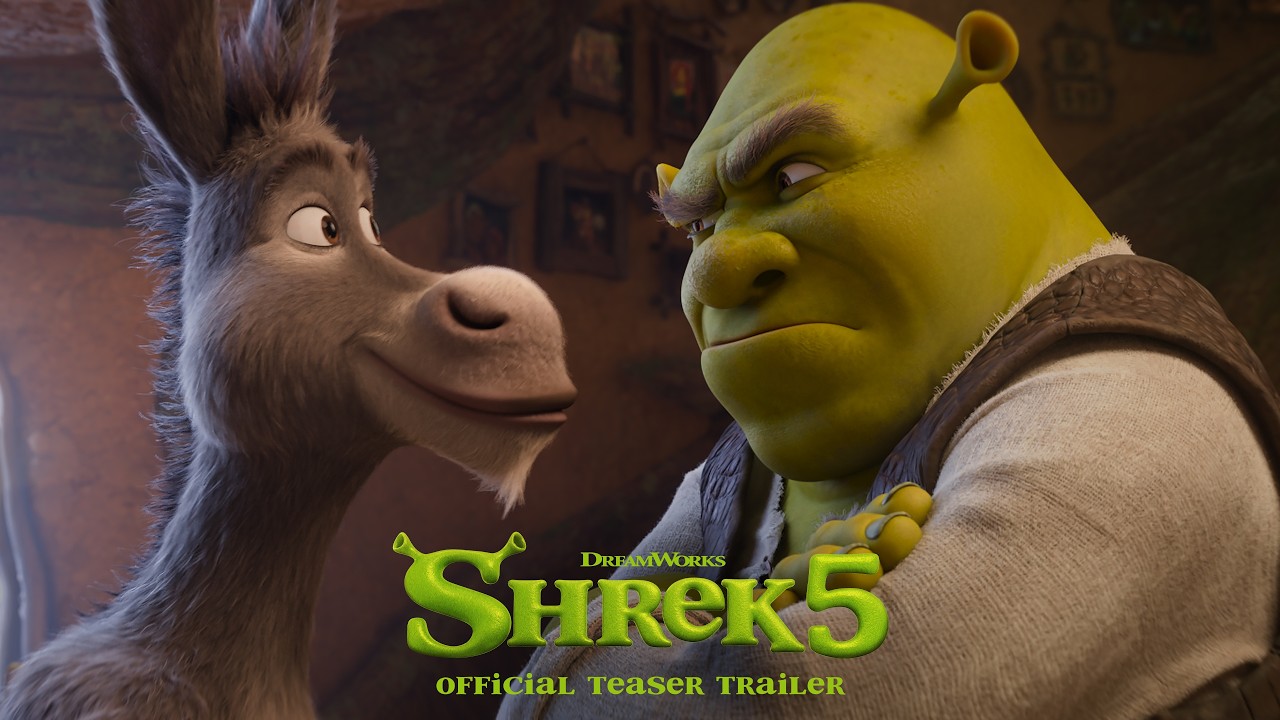
The ogre is officially coming back to the swamp. After years of speculation, fan petitions, and internet memes, DreamWorks Animation has finally unveiled the first teaser trailer for Shrek 5. The footage offers a glimpse into the next chapter of the beloved franchise, teasing a journey to "Further Further Away" and promising the return of the sardonic wit that defined the early 2000s. Yet, amidst the excitement of seeing Shrek, Donkey, and Puss in Boots reunited on the big screen, a palpable sense of unease has settled over a significant portion of the fanbase. The source of this friction? A radical departure in visual identity.
As the industry shifts toward more stylized, high-fidelity digital art, Shrek 5 appears to be leaning into a "cartoony" aesthetic that stands in stark contrast to the gritty, lived-in realism that made the original films cultural icons. This article examines the technological shift behind the film’s new look, the critical discourse surrounding its design, and what this transition implies for the legacy of one of animation’s most influential franchises.
The Main Facts: A Return to the Swamp
The teaser trailer confirms that Shrek 5 will continue the narrative thread of the series, re-establishing the core dynamic between the titular ogre and his motley crew of fairy-tale friends. The footage includes signature elements of the franchise: the iconic storybook opening, the irreverent humor—including a playful, if perhaps dated, nod to Frozen—and the chemistry between Mike Myers’ Shrek and Eddie Murphy’s Donkey.
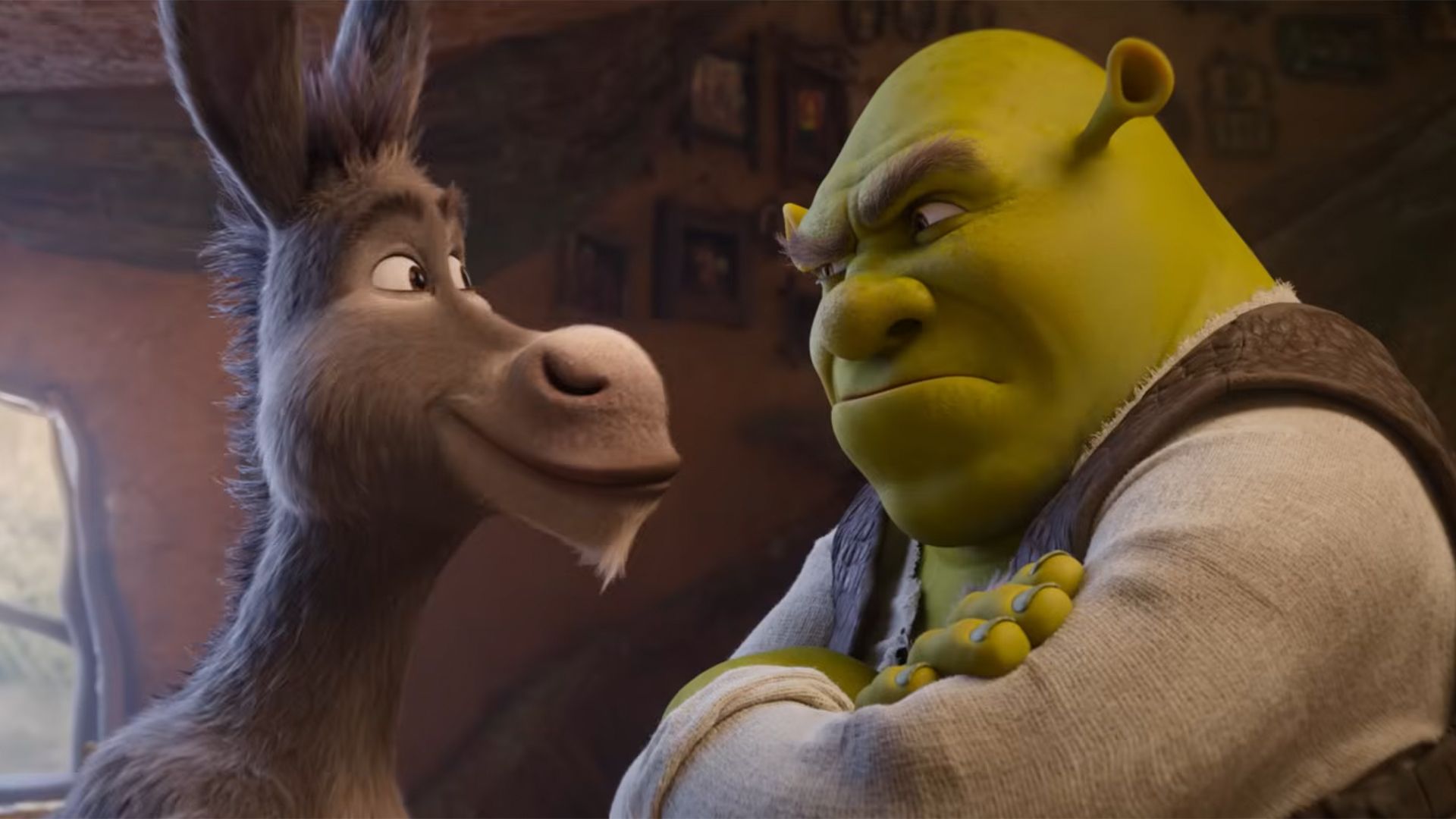
However, the visual presentation is markedly different. Gone is the slightly grainy, textured aesthetic of the early 2000s that felt grounded in a physical, tangible world. In its place is a vibrant, highly polished, and overtly digital aesthetic. While the animation is objectively cleaner and smoother than its predecessors, long-time fans have been quick to point out that it feels disconnected from the "satirical grit" that established the original films as an anti-Disney manifesto.
A Chronological Perspective: The Evolution of an Ogre
To understand the current controversy, one must look back at the technological landscape of the early 2000s. When the first Shrek premiered in 2001, DreamWorks was essentially acting as a disrupter. The film utilized a unique, earthy color palette and character designs that prioritized subtle expressions over exaggerated, rubbery physics. This was a deliberate stylistic choice meant to ground the fantasy world in a reality that felt tactile.
- 2001 – 2004: Shrek and Shrek 2 set the standard for 3D animation. The "realism" was, at the time, cutting-edge, utilizing complex subsurface scattering and texture mapping to make skin, fur, and fabric appear realistic.
- 2007 – 2010: Shrek the Third and Shrek Forever After saw the franchise lean further into high-definition digital rendering, though they maintained the core design philosophy of the original duology.
- 2011 – 2024: Following the conclusion of the main series, DreamWorks shifted its focus to other projects, most notably the Puss in Boots spin-offs. During this period, the studio embraced the "stylized" aesthetic popularized by Spider-Man: Into the Spider-Verse and Puss in Boots: The Last Wish, which moved away from hyper-realism in favor of painterly, artistic flourishes.
- 2025/2026: Shrek 5 emerges as a synthesis of these two worlds—a high-budget, modern studio production that attempts to apply the "bouncy," expressive, and clean digital animation styles of the current era to a franchise built on a foundation of grounded, cynical realism.
The Design Debate: Soul vs. Polish
The core of the fan outcry lies in the perceived "loss of soul." On platforms like X (formerly Twitter) and Reddit, the discourse has been dominated by a single sentiment: Shrek worked because it looked like a place that could exist.
"Shrek was built on realism with a touch of fantasy, which contrasted with Disney," one observer noted. "Making Shrek bouncy and cartoony feels like the antithesis of what Shrek is. It’s polished, sure, but it lacks the weight of the original."
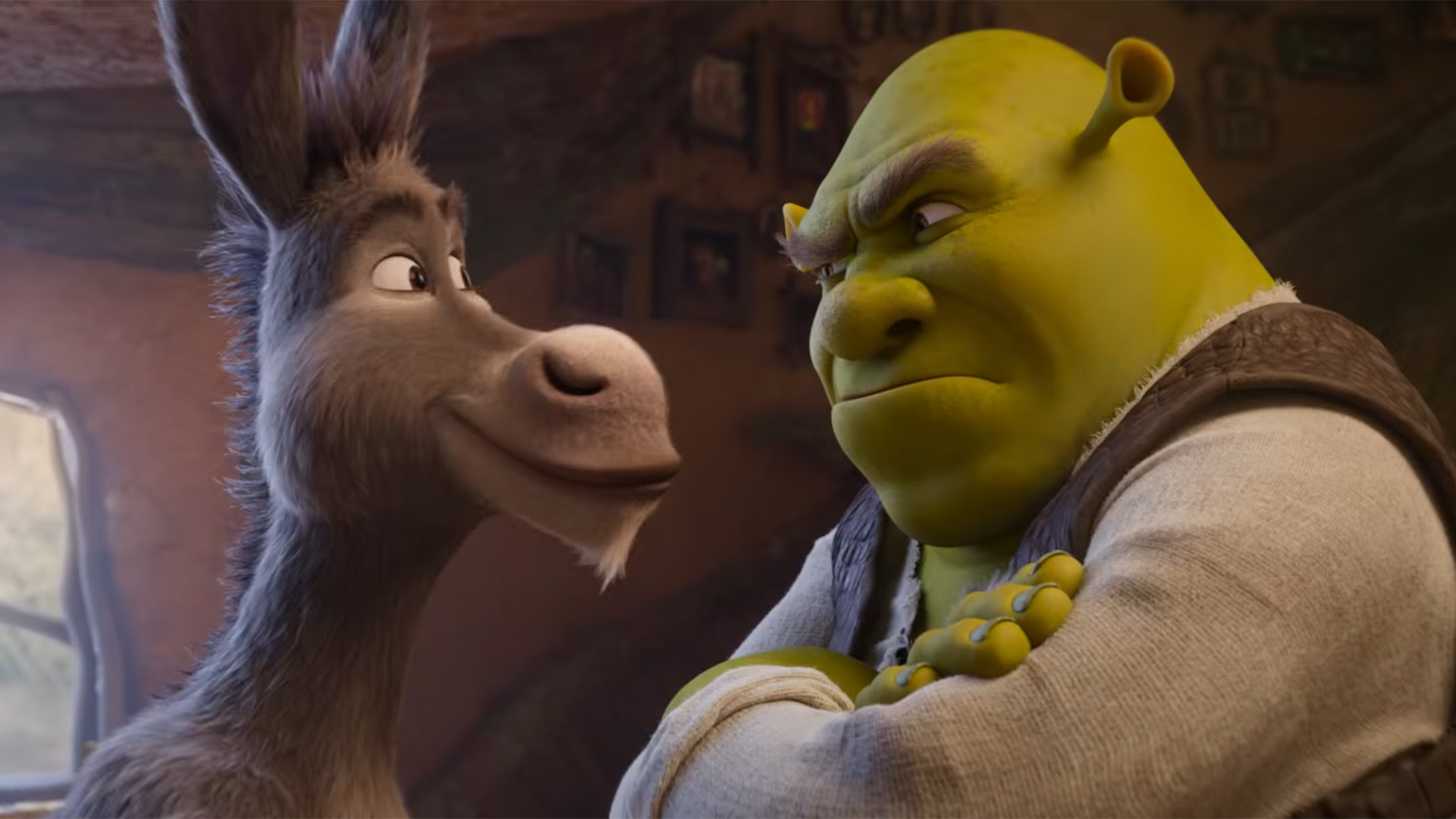
This sentiment is rooted in the "Uncanny Valley" of animation. Fans argue that by making the characters more expressive and "bouncy," the studio has sacrificed the subtle, dry comedic timing that made Shrek’s expressions so iconic. When Shrek frowned in the original, it was a heavy, slow, and deliberate movement. In the new, cartoony aesthetic, the speed at which characters move and react can feel more in line with contemporary streaming-service animation, which often prioritizes kinetic energy over emotional weight.
Supporting Data: The Shift in Industry Standards
The move toward a more "stylized" look is not unique to Shrek 5. It is part of a broader, industry-wide shift. Since 2018, the success of non-photorealistic rendering (NPR) has forced major studios to reconsider how they handle 3D characters.
| Era | Primary Aesthetic Goal | Technical Priority |
|---|---|---|
| Early 2000s | Realism/Satire | Texture/Physics |
| Mid-2010s | Fidelity | Lighting/Rendering |
| 2020s | Expressiveness/Stylization | Frame rate manipulation/Artistry |
The shift in Shrek 5 reflects a desire to stay competitive with modern audiences who have grown accustomed to the high-energy, frame-rate-manipulated animation seen in hits like the Spider-Verse series. However, applying this to a legacy franchise that defined the previous era of animation creates a jarring experience for audiences who associate the characters with a specific visual language.
Official Responses and Studio Strategy
DreamWorks has yet to issue a formal rebuttal to the stylistic critique, likely because the shift is a calculated business move. By updating the visual language of the franchise, the studio is signaling to a new generation of viewers—those who were born after the release of the original Shrek—that this is a modern, relevant property, not just a nostalgic relic.
From a marketing perspective, the "cleaner" look is often perceived as more "appealing" in the context of merchandise, theme park branding, and mobile gaming, where high-contrast, expressive character designs tend to perform better than the muted, realistic tones of the early 2000s. The studio is effectively trying to thread a needle: keep the legacy fans interested through familiar characters while ensuring the film feels "new" enough to capture the attention of a demographic accustomed to the visuals of modern animation.
Implications: The Legacy of an Ogre
What does this mean for the future of the Shrek franchise?
- Normalization of Change: If Shrek 5 is a box-office success, it will likely set the tone for all future DreamWorks legacy sequels. The era of "keeping it exactly like the original" is officially over, as studios move toward "refreshing" IP to match contemporary design trends.
- The Nostalgia Gap: This project highlights a growing divide between the "original generation" of fans and the studio’s target demographic. The film may find itself in a position where it is commercially successful but critically polarizing, similar to how The Lion King (2019) was received—technically impressive but arguably missing the "heart" of the original.
- The Risk of Rebranding: There is a genuine risk that by shedding the original aesthetic, the film loses the very thing that made it unique. If Shrek is stripped of its grounded, satirical "realism," it risks becoming just another generic animated fairy tale, indistinguishable from the multitude of other CGI films flooding the market.
Final Thoughts
The transition of Shrek 5 into a new, more stylized visual space is perhaps the most significant test of the franchise’s longevity. While the technological advancements in animation are undeniable—offering smoother character motion and more vibrant, immersive environments—they also carry the weight of expectation.
For many, Shrek was never just about the jokes or the music; it was about the way it looked at the world—a bit messy, a bit dirty, and entirely authentic. Whether the new, polished look can capture that same magic remains to be seen. As we approach the release, the debate serves as a reminder that in the world of animation, visual style is not just an artistic choice; it is the foundation upon which a story’s soul is built. Whether DreamWorks has successfully built a new home in the swamp or simply repainted the old one with a coat of high-gloss lacquer will be the true test of this five-film odyssey.

 Asep Darmawan
 Nana Wu