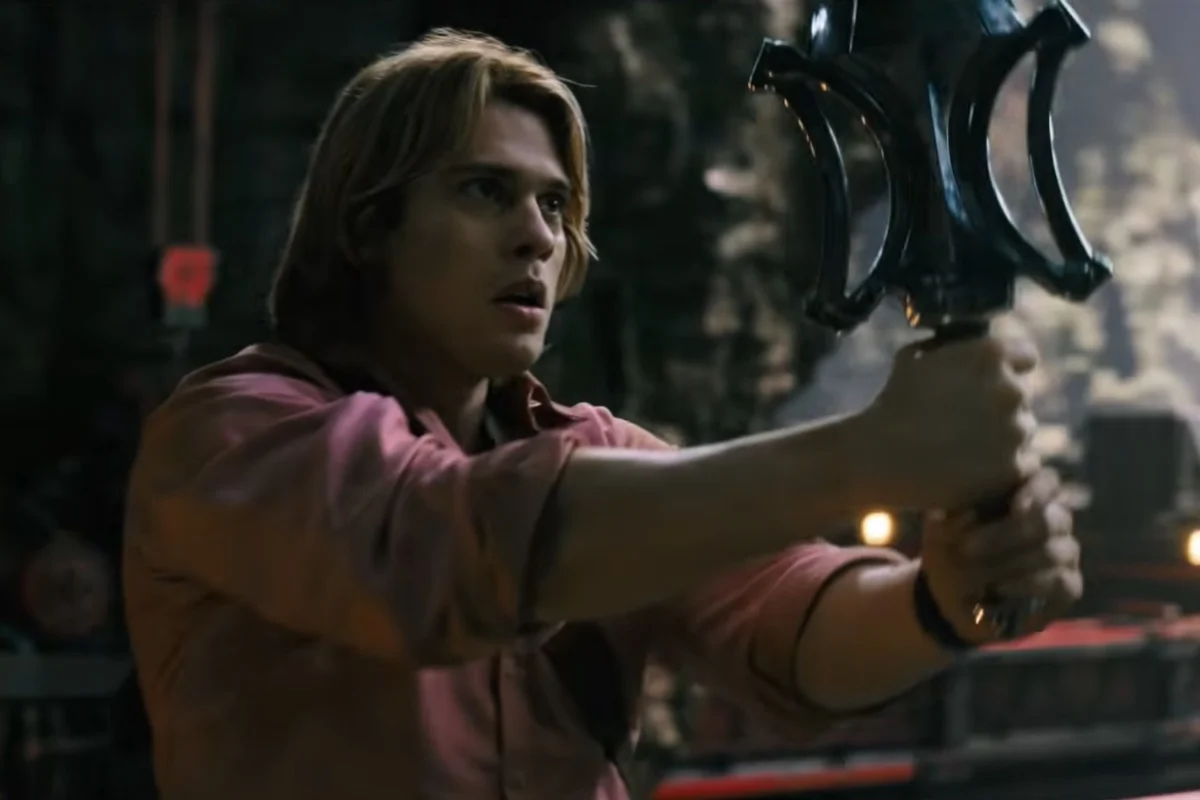
In the high-stakes arena of modern Hollywood, the metrics for success are shifting. For years, the industry standard was simple: a film’s viability was tethered strictly to its opening weekend and its subsequent global box office tally. However, as the streaming wars redefine the lifecycle of blockbuster entertainment, the industry is increasingly viewing theatrical runs as merely the "first act" of a more complex distribution narrative.
This paradigm shift is currently centered on director Travis Knight’s Masters of the Universe, which is set to arrive on Prime Video on July 22. Despite a theatrical performance that many analysts have labeled one of the year’s most significant box office disappointments, the film is poised for a second life. With a total global gross hovering just above $110 million against a reported production budget of $175 million, the film’s transition to streaming is not merely a distribution necessity—it is a strategic pivot designed to salvage the intellectual property (IP) and test the appetite for future installments.
The Chronology of a Challenging Launch
The journey of Masters of the Universe from pre-production to the streaming catalog has been marked by ambition and scrutiny. When the project was greenlit, Amazon and its partners envisioned a tentpole franchise that could leverage the immense nostalgia associated with the 1980s property. Travis Knight, known for his nuanced approach to genre filmmaking, was brought on board to ground the high-fantasy elements of Eternia in a more tactile, character-driven reality.
However, the theatrical rollout faced immediate headwinds. The film opened to a lukewarm reception, struggling to compete with established cinematic universes and a crowded summer marketplace. By the second and third weeks, the downward trajectory of its box office returns became clear, leading industry observers to categorize it as a commercial underperformer.
Yet, in a rapid turn of events, Amazon confirmed that the film would transition to its flagship streaming platform, Prime Video, just seven weeks after its initial release. By modern standards, this window is remarkably short. In the pre-pandemic era, a 90-day theatrical window was the industry gold standard. Today, the "fast-track" to streaming suggests a tactical admission by the studio that the film’s long-term value lies in subscription retention rather than ticket sales.
Analyzing the Numbers: Beyond the Ledger
To understand why a $175 million film is receiving such a rapid pivot, one must look at the broader financial strategy of Amazon MGM Studios. While the $110 million gross represents a significant deficit when compared to traditional production and marketing costs, the studio has signaled that the theatrical release was only one component of a multi-tiered monetization strategy.
The Streaming Economics of IP
In the current era, the primary goal for companies like Amazon is not always direct ticket revenue. Instead, they prioritize the "ecosystem effect." By bringing a high-profile, recognizable brand like Masters of the Universe to Prime Video, the studio aims to:
- Drive Subscription Growth: High-profile content serves as a lure for new Prime members.
- Reduce Churn: Providing consistent, blockbuster-level content keeps existing subscribers engaged.
- Merchandising and Licensing: The film supports a wider ecosystem of toys, apparel, and spin-off media that can often be more profitable than the film itself.
This context explains why Amazon executives have remained publicly calm regarding the box office returns. They are not looking at the film as a standalone financial product, but as a catalyst for a larger, multi-year engagement strategy.
Critical Reception: A Mixed Verdict
The critical response to Masters of the Universe has been, at best, polarized. Reviews have consistently praised Travis Knight’s visual ambition and the film’s commitment to high-fantasy world-building. Many critics highlighted the impressive production design and the earnestness of the performances, which successfully avoided the trap of being overly cynical or self-referential—a common pitfall in modern "reboot" culture.
Conversely, the negative critiques often focused on the film’s tonal inconsistency. Reviewers noted that the movie struggled to balance the campy, nostalgic roots of the franchise with a modern, darker narrative structure. This dissonance left audiences feeling that the film was caught between two worlds: wanting to be a serious epic and fearing the alienation of the fans who grew up with the original cartoon.
Despite these shortcomings, the consensus among many film scholars and genre enthusiasts is that the film offers a "pretty good time." For a dedicated segment of the audience, the film serves as a faithful, if flawed, tribute to the source material. Its move to streaming will allow it to be judged on its own merits, away from the intense pressure and financial expectations of the multiplex.
Official Responses and Studio Strategy
The studio’s response to the film’s performance has been measured. Rather than distancing themselves from the project, Amazon representatives have maintained a focus on the "total reception" of the movie. This phrasing is key; it suggests that the studio is analyzing data far beyond the box office, including social media sentiment, completion rates on Prime Video, and search volume for associated merchandise.
The decision to put the film on Prime Video so quickly suggests an internal confidence that the film will find a more appreciative audience in the home-viewing environment. Often, films that feel "too small" for the big screen find their rhythm in the living room, where the pacing and tone can be better appreciated without the distraction of an impatient theatrical crowd.
Implications for the Future: Is a Sequel Still Viable?
Perhaps the most significant takeaway from this situation is the ongoing conversation regarding a potential sequel. Despite the "dismal" box office, industry reports indicate that discussions about a follow-up are still active.
This is a testament to the power of the Masters of the Universe brand. Amazon is clearly hesitant to abandon an IP with such deep cultural roots. If the streaming debut achieves high viewership numbers, it could effectively "will a sequel into existence." The streaming numbers will provide the studio with a more accurate picture of the film’s actual popularity. If millions of households engage with the story on Prime Video, the box office failure may be viewed as an outlier—a result of poor timing or marketing rather than a lack of interest in the franchise itself.
The Path Forward
For fans hoping to see more of He-Man and Skeletor, the July 22 streaming debut is a critical inflection point. The success of the film on Prime Video will likely determine whether the studio moves forward with a refined, potentially lower-budget sequel or pivots entirely.
The strategy for the potential sequel would likely involve:
- Correcting the Tone: Applying the feedback from critics to create a more cohesive, character-focused story.
- Budget Rationalization: Leveraging the established assets and world-building from the first film to lower the production costs for the second.
- Direct-to-Streaming Focus: If the first film thrives on Prime, the sequel might be positioned as a streaming-exclusive "event" film, bypassing the pressures of the theatrical box office entirely.
Conclusion
The story of Masters of the Universe is a microcosm of the modern film industry’s growing pains. It highlights the tension between the desire for big-screen glory and the reality of a fragmented, streaming-first world. While it may not have conquered the box office, the film is now being granted the most valuable commodity in entertainment: a second chance.
As it lands on Prime Video this July, the film will no longer be competing against the biggest blockbusters of the year for a seat at the table. Instead, it will be competing for the time and attention of the viewer. Whether this leads to a cult resurgence and a greenlit sequel or serves as a final chapter for this iteration of the franchise, one thing is certain: the era of the box-office-only metric is over. For Masters of the Universe, the real journey is just beginning.