

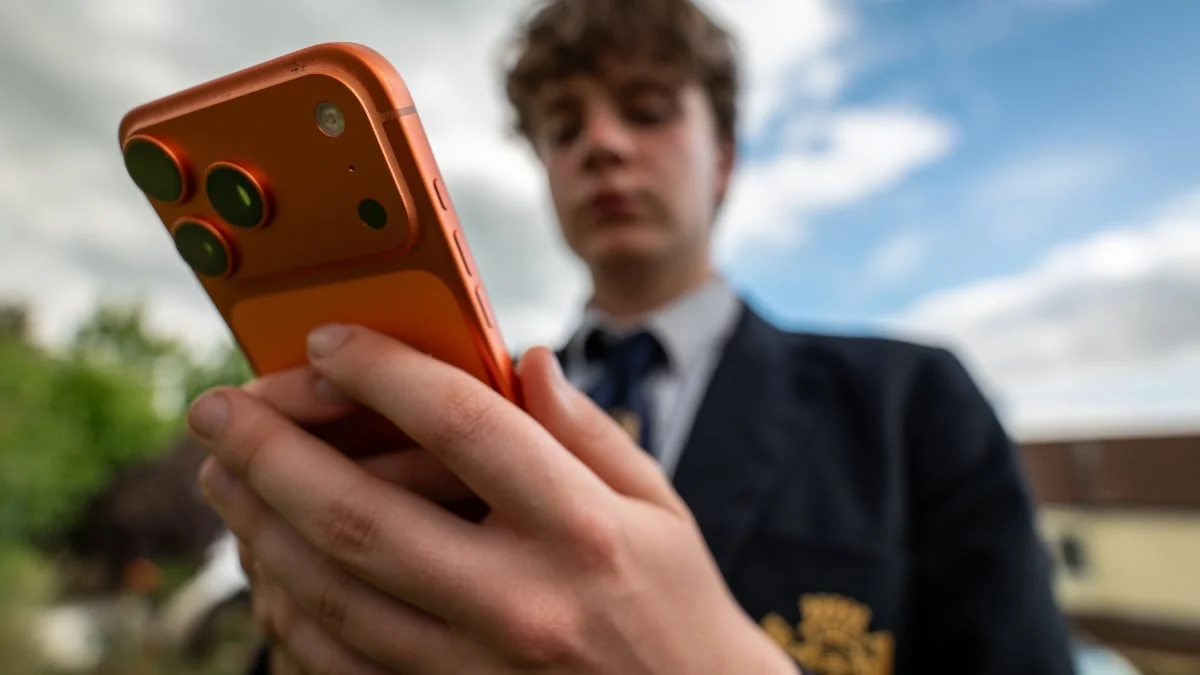
The United Kingdom is moving toward a more restrictive digital landscape, with the government unveiling plans to impose a mandatory social media "curfew" for teenagers aged 16 and 17. This policy, which aims to curb late-night usage of platforms such as Instagram, TikTok, and YouTube, represents the latest escalation in the government’s efforts to exert regulatory control over the online lives of minors.
As digital dependency among youth remains a top priority for policymakers, this proposed curfew—stretching from midnight to 6:00 a.m.—is being framed as a necessary intervention for mental health and sleep hygiene. However, the proposal has reignited a fierce national debate regarding parental rights, technological feasibility, and the effectiveness of government intervention in an increasingly borderless digital world.
The Chronology of Regulatory Escalation
The proposed curfew is not an isolated policy initiative but the latest in a rapid succession of legislative actions aimed at the technology sector.
- July 2025: The UK’s landmark Online Safety Act officially went into effect. The act mandated strict age-assurance measures for platforms, requiring them to verify that users accessing "restricted" content—ranging from pornography to material linked to addiction and self-harm—are of legal age.
- Late 2025: Following domestic pressure, the UK government announced a comprehensive ban on social media access for children under the age of 16, aiming to insulate younger users from algorithmic influence and predatory content.
- December 2025: Mirroring the UK’s trajectory, the Australian government enacted its own social media ban for minors, a move that was closely watched by international regulators.
- Early 2026: The European Union announced its own, more conservative, proposal to restrict social media access for children under the age of 13.
- Present Day: The UK government has moved to bridge the gap for older adolescents (16–17) with the introduction of the midnight-to-dawn curfew, a move that signals a transition from "age-gating" to "usage-gating."
The Mechanics of the Curfew: How Will It Work?
According to preliminary briefings, the proposed curfew would force platforms to implement technical safeguards that effectively "lock" social media applications during the early morning hours. The objective is to disrupt the cycle of late-night scrolling that experts claim contributes to sleep deprivation, anxiety, and depression among the teenage demographic.
However, the proposal includes a notable caveat: an "opt-out" mechanism. While the specifics of this mechanism remain in flux, the government has hinted that it may require parental consent or a verified age-gating process to bypass the restriction. This flexibility is likely intended to appease critics who argue that a blanket ban infringes on the autonomy of older teenagers, particularly those who use digital platforms for study groups, communication with international friends, or late-night entertainment.
Official Responses and the "Robust" Regulatory Stance
The UK’s Online Safety Minister, Kanishka Narayan, has been a vocal proponent of these measures. In a recent appearance on BBC Breakfast, Narayan defended the government’s aggressive approach, asserting that Britain is positioning itself to be "the most robust place in the world" when it comes to the regulation of global tech giants.
Regarding the controversy surrounding Virtual Private Networks (VPNs)—often used to circumvent age-verification systems—the government has opted for a measured approach. Despite initial speculation that VPNs would be banned for minors, the government has decided to hold off on such a mandate for now.
"We have decided not to limit VPNs today," Narayan stated. "That is the primary conclusion for now, but it is something we will continue to review." This decision was based on research suggesting that there was insufficient evidence that children were using VPNs on a mass scale to evade age-verification protocols. Instead, the government is focusing its efforts on forcing platforms themselves to shoulder the burden of compliance through stricter algorithmic and interface design requirements, including the potential removal of autoplay features that keep users glued to their screens.
The Effectiveness Question: Lessons from Abroad
The efficacy of these legislative measures is a subject of intense scrutiny, particularly in light of recent data from Australia. Since the implementation of their under-16 social media ban in December 2025, independent studies have suggested that the law has had a negligible impact on actual usage rates.
Research indicates that the "digital cat-and-mouse game" continues unabated; adolescents are consistently finding ways to circumvent bans through peer-to-peer sharing, secondary accounts, and, in some cases, the very VPNs that the UK government is monitoring but currently allowing. Critics argue that these bans create a false sense of security for parents and policymakers while failing to address the underlying root causes of why teenagers seek out these platforms at night.
Critical Perspectives: A "Piecemeal" Approach?
While the government characterizes these measures as "robust," advocacy groups for child safety remain skeptical. Andy Burrows, chief executive of the Molly Rose Foundation, a leading suicide prevention organization, has been among the most vocal critics.
In a recent interview, Burrows characterized the government’s latest move as "another piecemeal set of announcements." According to Burrows, the government is focusing on superficial fixes rather than addressing the core issues inherent in social media business models, such as addictive algorithmic design, data mining, and the systemic failure of platforms to protect vulnerable users from harmful content.
"What is required is not a series of curfews and fragmented bans, but a comprehensive, cohesive plan for children’s safety that holds companies accountable for the architecture of their platforms," Burrows argued. He suggests that until the government forces a fundamental change in how social media platforms function by design, small-scale restrictions will continue to be easily bypassed by savvy, tech-literate teenagers.
Implications for the Future of the Digital Landscape
The implications of the UK’s proposed curfew extend far beyond the borders of Britain. By setting a precedent for "usage-gating," the UK is challenging the traditional view of the internet as an unrestricted, 24/7 utility.
1. The Burden on Tech Giants
Platforms like Meta (Instagram) and Alphabet (YouTube) face increasing operational costs as they attempt to comply with varying regulations across the UK, EU, and other jurisdictions. The requirement to build and maintain sophisticated age-verification and "time-aware" systems creates a complex legal and technical liability.
2. Privacy Concerns
The necessity of proving one’s age to circumvent curfews or access certain services raises significant privacy concerns. Critics argue that requiring users to submit identity documentation—or even utilize third-party verification services—creates a "data trail" that makes young people more vulnerable to data breaches and surveillance.
3. The Generational Divide
There is an increasing tension between the "digital native" generation and regulators. While many parents and mental health advocates welcome the restrictions as a necessary "digital guardrail," teenagers and digital rights activists argue that these laws represent an attempt to police the digital culture of an entire generation without their input.
Conclusion: A Delicate Balance
The UK’s move toward a social media curfew for 16- and 17-year-olds highlights the growing global consensus that the current "wild west" era of social media must come to an end. However, the path forward remains fraught with technical hurdles and philosophical disagreements.
As the government continues its review of VPN usage and the effectiveness of age-assurance technologies, the debate will likely shift toward the necessity of a more holistic approach. Whether this "digital curfew" becomes a model for other nations or serves as a cautionary tale about the limits of government intervention in the digital sphere remains to be seen. One thing is certain: the conversation regarding the impact of social media on adolescent development is no longer just a matter of parental guidance—it is now at the very forefront of international public policy.











