In the high-stakes world of consumer electronics accessories, few companies have cultivated a brand identity as provocative, irreverent, and occasionally combustible as Dbrand. Known primarily for its high-quality vinyl skins and protective cases, the company has built a massive, loyal following by leaning into a "villainous" online persona—one that frequently mocks its own customers and challenges the status quo of the tech industry. However, a recent high-profile misstep involving Valve Corporation’s iconic Portal 2 intellectual property (IP) has served as a stark reminder that even the most "edgy" marketing strategies cannot supersede the fundamental tenets of copyright law.
The saga of the "Companion Cube" Steam Machine case is a masterclass in the risks of prioritizing viral engagement over legal due diligence. What began as an ambitious engineering feat ended in a swift, mandated shutdown, leaving thousands of customers waiting for refunds and sparking a broader conversation about the boundaries between fan-made tribute and corporate copyright infringement.
The Genesis of the Companion Cube Case
When the Steam Machine—the bespoke, high-performance hardware housing for Valve’s gaming ecosystem—was first unveiled, the community’s imagination was immediately captured by the possibilities for chassis customization. Recognizing an opportunity to marry premium hardware protection with a beloved piece of gaming culture, Dbrand introduced a specialized case modeled directly after the "Weighted Companion Cube" from Valve’s critically acclaimed puzzle game, Portal 2.
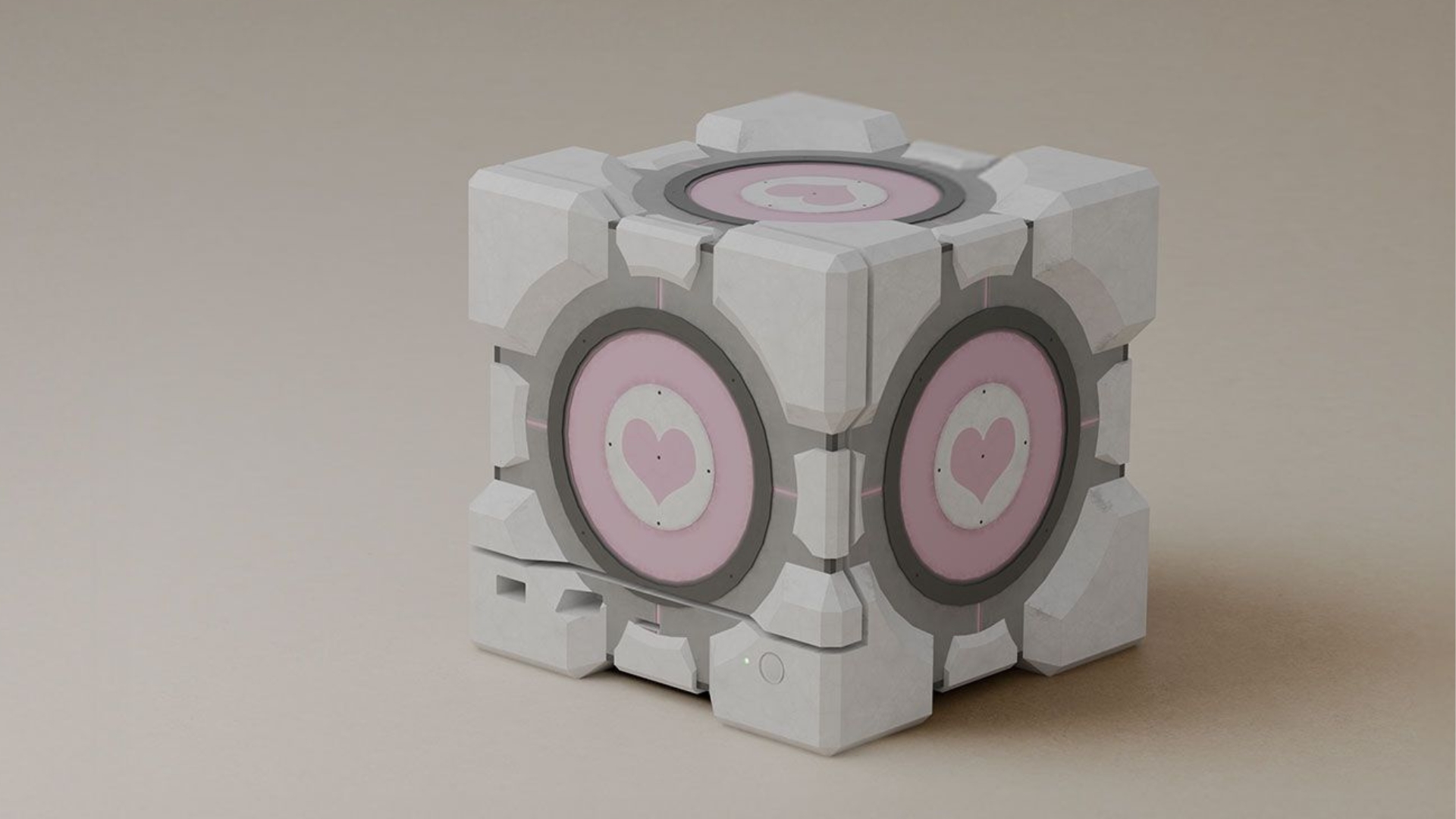
The aesthetic was unmistakable: the white, grey, and pink color palette, the iconic heart-shaped center, and the industrial, modular look perfectly mirrored the in-game object. Dbrand marketed the case for $99, positioning it as the ultimate accessory for the Steam enthusiast who wanted to turn their gaming rig into a piece of interactive, real-world fan art.
From an engineering perspective, the case was a success. It showcased Dbrand’s manufacturing capabilities and ability to capitalize on niche design trends. However, there was a glaring, fundamental oversight: Dbrand never secured a licensing agreement from Valve. They proceeded to manufacture and market the product, banking on the assumption that their brand equity and the nature of the "tribute" would shield them from legal repercussions.
Chronology of a Failed Collaboration
The timeline of this debacle reveals a company caught in the tension between its "rebellious" public image and the realities of intellectual property protection.
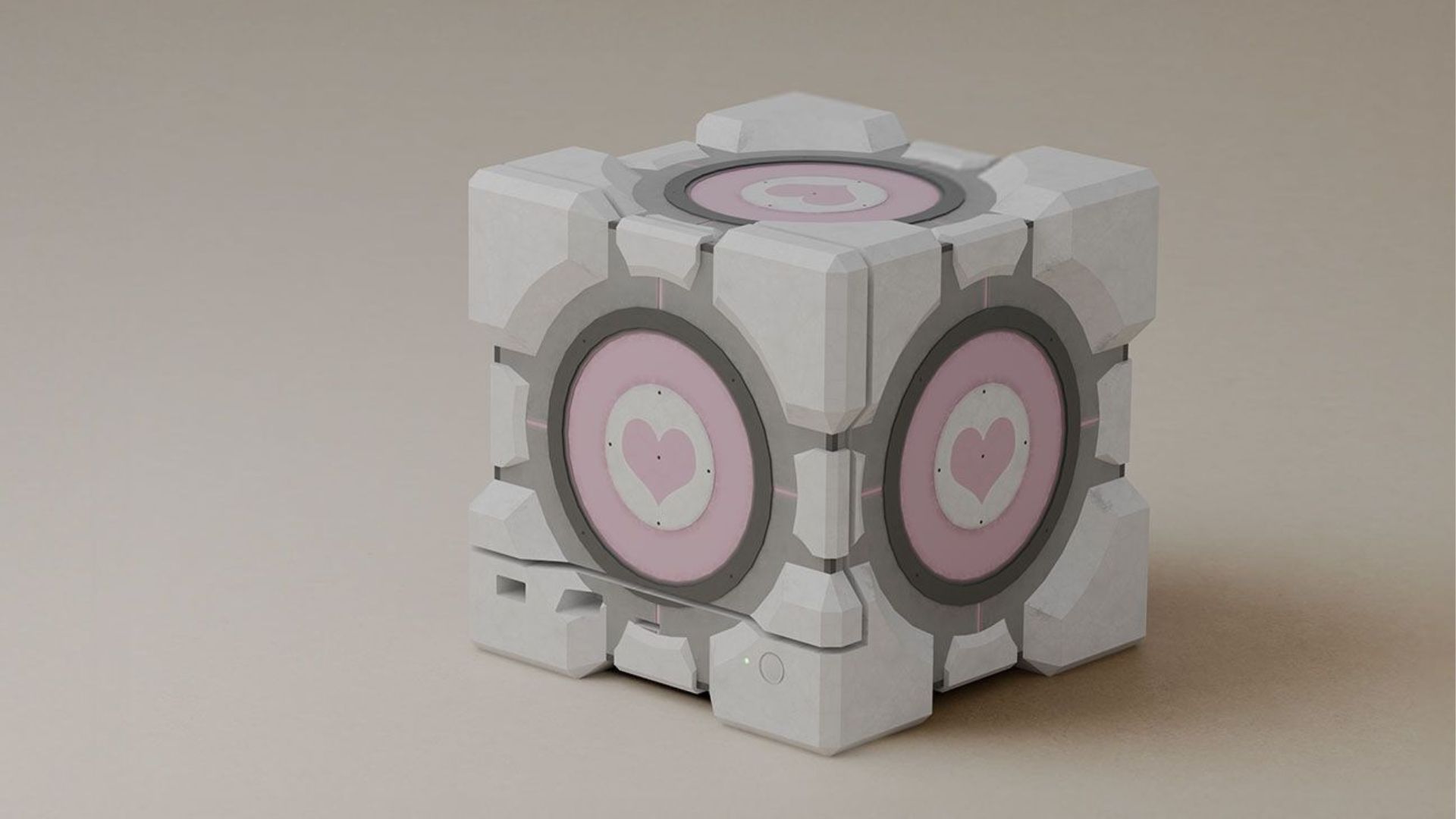
- The Announcement: Dbrand officially unveiled the Companion Cube case, utilizing Valve’s proprietary imagery and design language. The announcement was met with immediate, overwhelming excitement from the gaming community, quickly becoming one of the company’s fastest-selling products in history.
- The Silence: For a period following the launch, Valve remained conspicuously quiet. This led to a period of speculation among observers—was this a "don’t ask, don’t tell" arrangement, or was Valve simply unaware of the scale of the operation?
- The Legal Intervention: Eventually, the reality of copyright law caught up with the ambition of the product design. Valve’s legal team contacted Dbrand, issuing a formal cease-and-desist. The directive was clear: halt all production, remove the sales page, and pull all associated marketing materials immediately.
- The Compliance: Dbrand, recognizing that a legal battle against a giant like Valve would be both futile and ruinous, complied fully. They halted sales and began the process of refunding customers who had purchased the now-defunct product.
- The Post-Mortem: In a characteristically blunt statement on Reddit, Dbrand acknowledged the situation, confirming that the "Companion Cube" was dead and that the company’s attempt to pivot to an official, licensed collaboration had been rejected by Valve.
The Anatomy of IP Overreach: A Pattern of Behavior
This is not the first time Dbrand has found itself in hot water for encroaching upon the IP of major technology firms. The company’s history is littered with similar skirmishes, suggesting a calculated strategy where the potential profits—and the marketing value of the resulting "drama"—are weighed against the eventual cost of legal compliance.
The "Darkplates" Saga
Perhaps the most famous instance involved Sony’s PlayStation 5. Shortly after the console’s launch, Dbrand introduced "Darkplates"—custom black faceplates for the white PS5. Sony, which had its own plans for console customization, threatened legal action, citing design patents. While the initial run of Darkplates was pulled, Dbrand doubled down, redesigned the plates to avoid specific patent infringements, and successfully relaunched the product. This maneuver, while successful in the long run, cemented the company’s reputation as a brand that prefers to ask for forgiveness rather than permission.
The "Clone of the Kingdom" Controversy
Similarly, when Nintendo released The Legend of Zelda: Tears of the Kingdom, Dbrand launched a set of Switch skins titled "Clone of the Kingdom," which featured art directly evocative of the game’s iconography. Unlike the Darkplates, which offered a functional hardware modification, these were skins that clearly crossed the line into using another company’s creative property to sell a product. These, like the Companion Cube, were eventually pulled from the market.
The Limits of "Machoistic" Corporate Strategy
The question arises: Why would a company as successful and capable as Dbrand repeatedly put itself in these situations? The answer lies in the company’s unique brand identity. Dbrand has built an empire on the idea that it is the "edgy" alternative to the buttoned-up, corporate world of tech giants. Its marketing relies on a persona that is irreverent, sarcastic, and, at times, downright aggressive toward its own customers.
This strategy has undoubtedly helped the company grow. By engaging in "rule-breaking," Dbrand keeps its name in the headlines and ensures that its social media presence remains highly active. However, as the Companion Cube incident illustrates, there is a hard line that, once crossed, renders this persona ineffective.
Industry analysts point out that while this "bad boy" image is excellent for selling skins, it creates a significant barrier to formal partnerships. Major companies like Valve, Sony, and Nintendo generally prefer to work with partners that demonstrate professional consistency. By forcing these companies into a position where they must defend their IP through legal threats, Dbrand essentially burns bridges before they are ever built.
Implications for the Accessory Industry
The fallout from the Companion Cube incident offers several key takeaways for the broader consumer hardware and accessories market:
- IP Ownership is Non-Negotiable: Regardless of the creative effort involved in manufacturing a product, the underlying IP belongs to the creator. No amount of "fan appreciation" or "community demand" justifies the unauthorized use of trademarks or copyrighted designs.
- The Cost of "Edginess": While a disruptive brand identity can capture market share in the short term, it can lead to massive logistical and financial losses when those same tactics are applied to legal or intellectual property matters. The cost of refunding thousands of orders and the loss of potential long-term, official licensing deals represent a significant blow to the bottom line.
- The Importance of Pre-emptive Collaboration: As Dbrand itself noted, the Companion Cube case was one of their most successful product launches ever. Had the company approached Valve with a proposal for a licensed, official collaboration before moving to production, the outcome might have been entirely different. By choosing to act first and apologize later, Dbrand effectively guaranteed that the project would be shuttered.
Conclusion: A Lesson in Professionalism
The Companion Cube case will likely be remembered as a cautionary tale within the tech accessory industry. It serves as a stark reminder that while the internet rewards provocation, the legal system rewards compliance and respect for property rights.
Valve’s response—described by Dbrand as "direct, fair, and respectful"—highlights that even the most powerful companies are often willing to engage with smaller creators, provided the relationship is built on a foundation of mutual respect and legal transparency. By attempting to bypass that process, Dbrand didn’t just lose a product; it lost the opportunity to be an official partner to one of the most respected names in gaming.
As Dbrand continues to evolve, it remains to be seen whether it will continue to lean into its confrontational corporate identity or if this latest setback will prompt a shift toward more professional, collaborative endeavors. For now, the Companion Cube remains a relic of what could have been—a reminder that in the world of high-tech business, the most sophisticated engineering in the world is useless if you don’t have the legal right to build it.