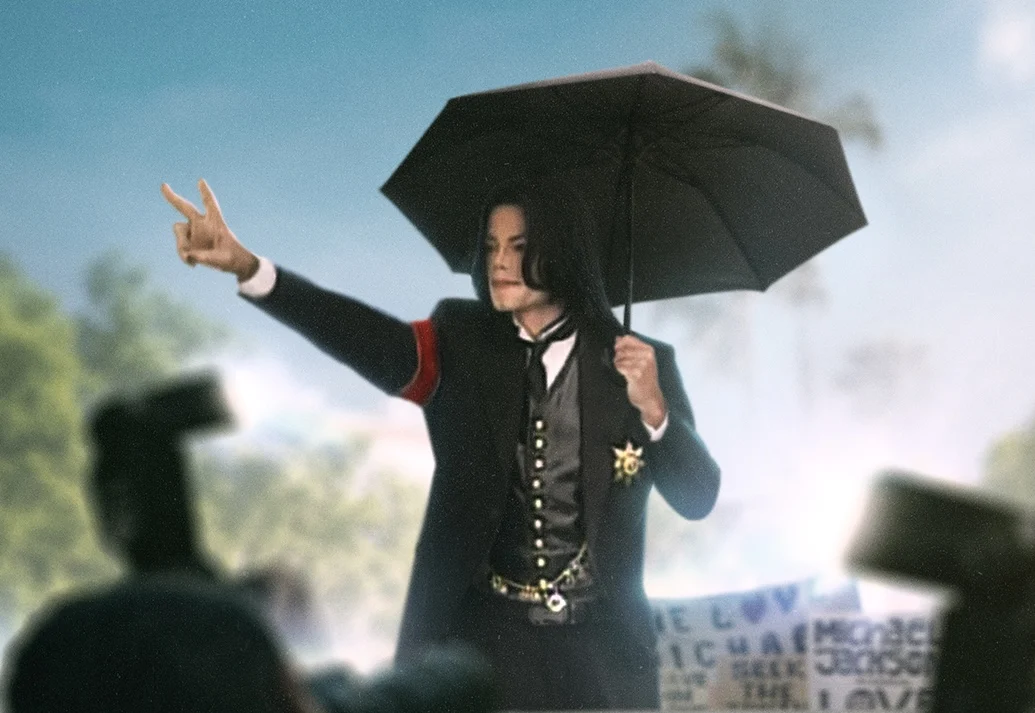
The release of the three-part documentary series Michael Jackson: The Verdict was, by all accounts, one of the most high-stakes operations in recent streaming history. While the project arrived on Netflix on June 3 with significant viewership success, Variety has learned that the documentary nearly became a casualty of corporate anxiety. Sources indicate that executives at the streamer experienced a period of intense “cold feet” just one week before the scheduled release, fueled by the shadow of the Michael Jackson estate’s legendary litigiousness and the persistent, highly mobilized nature of the late singer’s global fanbase.
The Anatomy of an Uncertain Launch
The production, directed by Nick Green and produced by Candle True Stories, was designed to provide a comprehensive, even-handed retrospective of the 2005 criminal trial that saw Michael Jackson acquitted of child molestation charges. However, the closer the release date loomed, the more palpable the tension became within Netflix’s internal ranks.
According to two sources familiar with the matter, the primary concern was not merely the vocal outrage of fans, but the potential for a protracted legal battle with the Michael Jackson estate. “It was the fear of a lawsuit from the estate rather than the fans,” one source stated. “Netflix was really scared of their financial muscle.”
The concern was not unfounded. The estate has cultivated a reputation for aggressive legal defense of the singer’s legacy. In 2019, they initiated a high-profile lawsuit against HBO over the documentary Leaving Neverland, eventually succeeding in having the film removed from the HBO Max catalog by 2024. Similarly, in 2018, the estate took legal action against ABC regarding the special The Last Days of Michael Jackson, which culminated in an out-of-court settlement. With these precedents in mind, Netflix executives reportedly considered pulling the project entirely—a move that, as one insider noted, would have been a “huge story” and a massive embarrassment following the release of the official trailer.
A Chronology of Cautious Strategy
The handling of the documentary’s rollout was marked by a level of caution rarely seen in modern streaming distribution. Fearing a backlash that could destabilize the project’s release, Netflix implemented a series of unprecedented security and publicity protocols:
- The Late Announcement: Netflix did not reveal the existence of the docuseries until a mere two weeks before its premiere, a stark contrast to the months-long marketing campaigns typically afforded to true-crime projects of this magnitude.
- The Media Blackout: The streamer declined to provide press screeners to critics, denied all requests for interviews with the production team, and enforced a strict internal policy regarding communication.
- Encrypted Coordination: Correspondence regarding the series was limited to a single, dedicated email address that omitted the sender’s identity, and those involved in the production were issued formal security briefings to prepare for potential fallout.
- The Marketing Vacuum: As one source confirmed, there was “no marketing and no publicity whatsoever.” The filmmakers were effectively silenced, prevented from speaking about their work to the press, which the source described as “extraordinary.”
Despite these measures, the "brouhaha" behind the scenes was significant. The streamer was inundated with emails from fans protesting the series. While the volume was initially alarming, internal investigations eventually revealed that a substantial portion of the correspondence was generated by automated bot accounts, which helped settle the nerves of the executive team.
The Content: A Trial Revisited
Michael Jackson: The Verdict serves as a deep dive into the 2005 trial at the Santa Barbara County Courthouse. The series is notable for its refusal to take a singular moral stance, instead balancing the testimonies of those who stood by the singer—including longtime attorney Brian Oxman and publicist Raymone Bain—with the perspectives of those who were present during the prosecution of the case involving 12-year-old Gavin Arvizo.
The documentary features interviews with two jurors who provided insight into the deliberation process, alongside a dedicated fan who famously left her employment to attend the trial in person. Notably absent from the docuseries is Arvizo or his family, who declined to participate.
In her review for Variety, critic Aramide Tinubu noted that the series functioned less as a definitive judgment on the singer’s character and more as a reflection of the public’s relationship with celebrity. “Though the show offers the details and accounts which eventually led to Jackson’s acquittal, it stands more as an examination of our collective obsession with celebrity, who the public is willing to believe and why,” she wrote.
Official Responses and Industry Dynamics
When approached for comment, a Netflix spokesperson pushed back against the narrative that the company had considered cancelling the project due to external pressure. “Characterizations that Netflix reconsidered the release or changed course because of outside pressure are inaccurate,” the statement read. “The series launched as planned and reached the Netflix Top 10 for three weeks.”
To date, Netflix has confirmed that they have received no legal correspondence from the Michael Jackson estate, though the estate has not responded to multiple requests for comment on the matter.
The context of the release is further complicated by the timing of the estate’s own projects. The documentary premiered only a few months after the release of the high-budget biopic Michael, a film that notably concludes its narrative before the sexual abuse allegations that defined the latter half of the singer’s life. The proximity of the two projects created a unique cultural friction point, with fans rallying to protect the legacy presented in the biopic while simultaneously attacking the critical perspective offered by the Netflix series.
Implications: Fan Power and the Future of Streaming
The aftermath of the release has highlighted the growing divide between critical reception and audience sentiment. While critics awarded the series an 82% rating on Rotten Tomatoes, the audience score plummeted to 7%. A Change.org petition demanding the removal of the series garnered over 188,000 signatures, and social media platforms—particularly Reddit—were filled with users claiming to have canceled their Netflix subscriptions in protest.
Despite this vocal opposition, the documentary was a runaway success in terms of raw metrics. Within its first five days, it accumulated 17.8 million views, hitting the number one spot in 61 countries and landing in the Top 10 in 89 countries.
This discrepancy between the "loud" opposition and the "quiet" consumption of the content presents a complex challenge for streamers. The case of Michael Jackson: The Verdict suggests that while digital activism and the threat of litigation can certainly influence corporate decision-making and lead to hyper-cautious, minimalist marketing strategies, they have not yet reached the point of suppressing content that the general public is ultimately curious enough to watch.
The documentary stands as a case study in how major platforms navigate the "third rail" of celebrity legacy. By opting for a low-profile release, Netflix managed to mitigate potential damage while allowing the content to speak for itself. For the streaming industry, the lesson is clear: when dealing with cultural figures as polarized as Michael Jackson, the best defense may be a strategy of intentional silence and reliance on the platform’s sheer distribution power.
As the dust settles, the series remains available on Netflix, a testament to the fact that, in the modern streaming era, even the most controversial projects can find their way to an audience, provided the platform is willing to endure the initial heat of the fire.