

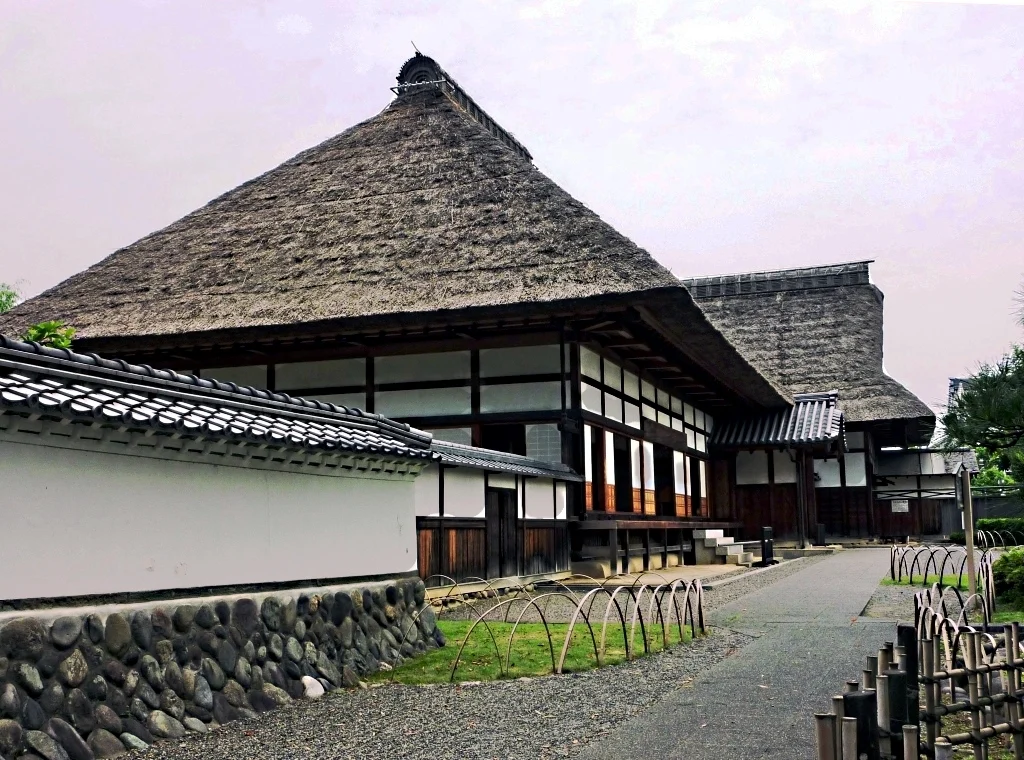
Hidden within the quiet urban fabric of Tochigi Prefecture, a short train ride from the neon sprawl of Tokyo, lies a structure that defies the ephemeral nature of Japanese history. Ashikaga Gakko (足利学校) is not merely a collection of wooden buildings or a preserved garden; it is the oldest standing academic institution in Japan. With a history of continuous educational activity tracing back to the 9th century, it stands as a testament to the intellectual endurance of East Asian civilization, predating the venerable universities of Oxford, Bologna, and Cambridge.
For the modern traveler, Ashikaga Gakko offers a rare, meditative respite. While thousands of tourists flock to the shrines of Nikko or the bustling districts of Tokyo, this site remains a sanctuary of silence and scholarly reflection. It is a place where the air still seems to hum with the echoes of Confucian debates and the rhythmic chanting of the Analects.
Core Historical Significance and Founding
The exact origins of Ashikaga Gakko are a subject of enduring debate among historians, yet the consensus places its roots in the early Heian period. Traditional accounts often attribute the founding to the poet and scholar Ono no Takamura (802–853) or, alternatively, to Prince Shimotsuke in the early 830s. Documentary evidence firmly anchors the school’s existence by 850 CE, a date that places its foundation more than a century and a half before the establishment of Europe’s first formal universities.
By the mid-16th century, the institution had reached its zenith. It served as a intellectual lighthouse for Japan, housing roughly 3,000 students—an unprecedented number for the era. The school boasted a library of Confucian classics unrivaled in the nation, drawing the attention of international observers. So profound was its reputation that Francis Xavier, the pioneering Jesuit missionary, famously described it in a 1549 letter to Rome as “the largest and most famous academy in Eastern Japan.”
A Chronology of Intellectual Continuity
To understand the trajectory of Ashikaga Gakko, one must view it not as a static museum, but as an evolving organism that survived the turbulence of Japanese history.
The Medieval Revival (1432)
Following a period of decline during the late Heian and Kamakura periods, the academy experienced a transformative revival in 1432. Uesugi Norizane, the influential lord of Shimotsuke Province, acted as the school’s savior. He invited elite Zen scholar-monks from Engaku-ji in Kamakura to lead the institution and donated his private collection of Song Dynasty Confucian texts. This act of patronage cemented the school’s identity as a bastion of secular Confucian education, distinct from the religious training found in Zen monasteries.
The Hojo Patronage and Peak Influence
During the Sengoku period, the academy flourished under the protection of the Hojo clan. It became a center for the "practical arts," with a curriculum encompassing Chinese medicine, military strategy, classical literature, and the I Ching. Crucially, the school maintained a rigid separation between secular study and Buddhist theology, positioning itself as a unique intellectual bridge between Chinese classical thought and the Japanese warrior class.
Meiji Abolition and Modern Restoration
The 1868 Meiji Restoration brought a seismic shift in Japanese governance. As the nation pivoted toward Western models of education, the traditional Confucian system was dismantled. Ashikaga Gakko ceased operations, its library was dispersed, and a portion of the grounds was repurposed for local elementary education.
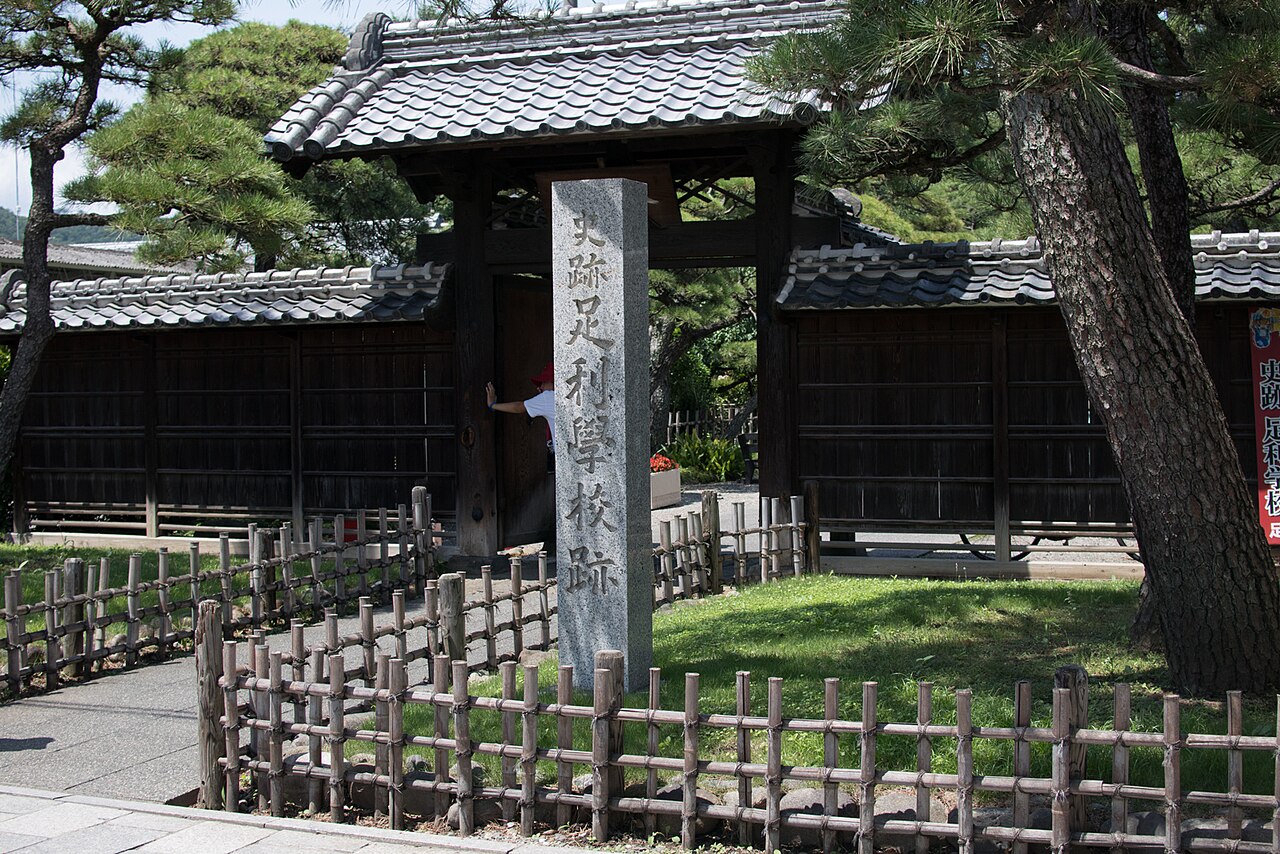
However, the site’s cultural weight was not forgotten. In 1928, it was designated a National Historic Site. A monumental, decade-long restoration project—informed by rigorous archaeological excavations and historical text analysis—culminated in 1990. The result was the meticulous reconstruction of the Edo-period layout, allowing visitors today to walk the same paths as the scholars of the 17th century.
The Academic Landscape: What Remains Today
The current site covers approximately 8,000 square meters, reconstructed to reflect the architectural precision of the 1660s. A visit is an exercise in chronological immersion.
The Architectural Precinct
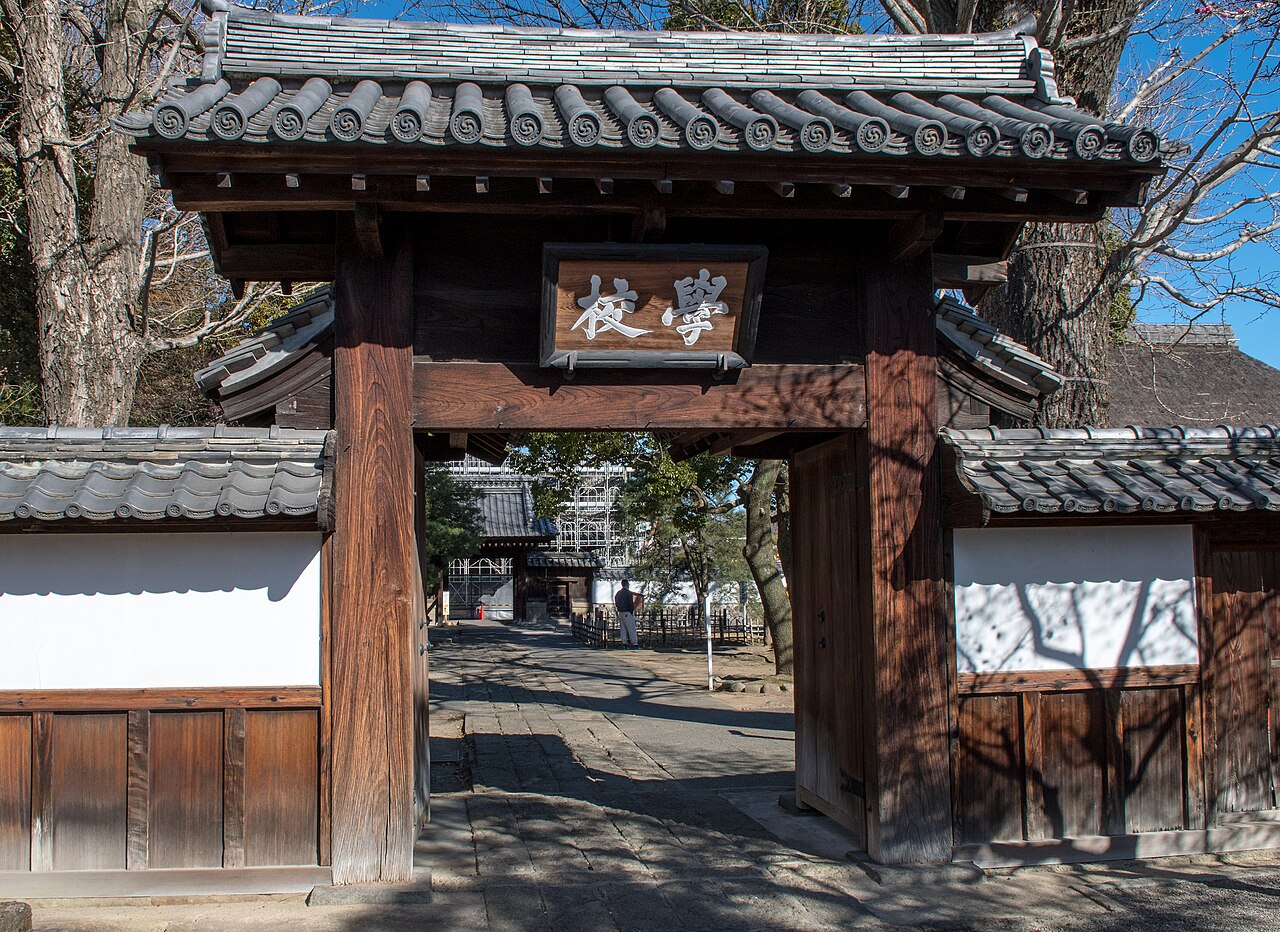
- The Gates (Nyutoku-mon and Gakko-mon): The "Entering Virtue Gate" serves as the threshold where students were historically required to bow. The Gakko-mon, featuring the original 1668 stone plinth, is the iconic entrance that greets modern visitors, bearing the calligraphy of the renowned Tokugawa scholar Hayashi Razan.
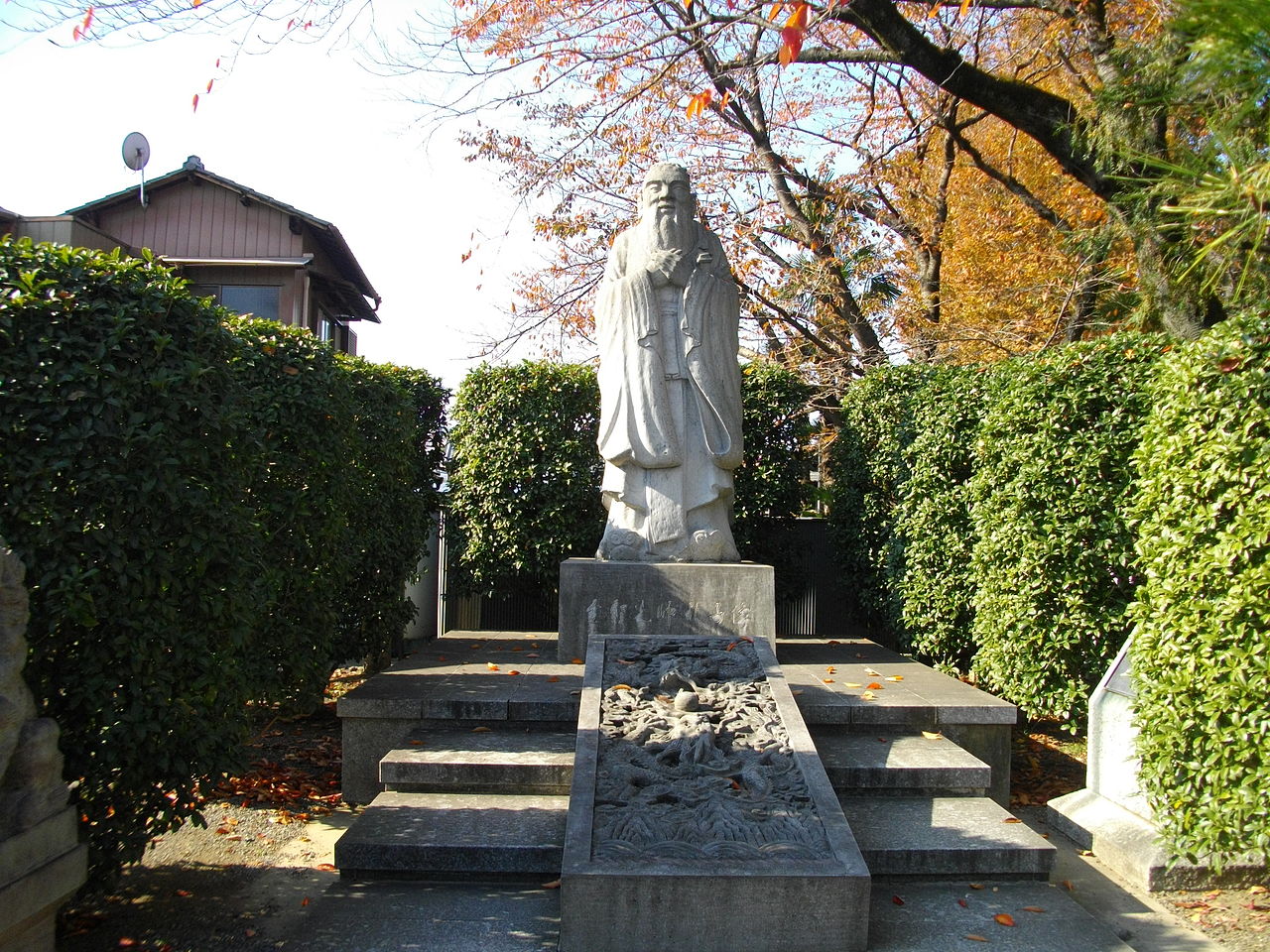
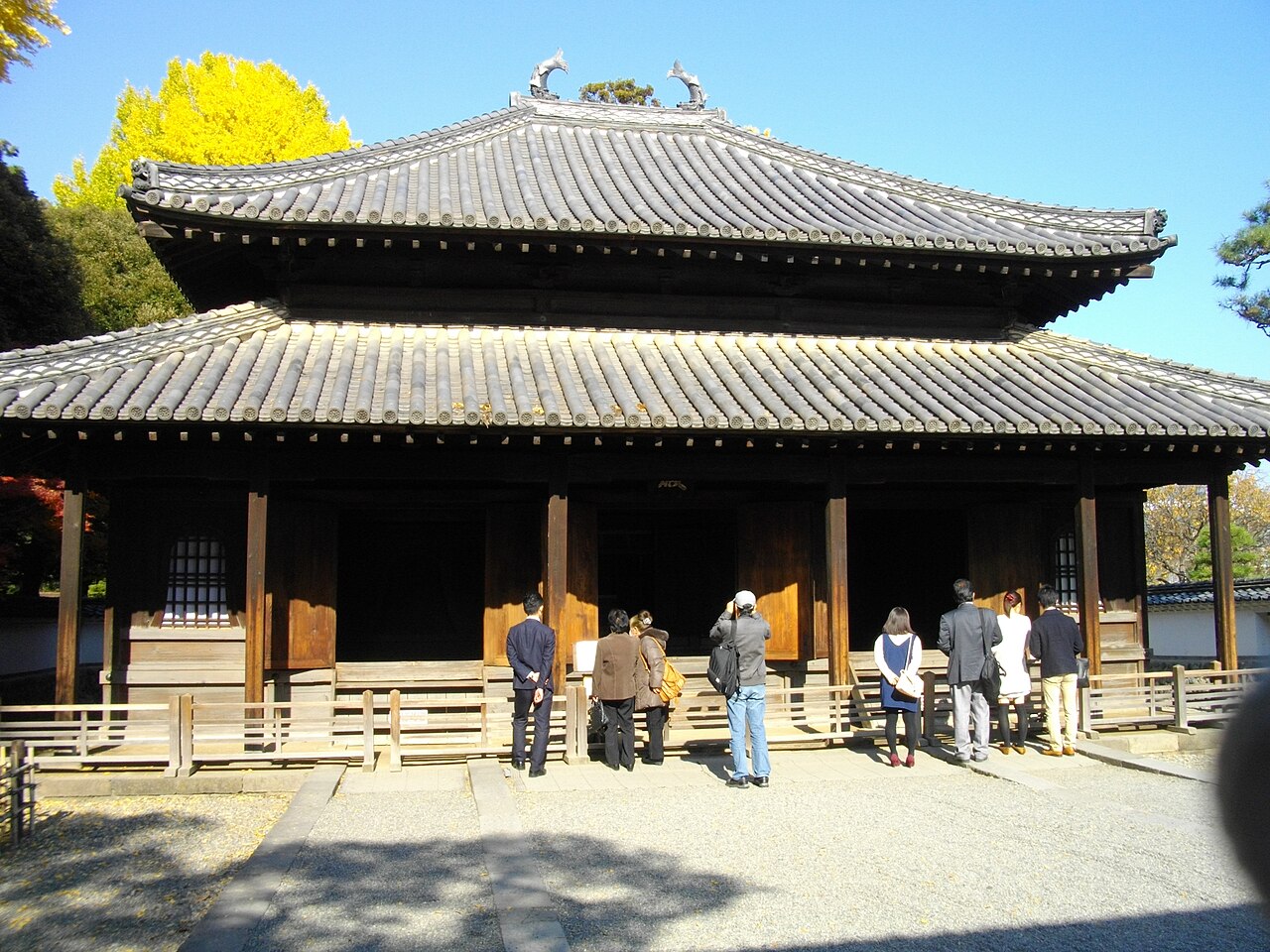
- The Koshibyo (Confucian Temple): This is the heart of the school’s spiritual and ritual life. It houses a 16th-century statue of Confucius and remains the only site in Japan where original sekiten rites are still performed twice annually.
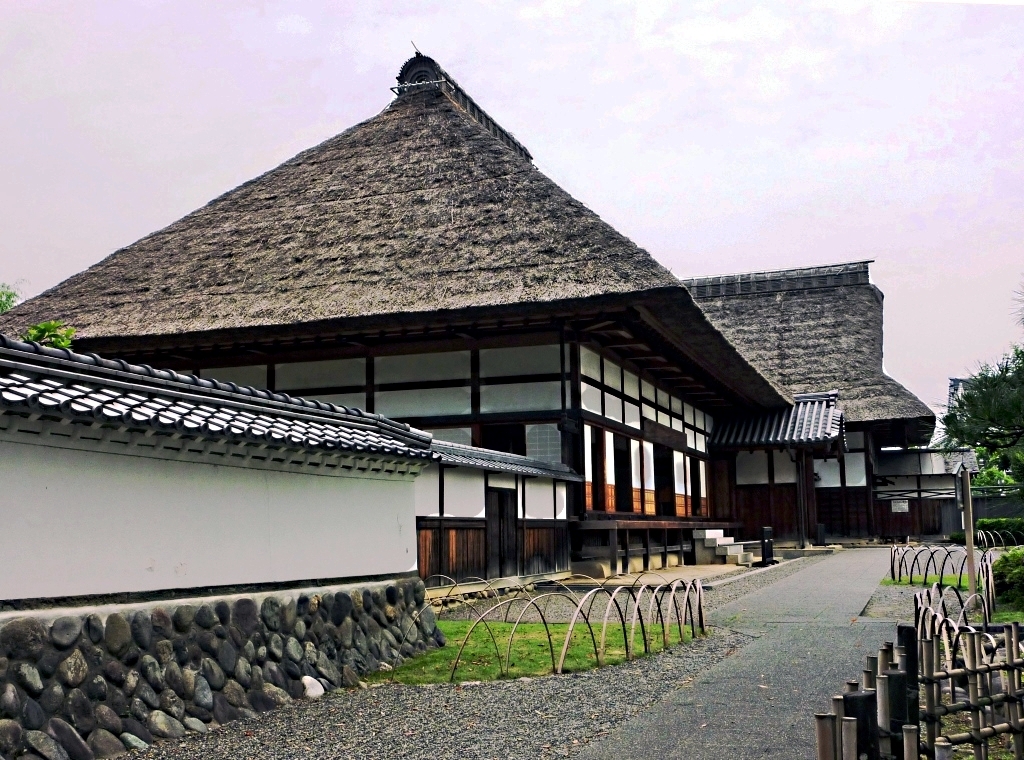
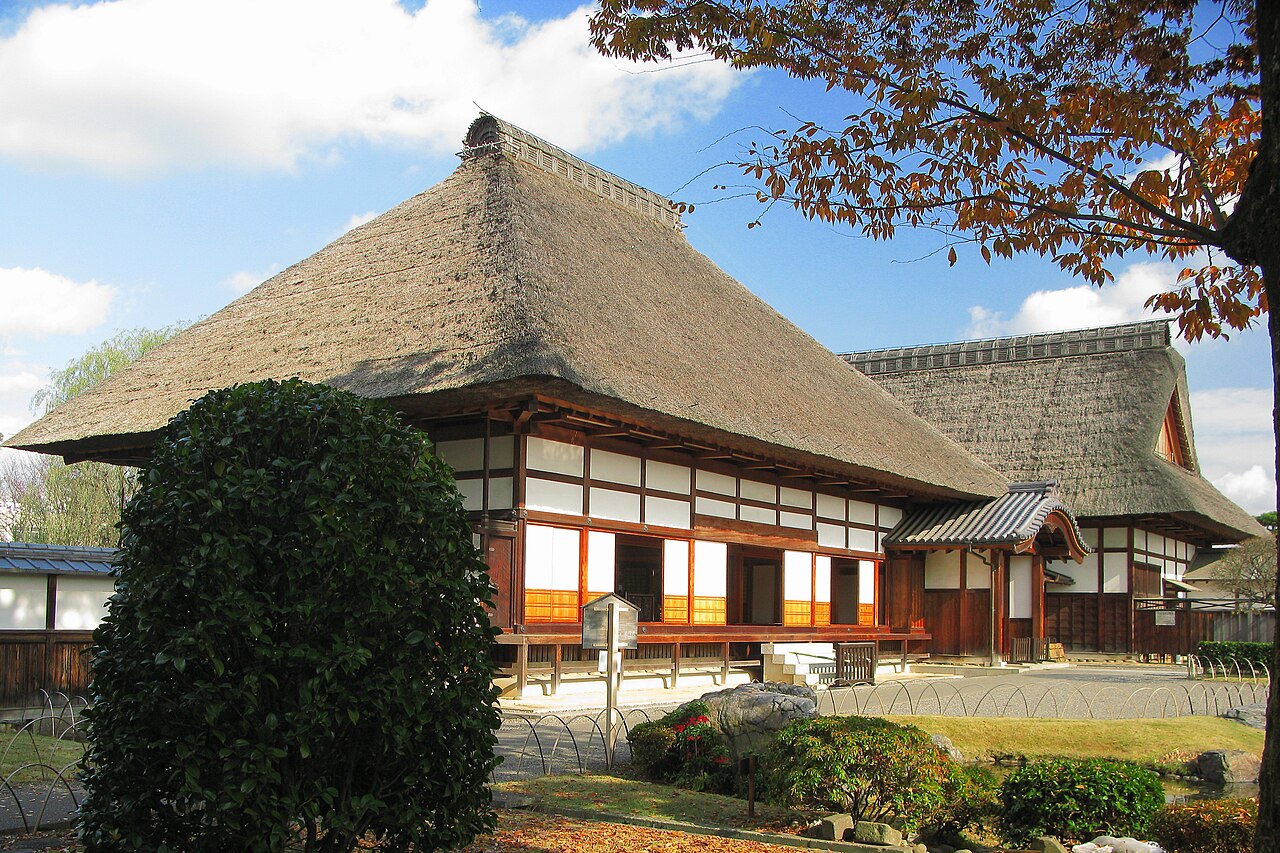
- The Hojo (Main Hall): This was the command center of the academy. Visitors can step onto the tatami mats to experience the environment where the shoshi (head teacher) resided and conducted lessons.
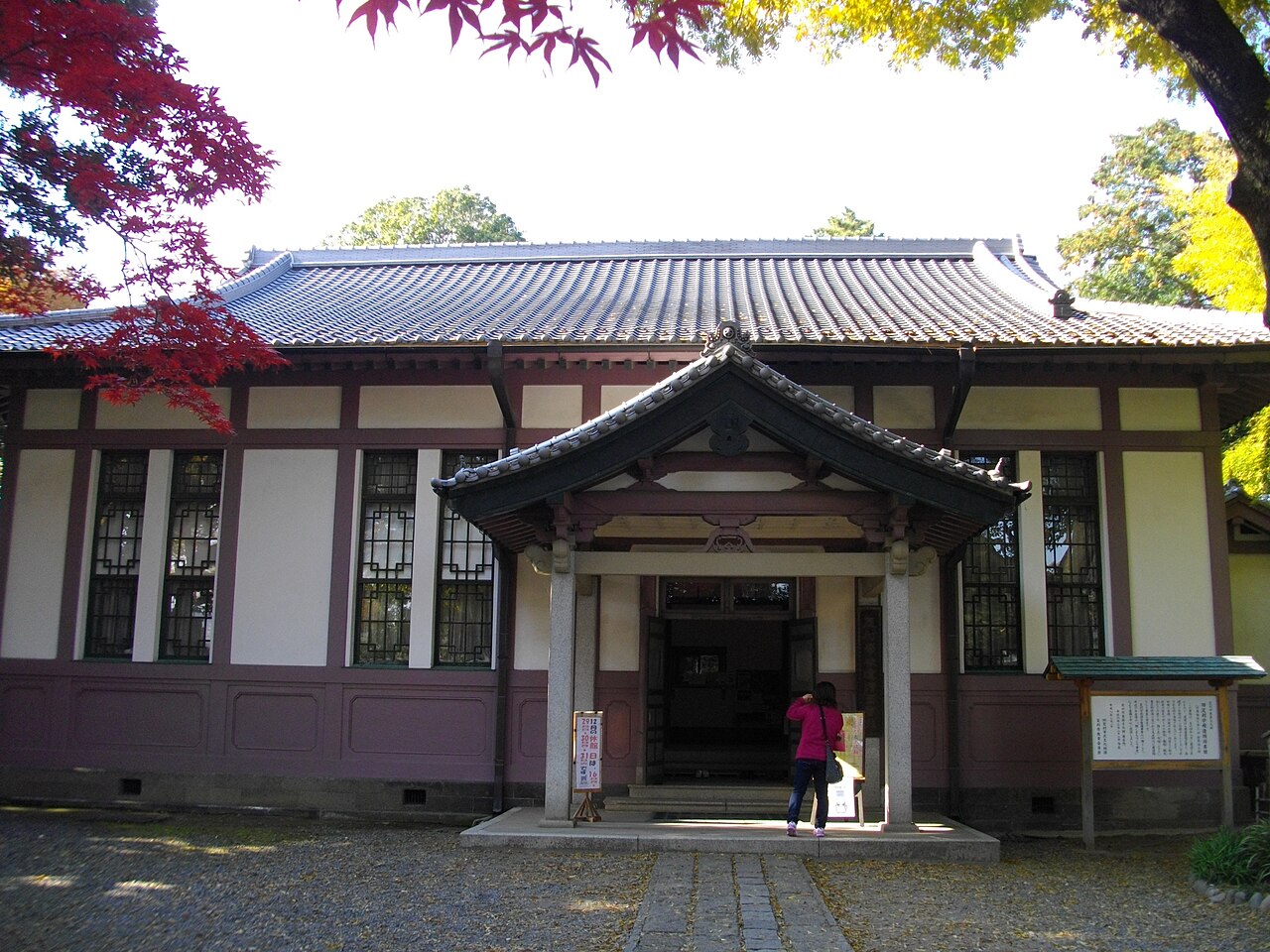
- The Library Wing: While the original manuscripts reside in the Tokyo National Museum, the library wing provides an essential window into the school’s intellectual history, displaying high-quality facsimiles of the rare volumes that once made this the most significant repository of knowledge in Japan.
Supporting Data: The Scholarly Tradition
The school’s commitment to continuity is best exemplified by its Analects read-aloud program. Every Sunday from April to July and September to November, the academy opens its doors to those who wish to practice the traditional, melodic reading of Confucian texts. This is not a performance for tourists; it is a living practice, inviting participants to engage with the same linguistic rhythms that have echoed through these halls for centuries.
Official Responses and Preservation Ethics
The preservation of Ashikaga Gakko is governed by a mandate to maintain "historical fidelity." The 1990 restoration utilized traditional joinery techniques, eschewing modern nails or adhesives where possible. The local municipal government of Ashikaga views the school not just as a tourist attraction, but as a "cultural cornerstone." By offering combined tickets with the adjacent Banna-ji temple, the city encourages a holistic understanding of the local heritage, linking the intellectual history of the school with the spiritual history of the Ashikaga clan.
Implications for Modern Education and Heritage
The existence of Ashikaga Gakko poses an interesting question for the modern world: What is the value of a physical space dedicated to the continuity of thought? In an era where information is digitized and classrooms are increasingly virtual, the school serves as a grounded, tangible reminder of the human need for specialized, communal intellectual spaces.
For the international academic community, the site is a pilgrimage point. It highlights the sophistication of medieval Japanese intellectual culture, debunking the myth that the region was culturally isolated before the modern era. The fact that the school functioned on a model of secular, merit-based, and text-heavy education suggests that the values of the modern university have deeper, older roots in East Asia than many Western textbooks admit.
Strategic Travel Insights
For those planning a visit, timing is everything. While the site is accessible year-round, the last two weeks of October are recommended. During this period, the Northern Garden’s maples turn a vivid crimson, framing the Edo-period architecture in a way that captures the essence of the Japanese koyo (autumn foliage) tradition.
- Logistics: The site is easily reached from Tokyo via the Tobu Line (to Tobu-Ashikagashi Station) or the JR line (to Ashikaga Station).
- Integration: A comprehensive day-trip includes a morning visit to Ashikaga Gakko and the adjacent Banna-ji, an afternoon at the Orihime Shrine, and, if in season, the world-renowned Ashikaga Flower Park.
- Etiquette: Visitors should note that the school remains a site of active research and ritual. While the grounds are welcoming, maintaining a quiet, respectful demeanor is essential to honoring the scholarly history of the institution.
Ultimately, Ashikaga Gakko is more than the sum of its parts. It is a monument to the endurance of curiosity. Whether one is a historian, a student of philosophy, or simply a traveler seeking to look beyond the surface of contemporary Japan, this site offers a profound encounter with the past—an invitation to sit, listen, and learn from the oldest classroom in the nation.












No comments yet. Be the first to join the conversation!