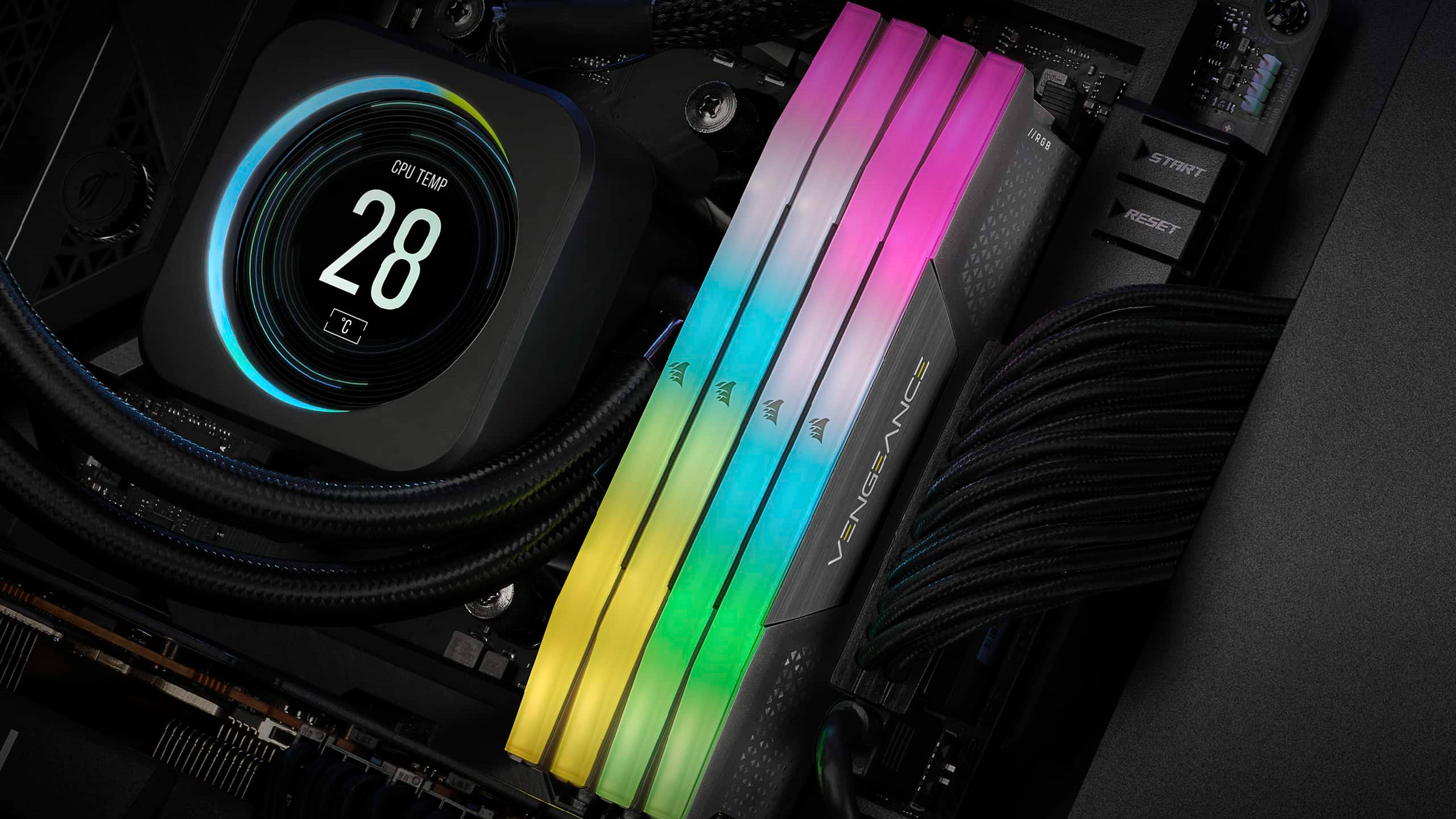
For years, the PC building community operated under a comfortable set of assumptions: RAM was a commodity, prices were cyclical but generally predictable, and a 32GB kit of high-speed DDR5 memory was an accessible foundation for any gaming rig. That era of stability has officially come to an end.
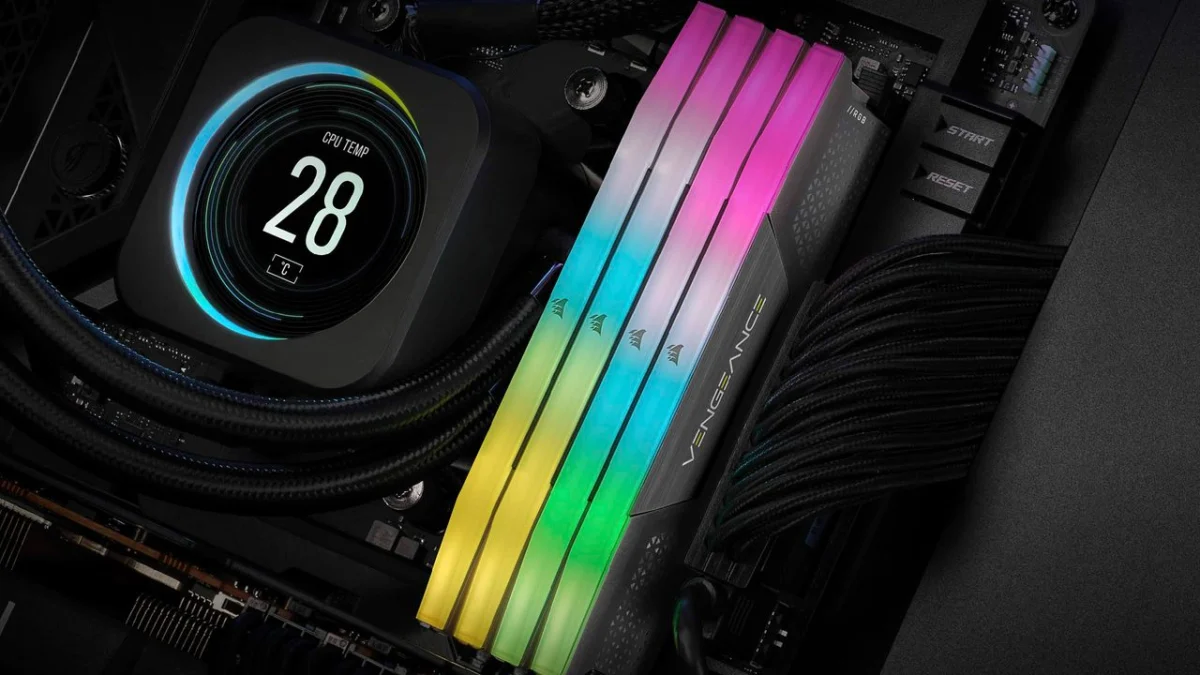
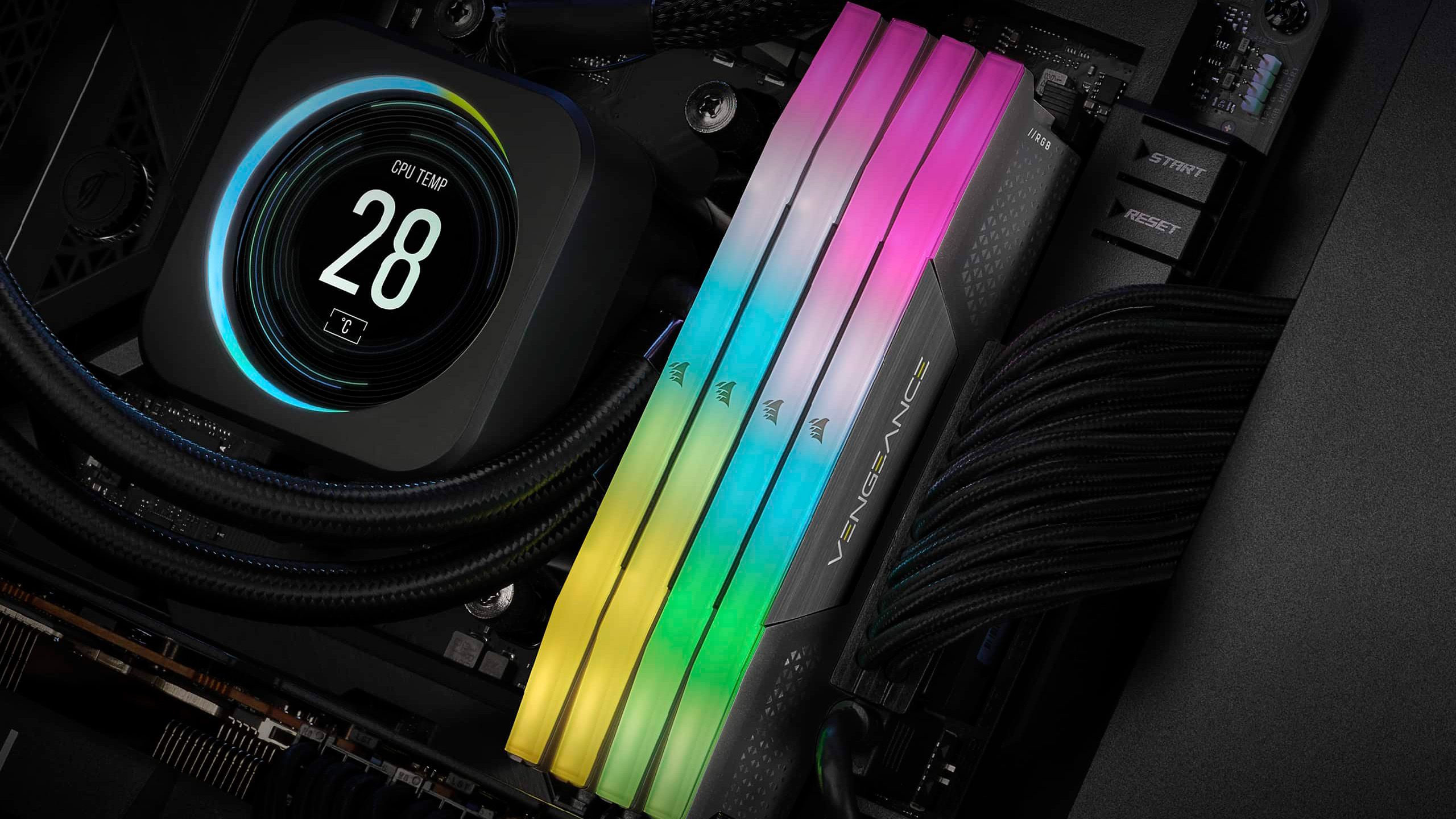
In recent days, the market for 32GB (2x16GB) DDR5-6000 memory—long considered the "sweet spot" for performance and value—has crossed the $400 threshold. This represents a staggering 400% increase over the historic lows of just a few years ago, when similar kits could be secured for as little as $80. As the industry grapples with this dramatic price surge, builders are finding that the cost of entry for a modern PC is no longer just a hurdle; it is becoming an insurmountable wall.
The Anatomy of the Price Surge: A Market in Turmoil
The current pricing trajectory is not merely a temporary fluctuation; it is a symptom of a deep-seated structural crisis within the global semiconductor industry. While the $400 price tag on a standard 32GB DDR5-6000 kit is the most visible sign of distress, it is part of a broader, systemic trend.
Data from PCPartPicker and ongoing market analysis indicate that the cost of DRAM has been on a relentless climb. Even entry-level hardware is being affected; older or slower specifications, such as 32GB of DDR5-4800, are now retailing for upwards of $359. The disparity between previous market conditions and the current reality is profound, with the price of enthusiast-grade memory kits climbing by as much as 500% in some sectors. In extreme cases, high-capacity workstation memory, such as 128GB DDR5 kits, has reached eye-watering prices of $3,399.
Chronology of the Component Crunch
The decline of consumer affordability did not happen overnight. To understand how we arrived at the current $400 benchmark, one must look at the timeline of the global supply chain shifts over the last 24 months.
The Foundation of Stability (2022–2023)
During this period, DDR5 adoption was in its infancy. Prices were high due to early-adopter premiums, but supply chains were functional. As production ramped up, the market saw a steady decline in prices, leading to the "golden age" where 32GB of 6000 MT/s memory dropped to $80–$100.
The AI Pivot (Late 2023 – Early 2024)
The catalyst for the current crisis began with the explosion of generative AI. Large Language Models (LLMs) and massive data center requirements created an insatiable demand for high-bandwidth memory (HBM) and enterprise-grade NAND flash. Manufacturers, facing a choice between high-margin enterprise contracts and lower-margin consumer components, overwhelmingly pivoted their production lines to satisfy the AI infrastructure buildouts.
The Supply Squeeze (Mid-2024 – Present)
By mid-2024, the impact on consumer shelves became undeniable. As manufacturers prioritized HBM for NVIDIA and other AI heavyweights, consumer DRAM output was constrained. This supply shock, combined with existing logistical challenges, created the perfect storm that has led to the current record-breaking price levels.
Supporting Data: The High Cost of Modern Computing
The numbers tell a grim story for the DIY enthusiast. If we examine the price-to-performance ratio, the value proposition of building a custom PC has eroded significantly.
| Memory Configuration | Historic Low (Approx.) | Current Retail Price | Increase |
|---|---|---|---|
| 32GB DDR5-6000 (Standard) | $80 | $400+ | 400% |
| 32GB DDR5-4800 (Entry) | $70 | $359 | 412% |
| 128GB DDR5 (Workstation) | $600 | $3,399 | 466% |
Beyond these figures, we are seeing a reduction in SKU availability. Many retailers are reporting lower stock levels for consumer-grade kits, as inventory is increasingly diverted to pre-built PC manufacturers who have long-term contracts with memory suppliers.
Official Responses and Strategic Shifts
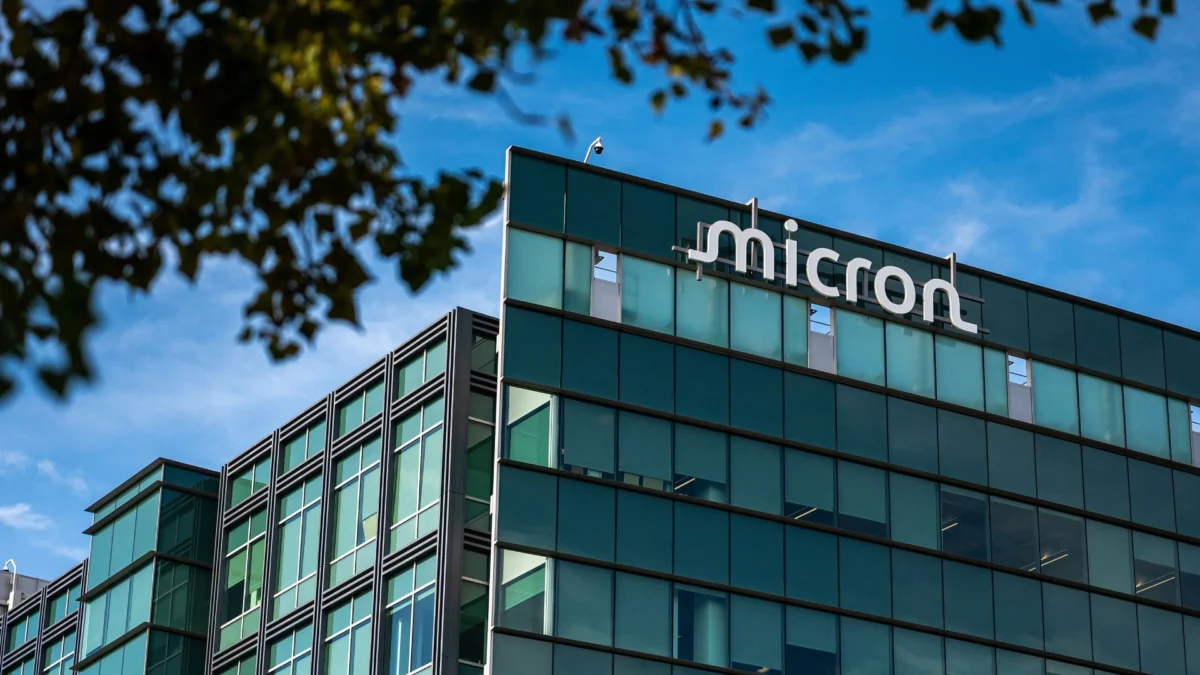
The industry’s response to the crisis has been one of strategic consolidation. Major DRAM producers, such as Micron, have made high-profile decisions to pivot away from consumer-facing brands.
Notably, Micron’s decision to wind down its consumer-facing "Crucial" memory and SSD divisions in favor of a total commitment to HBM and enterprise-class enterprise customers sent shockwaves through the market. This move signaled to the industry that the era of abundant, cheap consumer memory was over. Other manufacturers have remained largely silent on the consumer impact, focusing their quarterly reports on the massive growth in server-side revenue, effectively conceding that the home-user market is no longer their primary revenue driver.
Implications for the Future of PC Building
The implications of this pricing crisis are far-reaching, affecting everyone from the casual gamer to the professional creator.
The Rise of Pre-Built Dominance
One of the few remaining "safe havens" from the current price volatility is the pre-built desktop market. System integrators who locked in pricing contracts months or years ago are often able to offer complete systems that cost less than the sum of their individual parts. For the consumer, this turns the traditional PC building experience on its head—instead of saving money by building a custom rig, consumers are now incentivized to purchase pre-built systems simply to secure the necessary components at a reasonable cost.
The Compromise Era
The current market forces consumers to make difficult compromises. Builders are increasingly opting for slower memory, such as 4,800 MT/s, to save a few dollars, or settling for lower capacities like 16GB. However, in an era where modern games and productivity software are becoming increasingly memory-hungry, these compromises result in tangible performance penalties.
Long-Term Market Outlook
Industry analysts suggest that this is not a short-term blip. As long as the AI buildout continues, the demand for high-end DRAM will outstrip supply. Unless there is a massive expansion in manufacturing capacity—a process that takes years and billions of dollars in capital expenditure—consumers should expect these elevated prices to remain the "new normal."
Conclusion: Navigating a Difficult Landscape
For those currently in the market for a new PC, the landscape is undeniably hostile. The days of easily upgrading your system with a budget-friendly 32GB DDR5 kit appear to be behind us for the foreseeable future.
If you are currently building a PC, the best advice is to remain vigilant. Track daily price movements through retailers like Newegg and Amazon, and keep a close eye on system bundles. While the current situation is bleak, history has shown that technology markets are rarely static. However, until the global appetite for AI infrastructure plateaus, the price of memory will continue to be a primary inhibitor for the DIY PC enthusiast.
As we look toward the future, the industry must reckon with the consequences of abandoning its base. While enterprise and AI may be the engines of current profitability, the health of the broader computing ecosystem depends on the accessibility of high-quality components for the creators, gamers, and engineers of tomorrow. Until then, builders must be prepared to pay a premium or look for alternative avenues to keep their systems competitive.