Siti Muinah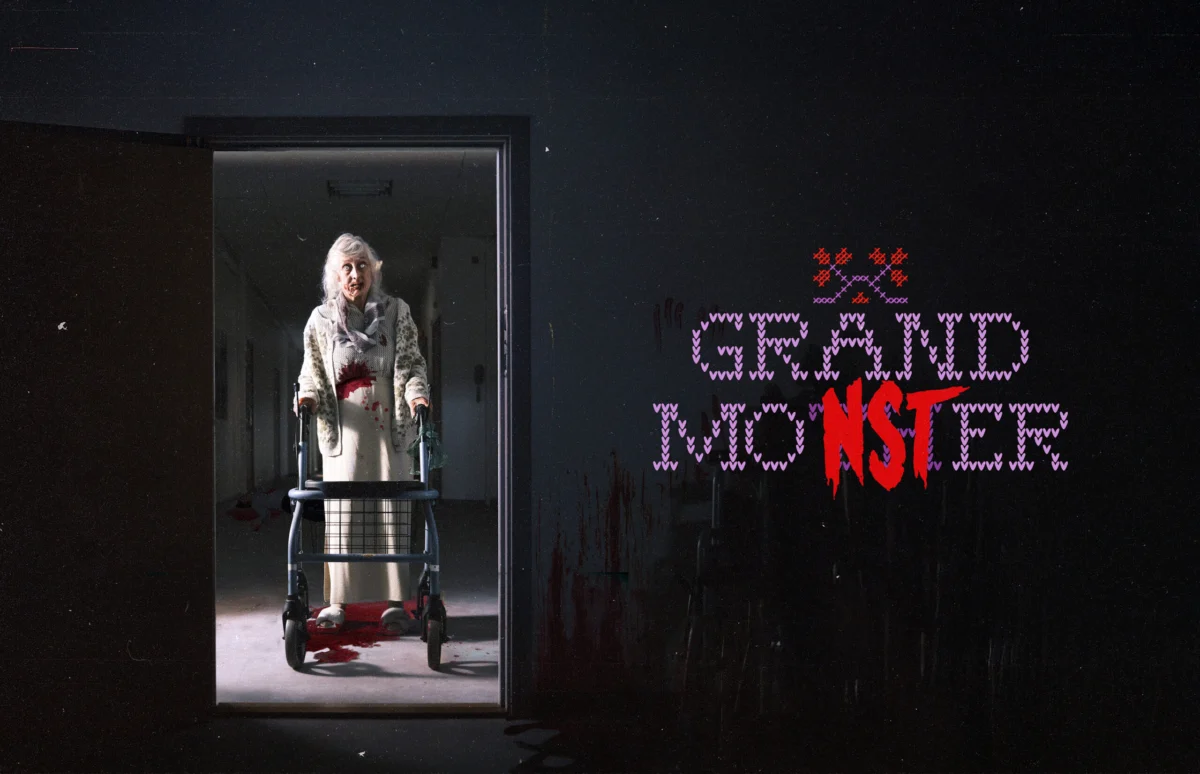
The global landscape of genre cinema received a significant shot in the arm this week as the Fantasia International Film Festival’s prestigious Frontières Co-Production Market concluded its latest edition. With a closing cocktail event on July 25, the industry gathering solidified its reputation as the premier launchpad for boundary-pushing horror, science fiction, and dark comedy projects. Among the standout victors, Norwegian director Vegard Dahle’s zombie comedy Grandmonster captured the top honor, signaling a continued appetite for dark, irreverent storytelling that blends social commentary with visceral thrills.
As 300 delegates from 24 countries converged on Montreal, the market served as a testament to the resilience and creative evolution of the genre film sector. From the debut of Thai supernatural folk horror to Canadian thrillers tackling complex gender dynamics, the winning projects reflect a diverse, globalized industry that is increasingly looking toward international co-production as the primary vehicle for high-concept cinema.
The Main Event: Grandmonster and the Art of the Pitch
The undisputed star of this year’s Frontières market was Grandmonster. During the intense, day-long pitching sessions held on July 22, director Vegard Dahle and producer Jon Vatne arrived in matching sweaters—a sartorial choice that perfectly mirrored the film’s self-deprecating, deadpan aesthetic.
The project, which centers on an American dropout who inadvertently triggers a zombie outbreak within a remote Norwegian nursing home while attempting to save her grandmother from the ravages of dementia, struck a chord with the audience. The pitch was described as both boisterous and hilarious, earning the team the top Outpost Award, which includes a substantial prize of CAD$15,000 (approx. US$10,637) in post-production services.
The success of Grandmonster lies in its ability to marry the terrifying with the tender. By framing a zombie outbreak through the lens of geriatric care and the heartbreak of dementia, Dahle taps into a universal anxiety, packaging it with the kind of dark humor that has become a hallmark of the Nordic genre scene.
A Chronology of the Market: From Pitch to Prizes
The trajectory of the Frontières market this year followed a rigorous schedule designed to maximize networking and creative development.
- July 22: The official pitching event began, where 20 selected titles—ranging from official selections to those in the Genre Lab and Shorts to Features strands—presented their visions to a packed room of buyers, producers, and industry delegates.
- July 23-24: The market transitioned into a series of one-on-one meetings and curated industry seminars. These sessions allowed filmmakers to deepen relationships with potential financiers and distributors, moving beyond the public pitch into the granular reality of co-production agreements.
- July 25: The market concluded with a closing cocktail and the official awards ceremony. This served as the climax of the event, where the juries distributed six major awards to projects that best demonstrated the potential for commercial viability and artistic innovation.
Supporting Data: An International Tapestry of Genre
The diversity of the winners highlights the borderless nature of modern horror. The market featured projects from across the globe, each exploring unique cultural anxieties through the language of genre.
The PurpleDOG Awards
The PurpleDOG honors, which also provide CAD$10,000 in post-production services, were awarded to two projects that push the boundaries of their respective sub-genres:
- Official Selection Winner: Cher, directed by a team representing Thailand. This film marks a significant milestone as the first Thai project to participate in the Frontières market. It explores supernatural folk horror, focusing on a vengeance-seeking forest spirit that rises to defend sacred land against a mining camp.
- GEMS (Gender Equity in Media Society) Winner: Wifey, from Canadian director Cassidy Civiero. This horror-thriller takes an unflinching look at the transition experience, focusing on an independent artist who is forced into a non-consensual marriage. The film utilizes traditional gender norms as a tool for violence, marking it as one of the most socially resonant projects in this year’s lineup.
Outpost Special Mentions
The jury recognized the potential of the "Shorts to Features" category by granting two special mentions, each receiving CAD$5,000 in post-production services:
- Reset (U.S.): Directed by Celine Tien and Jerry Hsu, this sci-fi drama presents a dystopian vision of the future where the elderly are "reset" into children to ensure they remain economically useful. The project, currently screening as a short in Fantasia’s international competition, serves as a poignant critique of late-stage capitalism.
- Sea Spirits (Haiti/U.S.): Directed by Edson Jean, this gothic folk horror story follows a mother haunted by her daughter, who was lost at sea. The film is a study in grief, guilt, and the refusal to let go of the past.
The Sitges Connection
The prestigious Sitges International Fantastic Film Festival Award went to the U.K. project Eternal Valley, directed by Jasmine De Silva. A dark comedy and body horror piece, the film is an expansion of De Silva’s proof-of-concept short Beauty Sleep, which premiered at Fantasia in 2025. The prize grants De Silva a coveted invitation to pitch the project at the Sitges festival this coming October, providing a vital bridge between the North American and European festival circuits.
Official Responses: The Industry Perspective
Frontières executive director Annick Mahnert expressed high levels of satisfaction regarding the quality of the discourse during the event. Speaking to Variety just hours before the final awards were distributed, Mahnert noted that the feedback from attendees regarding the pitch sessions was overwhelmingly positive.
"People have praised not only the exceptional quality of the projects themselves, but also the filmmakers’ pitch presentations," Mahnert said. "Every year, the bar is raised even higher, and I believe that’s why decision-makers return year after year. They trust our curation."
This trust is the lifeblood of the Frontières market. By acting as a filter for high-quality genre content, the organizers provide a degree of confidence to investors who might otherwise be wary of the inherent risks in independent horror and sci-fi.
Implications: The Future of Genre Co-Production
The results of the 2025 Frontières market suggest three major trends for the immediate future of the genre film industry:
1. The Rise of Socially Conscious Horror:
It is no longer enough to provide jump scares. The winning projects—Reset, Wifey, and Grandmonster—all use the framework of horror to explore genuine social and existential crises, including aging, the transition of identity, and environmental exploitation.
2. The Strengthening of Global Networks:
The presence of Thailand’s Cher and the U.K.’s Eternal Valley demonstrates that genre cinema is effectively decentralizing. Producers are no longer looking solely to Hollywood for validation; they are forming regional alliances that span continents, utilizing market events like Frontières to secure the international co-production funding necessary to compete on a global scale.
3. The Importance of "Proof of Concept":
The success of projects like Eternal Valley (based on a short) and Reset (currently competing as a short) underscores a shift in how features are greenlit. Studios and financiers are increasingly demanding tangible proof of a director’s vision, making the short-to-feature pipeline a critical component of the modern development process.
As the delegates head home from Montreal, the impact of these few days will be felt in the coming years as these projects move into production and eventually hit screens worldwide. For the creators of Grandmonster, Cher, and the rest of the winners, the journey has only just begun. The Frontières market has done its job: it has identified the stories that will define the next chapter of genre cinema, proving once again that in the world of independent film, the most terrifying—and most compelling—stories are often the ones that have yet to be told.

 Jia Lissa
 Lina Hope