

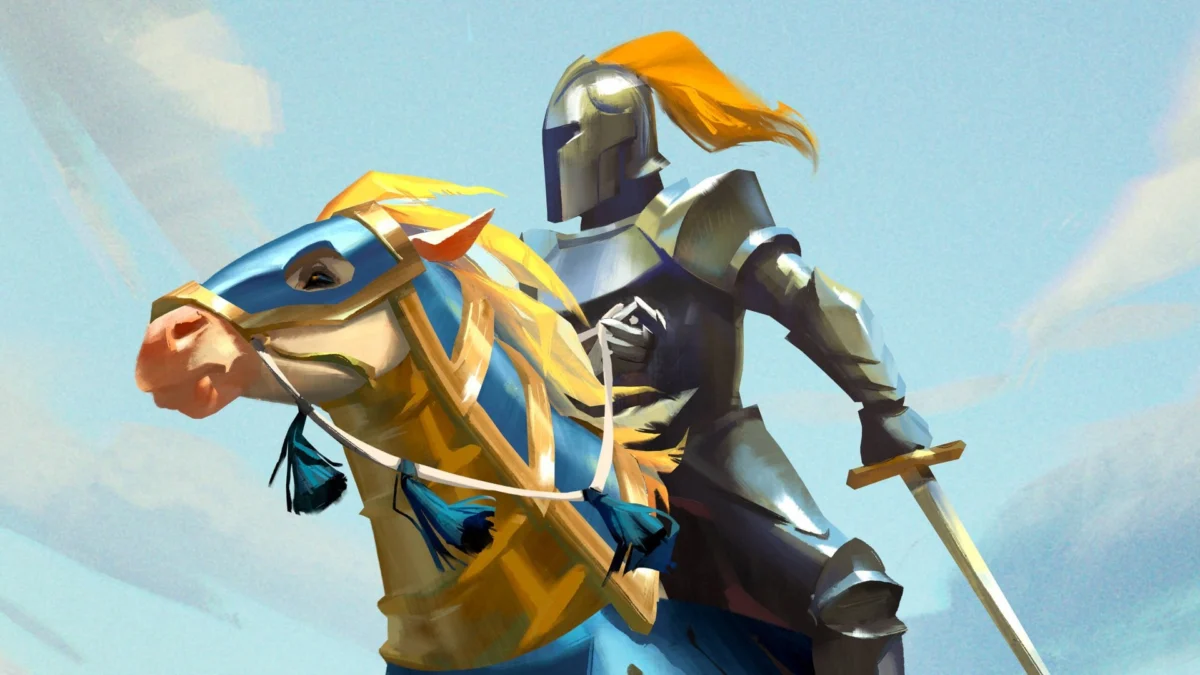
The resurgence of the Heroes of Might and Magic franchise has been one of the most closely watched developments in the strategy RPG landscape. With the early access launch of Heroes of Might and Magic: Olden Era, developer Unfrozen has signaled not just a return to form, but a commitment to expanding the mechanical depth that defined the series’ golden age. While the term "roadmap"—a corporate moniker often critiqued for its sterile, industrial connotations—has been employed to describe the studio’s future plans, the content promised is anything but mundane.
Unfrozen’s vision for the game’s evolution is a sprawling, multi-stage expansion that promises to weave new layers of complexity into the fabric of Enroth. From the introduction of a subterranean netherworld to the implementation of high-stakes competitive modes, the studio is setting the stage for a title that aims to bridge the gap between classic turn-based strategy and modern, persistent RPG design.
The Strategic Vision: Core Pillars of Development
At its heart, Heroes of Might and Magic: Olden Era is a game about resource management, tactical combat, and the slow, deliberate conquest of a fantasy map. The developer’s stated goals for the Early Access period are twofold: to refine the existing "clockwork" of the game’s engine and to introduce significant new content that will satisfy both casual campaign players and the hardcore competitive community.
The development cycle is currently divided into distinct stages, each designed to address specific player feedback while layering in the grander, more ambitious features the team has envisioned since the project’s inception.
Chronology of Expansion: From Co-op to the Netherworld
The development roadmap is structured into four distinct phases, each carrying its own weight in terms of gameplay impact.
Stage 1: Refining the Foundation
Due for release later this year, the first phase focuses on community-driven improvements. Central to this update is the introduction of a co-op team-versus-mode, a highly requested feature that allows players to pool their resources and tactical acumen against AI or human opponents. Furthermore, Unfrozen is expanding the random map generator—a cornerstone of the HOMM experience—to offer deeper customization. Players can expect an overhaul of the emote wheel for better social interaction, alongside a comprehensive rebalancing of hero skills based on the metrics collected since the initial early access launch.
Stage 2: Competitive Integrity and Observer Tools
The second stage pivots toward the competitive scene. Unfrozen plans to implement a more robust matchmaking system, essential for sustaining the game’s longevity as a multiplayer title. Perhaps most notably, this stage will introduce an "Observer Mode." This tool is vital for the growth of any competitive strategy game, allowing players to spectate live matches or review high-level gameplay to study build orders and tactical maneuvers. Complementing these features are deep-dive reworks for Elite classes and alternative creature upgrades, ensuring that the roster of units remains versatile and strategically viable throughout the game’s lifespan.
Stage 3: The Netherworld and The Thieves’ Guild
Stage 3 represents the most significant expansion of the game’s world. Unfrozen is reintroducing the classic "Netherworld"—a subterranean layer that exists simultaneously with the main map. This is not merely a cosmetic addition; it introduces a new dimension of exploration, featuring unique terrain, distinct atmospheric music, and custom map objects.
Alongside the Netherworld, this stage brings a mechanical shift: the Thieves’ Guild. This feature will allow players to gather critical intelligence regarding enemy troop compositions and the strategic layout of the map. With an increased level cap for spells (up to level 5), an "Ironman" mode for the campaign, and the introduction of new tier 8 neutral creatures—including the much-anticipated lich dragons—this stage is designed to challenge veteran players who have already mastered the base game’s systems.
Stage 4: The 1.0 Milestone
The final stage of the current roadmap is the full 1.0 launch. This update will include the second and third acts of the story campaign, providing a definitive conclusion to the narrative arc. Furthermore, the 1.0 release will feature a new PvE roguelike mode, offering infinite replayability for players who prefer the challenge of procedural generation over standard map structures.
Supporting Data: Understanding the Impact of New Features
To understand why these additions are significant, one must look at the mechanical history of the series. The introduction of a subterranean map level is a callback to the series’ most beloved entries. In HOMM III, the subterranean layer forced players to reconsider their expansion strategies; holding the surface was not enough if one neglected the riches and threats lurking beneath the soil.
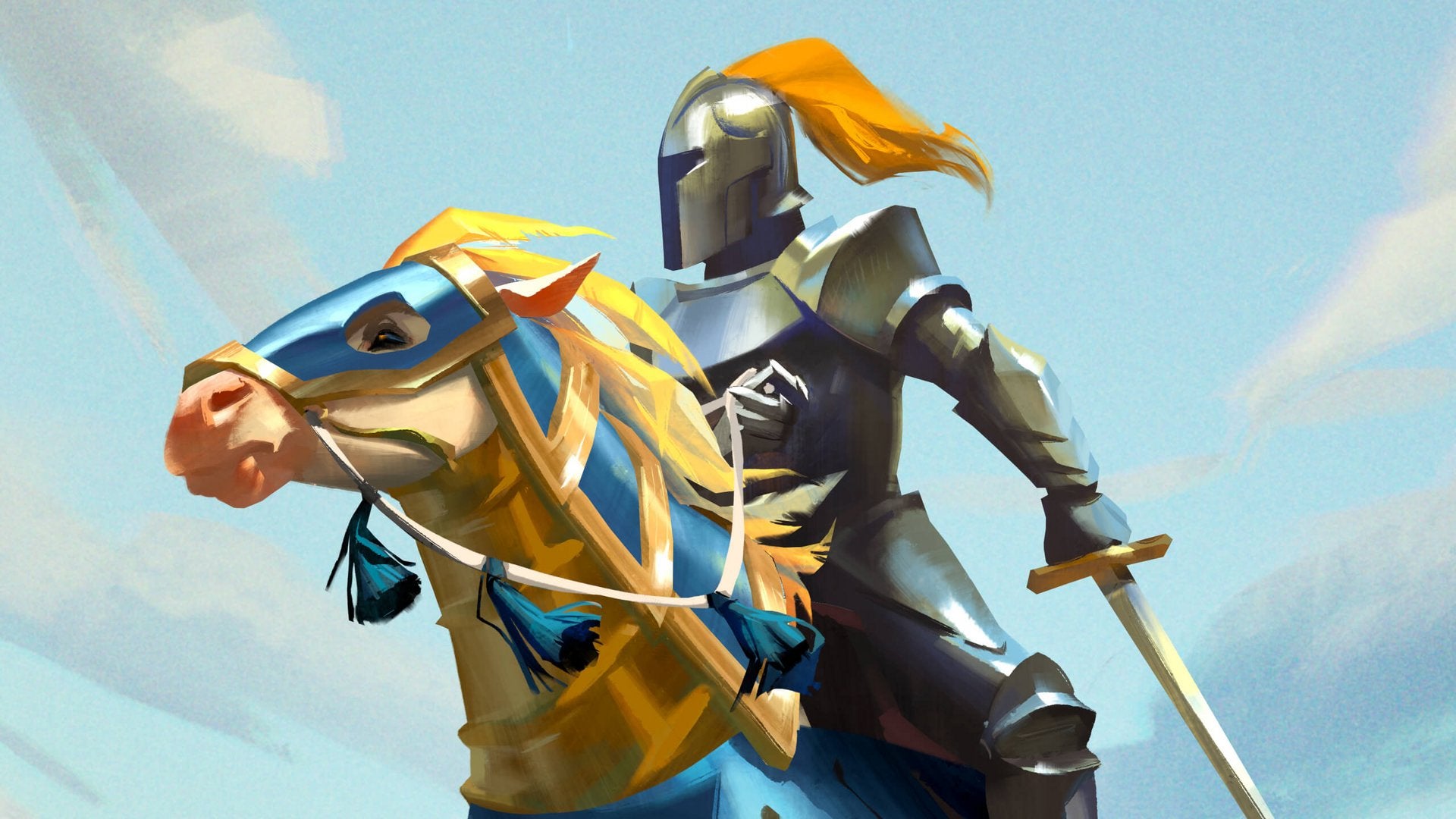
Furthermore, the addition of "Tier 8" neutral creatures represents a significant power creep that will fundamentally change the "late game" experience. Historically, the endgame of a HOMM match often devolved into a race to reach the most powerful Tier 7 units. By introducing Tier 8 monsters, Unfrozen is extending the progression curve, ensuring that the final battles of a match remain as tense and high-stakes as the opening turns.
The move toward an Ironman mode for the campaign is another signal of the studio’s intent to cater to the "hardcore" strategy demographic. By removing the safety net of save-scumming, the developers are forcing players to engage with the game’s systemic risks—the loss of a hero or a crucial army is no longer a temporary setback, but a permanent consequence.
Official Responses and Developer Philosophy
Unfrozen has maintained a transparent dialogue with its player base through various developer blogs and community forums. In response to questions regarding the complexity of the new systems, the studio has emphasized that Olden Era is designed to be "approachable, but not shallow."
When discussing the roadmap, the developers have noted: "Our goal is not to reinvent the wheel, but to polish the spokes." This philosophy is evident in their focus on the random map generator and the emote wheel—small, quality-of-life adjustments that significantly enhance the user experience. By prioritizing feedback, the studio aims to foster a loyal community that feels invested in the game’s growth, rather than merely consuming content as it is released.
Implications: A New Era for Strategy RPGs
The implications of this roadmap are profound. For a genre that has been historically dominated by a few titanic franchises, Heroes of Might and Magic: Olden Era is positioning itself as a modern successor that respects its lineage while embracing contemporary design standards.
The Competitive Landscape
With the introduction of robust matchmaking and observer modes, the game is clearly eyeing the esports potential inherent in turn-based strategy. If the balance of the hero skills and creature tiers is handled correctly, Olden Era could establish itself as a mainstay in the competitive strategy circuit.
The Role of Narrative
By splitting the campaign into three acts and adding roguelike elements, Unfrozen is acknowledging that strategy players often desire more than just a skirmish mode. The narrative, if executed with the depth of the game’s mechanics, could provide a much-needed emotional hook to the world-building, transforming the game from a collection of battles into a cohesive saga.
Technical and Mechanical Longevity
The promise of "evolving art" for city models on the global map is a subtle but important detail. It provides immediate visual feedback to the player, allowing them to see their progress at a glance. This type of visual reinforcement is vital in long-form strategy games, where the player may spend dozens of hours in a single session.
Conclusion: Looking Ahead
The roadmap for Heroes of Might and Magic: Olden Era is, despite the sterile nature of the word, a blueprint for a complex and engaging future. By balancing the addition of new content—such as the netherworld and powerful tier 8 creatures—with essential quality-of-life improvements, Unfrozen is demonstrating a mature understanding of their target audience.
As the studio continues to iterate on the clockwork of their fantasy world, the success of the project will ultimately depend on the execution of these updates. If the developers can successfully integrate these features without compromising the balance that makes the core game so compelling, Olden Era may well be remembered as the title that revitalized the classic turn-based strategy genre for a new generation.
For now, the community watches with anticipation. Whether you are a veteran of the original titles or a newcomer drawn in by the allure of lich dragons and subterranean empires, the coming months promise a wealth of strategic depth. The map is being drawn, the pieces are being placed, and the age of the old world is, quite literally, evolving into a new one.











No comments yet. Be the first to join the conversation!