Sagoh
Sagoh
In the hyper-competitive landscape of global fast-food marketing, nostalgia has become the primary currency. From retro packaging redesigns to the resurrection of defunct menu items, global brands are locked in a perpetual cycle of chasing the "good old days" to capture consumer attention. However, this trend has recently faced criticism for feeling derivative and weary. Enter Burger King France and its creative agency, Buzzman, who have opted to bypass subtle nostalgia in favor of a bold, provocative, and self-aware campaign titled "Boomer King."
By leaning into the comedic tropes associated with aging—from physical ailments to outdated cultural references—Burger King has managed to create a marketing campaign that is as polarizing as it is effective. It is a rare instance of a corporate giant turning the "OK Boomer" cultural phenomenon on its head, proving that when a brand commits to the bit, it can transform exhaustion into genuine engagement.
The Core Concept: Embracing the "Boomer" Aesthetic
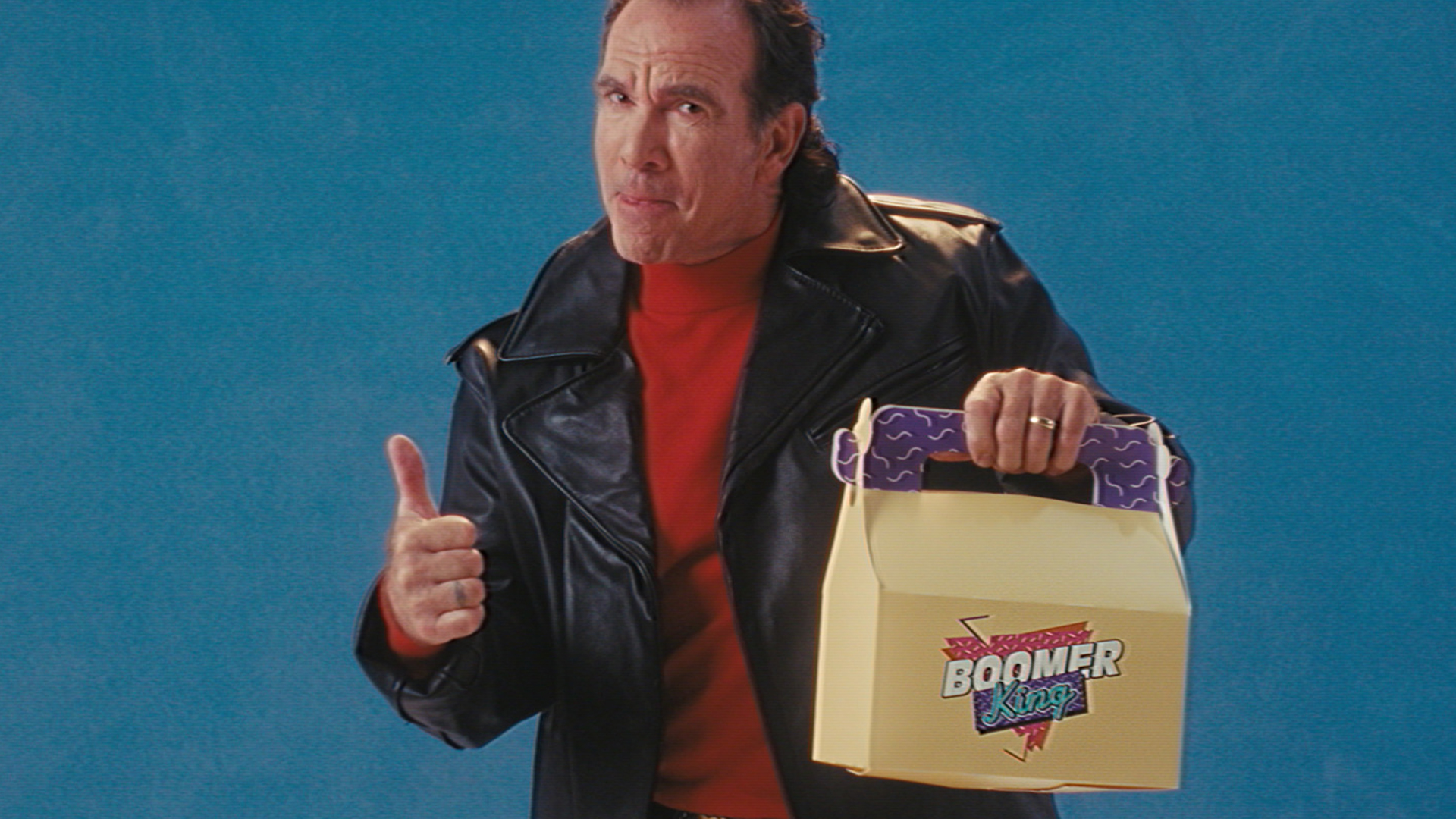
The "Boomer King" campaign is not merely a collection of deals; it is a full-scale cultural interrogation of what it means to grow up. The campaign targets the generational divide with a wry smile, offering a collection of exclusive merchandise and a menu experience that functions as a time capsule for the 1980s and 1990s.
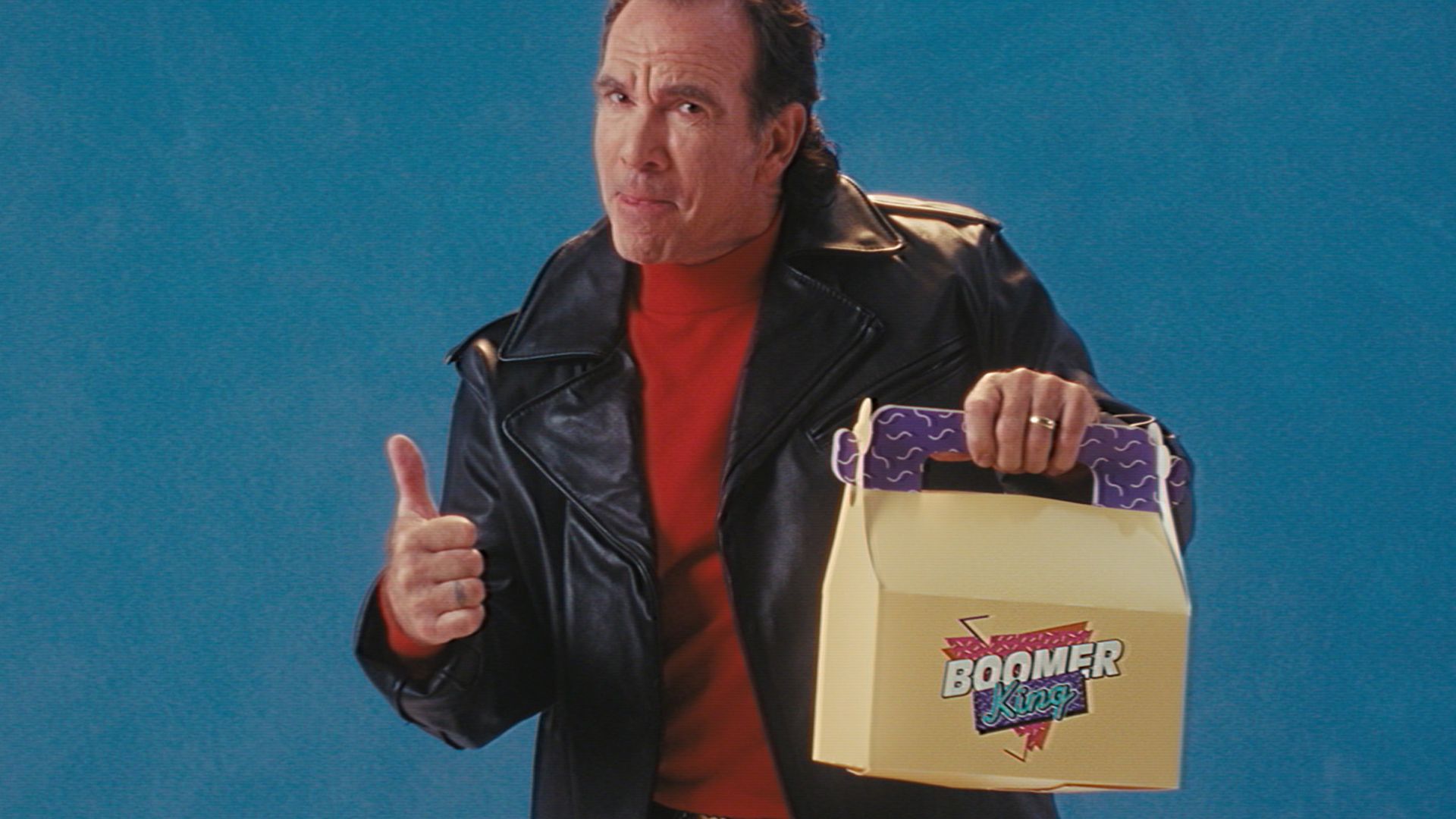
The campaign’s central creative hook centers on a series of advertisements that highlight the realities of the aging demographic. The visuals are unapologetic: they feature characters dealing with thinning hairlines, the onset of back pain, and the comedic tragedy of a toupee flying off in the wind. Rather than painting a picture of "cool" retro vibes, the campaign chooses to highlight the physical inconveniences of maturity, effectively bridging the gap between the brand’s aging customer base and its younger, digitally native audience.
A Chronology of the "Boomer King" Rollout
The rollout of the campaign was meticulously structured to maximize social media buzz and in-store foot traffic.
- Initial Tease: The campaign began with a series of cryptic social media posts on Burger King France’s channels, featuring imagery that mimicked 1990s broadcast television aesthetics.
- The Launch: The official video spot, created by Buzzman, was released across major digital platforms. The ad, which gained viral traction almost immediately, utilized high-energy, slapstick humor to introduce the concept of the "Boomer King."
- Menu & Merchandise Integration: Following the video release, Burger King stores across France began offering limited-edition merchandise alongside specific menu bundles. These items, ranging from Saved by the Bell socks to Knight Rider t-shirts and Charmed branded mugs, created a physical connection to the digital campaign.
- The "Canada Dry" Revival: In a strategic move to cement the retro theme, the campaign also highlighted the return of Canada Dry, a classic soda that serves as a nostalgic anchor for many consumers in the target demographic.
Marketing Strategy: Why "Boomer" Works
The decision to label the campaign "Boomer King" is a calculated risk. In the parlance of modern internet culture, the term "Boomer" is often used dismissively to describe someone out of touch with contemporary trends. By reclaiming this label, Burger King achieves several strategic goals:
1. Disruptive Self-Awareness
Most brands attempt to stay "hip" by chasing Gen Z trends. Burger King, conversely, has leaned into the fact that its brand heritage is inherently linked to an older generation. By acknowledging this, the brand avoids the "fellow kids" pitfall, where a corporation tries too hard to seem young and fails.
2. High-Value Exclusivity
The inclusion of licensed merchandise—items like Beverly Hills, 90210 glassware—transforms a standard meal purchase into a collector’s event. This "scarcity marketing" drives repeat visits, as customers are incentivized to return to collect the full set of retro-themed goods.
3. The Power of "Cringe"
Humor is a subjective metric, but "cringe" is a powerful engagement tool. By intentionally featuring "cringe-worthy" elements like flying wigs and back-pain jokes, the brand invites the audience to laugh with the absurdity of the situation. This creates a shared cultural moment that transcends the transaction of buying a burger.
Supporting Data and Industry Context
The effectiveness of the "Boomer King" campaign is rooted in recent market data regarding the spending power of older generations. While Gen Z and Millennials dominate the conversation, the 45-65+ demographic remains a powerhouse in the fast-food sector.
According to industry reports, consumers in this age bracket are increasingly looking for "comfort consumption"—brands that align with their formative years. Burger King’s strategy recognizes that these consumers have higher disposable income and are more likely to respond to nostalgia-driven campaigns than to experimental, tech-heavy marketing.
Furthermore, the "Boomer King" campaign arrives at a time when Burger King’s global brand identity is undergoing a massive shift. Since their 2021 rebrand, which saw the company return to a minimalist, 1970s-inspired logo, the brand has been consistently moving toward a "retro-modern" aesthetic. The "Boomer King" campaign is the logical extension of this design philosophy into the realm of content and lifestyle marketing.
Official Responses and Creative Direction
Buzzman, the agency behind the campaign, has noted that the project was designed to be "refreshingly self-aware." In a statement, the agency emphasized that the goal was to avoid the "glossy" nature of traditional advertising.
"We didn’t want to sell a polished version of the past," a spokesperson for the creative team indicated. "We wanted to acknowledge that the past comes with aches, pains, and a lot of very specific, very funny baggage."
For Burger King, this collaboration represents a continuation of their long-standing partnership with Buzzman, known for creating some of the most daring and provocative ads in the European fast-food market. The campaign is a testament to the brand’s willingness to grant creative agencies the freedom to push boundaries, even at the risk of polarizing the audience.
The Broader Implications for Brand Marketing
The success of "Boomer King" offers several lessons for the future of brand advertising:
The Death of "Cool"
Brands are beginning to realize that being "cool" is unattainable. Being "interesting" is the new benchmark for success. Burger King has prioritized being interesting—even if that means being a little bit silly or "cringe"—over maintaining a pristine, corporate image.
Intergenerational Dialogue
The campaign effectively forces an intergenerational conversation. Younger consumers are finding the kitsch factor of 90s television appealing, while older consumers are finding the recognition of their own aging process validating. This dual-pronged appeal is difficult to execute, yet it is a blueprint for brands looking to maintain relevance across age divides.
Authenticity in Rebranding
Burger King’s ongoing transition proves that a successful rebrand is not just about changing a logo; it is about changing the voice of the brand. By tying their visual identity to their marketing campaigns, they have built a cohesive ecosystem that feels authentic, even when it is being intentionally ironic.
Conclusion: A Crown for Every Generation
As the "Boomer King" campaign continues to circulate, it serves as a reminder that the most effective marketing often lies at the intersection of vulnerability and confidence. By mocking itself and its older customers in a way that feels affectionate rather than mean-spirited, Burger King has secured a position of cultural relevance that most competitors struggle to achieve.
Whether you find the campaign to be a brilliant piece of satire or a bizarre display of corporate self-mockery, the numbers suggest it is working. The engagement levels, the viral nature of the ad spots, and the sold-out status of the merchandise prove that nostalgia, when executed with a sharp sense of humor and a dash of self-deprecation, remains one of the most potent tools in the marketing arsenal.
Ultimately, Burger King has shown that it is not afraid to age. And in an industry that is obsessed with youth, that might just be the most modern move of all. As the brand continues to evolve, one thing remains clear: they are more than comfortable wearing the crown, whether it’s on a teenager’s head or someone’s thinning hair.



 Lina Irawan