Asep Darmawan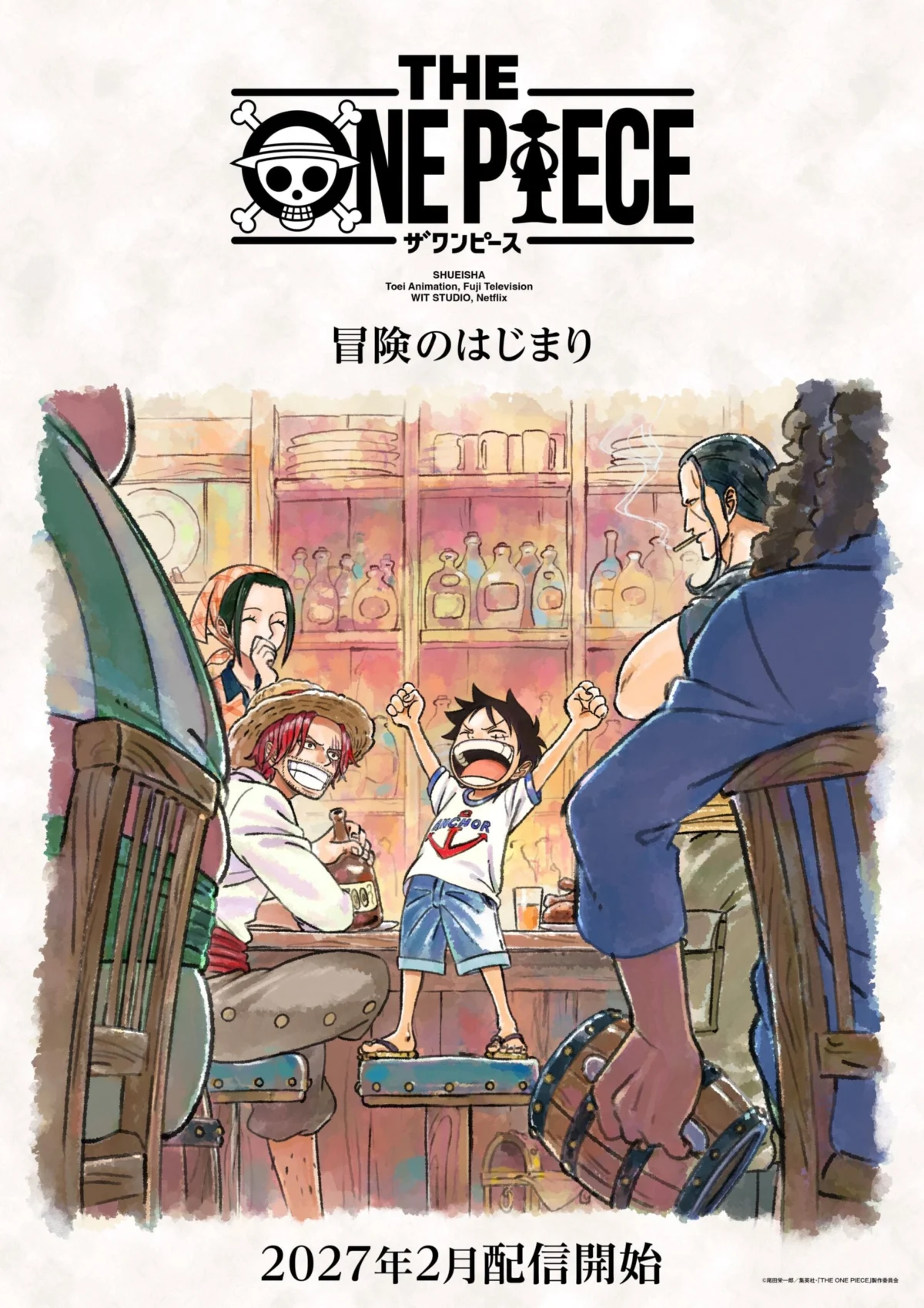
The global phenomenon that is One Piece is currently undergoing a period of unprecedented expansion. While Eiichiro Oda’s original manga enters the high-stakes conflicts of the Elbaf arc and Toei Animation’s long-running anime continues its weekly dominance, a third pillar of the franchise is beginning to take shape. Netflix and Wit Studio have finally broken their silence regarding The One Piece, a ground-up reimagining of the legendary pirate odyssey.
Confirmed for a February 2027 release, this reboot aims to modernize the sprawling epic for a new generation while offering long-time fans a high-fidelity, streamlined version of the story that started it all. By bringing together the cinematic pedigree of Wit Studio—the house that built the early seasons of Attack on Titan—and the global reach of Netflix, The One Piece represents a strategic pivot in how long-form shonen narratives are consumed in the streaming era.
Main Facts: The Creative Powerhouse Behind the Reboot
The announcement of The One Piece was not merely a declaration of a new project but a showcase of an industry "dream team." Produced through a massive collaboration between Wit Studio, Shueisha, Fuji Television Network, and Toei Animation, the project is designed to coexist with, rather than replace, the ongoing weekly anime.
The Directorial Vision
Leading the project is Director Masashi Koizuka, whose work on Attack on Titan earned him international acclaim for his ability to blend visceral action with emotional character beats. Koizuka is joined by scriptwriter Taku Kishimoto, known for his sharp, propulsive writing on hits like Haikyu!! and the upcoming Sakamoto Days. This pairing suggests a focus on kinetic energy and a tighter narrative structure, addressing one of the most common critiques of the original long-running series: its pacing.
Aesthetic and Design
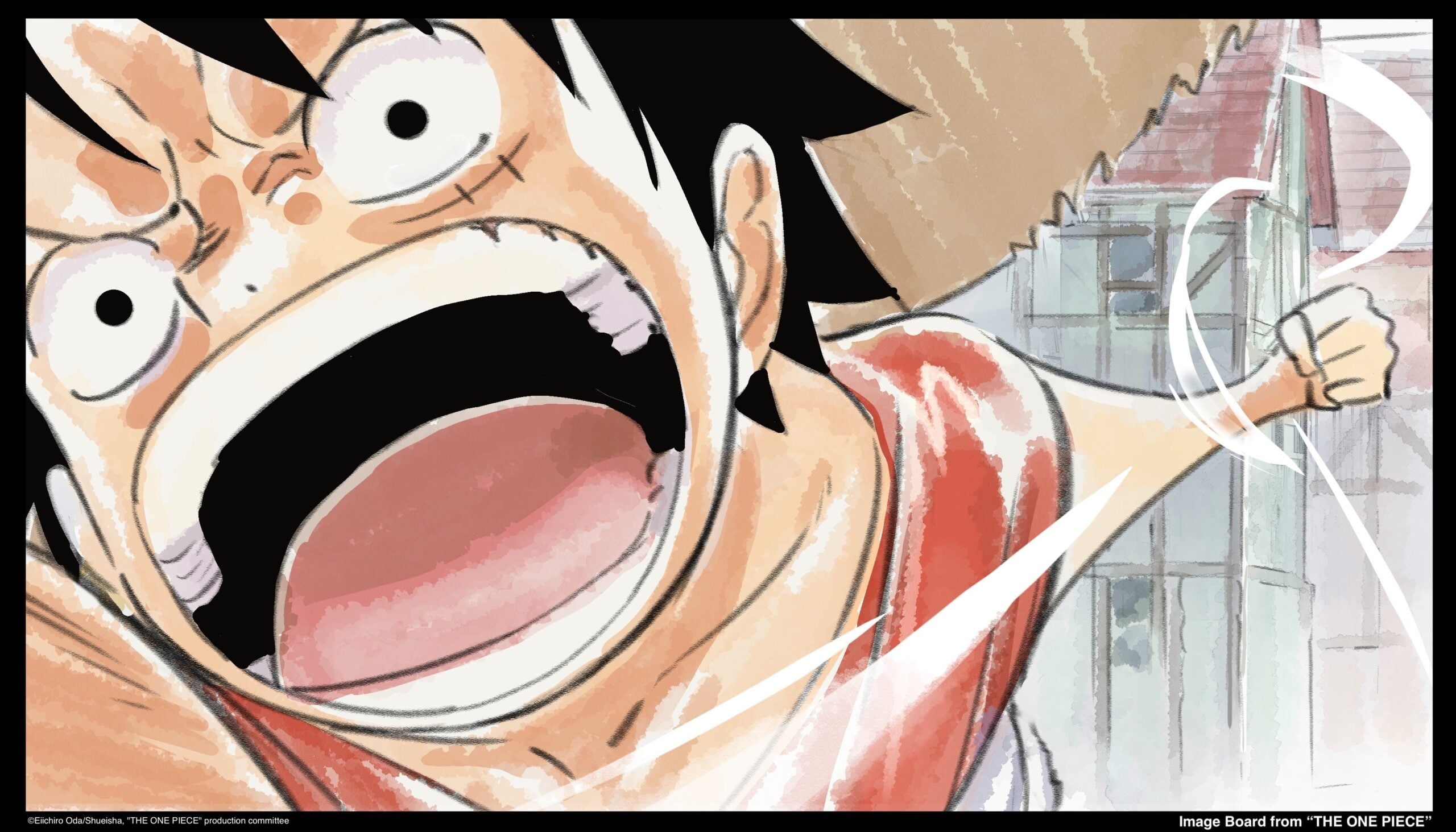
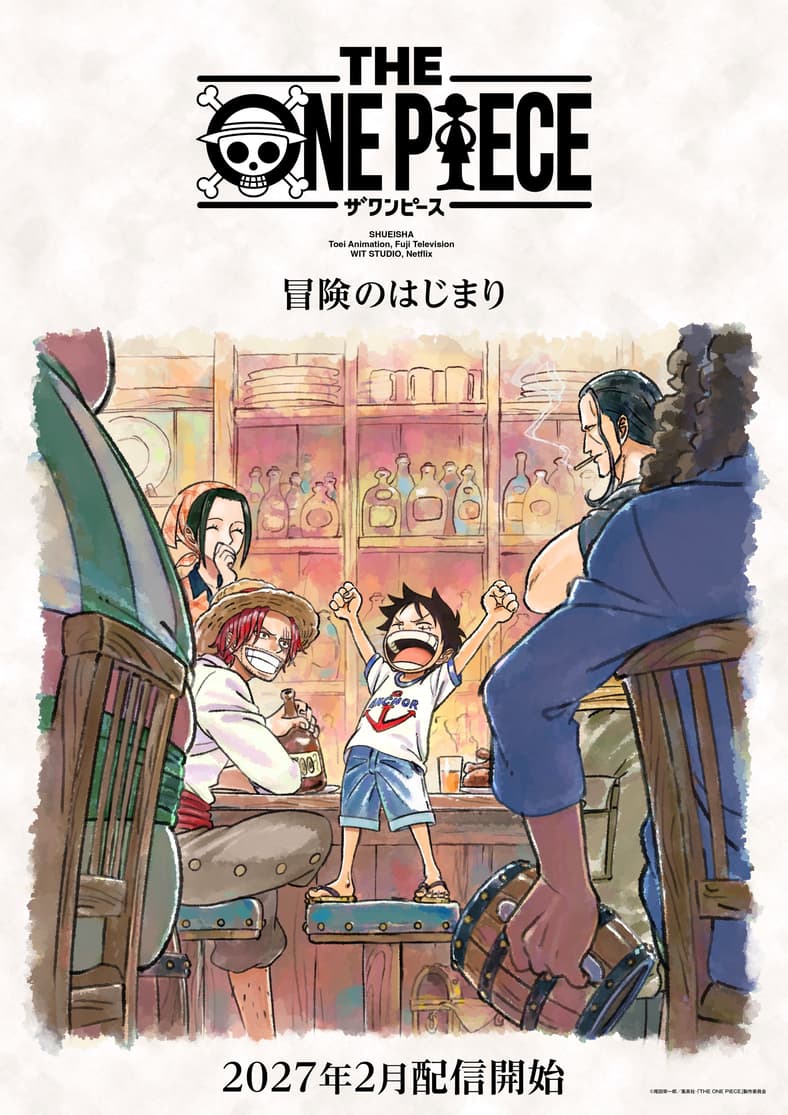
To capture the iconic look of Oda’s early work while elevating it with modern techniques, the production has enlisted Kyoji Asano (Attack on Titan) and Takatoshi Honda (The First Slam Dunk) as chief animation directors and character designers. The initial concept art released by the studio reveals a vibrant, lush color palette and a character aesthetic that leans into the whimsical yet rugged nature of the East Blue Saga. The goal is to provide a visual experience that feels like a feature film spread across a serialized format.
Chronology: From Jump Festa to the 2027 Horizon
The journey of The One Piece has been one of calculated mystery. The project was first unveiled to a stunned audience at Jump Festa 2024, a major annual event for Shueisha’s Weekly Shonen Jump. At the time, the announcement was light on specifics, framed primarily as a celebration of the series’ 25th anniversary.
Following that initial reveal, the project entered a period of "radio silence" that lasted nearly two years. This gap led to intense speculation among the "Nakama" (the One Piece fanbase) regarding the scope and style of the reboot. The silence was finally broken on May 5th—a date significant to fans as the birthday of the protagonist, Monkey D. Luffy.
On this date, Netflix and Wit Studio provided the most substantial update to date, confirming the production staff, the specific story arc for the first season, and the ambitious release window of February 2027. This timeline indicates a lengthy production cycle, suggesting that Wit Studio is prioritizing quality and pre-production polish over a rushed release.
Supporting Data: Pacing, Runtime, and Adaptation Scope
One of the most significant pieces of data released by Netflix’s news platform, Tudum, concerns the structure of the inaugural season. The One Piece Season 1 will consist of seven episodes with a total runtime of approximately 300 minutes (5 hours).
The "East Blue" Condensed
This first season is set to adapt the first 50 chapters of Oda’s manga, covering the East Blue Saga. This includes:
- Romance Dawn: Luffy’s origin and his encounter with "Red-Haired" Shanks.
- Orange Town: The confrontation with Buggy the Clown.
- Syrup Village: The recruitment of Usopp and the battle against Captain Kuro.
- Baratie: The introduction of Sanji and the high-stakes battle against Don Krieg.
A Comparative Analysis of Pacing
To understand the magnitude of this shift, one must look at the original 1999 Toei Animation adaptation. In the original series, these same 50 chapters were adapted into roughly 30 episodes. By condensing this material into 300 minutes, Wit Studio is effectively doubling the narrative density.
This "seasonal" approach—averaging about seven manga chapters per episode—aligns with modern anime standards seen in shows like Jujutsu Kaisen or Demon Slayer. It allows for the removal of "filler" content and the "padded" scenes often necessary for weekly broadcasts to avoid catching up to the manga. For many viewers, this represents the "definitive" way to experience the story’s beginning without the slow-burn pacing of the late 90s.
Official Responses: Addressing Fan Expectations
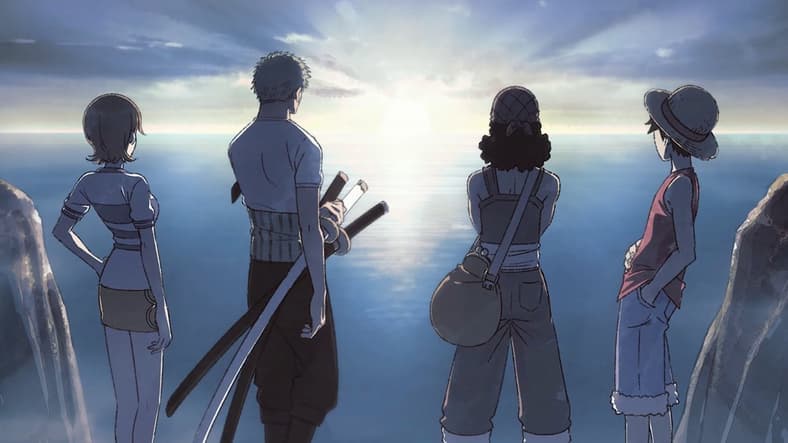
The lack of a traditional trailer has been a point of contention for some fans. In an industry where "teaser trailers" often appear years before release, the reliance on concept art has created a sense of cautious anticipation.
Tetsuya Nakatake’s Assurance
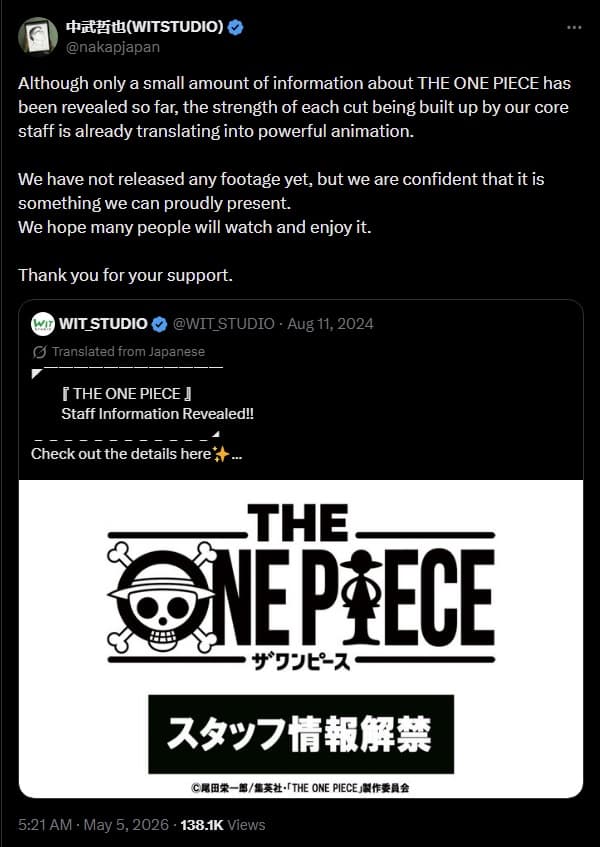
Addressing these concerns, Wit Studio Co-Founder Tetsuya Nakatake took to social media to provide context for the production’s current status. In a translated statement, Nakatake emphasized that the "invisible" work currently being done is where the true value of the reboot lies.
"Although only a small amount of information about The One Piece has been revealed so far, the effort our core team has poured into polishing every single scene has already transformed into incredibly powerful animation quality," Nakatake stated. He further expressed confidence that the final product would be something the studio could "proudly present to everyone," asking fans for their continued patience as they refine the visual language of the series.
This sentiment echoes the philosophy of Wit Studio, which has historically preferred to delay projects rather than compromise on the fluidity and detail of their animation.
Implications: The Multi-Media Future of One Piece
The existence of The One Piece carries heavy implications for the anime industry and the legacy of the franchise. It marks a rare instance where a series receives a high-budget reboot while the original adaptation is still actively airing.
Accessibility for a New Generation
For Netflix, the reboot is a vital entry point. With the original anime surpassing 1,100 episodes, the "barrier to entry" for new viewers is massive. A sleek, modern, seven-episode first season serves as a perfect "on-ramp" for audiences who discovered the franchise through the successful 2023 live-action series. It allows Netflix to own a version of the One Piece IP that is purpose-built for streaming and binge-watching.
Coexistence with Toei Animation
The relationship between Wit’s reboot and Toei’s original series is symbiotic rather than competitive. Toei remains the home of the "current" story, capturing the zeitgeist of the manga’s climax. Meanwhile, Wit’s version serves as a "prestige" retrospective. This multi-track approach ensures that One Piece remains dominant across all formats—manga, weekly anime, live-action, and now, seasonal "prestige" anime.
The Shift to Seasonal Models
The move to a seasonal format for The One Piece reflects a broader industry trend. High-end animation is increasingly moving away from the "infinite" weekly model in favor of shorter, high-impact seasons. This model allows for better working conditions for animators and higher consistency in art quality, which has become the baseline expectation for global audiences on platforms like Netflix and Crunchyroll.
As February 2027 approaches, the anticipation for The One Piece will likely reach a fever pitch. By revisiting the humble beginnings of a boy in a straw hat with the technological tools of the future, Wit Studio is not just remaking a show; they are attempting to immortalize a legend for the next fifty years of pop culture. For the fans waiting at the docks, the message from Wit is clear: the wait will be worth the journey.

 Muslim
 Lina Irawan