Siti Muinah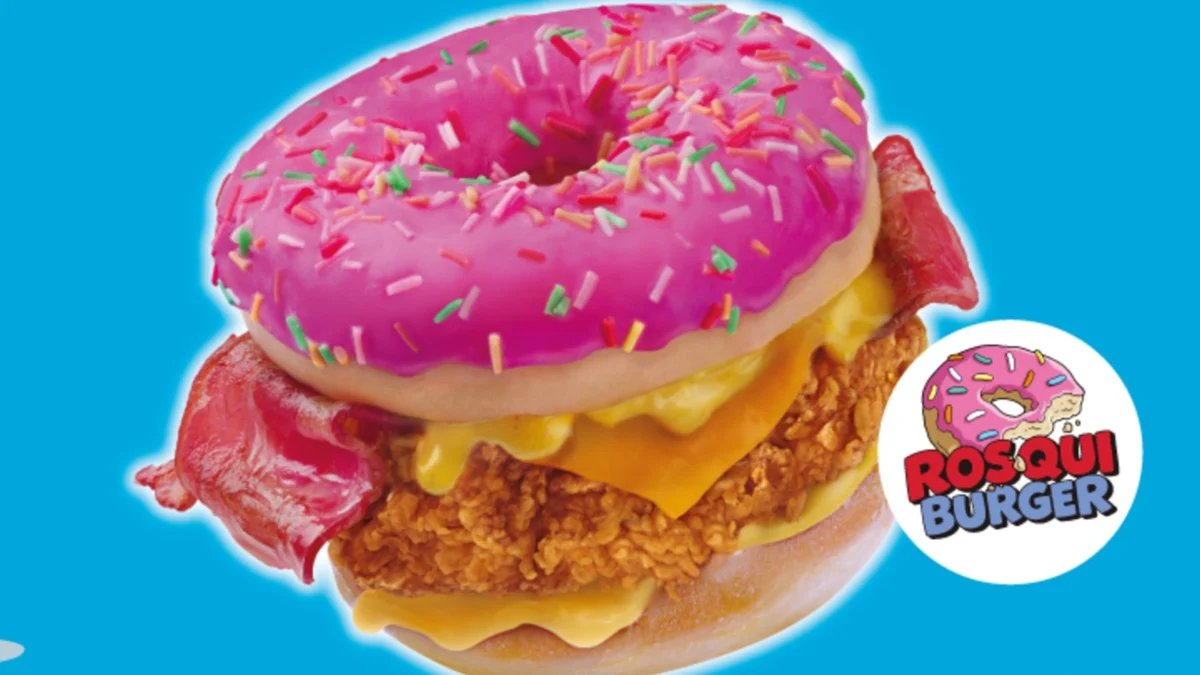
In an unprecedented fusion of pop culture and fast-food innovation, KFC has officially launched a limited-time Simpsons-themed menu. The collaboration, currently exclusive to the Iberian Peninsula, marks a bold strategic pivot for the fried chicken giant, transforming its Spanish and Portuguese outlets into gateways to Springfield. By weaving iconic visual gags and culinary lore from the world’s longest-running animated sitcom into its physical menu, KFC is betting on the deep-seated nostalgia of Gen X, Millennials, and Gen Z alike.
The Main Facts: A Menu Built on Iconic Lore
The centerpiece of this collaboration is the "Rosquiburger," an item that defies conventional fast-food tropes. It features KFC’s signature fried chicken, crispy bacon, and melted cheese, all sandwiched between two glazed pink donuts. This indulgence is a direct nod to Homer Simpson’s insatiable appetite for his favorite treat.
Beyond the burger, the menu serves as a love letter to deep-cut Simpsons references. The "Chillibites of Madness" are a spicy homage to the surreal "El Viaje Misterioso de Nuestro Jomer" episode, where Homer experiences a psychedelic fever dream after consuming a Guatemalan insanity pepper. Furthermore, the brand has introduced a frozen blueberry beverage that serves as a real-world recreation of the Kwik-E-Mart’s legendary Squishee. Even the smallest details have been addressed; in a move that fans of the show will immediately recognize, the restaurant’s standard ketchup sachets have been rebranded as "Catsup," a clever nod to the classic episode where Homer is baffled by the two different labels at the grocery store.
Rounding out the offering is an array of physical collectibles that act as "easter eggs" for die-hard fans. These include replicas of Homer’s glowing plutonium fuel rod, the infamous "Bort" license plate, and the kitschy Mr. Sparkle detergent box. These items are available as part of a curated "Box Meal" bundle, which combines the Rosquiburger, a side, a drink, a portion of Chillibites, and a randomized collectible.
Chronology of the Collaboration: A Global Strategy
The rollout of the Simpsons campaign is the latest in a series of high-profile pop-culture activations for KFC. The timeline of these events suggests a deliberate move by the corporation to leverage global intellectual property (IP) to drive store traffic and social media engagement.
- Early July 2026: KFC begins teasing "Springfield-inspired" imagery on its Iberian social media channels, utilizing the show’s distinct yellow aesthetic.
- Late July 2026: The official launch takes place across Spain and Portugal. The campaign is accompanied by a dedicated microsite where fans can track available merchandise.
- The Preceding Week: Just days before the Simpsons reveal, KFC made waves in the Asian market by launching a massive Neon Genesis Evangelion collaboration in Hong Kong. This included a signature "purple burger" and thematic desserts, demonstrating a rapid-fire succession of anime and animation-based marketing campaigns.
The shift from the avant-garde aesthetic of Evangelion to the mainstream, comfort-centric vibe of The Simpsons highlights KFC’s versatility in appealing to diverse demographics across global markets.
Supporting Data: Why "Eat-tainment" Works
KFC’s decision to pursue these crossovers is not merely a creative whim; it is a data-driven response to the "eat-tainment" phenomenon. Market analysts note that "experience-led" fast food consumption has seen a 15% uptick in engagement among the 18–35 demographic over the last three years. By tying a meal to a cultural icon, brands like KFC are effectively bypassing traditional advertising fatigue.
According to retail analytics, the "collectible" element is the primary driver of repeat business. In the case of the Simpsons promotion, the inclusion of items like the "Bort" license plate creates a "set-completion" behavior. Customers are statistically more likely to return to a restaurant if they believe they can acquire a specific item to complete a collection. This transforms a simple lunch trip into a gamified experience.
Furthermore, the "Catsup" rebranding is a masterclass in low-cost, high-impact marketing. By simply altering the text on a packaging component already present in the supply chain, KFC generates viral social media content at a fraction of the cost of a traditional television commercial.

Official Responses and Corporate Silence
As of this writing, KFC’s corporate communications department has remained tight-lipped regarding the long-term viability of the campaign. The official campaign page in Portugal offers no specific end date for the promotion, stating only that supplies are limited. This scarcity strategy—often referred to as "FOMO marketing"—is designed to create immediate urgency, prompting customers to visit stores sooner rather than later.
When asked for comment regarding a potential expansion of the Simpsons menu to North American or UK markets, a KFC representative noted: "We are always exploring ways to bring unique, localized experiences to our customers. While the current Simpsons menu is specific to the Iberian market, we are constantly evaluating the success of our global partnerships to determine future regional activations."
This non-committal response is standard for global conglomerates, but it leaves the door open for a broader rollout should the sales data in Spain and Portugal exceed internal KPIs (Key Performance Indicators).
Implications for the Fast Food Industry
The Simpsons x KFC partnership signals a significant shift in the fast-food industry’s relationship with entertainment media. Historically, these collaborations were limited to children’s toys in "value meals." Today, the focus has shifted to "adult-targeted nostalgia."
The Rise of Adult-Centric Nostalgia
The Simpsons has been on the air for over 35 years. The audience that grew up watching the show now holds the purchasing power. By catering to this specific demographic, KFC is tapping into an emotional reservoir that transcends the food itself. The Rosquiburger is not just a high-calorie meal; it is a piece of living history for fans who have watched Homer struggle with his diet for decades.
The Globalization of Niche Marketing
Previously, a franchise like The Simpsons would have commanded a global, simultaneous launch. By confining this to Spain and Portugal, KFC is engaging in "hyper-localization." This allows the company to test the appetite for such a radical menu change in smaller, more manageable markets before committing to a larger, more expensive supply chain overhaul in regions like the United States.
The Risk of Brand Dilution
However, such collaborations are not without risk. Critics argue that relying too heavily on external IP can dilute the core identity of the restaurant. If a customer visits KFC expecting a traditional fried chicken experience, they may find the "theming" intrusive. Furthermore, the caloric profile of items like the Rosquiburger has already sparked discourse among health advocacy groups, who argue that major chains should be focusing on nutritional transparency rather than promotional gimmicks.
Conclusion: A Culinary Crossroads
Whether this campaign serves as a blueprint for the future of KFC or as a fleeting, experimental blip remains to be seen. What is clear is that the brand is no longer content with being a simple purveyor of fried chicken. By positioning itself as a cultural curator, KFC is successfully embedding itself into the social fabric of its consumers.
For now, residents of Spain and Portugal have the exclusive opportunity to dine like citizens of Springfield. For the rest of the world, the success of this campaign will likely serve as the litmus test for whether we will soon see a "Kwik-E-Mart" pop-up in our own local drive-thrus. As the lines between media consumption and physical consumption continue to blur, one thing is certain: the world of marketing has become a lot more "insane" in the best way possible—perhaps as insane as a Guatemalan pepper, but certainly much tastier.

 Lina Hope
 Nana Muazin