Laily UPN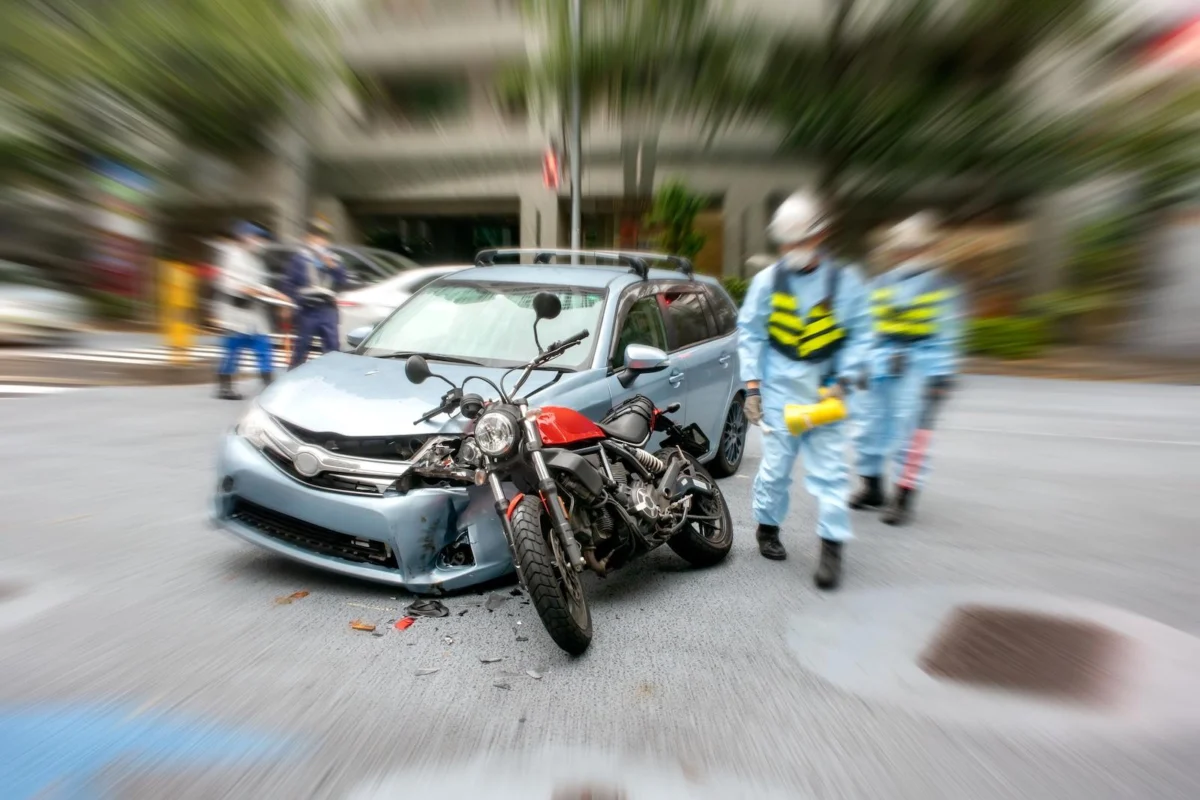
OSAKA – A tragic incident on the Hanshin Expressway in the early hours of Sunday morning has claimed the life of a 53-year-old motorcyclist, sparking renewed public outcry regarding road safety and the persistent issue of driving under the influence in Japan.
Local authorities have apprehended a 22-year-old man following a high-speed collision that left a father and employee dead on the scene. The incident, which occurred on the bustling Hanshin Expressway Loop Line in Osaka’s Chuo Ward, has been classified by police as a case of gross negligence compounded by criminal intoxication.
The Incident: A Life Cut Short
At approximately 12:30 a.m. on Sunday, the quiet of the night was shattered by a violent collision on the Hanshin Expressway. Emergency services were alerted to the scene after receiving an urgent call from a passerby reporting that a man and his motorcycle were lying motionless on the roadway.
The victim was identified as 53-year-old Masaaki Ushida, a resident of Kawachinagano City in Osaka Prefecture. According to reports from the scene, Ushida was traveling on his motorcycle when he was struck from behind by a passenger vehicle. The force of the impact was substantial, resulting in Ushida sustaining catastrophic injuries. Despite the rapid arrival of medical personnel and his subsequent transport to a local hospital, Ushida was found to be in a state of cardiopulmonary arrest upon arrival and was pronounced dead shortly thereafter.
The suspect, identified as 22-year-old Kota Maruoka, a company employee residing in Higashi-Osaka City, remained at the scene following the crash. Police investigators arriving at the site immediately suspected that alcohol played a central role in the tragedy.
Chronology of Events
To understand the sequence of events that led to the fatal crash, investigators have reconstructed the timeline based on witness accounts, traffic camera footage, and the suspect’s own statements.
- Late Evening (Saturday): Kota Maruoka reportedly spends several hours at a local establishment consuming alcohol.
- 12:15 a.m. (Sunday): Maruoka enters the Hanshin Expressway, operating his vehicle while allegedly under the influence of alcohol.
- 12:30 a.m. (Sunday): Maruoka’s vehicle strikes the rear of Masaaki Ushida’s motorcycle on the Loop Line in Chuo Ward.
- 12:35 a.m. (Sunday): A passerby contacts emergency services, reporting a man and a motorcycle down on the expressway.
- 12:45 a.m. (Sunday): Police and paramedics arrive at the site. Ushida is rushed to a medical facility in critical condition.
- Early Morning (Sunday): Ushida is declared deceased by hospital staff.
- Post-Crash Investigation: Maruoka is subjected to sobriety testing, which reveals a blood alcohol concentration (BAC) significantly exceeding Japan’s strict legal limit. He is subsequently arrested by the Osaka Prefectural Police.
Supporting Data and Legal Context
The arrest of Maruoka brings into focus Japan’s stringent legal framework regarding road safety. Under the Road Traffic Act, Japan maintains a "zero-tolerance" policy toward alcohol consumption for drivers. The legal limit for alcohol in the blood is 0.03 mg/ml. Breathalyzer tests conducted on Maruoka indicated a level well beyond this threshold, providing the evidentiary basis for the charge of driving under the influence.
The charges filed against the suspect include:
- Negligent Driving Resulting in Death: A severe criminal charge that carries a potential prison sentence of up to seven years or a fine of up to 1 million yen.
- Violation of the Road Traffic Act (Drunk Driving): A secondary charge that, when combined with a fatal accident, significantly elevates the severity of the sentencing guidelines.
The incident is particularly alarming given the age of the suspect. At 22, Maruoka falls into a demographic that has been the focus of recent traffic safety campaigns in Osaka. Despite nationwide efforts to educate younger drivers on the life-altering consequences of drunk driving, incidents involving drivers under the age of 25 remain a persistent concern for local traffic bureaus.
Official Responses and Police Investigation
The Osaka Prefectural Police have launched a comprehensive investigation into the mechanics of the crash. During preliminary questioning, Maruoka reportedly admitted to the authorities that he had been consuming alcohol at a bar prior to getting behind the wheel.
"The suspect has acknowledged that he was on his way home from a drinking session when the collision occurred," a spokesperson for the police department noted during a press briefing. "Our investigation is currently focused on verifying the timeline of his alcohol consumption and the exact speed at which he was traveling when he struck the victim."
The loss of Masaaki Ushida, a dedicated company employee, has sent shockwaves through his community in Kawachinagano. Friends and colleagues described him as a cautious and experienced rider. The tragedy has also prompted the Hanshin Expressway Company to review safety protocols for the Loop Line, specifically regarding visibility and speed monitoring during late-night hours.
Broader Implications: A Persistent Public Health Crisis
While Japan has seen a general decline in traffic-related fatalities over the last decade, drunk driving remains a stubborn "social disease." The tragedy on the Hanshin Expressway serves as a grim reminder that the consequences of individual choices ripple far beyond the driver.
The Human Cost
The death of a 53-year-old man is not merely a statistic; it is a profound loss to a family and a community. The incident raises questions about the efficacy of current deterrents. Critics of the existing legal system argue that while the laws are strict, the cultural perception of "having just a few" before driving still persists in some social circles.
The Responsibility of Establishments
The investigation into Maruoka’s activities will likely extend to the establishment where he was drinking. Under Japanese law, there is a growing emphasis on the responsibility of bars and restaurants to prevent intoxicated patrons from driving. If investigators find that staff knowingly served an individual who intended to drive, or failed to encourage them to use alternative transportation, the establishment could face administrative scrutiny.
Infrastructure and Urban Road Safety
The Hanshin Expressway, particularly the Loop Line, is a complex network that requires high levels of alertness, especially at night. Traffic experts suggest that the combination of high-speed transit and nighttime fatigue makes the expressway a high-risk zone for motorcyclists. As urban density increases, the challenge of protecting vulnerable road users—such as those on motorcycles and bicycles—from larger vehicles remains a top priority for Osaka’s urban planners.
Conclusion: A Call for Vigilance
As the investigation into Kota Maruoka proceeds, the case will likely move toward a high-profile prosecution. The gravity of the charges reflects the judiciary’s commitment to holding individuals accountable for preventable deaths.
For the residents of Osaka, the death of Masaaki Ushida is a stark and painful reminder of the fragility of life. It serves as a necessary, albeit tragic, call to action for every driver to recognize that the decision to consume alcohol and operate a vehicle is never a private matter—it is a decision that puts the lives of others at grave risk.
As the legal process unfolds, the family of the victim and the public at large look toward the courts to ensure that justice is served, while advocates continue to push for a cultural shift that makes "designated driving" and public transit the only acceptable choices for those who choose to drink.
© Japan Today. All rights reserved. This article is intended for informational purposes and reflects the ongoing police investigation as of the current date.


 Neng Nana
 Asro
Asro