Lina Hope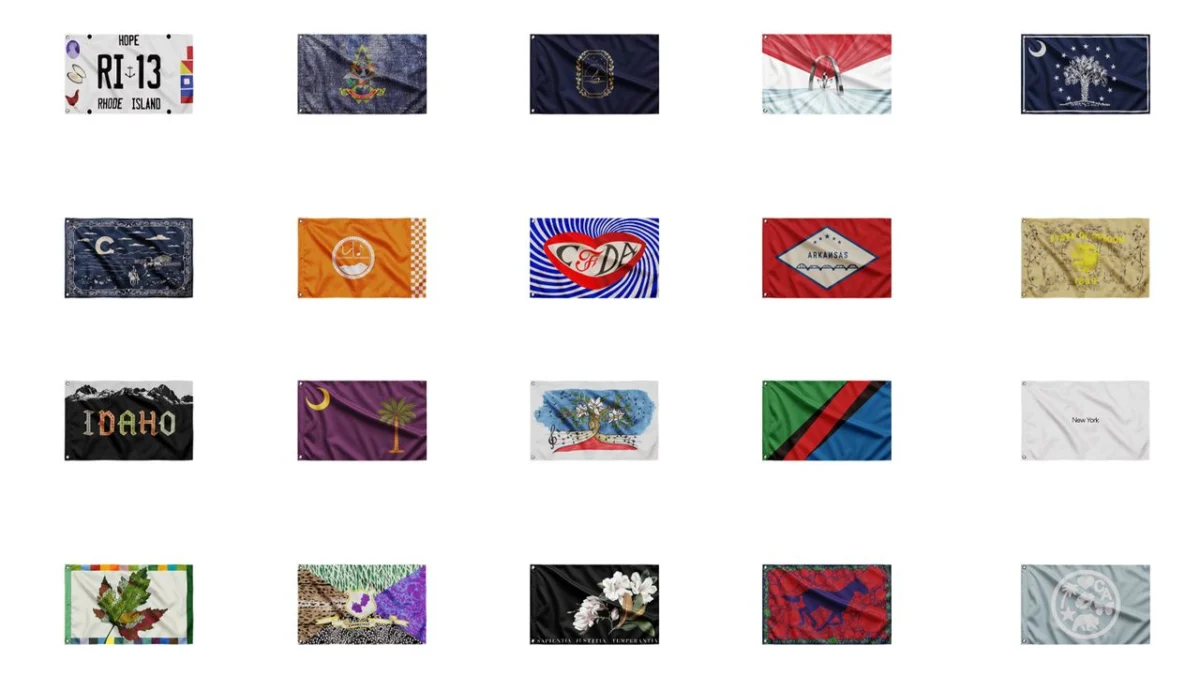
As the United States marked its semiquincentennial—a momentous 250th anniversary—the nation found itself awash in a dizzying array of commemorative events. From traditional pyrotechnic displays lighting up the night sky to more surreal, headline-grabbing spectacles on the White House lawn, the celebration of America’s 250 years of history has been as unconventional as the country itself. Amidst this cultural noise, a singular, sophisticated installation at New York City’s Rockefeller Center stood out as a beacon of artistic expression: the "United Flags of Fashion."
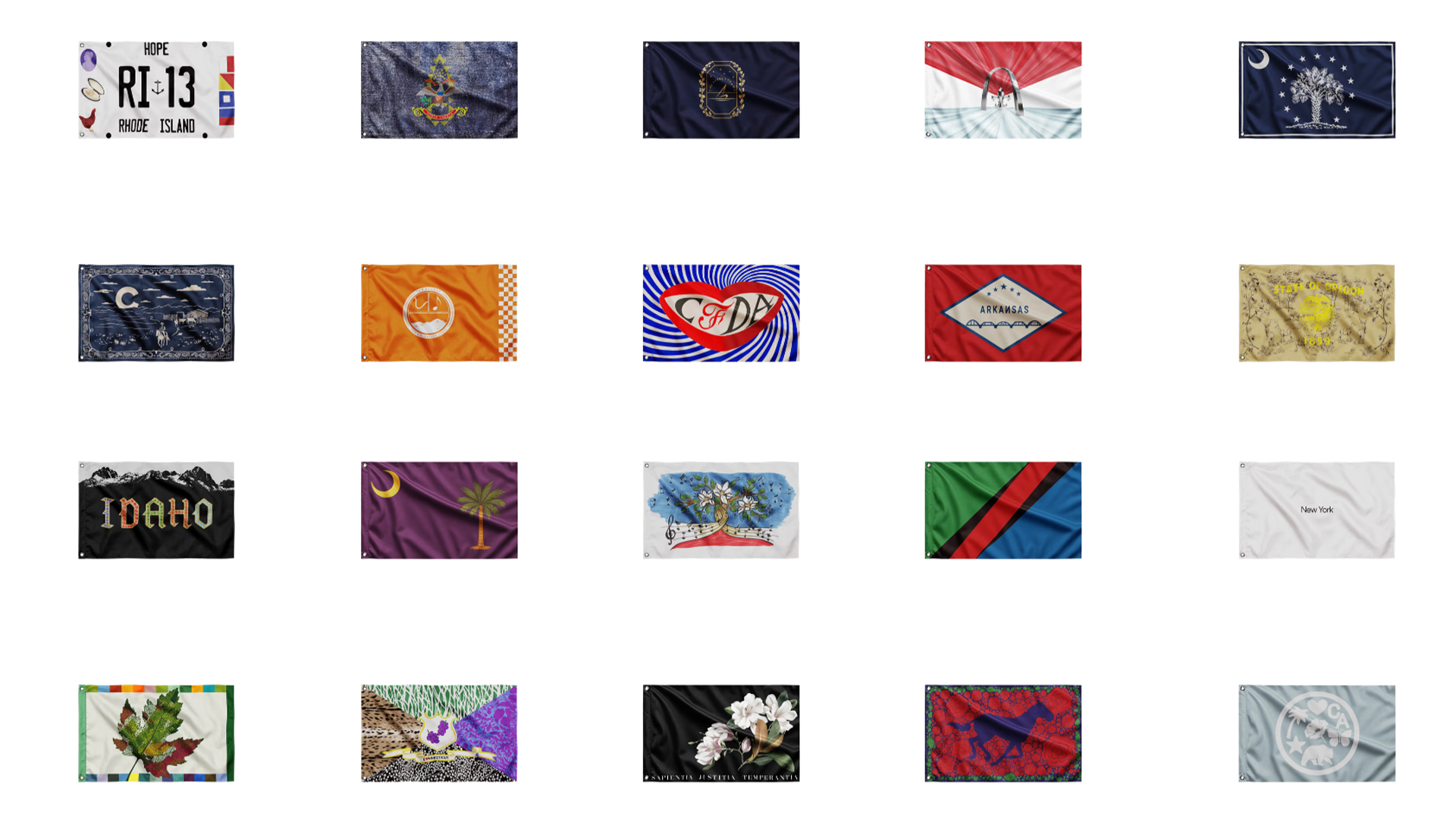
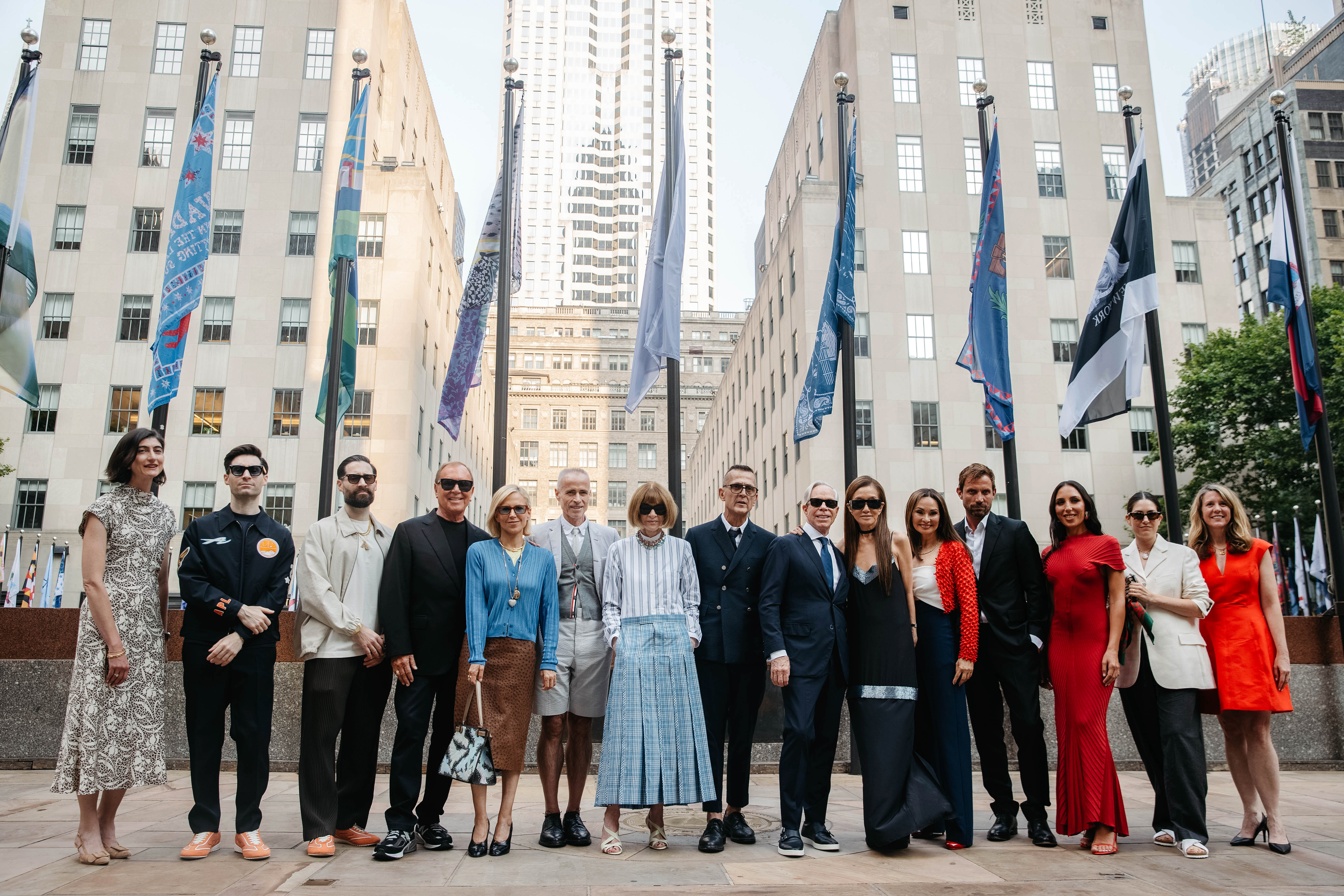
A high-profile collaboration between Vogue and the Council of Fashion Designers of America (CFDA), the exhibition transformed the iconic plaza into a visual map of the American experience. By commissioning 130 custom-designed flags, the organizers invited the country’s most influential creative minds to interpret the spirit, geography, and legacy of each individual state.
The Genesis of the Installation: Fashion Meets Patriotism
The "United Flags of Fashion" project was conceived not merely as a decorative display, but as a deep-dive into the creative legacy of the United States. With over 100 designers participating—including industry titans like Michael Kors, Vera Wang, Tommy Hilfiger, and Tory Burch—the initiative sought to reconcile the traditional symbols of statehood with the modern, diverse, and often avant-garde language of fashion.
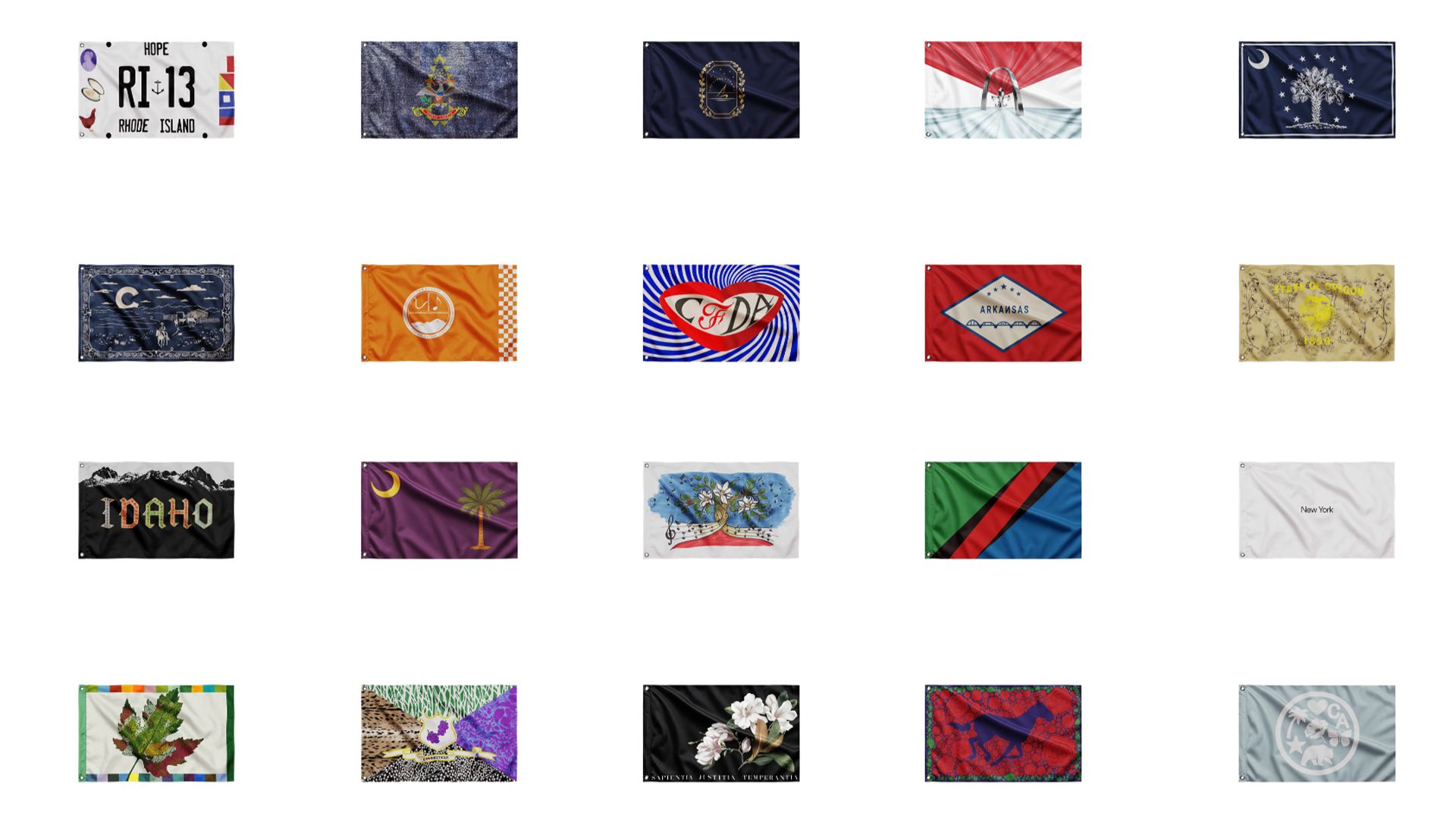
The project aimed to bridge the gap between institutional history and contemporary cultural identity. By tasking designers with reimagining state flags, Vogue and the CFDA forced a conversation about what a state "looks like" in the 21st century. The resulting collection, which debuted in the lead-up to the July 4th celebrations, represents a kaleidoscope of American storytelling, shifting the focus from historical politics to aesthetic interpretation.
A Chronology of the Celebration
The installation’s rollout was meticulously planned to coincide with the nation’s 250th birthday.
- Pre-Launch (Spring 2024): The CFDA and Vogue reached out to a curated list of American designers, providing them with the challenge of synthesizing the essence of specific states into a textile medium.
- Early July 2024: As the nation approached its July 4th milestone, the flags were unveiled at Rockefeller Center. The site, a historic hub for both commerce and art, provided a fittingly monumental backdrop for the display.
- July 4th (The Milestone): The installation served as the focal point for New York’s fashion-forward tribute to the anniversary, drawing thousands of visitors to the plaza.
- Post-Anniversary (Current): The flags remain a subject of cultural discourse, serving as a permanent record of how the fashion industry perceives the current state of the American identity.
Design Philosophies: From Playful Homage to Minimalist Branding
The diversity of the 130 flags serves as a microcosm of the American landscape itself. The creative approaches varied wildly, reflecting the unique brand identities of the participating designers.
The Playful and Personal
For some, the project was an opportunity to lean into nostalgia and regional quirks. Norma Kamali, tasked with representing Massachusetts, opted for a design that leaned into the state’s sports culture, featuring a distinctively playful homage to the Red Sox. The design was a departure from the stoic, heraldic nature of traditional state flags, opting instead for a conversational, pop-culture-infused aesthetic.
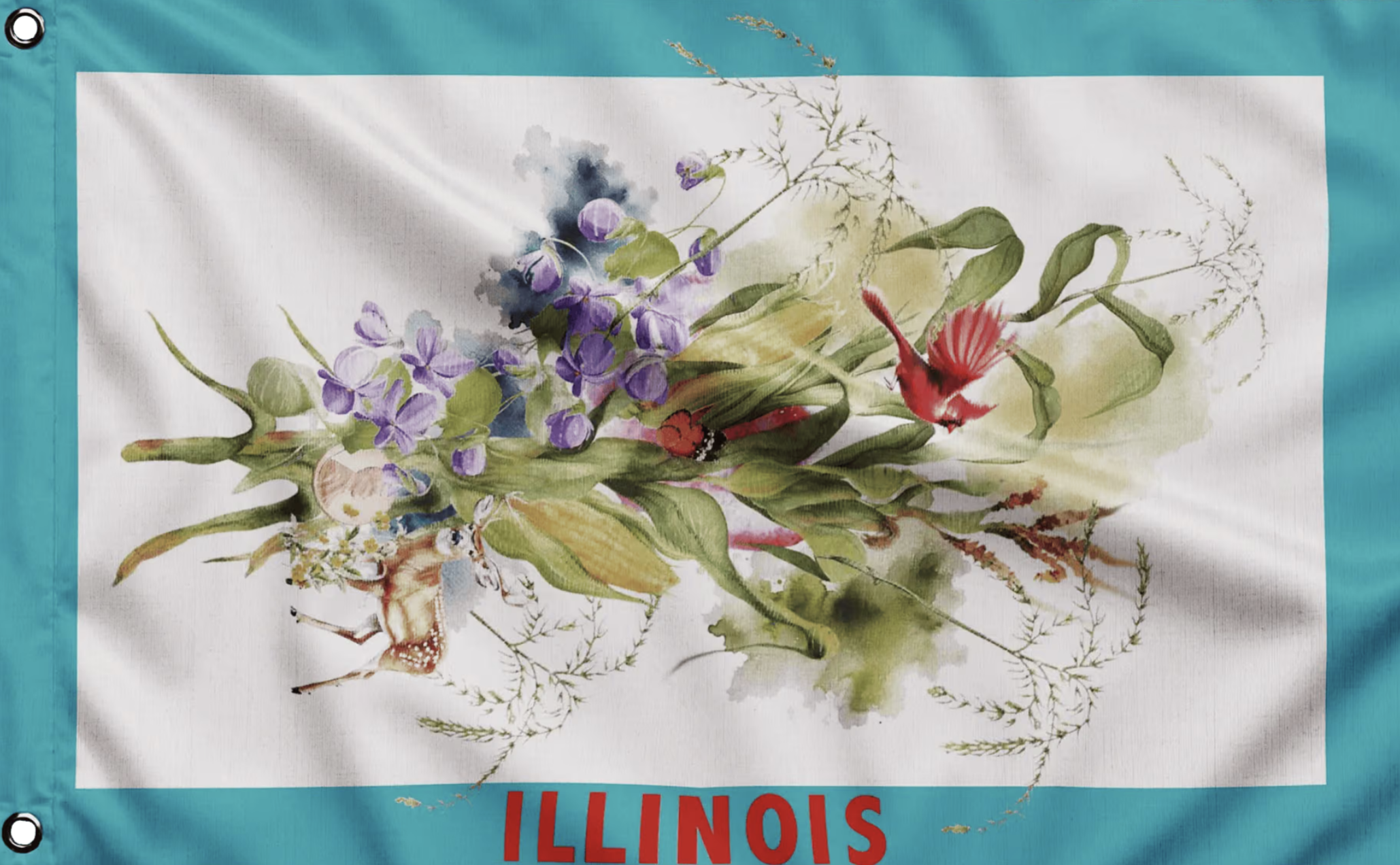
Similarly, designer Cynthia Rowley looked inward to capture the duality of her home state, Illinois. "You can take the girl out of Illinois, but you can’t take Illinois out of the girl," Rowley noted, reflecting on a design that balanced the state’s vast rural landscapes with the sophisticated, urban cultural beacon of Chicago. Her work highlighted the tension between the Heartland and the metropolis—a recurring theme in American identity.
The Corporate Minimalist Approach
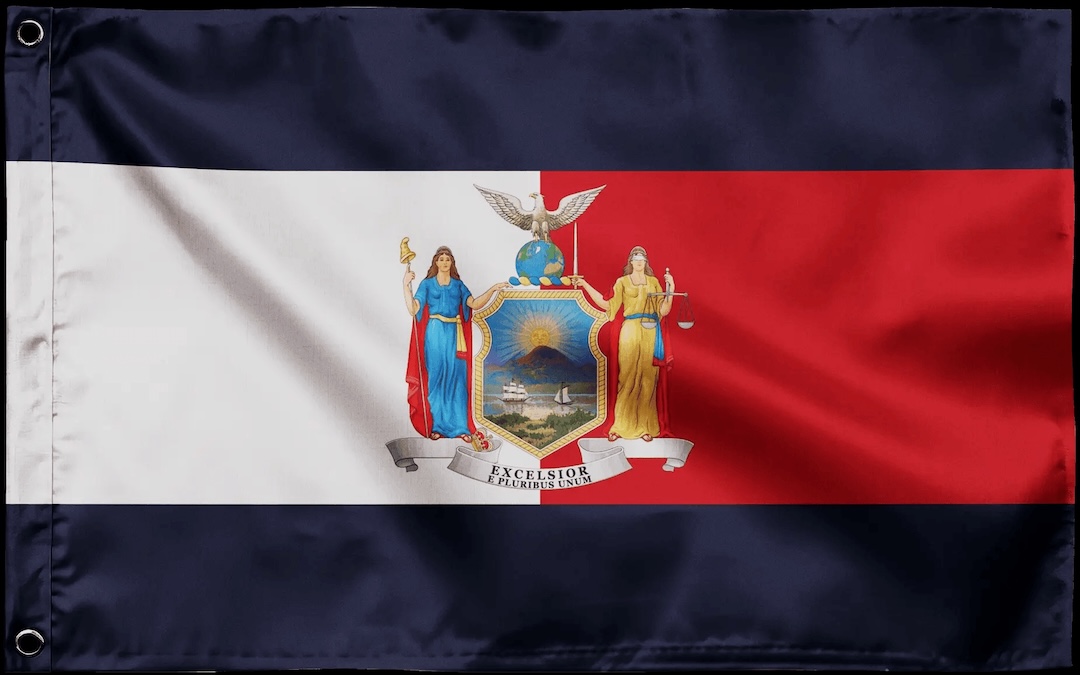
In contrast, other heritage brands viewed the project as an extension of their established visual identity. Tommy Hilfiger, long a purveyor of the "all-American" look, utilized a palette of navy, white, and red. By integrating imagery inspired by nautical signal flags, Hilfiger created a preppy, classic interpretation of New York that felt both historic and distinctly on-brand.
Calvin Klein offered perhaps the most polarizing contribution: a stark, white flag featuring the word "New York" in its signature, clean, sans-serif font. While critics debated whether the design lacked ambition, others praised its unwavering commitment to the brand’s minimalist ethos. In the context of the installation, it functioned as a "meta-commentary" on the nature of American branding, stripping away iconography to leave only the name behind.
Supporting Data: The Scale of the Project
The sheer scale of the "United Flags of Fashion" underscores the influence of the CFDA and Vogue in shaping public discourse.
- Total Participants: Over 100 designers.
- Total Installations: 130 unique flags.
- Geographic Scope: All 50 states, plus territories, represented through individual creative lenses.
- Platform: Rockefeller Center, a high-traffic urban space serving as an open-air museum.
The project highlights that fashion is not merely a commercial endeavor; it is an industrial sector that employs millions and serves as a vital component of the American "soft power" narrative. By leveraging their platform, these designers brought a level of visual literacy to the anniversary that standard commemorative merchandise could not achieve.

Official Responses and Cultural Significance
The leadership behind the initiative has been vocal about the project’s intent. Anna Wintour, the global editorial director of Vogue, emphasized the connection between craft and patriotism. "The flags are a reminder of how creativity and making beautiful things are twin sources of national pride," Wintour remarked. "All the fashion designers we spoke to were thrilled to make flags, and they took to the project joyfully. The result is a tribute to the country’s anniversary we can all be proud of."
Rosie Rios, chair of America250, echoed this sentiment, framing the project as an essential evolution of the national image. "Fashion has always been a powerful expression of America’s creativity, identity, and cultural evolution," she stated. "As we commemorate our nation’s 250th anniversary, United Flags of Fashion offers a bold and inspiring tribute to the artistry that defines the American spirit."
The Broader Implications: Fashion as Civic Discourse
The "United Flags of Fashion" installation raises profound questions about how a nation expresses its identity through design. Historically, flags have been instruments of government and war. By handing these symbols over to the fashion industry, the project democratized the visual representation of statehood.
The Commodification of Patriotism
Critics have pointed out that projects like this inevitably sit at the intersection of high art and high-end retail. While the flags are a celebration, they are also an advertisement for the designers involved. However, proponents argue that in an era of digital fragmentation, bringing the public together in a physical space like Rockefeller Center to engage with art is a civic good.
Design as a Mirror of the Times
The varying success of the flags—some abstract, some literal, some corporate—serves as a mirror to the current American zeitgeist. The fact that a fashion house like Calvin Klein could treat the state of New York as a typographic exercise suggests a shift in how we perceive regional pride. It is no longer about the coat of arms or the Latin motto; it is about the "brand" of the state and the cultural weight it carries globally.
Looking Forward: The Legacy of the 250th
As the celebrations for America’s 250th continue, the "United Flags of Fashion" will likely be remembered as one of the most cohesive creative responses to the anniversary. It successfully tapped into the talent of a sector that often operates outside the traditional political arena, providing a fresh, vibrant, and sometimes challenging perspective on what it means to be an American state.
For those interested in exploring the full collection, the CFDA has provided a digital archive at their official portal. The installation serves as a reminder that the American story is not a static one; it is a design in progress, constantly being reinterpreted, stitched together, and displayed for the world to see. Whether it is through the lens of high fashion or the provocative cover art of The Economist, the nation’s 250th birthday has proven to be a defining moment for American design—an opportunity to strip back the old, acknowledge the complex, and project a new vision for the future.
As we move past the July 4th milestone, the impact of these 130 flags remains. They are more than just fabric and ink; they are a testament to the fact that, in the United States, even the most traditional symbols are open to the transformative power of creativity.


 Asro
Asro
 Sagoh
Sagoh