

In the high-stakes arena of Consumer Packaged Goods (CPG), the David-versus-Goliath narrative is rarely a fairy tale. For mid-market and smaller "challenger" brands, competing against entrenched industry titans—companies with massive marketing budgets and decades of shelf-space dominance—is a constant struggle for survival. Yet, a new playbook is emerging. By pivoting away from scattershot advertising and embracing a philosophy of "fewer, bigger, better," brands like Emerald Nuts and Bob’s Red Mill are proving that surgical precision and data-backed storytelling can topple category giants.
At the heart of this shift is a strategic partnership between these emerging powerhouses and specialized agencies like Blue Chip, a Chicago-based independent brand commerce agency. By blurring the lines between brand building and retail conversion, these companies are transforming marketing spend from a cost center into a direct revenue driver.
The "Nonsense" Strategy: Emerald Nuts’ Market Rebirth
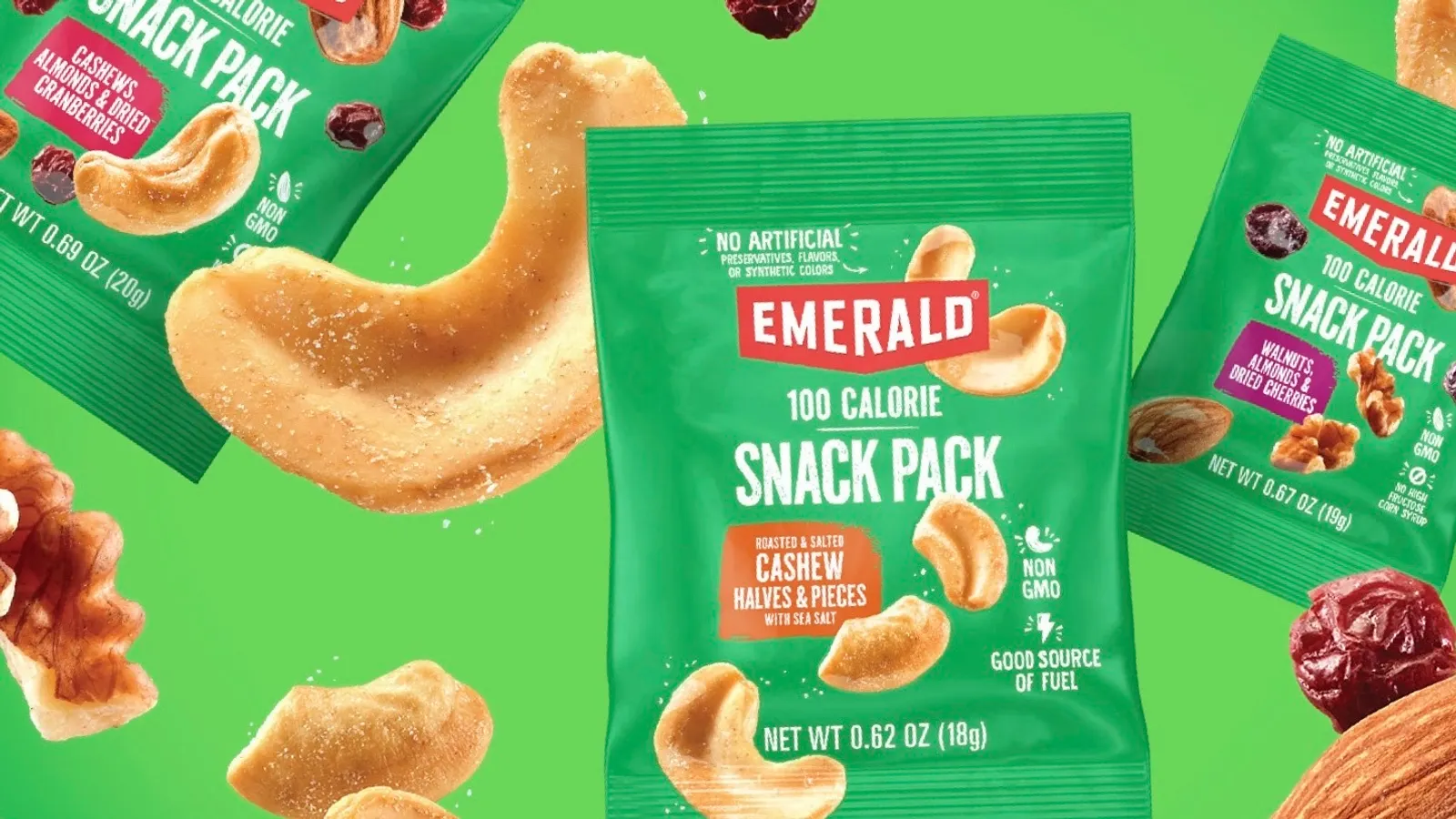
The transformation of Emerald Nuts serves as a masterclass in brand repositioning. After years of languishing under the corporate umbrella of Campbell Soup—where it was part of a broader $4.9 billion acquisition of Snyder’s-Lance—the brand found itself adrift. When Flagstone Foods acquired the brand in 2023, the directive was clear: revitalize or fade into obscurity.
The challenge was immediate. Emerald had to differentiate itself from category stalwarts like Planters and Diamond. An internal assessment revealed a glaring opportunity: the "salty nuts" category had become cluttered with low-quality fillers and "junk." Emerald decided to own the premium high-ground.
A Campaign Built on Strategic Humor
In 2024, Emerald launched its first national TV campaign in years. The 30-second spot, filmed in a Texas baseball stadium, featured a pair of Western-clad singers attempting to perform "Take Me Out to the Ball Game" during the seventh-inning stretch. One singer, fueled by Emerald Nuts, performed flawlessly; the other, snacking on generic, low-quality alternatives, devolved into nonsensical lyrics.
According to Dan Eisenberg, CMO at Blue Chip, the "Nonsense" campaign was never intended to be comedy for the sake of entertainment. "It was humor with a real strategic reason and a clear point of difference in the category," Eisenberg explained. The ad effectively framed the "nonsense" of the competition against the high-quality, singular focus of Emerald.
The results were statistically significant. By leveraging a media mix that included paid social on TikTok and integrated retail media at major chains like Walmart, Kroger, and Publix, Emerald achieved an 11% boost in millennial engagement and a 30% increase in new-to-brand purchases. More importantly, the campaign provided the sales team with a fresh narrative, enabling them to rebuild retailer relationships that had effectively stalled under previous ownership.
Chronology: From Stagnation to Strategic Scaling
The evolution of these brands highlights a shift in industry philosophy over the last decade.
- 2018: Campbell Soup acquires the Emerald Nuts business as part of a massive deal for Snyder’s-Lance. During this period, the brand experiences limited growth and minimal marketing investment.
- 2019-2020: Bob’s Red Mill initiates a five-year collaboration with Blue Chip to overhaul its integrated media and shopper marketing strategy, pivoting from a focus on the lower funnel to full-funnel brand awareness.
- 2023: Flagstone Foods acquires Emerald Nuts. The brand enters a "relaunch" phase, hiring Blue Chip to lead a total brand, media, and retail commerce integration.
- 2024: Emerald launches the "Nonsense" campaign, successfully re-entering the national spotlight and securing shelf-space commitments at major retailers.
- 2025: Bob’s Red Mill records a milestone Q4, achieving its first million-dollar sales week at Walmart, validating the success of its long-term investment in household penetration.
Data-Driven Growth: The Case of Bob’s Red Mill
While Emerald Nuts represents a rapid-fire turnaround, the journey of Bob’s Red Mill demonstrates the power of long-term, data-informed scaling. As a brand competing against giants like PepsiCo’s Quaker Oats, Bob’s Red Mill faced the classic challenger problem: how to reach new households in the Midwest, Mid-Atlantic, and Southeast without burning through a limited budget.
The "Market Match" Methodology
Blue Chip utilized a proprietary tool known as "Market Match" to algorithmically score designated market areas. By analyzing distribution strength, competitive density, and "look-alike" consumer audiences, the agency helped Bob’s Red Mill prioritize where to deploy its marketing dollars.
This approach marked a departure from the brand’s previous reliance on lower-funnel tactics. By consolidating media and shopper marketing into a single, cohesive strategy—anchored by the "Start with the Best Oats" campaign—the brand evolved into a national powerhouse. The data-driven approach ensured that every dollar spent served a dual purpose: building the brand image while simultaneously driving conversion at the retail shelf.
Official Perspectives: The Philosophy of "Fewer, Bigger, Better"
The common thread linking these successes is an uncompromising commitment to focus. Dan Eisenberg emphasizes that challenger brands do not have the luxury of trying to be "everything to everyone." Instead, the agency advocates for a "Fewer, bigger, better" approach.
"Challenger brands specifically cannot afford to have separate branded performance strategies," Eisenberg notes. "There’s way too much at stake."
This philosophy manifests in several key ways:
- Disciplined Audience Targeting: Narrowing the focus to specific consumer segments most likely to switch from legacy brands.
- Strategic Market Selection: Using algorithmic data to enter markets where the brand has the strongest chance of shelf-space dominance.
- Unified Funnel Strategy: Eliminating the silos between "awareness" advertising and "conversion" retail marketing.
By focusing on "high-impact opportunities," these brands avoid the trap of diluted messaging. They choose fewer media channels, create bigger, more memorable creative assets, and execute them with better integration across the retail landscape.
Implications for the Future of CPG
The success of Emerald and Bob’s Red Mill suggests that the "corporate-owned" advantage of scale is becoming less of a deterrent for smaller brands. In an era where retail media networks (RMNs) provide unprecedented access to purchase data, challenger brands can now fight on a level playing field.
1. The Death of the Brand-Performance Silo
The traditional agency model often separated "brand awareness" (TV/Social) from "shopper marketing" (in-store displays/coupons). The current market demands that these be treated as a single ecosystem. As Eisenberg points out, every dollar must perform "double duty."
2. Retail Media as the Great Equalizer
By embedding brand messaging directly into the environments where shoppers search for products—such as Walmart’s or Kroger’s retail media platforms—challenger brands can intercept consumers at the point of intent. This reduces the "wastage" associated with broad-reach national campaigns.
3. The Power of Authenticity
As seen in the Emerald Nuts campaign, humor and a clear "point of difference" can generate outsized organic reach. In a crowded category, being the brand that calls out the "nonsense" of the status quo is an effective way to build immediate affinity with younger, skeptical demographics.
Conclusion
The resurgence of Emerald Nuts and the sustained growth of Bob’s Red Mill are not anomalies; they are the result of a disciplined, data-first strategy that respects the limitations of the challenger budget. In the CPG world, the era of the "big budget" is being replaced by the era of the "big idea, executed with precision."
For any brand looking to challenge the incumbents, the lesson is clear: do not try to outspend the competition. Instead, out-think them. By focusing on fewer markets, investing in bigger, more creative narratives, and ensuring that every interaction—from a TikTok ad to a shelf-tag at a grocery store—is aligned, challenger brands can move from the fringes to the center of the consumer’s pantry. As the marketplace continues to fragment, the brands that can successfully merge the emotional power of storytelling with the cold, hard logic of retail data will be the ones that define the next decade of grocery retail.











