Muslim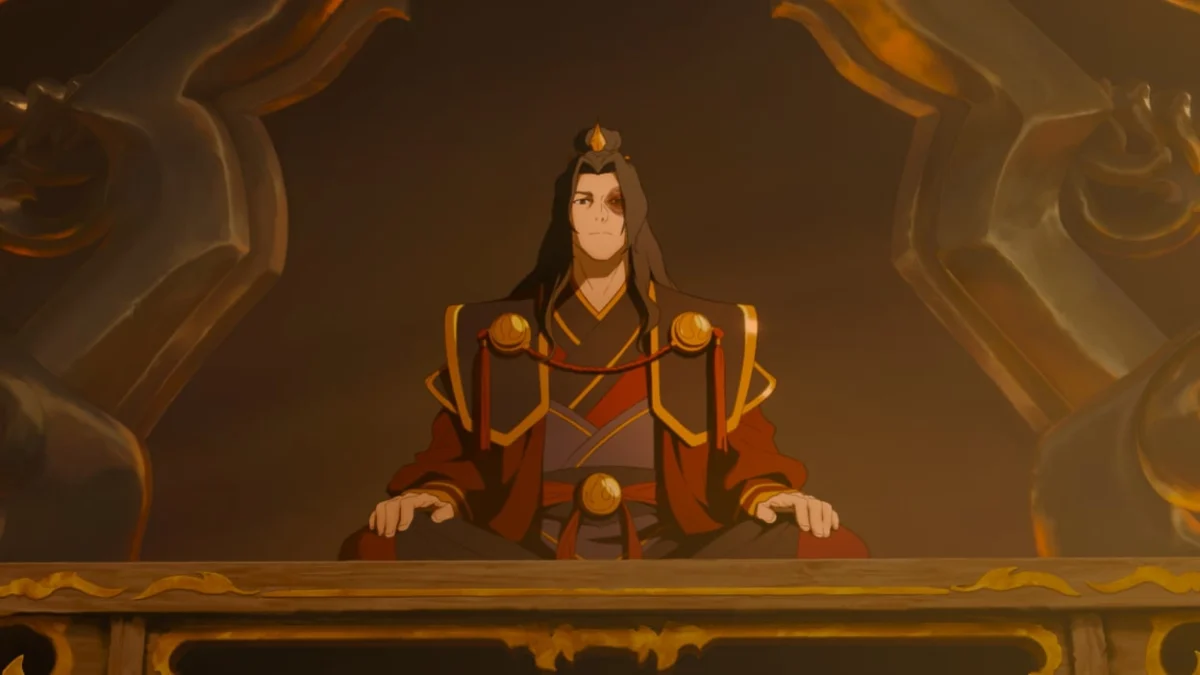
When Avatar: The Last Airbender first graced Nickelodeon in 2005, it was a groundbreaking piece of animated storytelling that challenged the boundaries of children’s television. Nearly two decades later, the franchise has proven its durability in ways even its creators could not have anticipated. Today, the Avatar universe isn’t just living through syndication or official studio marketing; it is being kept alive, vibrant, and incredibly "thirsty" by a decentralized army of TikTok creators.
The current phenomenon—the viral obsession with adult Zuko in the newly released Avatar Aang: The Last Airbender—serves as a masterclass in modern digital culture. It demonstrates that in 2026, the most effective marketing tool for a major studio isn’t a billboard or a Super Bowl spot; it is a 20-second, color-graded, fan-edited video set to a trending audio track.
The Anatomy of a Viral Obsession
Since Avatar Aang: The Last Airbender arrived on Paramount+ and in select cinemas, the TikTok algorithm has undergone a transformation. For many users, the "For You" page has become a curated gallery of adult Zuko. These aren’t standard movie clips; they are high-art edits. Creators are utilizing sophisticated editing techniques—slowing down footage, isolating specific frames, and applying heavy color grading—to highlight the character’s design, often comparing his aesthetic to the high-drama sensibilities of danmei (Chinese boys’ love) media.
The trend has coalesced around a specific "vibe." A handful of iconic shots of adult Zuko are being remixed across thousands of individual videos. The audio choices are telling: while some use popular, high-energy tracks from artists like Doja Cat, Sabrina Carpenter, and Britney Spears, others lean into the absurdist side of internet culture, using sounds of frantic cats or barking dogs to signal that the character is so attractive that he has effectively "short-circuited" the viewer’s brain.
A Chronology of a Fandom Rebirth
The trajectory of this trend is rooted in the long history of the Avatar fandom, which has been simmering since the series finale in 2008.
- 2005–2008: The original series airs. Zuko, voiced by Dante Basco, becomes a cultural icon, celebrated for what many critics consider the greatest redemption arc in animation history.
- 2008–2020: The "Tumblr Era." During this period, the fandom sustains itself through fanfiction, intricate GIF sets, and deep-dive analysis of Zuko’s journey from a scarred exile to a wise Fire Lord.
- 2020: On the show’s 15th anniversary, Dante Basco reflects on the enduring nature of the character, noting that the fanbase never really left—they just moved from platform to platform, evolving from forum posters to cosplayers.
- 2026 (The Present): The release of Avatar Aang introduces an adult version of the character, voiced by Steven Yeun. This serves as a "spark" for the tinderbox of nearly two decades of built-up fan devotion, resulting in the current explosion of viral edits.
The Data Behind the "Thirst"
While studios often view copyright-infringing edits as a nuisance, the data tells a different story. These edits are not merely "stealing" content; they are generating massive, organic engagement. A single viral edit can rack up hundreds of thousands of views, with comment sections filled with users who have never watched the original show but are now asking, "What is this from?" and "Where do I start watching?"

This is a conversion funnel that no marketing agency could replicate. Unlike traditional advertisements, which are often ignored or skipped, these fan-made edits are treated as high-value entertainment. They inspire "stitches" and reaction videos, creating a feedback loop of visibility. In 2026, the edit is the new trailer. When a creator like the one who "dissolved into tears" while discussing adult Zuko goes viral, they are providing a form of social proof that traditional marketing simply cannot touch.
Official Perspectives and the Industry Shift
The tension between studio legal departments and fan creators is palpable. Paramount, in its efforts to protect its intellectual property, has spent months attempting to scrub unauthorized footage from the internet, particularly after the film suffered from early leaks. However, this cat-and-mouse game ignores the reality of the creator economy.
Creators like Dante Basco have long recognized the symbiotic relationship between the studio and the fans. By embracing the community’s enthusiasm, studios could potentially harness a resource that is currently working for them for free. As noted by industry analysts, the success of Avatar Aang is not just due to the film’s production values, but because it tapped into a pre-existing, highly organized, and deeply loyal digital community.
The Implications for Franchise Longevity
What is happening with Zuko is a microcosm of a larger trend: the "remix culture" of 21st-century entertainment.
1. Characters as Living Entities
Zuko is no longer just a character owned by a studio; he is a character owned by the internet. Through fan art, edits, and memes, the audience has taken ownership of his journey. This ensures that the character remains relevant even during long hiatuses between official installments.
2. The "Algorithm-First" Discovery
Traditional marketing relies on push-messaging. The modern fandom relies on pull-messaging. Algorithms on TikTok and Instagram feed users content that matches their existing interests. When a user who enjoys high-quality character edits sees one of Zuko, the algorithm identifies a new potential fan and introduces them to the franchise. This is a highly efficient way of acquiring new viewers.

3. Emotional Investment Before Consumption
The most striking aspect of the current Zuko trend is that viewers are becoming emotionally invested before they have watched a single episode of the series. They are drawn in by the "aesthetic" and the "thirst," but they stay for the character’s narrative depth. Once they dive into the source material, they discover the nuance of his redemption arc, which only serves to solidify their loyalty to the brand.
Conclusion: The Power of the "Hot" Edit
The "hot Zuko" trend is more than just a fleeting moment of social media obsession. It is evidence that the definition of a franchise’s success has shifted. It is no longer just about the number of tickets sold or streaming minutes accrued; it is about the ability of a story to foster a community that will continue to tell the story on its own terms.
As we look toward the future of media, it is clear that the most successful intellectual properties will be those that learn to work in tandem with their fans. When studios attempt to lock down their content, they risk stifling the very energy that sustains their franchises. When they lean into the creativity of their audience—even when that creativity manifests as frantic, "thirst-trap" edits—they tap into a reservoir of passion that can keep a story relevant for generations.
If the recent surge in Avatar viewership is any indication, the formula is simple: give the fans a character worth obsessing over, and they will build the marketing campaign for you. Whether it’s a scarred prince from the Fire Nation or a hero from a different universe, the characters that survive the transition from the screen to the internet are the ones that are allowed to evolve in the hearts of their fans. Zuko, it seems, isn’t going anywhere—and his next generation of fans is already waiting in the comments.

 Laily UPN
 Nana Wu