Ali Ikhwan
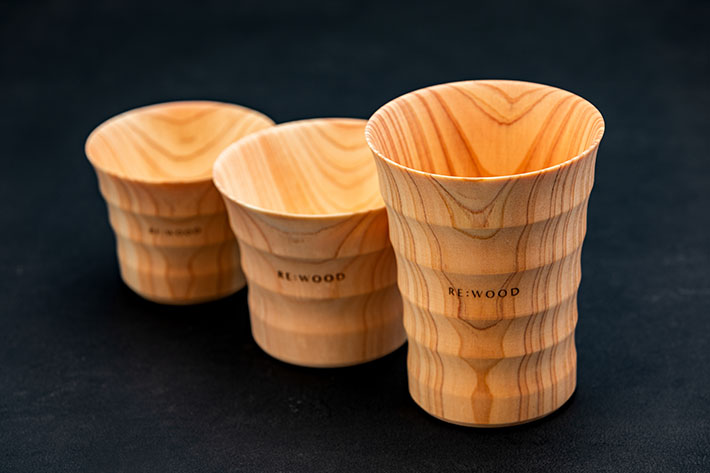
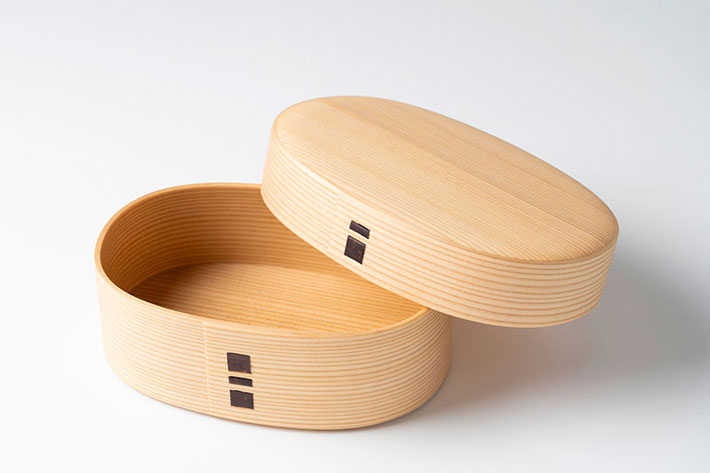
Wood is more than a building material in Japan; it is a cultural lexicon. For centuries, the Japanese relationship with timber has transcended simple utility, weaving itself into the fabric of domestic life, religious practice, and architectural philosophy. From the delicate, curved grain of a magewappa lunchbox to the towering, seismic-resistant majesty of the Expo 2025 pavilion in Osaka, wood remains the primary medium through which Japan expresses its environmental and aesthetic values.
In an era increasingly defined by the pursuit of sustainable development, Japan’s centuries-old expertise in forestry and wood processing is finding a new, global stage. By marrying ancient craftsmanship with cutting-edge chemical-free preservation, Japan is demonstrating that the future of architecture may well lie in the wisdom of its past.

Main Facts: A Symbiotic Relationship with Timber
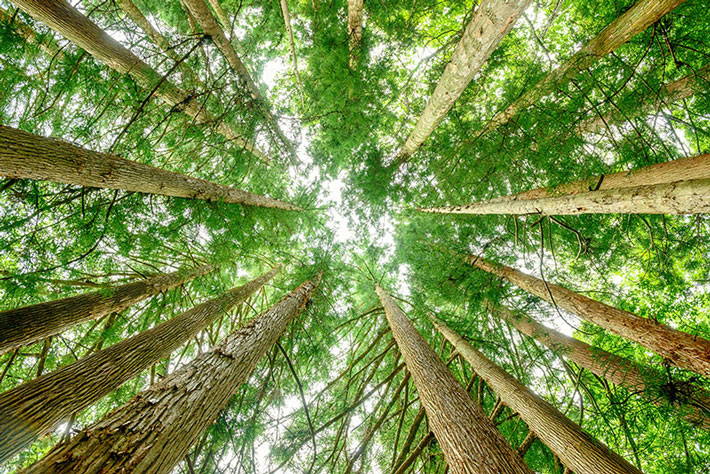
Japan’s affinity for wood is rooted in geography. Approximately two-thirds of the Japanese archipelago is covered by forests, a byproduct of a temperate climate characterized by four distinct seasons and significant precipitation. This landscape has fostered a diverse ecosystem of coniferous and broadleaf trees, most notably Sugi (Japanese cedar) and Hinoki (Japanese cypress).
The fundamental appeal of Japanese wood lies in its unique physical properties. Hinoki is revered globally for its subtle, calming fragrance and exceptional durability, while Sugi is prized for its versatility, ease of workability, and moisture-regulating capabilities. These materials are not merely chosen for their structural strength but for their psychological and environmental benefits—regulating indoor humidity, absorbing toxins, and providing a tactile warmth that synthetic materials cannot replicate.
Chronology: A Millennium of Endurance
The endurance of Japanese wooden architecture is perhaps best exemplified by the timeline of its most iconic structures:
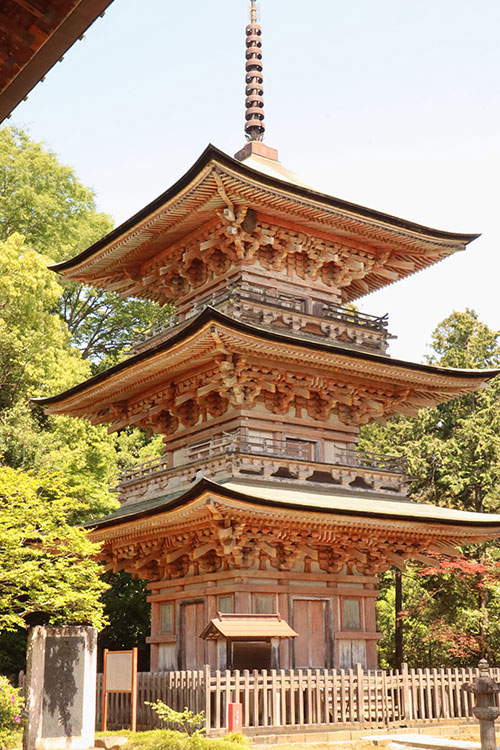
- 7th Century: Construction of the Hōryū-ji Temple in Nara Prefecture. Recognized as one of the world’s oldest wooden structures, it stands as a testament to the longevity of Hinoki. Its ability to survive over 1,300 years of typhoons, earthquakes, and humidity is a masterclass in ancient engineering and material science.
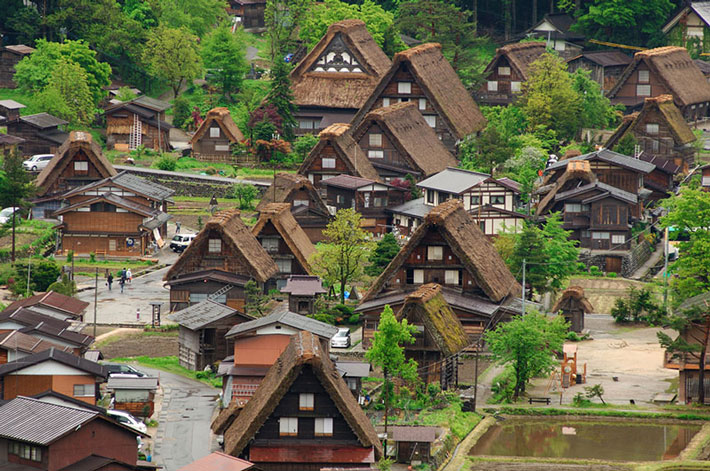
- 12th–17th Centuries: The proliferation of samurai residences and merchant houses across Japan refined the use of Sugi and Hinoki in domestic architecture, establishing the standard for traditional aesthetics that continue to influence modern Japanese design.
- 20th Century: The industrialization of timber harvesting and the introduction of international construction standards, such as the North American "two-by-four" method, began to modernize the domestic industry.
- 2024: A milestone year for the industry as the American Lumber Standards Committee officially certified Japanese Hinoki for use in North American two-by-four construction, marking the formal arrival of high-grade Japanese timber in the global construction market.
- 2025: The opening of the Expo 2025 main pavilion in Osaka showcases the evolution of wooden architecture, utilizing contemporary engineering to create one of the world’s largest wooden structures, signaling a new chapter for timber in large-scale urban development.
Supporting Data: The Science of Preservation
While tradition provides the foundation, modern technology has elevated the performance of Japanese wood to meet international structural demands.
The most significant development is the S-Tech treatment, a nitrogen-based heat treatment process. By heating timber to temperatures exceeding 200°C (392°F) in a controlled, oxygen-deprived environment, manufacturers can decompose the hemicellulose components that typically attract rot and insects. This process, which requires zero chemicals, has proven to extend the lifespan of exterior wooden boardwalks to over two decades, even in harsh environmental conditions.
Furthermore, the advancement of preservative-infused plywood has addressed the "hidden" needs of modern construction. By vacuum-injecting specialized, environmentally friendly preservatives deep into the layers of plywood, engineers have created structural components capable of withstanding the moisture and termite risks inherent in subflooring and exterior wall systems. These innovations ensure that the "generational home"—a concept central to Japanese housing—can realistically maintain its integrity for 100 years or more.
Official Responses and Strategic Shifts
The shift from a domestic-focused industry to a global export model is not coincidental. Organizations such as the Japan Wood Products Export Association (JWPEA) have been instrumental in bridging the gap between local sawmills and international markets.
According to industry spokespeople, the primary goal of these initiatives is to promote the "circularity" of timber. By creating a global demand for high-quality, sustainably harvested Japanese cedar and cypress, the industry hopes to revitalize rural forestry communities that have struggled with aging populations.
"The recognition of our timber by the American Lumber Standards Committee is a validation of our quality control," says an industry analyst. "It proves that we are not just exporting wood; we are exporting a system of sustainable living that has been refined over a thousand years."
Implications: A Sustainable Future
The implications of Japan’s wood industry trajectory are far-reaching, particularly in the context of the UN’s Sustainable Development Goals (SDGs). As the global construction sector looks for alternatives to concrete and steel—both of which have high carbon footprints—the resurgence of timber is a critical development.
1. Carbon Sequestration
Wooden structures act as carbon sinks, trapping CO2 for the duration of the building’s life. Japan’s emphasis on long-lasting, durable wood processing ensures that this carbon remains sequestered for generations, rather than being released through decay or incineration.
2. Environmental Ethics
By prioritizing chemical-free treatments like S-Tech, the Japanese timber industry is setting a new standard for healthy indoor environments. As consumers become more concerned with "sick building syndrome" and volatile organic compounds (VOCs), the natural properties of Hinoki and Sugi offer a compelling, high-performance alternative.
3. Cultural Preservation
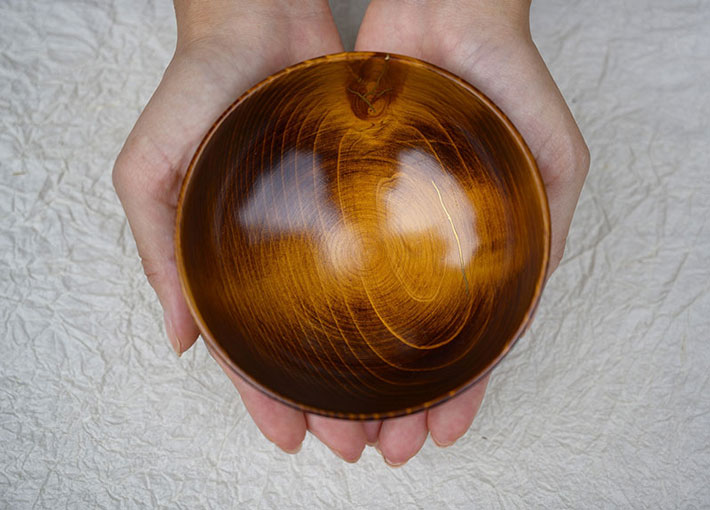
The integration of traditional techniques like magewappa—where fresh wood is bent to form airtight containers—with modern global supply chains ensures that the skills of master artisans are not lost. Instead, these traditional methods are being adapted to create high-end, sustainable luxury goods for the international market.
4. Global Interoperability
The certification of Japanese Hinoki for North American construction is perhaps the most significant step toward global interoperability. It removes the barrier of "niche" application, allowing Japanese timber to compete in the mass market. This accessibility suggests a future where high-quality, fragrant, and durable Japanese wood could be a standard component in homes from Seattle to Stockholm.

Conclusion
The story of Japanese wood is a narrative of resilience. It is a story of how a nation with limited land mass managed its natural resources through a blend of profound respect for nature and an relentless pursuit of technical perfection.
As we look toward the future, the lessons offered by the Hōryū-ji temple and the modern Expo 2025 pavilion are the same: wood is not a legacy material; it is a future-proof one. Through the integration of traditional forestry management and modern innovations in nitrogen-heat treatment and termite-proof engineering, Japan is successfully exporting a model of sustainability that is as durable as the wood itself. For those looking to the future of architecture, the answer may be written in the grain of the Japanese forest.

To learn more about the integration of Japanese wood products into global projects, visit the Japanese Wood Export Portal.


 Neng Nana
 Asro
Asro