Nana Wu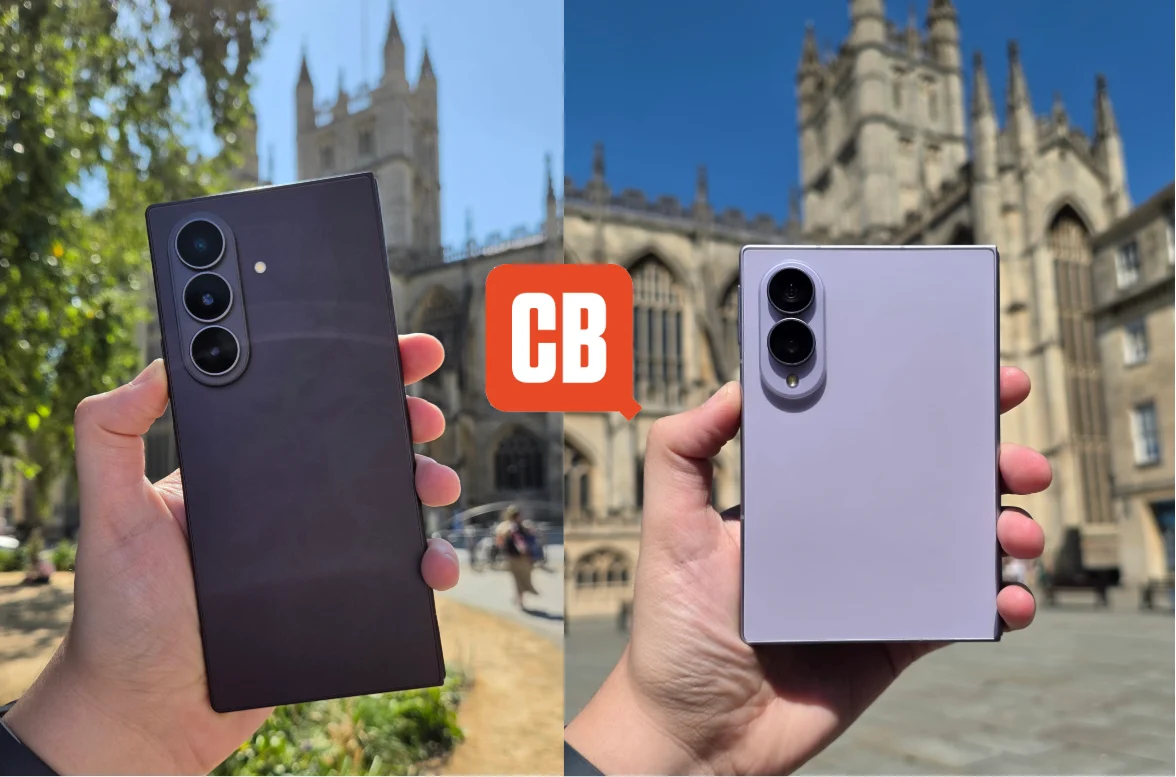
The smartphone landscape in 2026 has reached a fascinating crossroads. With the arrival of the Samsung Galaxy Z Fold8 and the all-new Z Fold8 Ultra, the foldable market is no longer a monolith. For the first time, Samsung is forcing power users to choose between two distinct philosophies: the ergonomic, pocket-friendly daily driver and the uncompromising, professional-grade imaging powerhouse.
For many, the decision to upgrade to a foldable is no longer just about the "wow factor" of a flexible display; it is about utility. As a professional photographer, I have spent the last month putting both devices through their paces to determine if the Ultra’s 200MP sensor truly justifies the price hike, or if the standard Fold8 is the sleeper hit of the year.
The Main Facts: Defining the Two Foldables
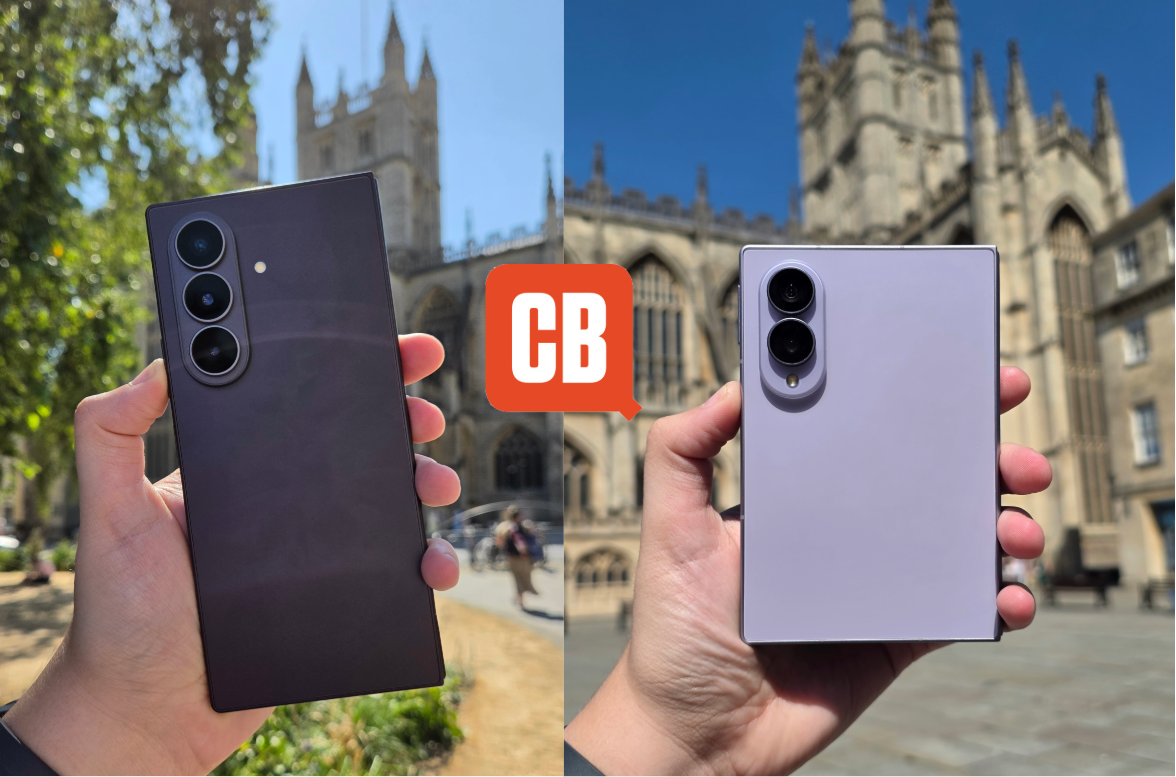
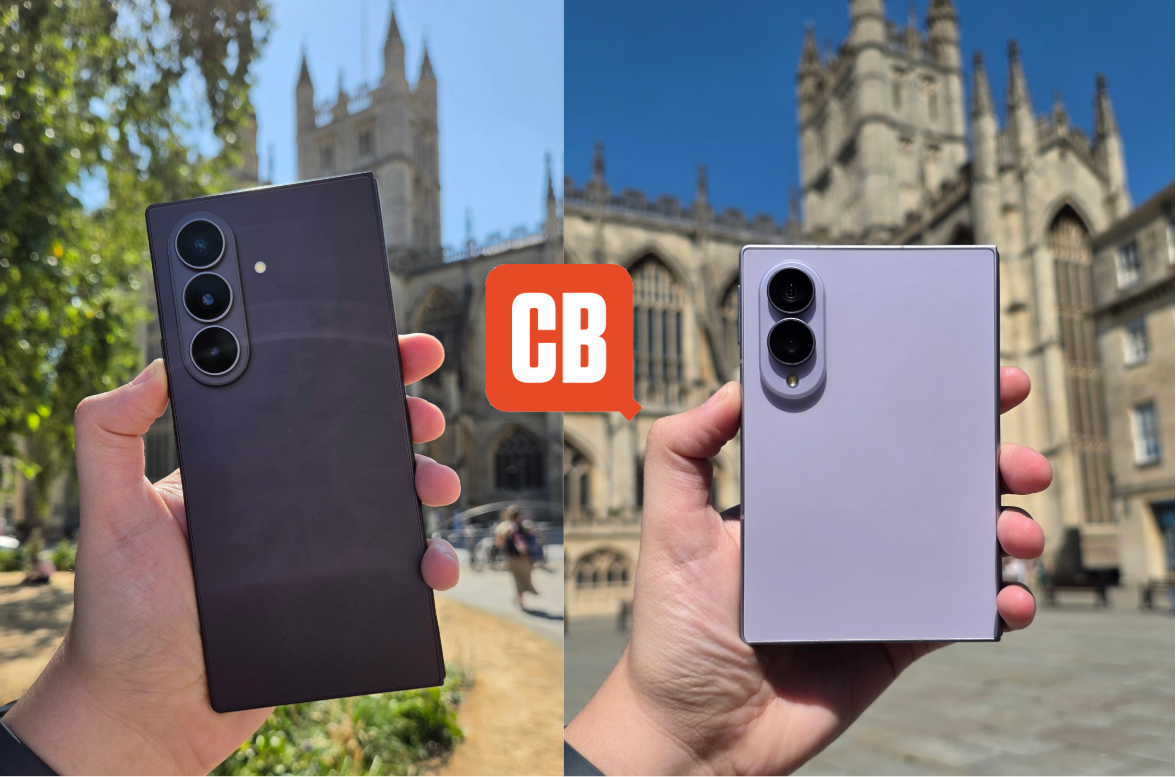
Samsung’s strategy with the 2026 lineup is clear: diversification. The standard Galaxy Z Fold8 has been refined with a new 4:3 aspect ratio, making it arguably the most comfortable foldable to hold and operate with one hand. It is nimble, sleek, and carries a capable 50MP main sensor that handles the vast majority of social media and casual photography tasks with ease.
Conversely, the Z Fold8 Ultra is designed for the creator who refuses to compromise. It retains the classic, slightly wider stance of its predecessors and features a triple-lens rear array headlined by a massive 200MP sensor. It is an unapologetic "pro" device, built for those who view their phone as a legitimate substitute for a dedicated mirrorless camera.
A Chronological Breakdown of the Evolution
The trajectory of the Z Fold series has been marked by iterative progress, but 2026 marks a significant divergence.
- Early 2024–2025: Samsung focused heavily on hinge durability and crease reduction. The market saw a standardization of internal specs across the Fold range, with few physical differences between variants.
- Launch Day 2026: Samsung shocked the industry by unveiling the "Ultra" tier for the foldable category, signaling that the Fold series had finally matured enough to require a "Pro" counterpart.
- Post-Launch Testing: Over the last four weeks, the tech community has shifted from discussing the novelty of the hinge to debating the viability of these sensors in professional workflows.
Technical Specifications: The Data Divide
To understand the difference between these two devices, one must look beyond the marketing jargon. The following comparison highlights where the money goes:
| Feature | Z Fold8 Ultra | Z Fold8 |
|---|---|---|
| Chipset | Snapdragon 8 Elite Gen 5 | Same as Ultra |
| Main Camera | 200MP (f/1.7) 24mm | 50MP (f/1.8) 23mm |
| Telephoto | 10MP (f/2.4) 67mm | N/A |
| Ultrawide | 50MP (f/1.9) | 50MP (f/1.9) |
| Battery | 5,000mAh | 4,800mAh |
| Price | £1,899 | £1,699 |
The most glaring omission in the standard Z Fold8 is the telephoto lens. While the Ultra provides a 67mm focal length for portraiture and tight framing, the standard Fold8 relies on digital cropping. For a casual user, this is negligible. For a photographer, it is a dealbreaker.
Supporting Data: Real-World Image Analysis
During my field tests in the city of Bath, I challenged both devices to capture high-dynamic-range (HDR) scenes. The results were telling.
In broad daylight, the 50MP sensor on the Z Fold8 is stunning. It produces sharp, punchy images that are optimized for social media platforms. The color science is consistent, and the AI-driven image processing is incredibly fast. However, when you push these images into post-production software, the limitations emerge.
When analyzing shots of historic architecture, the Ultra’s 200MP sensor retained structural detail in the brickwork that the 50MP sensor smoothed over. The Ultra maintains a "true-to-life" color profile, avoiding the aggressive contrast bias often found in the standard model. If you plan to print your photos or crop them heavily for a portfolio, the Ultra is objectively superior.
Official Responses and Market Positioning
Samsung representatives have stated that the Z Fold8 is aimed at the "prosumer" who values mobility, while the Ultra is for the "creator" who requires high-resolution output for multi-platform distribution.
The market has responded with a split sentiment. Enthusiasts are praising the Ultra as the "dream phone," yet the sales data suggests that the standard Fold8 is moving faster. Consumers are increasingly wary of the £200 premium for a phone that is already priced at the top of the market. Samsung’s decision to include the exact same high-end Snapdragon 8 Elite Gen 5 chipset in both models is a strategic masterstroke, ensuring that performance-wise, neither user feels like a "second-class citizen."
Implications for the Creative Professional
What does this mean for you, the creative?
1. The Workflow Argument
If you are a photographer who travels light, the Z Fold8 Ultra is a legitimate tool. Its ability to capture 8K video at 30fps, combined with the 200MP main sensor, means you can capture a scene and have enough data to perform significant edits later. It effectively removes the need for a secondary compact camera.
2. The Ergonomic Argument
If your primary concern is social media, content consumption, or managing emails on the go, the Z Fold8 is the superior choice. The 4:3 aspect ratio is a revelation for typing and scrolling, and the lighter 4,800mAh battery allows for a more comfortable weight distribution in the hand over long periods.
3. The Future-Proofing Dilemma
We are currently in a cycle where AI enhancements are closing the gap between hardware sensors. While the 200MP sensor is physically superior today, software updates in the coming year may bring the standard Fold8’s image quality even closer to the Ultra. However, hardware-level differences—specifically the optical telephoto lens—cannot be patched by software.
The Verdict: Which One Should You Buy?
Choosing between the Galaxy Z Fold8 and the Z Fold8 Ultra is a balancing act between utility and ambition.
The Z Fold8 Ultra is for the professional. If your work requires high-resolution images, optical zoom capabilities, or if you find yourself constantly reaching for your DSLR, the extra £200 is a worthy investment. The 200MP sensor is not just a spec-sheet flex; it provides a level of detail that is genuinely useful for professional photographers.
The Z Fold8 is for the creative realist. It offers the most refined foldable experience in terms of ergonomics and daily usability. It captures images that are more than sufficient for 99% of social media interactions and casual family photography. By opting for the standard model, you aren’t sacrificing quality—you are prioritizing comfort and efficiency.
Ultimately, Samsung has succeeded in making a foldable for every type of user. Whether you prioritize the "Ultra" performance or the "standard" convenience, the Z Fold8 series proves that the future of mobile photography is, quite literally, folding into place. If you are still on the fence, I recommend visiting a retail store to feel the difference in weight and aspect ratio—for many, that will be the deciding factor long before they even open the camera app.


 Neng Nana